
Reviewed · ST. PETER'S BASILICA TOURS
Rome: San Clemente Underground and Basilica Guided Tour
Rome has a church with time built in. In San Clemente, you see 2,000 years of building and re-building stacked under one roof, and the payoff is real: gold mosaics that you can actually stand in front of. I love how this tour makes the site feel physical, not textbook—one moment you’re inside a 12th-century basilica, and the next you’re looking down into earlier worlds you’d never guess were there.
I also like the way the guide brings order to the layers—names like Luca, Gina, and Eddy show up in English-led tours for explaining the confusing bits in plain language, so the jump from medieval art to ancient worship makes sense. One possible drawback: you’re going up and down stairs through uneven, cooler underground spaces, and you can’t take photos inside (even if you have a camera ready).
If you’re the type who enjoys history you can point at, this is a stand-out use of time in Rome. The best part is that you’re not stuck staring at one artifact; you’re walking the same vertical city that Romans built, forgot, and then rediscovered.
In This Review
- Key takeaways before you go
- Why San Clemente Underground makes Rome feel different
- Start at Via di S. Giovanni in Laterano and get oriented fast
- The Basilica level: gold mosaics and a medieval church you can actually appreciate
- Going down: how the tour guides you through Rome’s “layer cake”
- The Mithraic temple and altar: why this section is worth the stairs
- The 1860 flood discovery story: the reason this site exists at all
- Roman homes and preserved ruins: what to look for in the underground
- Photo stops and the no-camera rule: plan your memory, not your camera roll
- Timing, price, and whether 70 USD is good value
- Who should book this underground San Clemente tour (and who shouldn’t)
- My practical packing and prep checklist
- Should you book this San Clemente Underground and Basilica tour?
- FAQ
- How long is the San Clemente Underground and Basilica guided tour?
- Where do I meet for the tour?
- What’s the nearest metro stop?
- Is there a live guide, and is the tour in English?
- Does the tour include the entrance fee?
- Can I take photos or record video inside?
- What should I wear or bring?
- Is the tour wheelchair accessible?
- Do I need to climb stairs?
- Is there any way to skip the ticket line?
Key takeaways before you go
- Three underground levels in one visit, showing Rome’s “layer-cake” growth
- Gold mosaics in the Basilica di San Clemente al Laterano, with time to look closely
- A Mithraic temple and altar far below a Christian basilica
- An 1860 flood discovery story that explains how the site was uncovered
- Careful preservation of Roman homes and structures you can actually see
- Practical rules like no cameras and a covered-shoulders, covered-knees dress code inside
Why San Clemente Underground makes Rome feel different
Most Rome sightseeing is horizontal. You move from one landmark to the next and try to connect the dots in your head. San Clemente flips that. You change levels—literally—and suddenly you understand what the city really does: it builds, then buries, then reuses.
The reason I think this tour works so well is simple. You’re not just reading that Christians and pagans, medieval builders and older residents, shared the same space over centuries. You’re standing where those eras overlap. The guided walking approach matters here, because the site can look like “lots of ruins” if you don’t have a narrative to follow.
And because the format is about 1.5 hours total, it doesn’t drag. You get time to see the gold mosaics and the underground layers without turning your afternoon into a half-day project.
More time under Michelangelo's dome
- Vatican Museums, Sistine Chapel & St. Peter’s Basilica Tour
★ 4.3 · 73,970 reviews - Vatican Museums, Sistine Chapel & St Peter’s Basilica Guided Tour
★ 4.5 · 39,149 reviews - Rome: Vatican Museums, Sistine Chapel and Basilica Tour
★ 4.3 · 16,039 reviews - Rome: Vatican Museums, Sistine Chapel & Basilica Tour
★ 4.7 · 13,217 reviews
Start at Via di S. Giovanni in Laterano and get oriented fast
You meet at Via di S. Giovanni in Laterano, 126—near the Basilica di San Clemente al Laterano. It’s an outdoor meeting point at a corner, not an office, so if you’re watching for signs, keep your eyes on the street level.
The nearest metro stop is Line B Colosseo. From there, you’re walking through a normal Roman neighborhood before the site starts doing its time-travel trick.
This part matters because arriving early (or arriving on time) makes the whole visit smoother. Once you start descending, the stair rhythm and uneven surfaces become the main “schedule.” You’ll want your brain settled before the first level.
The Basilica level: gold mosaics and a medieval church you can actually appreciate
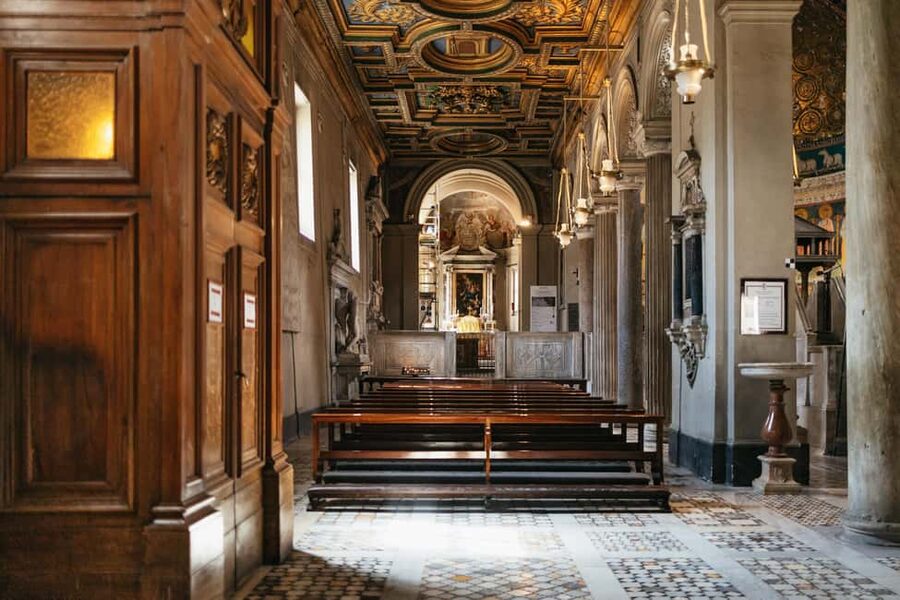
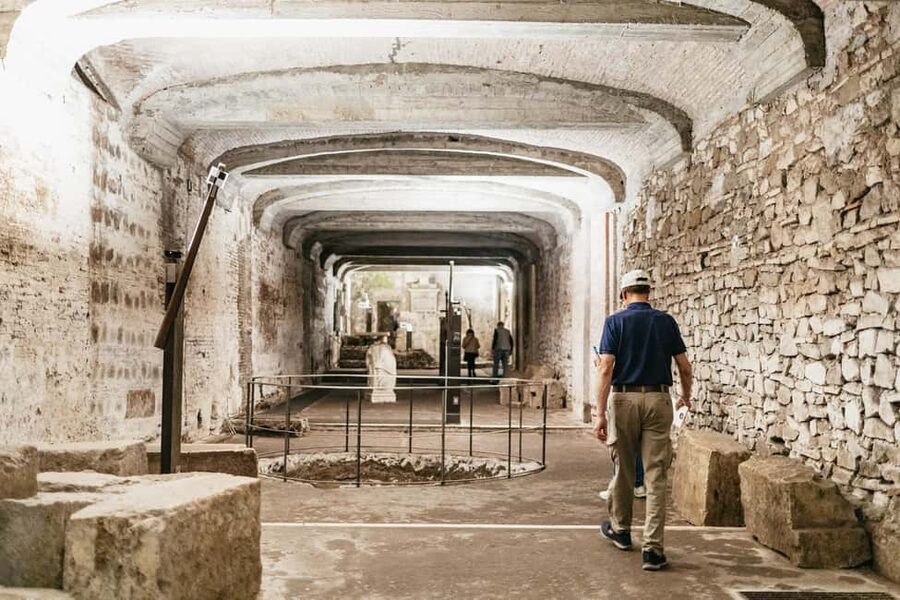
Your guided time begins at the Basilica di San Clemente al Laterano itself. This is the 12th-century church—what you’d usually think is the whole story. It isn’t.
I like this first stop because it sets the visual tone. You’re looking at the style of medieval Rome before you’re confronted with earlier layers. The gold mosaics are the obvious highlight, but what makes them special is context: you’re about to learn that these medieval decorations sit above material older than most visitors even realize is in the same footprint.
Also, the church has a dress code inside: shoulders and knees must be covered. It’s one of those rules that’s easy to manage if you plan for it—just wear something with sleeves and longer bottoms or bring a light layer you can adjust once you’re inside.
Going down: how the tour guides you through Rome’s “layer cake”
After the basilica time, you descend through the underground levels. The big idea is that you’re moving through different phases of occupation, one under the other.
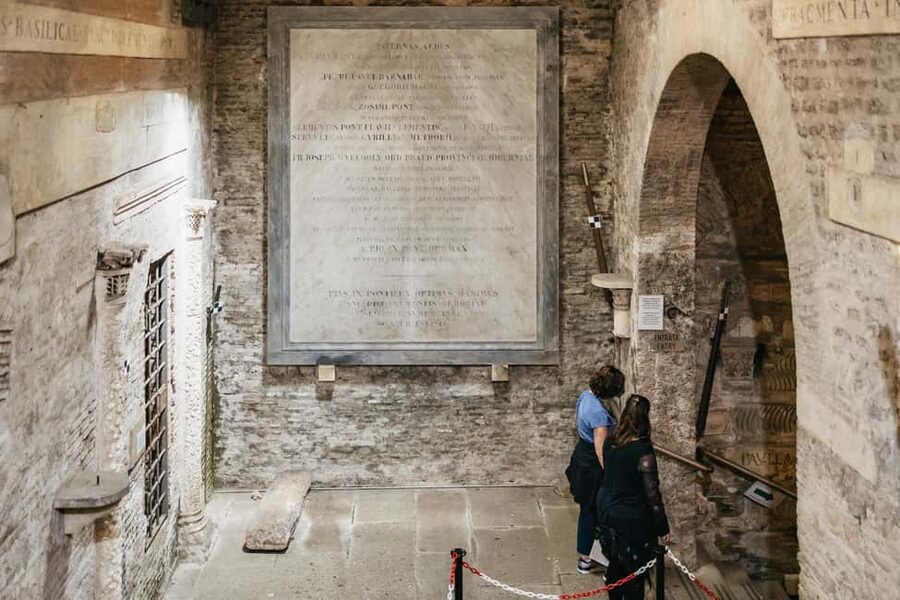
At the first underground level, you see a long-forgotten 4th-century basilica. That’s a key moment. Above, you get medieval art and church architecture. Below, you get an older Christian space that was built and then essentially buried by later construction.
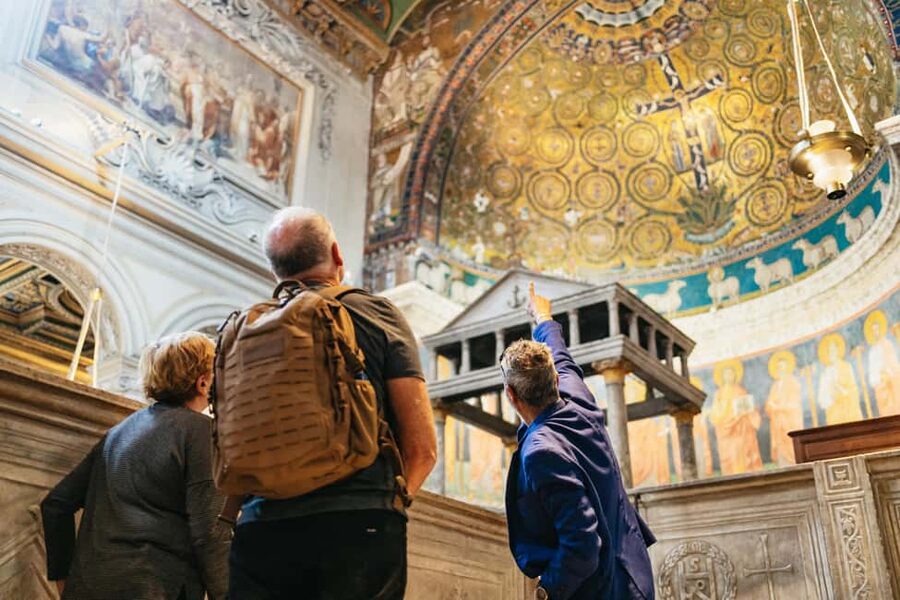
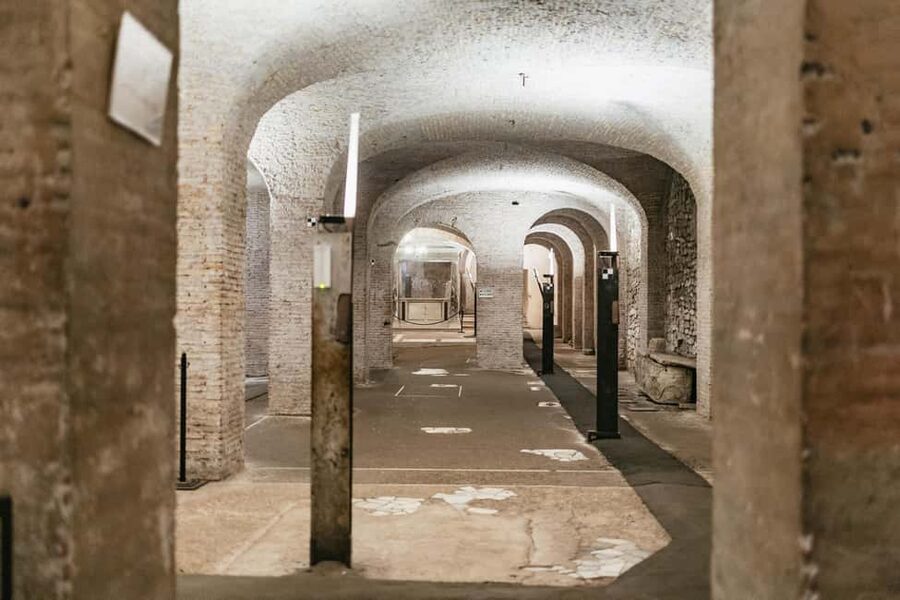
Next, you go deeper and encounter an ancient pagan Mithraic temple. This is where the vertical city really surprises people. Mithraism wasn’t Christian, but you’re seeing how the same physical zone supported different religions at different times. There’s even an altar you can identify as part of the Mithraic worship space.
The final levels take you to the kinds of details that make the whole experience click: evidence of Roman homes and structures, excavated and preserved with care. You’re not just seeing a single “attraction.” You’re seeing the bones of daily life—rooms, remnants, and building choices—stacked under the basilica you started from.
Worth a look next to this Rome booking:
The Mithraic temple and altar: why this section is worth the stairs
This is the moment I’d prioritize if you’re deciding whether the underground part is “optional.”
The Mithraic temple isn’t just a label on a wall. You’re shown the remains and the altar. That altar piece is what turns the site from scenery into something you can understand as worship space. Even if you don’t know much about Mithraism, the guide’s explanation helps you connect what you’re seeing to how people would have used the area.
Also, this segment reinforces why guided interpretation matters. Without guidance, you might focus on the most visible stonework and miss the logic of the layout. With guidance, you start to recognize what the different remains are likely signaling, and the layers stop feeling random.
The 1860 flood discovery story: the reason this site exists at all
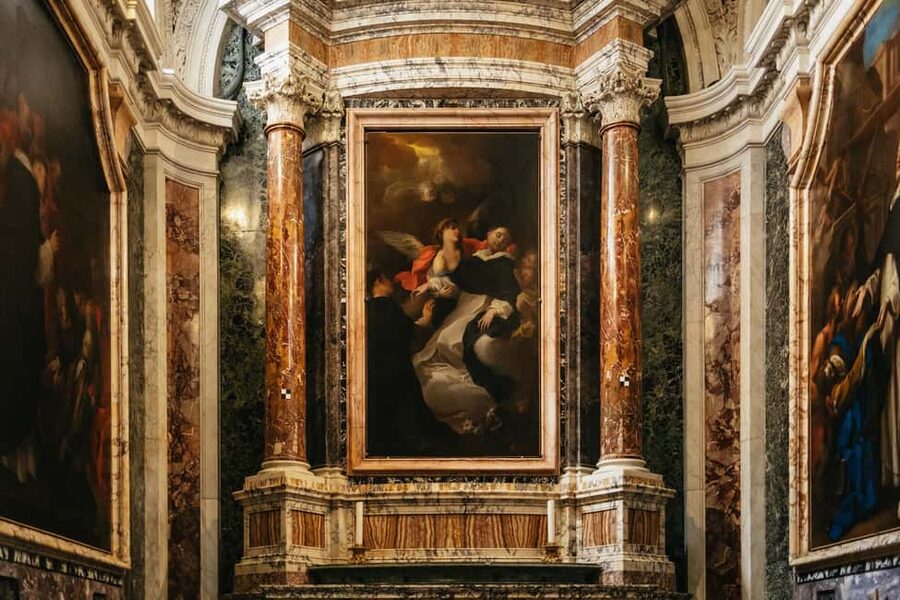
Rome has plenty of ruins. San Clemente is different because it was uncovered by a real-world chain of events.
In 1860, a flood led to the discovery of the levels beneath. An Irish Dominican Roman Catholic priest and archaeologist played a role in uncovering what was below—starting the process that transformed a buried area into a documented archaeological site. You then learn about the underground spring that contributed to the chaos.
This part of the tour is more than trivia. It explains why you can stand in one building and see so many periods. The site wasn’t “waiting quietly” to be discovered. It came to light because water and flooding forced attention to the underground reality already there.
It’s also one of the reasons I think this tour is a great first-time Rome add-on. It gives you a framework for understanding the city’s layers beyond just one monument.
Roman homes and preserved ruins: what to look for in the underground
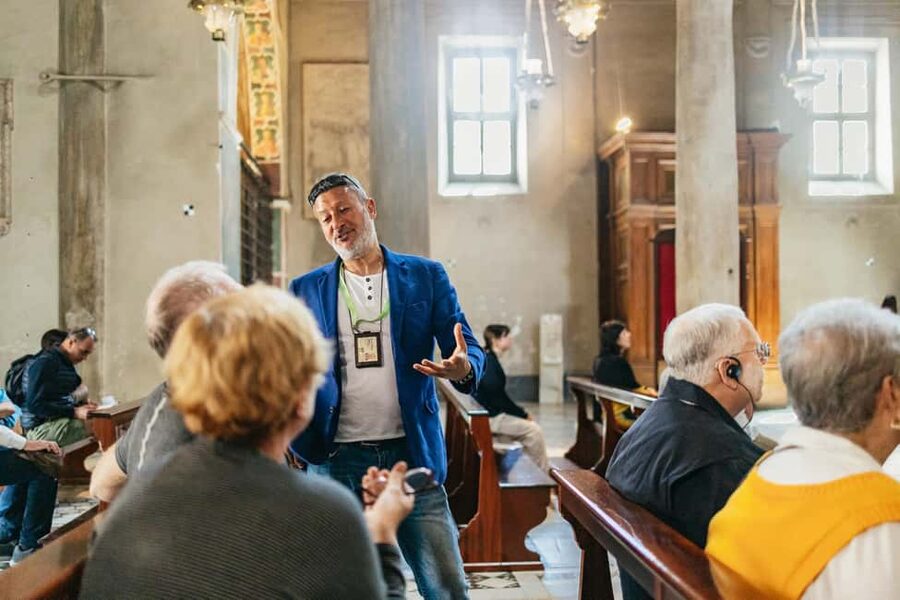
The underground levels include remains of ancient Roman homes—painstakingly excavated and preserved. Even when you don’t know the specific architectural terms, you can still get value out of what’s visible.
Look for the sense of how space would have worked. The site gives you cues about what kinds of rooms and domestic structures existed at the time the area was occupied. Then you compare that to what comes above: the basilica, the later construction, the medieval church.
That contrast is what makes this more than a history lecture. You can physically trace the change in what the place was used for—domestic living, then religious spaces, then medieval church life above, with older structures trapped in the middle.
Photo stops and the no-camera rule: plan your memory, not your camera roll
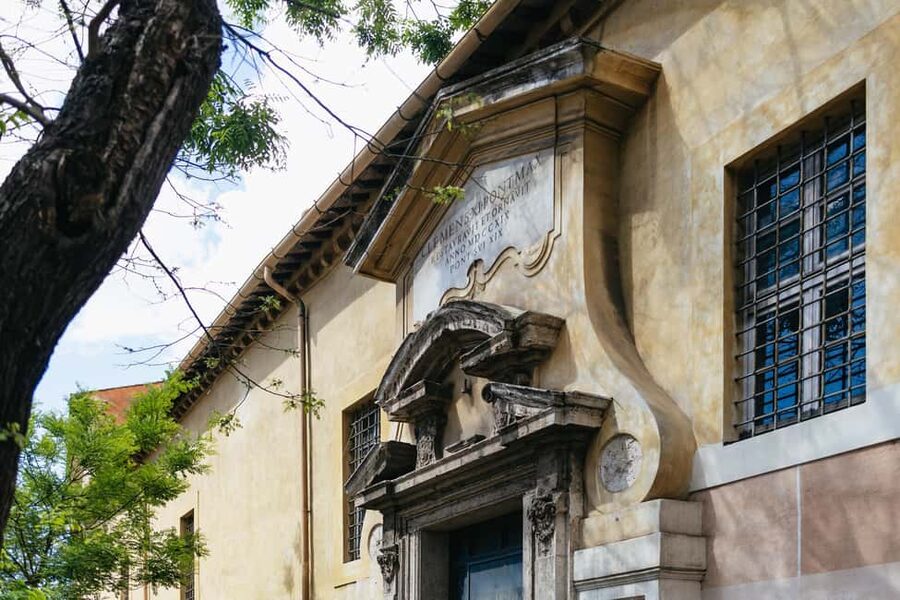
You’ll have built-in photo opportunities during the visit, including a longer photo stop and additional time for visiting. But there’s also a strict rule: cameras are not allowed, and photography inside the church/underground areas is not permitted.
That changes how you should prepare. Instead of relying on photos, slow down during the gold mosaics and the key underground stops. If you like to sketch or take notes, this is the kind of place where that helps a lot.
Because multiple groups can be in the same tight underground spaces, try to position yourself well. If you’re far back, you’ll miss details that matter for understanding the next layer.
Timing, price, and whether 70 USD is good value
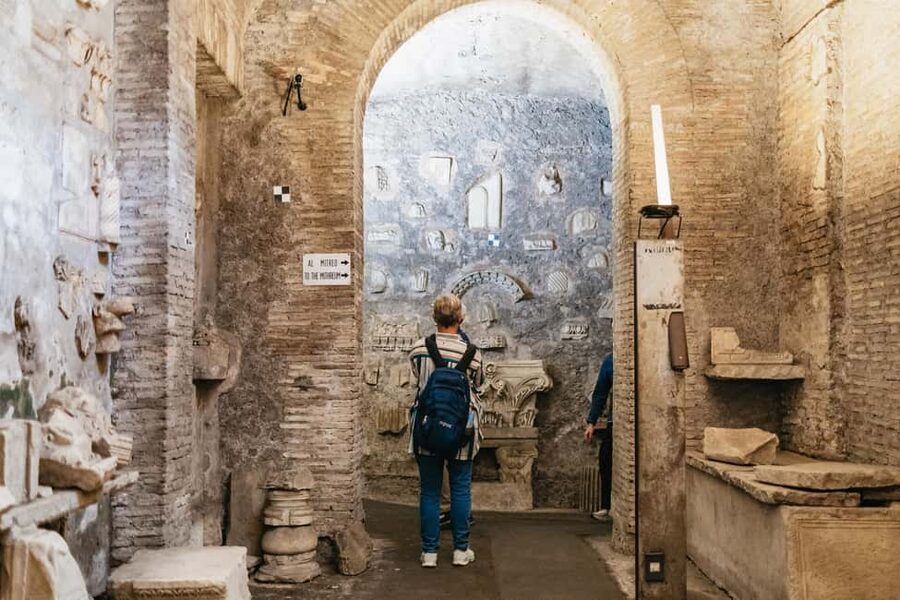
The price is listed at $70 per person, with a duration of about 1.5 hours. That’s not cheap, but for Rome it can be fair—because you’re paying for access to a layered archaeological site plus live guiding through multiple levels.
Here’s how I’d think about value for this particular tour:
- You’re not just seeing one era. You’re seeing the sequence—12th century down to the older structures below.
- You get interpretation that helps you identify what you’re looking at (like the Mithraic altar and the progression of levels).
- You save time with the skip-the-ticket-line option.
If you’re a self-guided museum walker, you might be tempted to go alone. But San Clemente is one of those places where the guide can change the experience from confusion to clarity. With that in mind, $70 can feel like it buys you understanding as much as it buys entry.
Who should book this underground San Clemente tour (and who shouldn’t)
This works best if you:
- Like history you can see in layers, not just read in plaques
- Enjoy guided explanations that connect architecture to worship and everyday life
- Are comfortable climbing and descending stairs on your own
It’s not a good fit if you have mobility impairments or use a wheelchair. The visit includes stair navigation and uneven surfaces, and the tour is designed around people who can move independently.
Also consider the rules: no cameras and a dress code inside. If you’re okay with those constraints, you’ll likely find this tour worth your time.
My practical packing and prep checklist
For comfortable shoes: uneven surfaces underground are part of the deal, and you’ll be walking on stairs.
For layers: the underground levels can be cooler than the outside temperature, so bring something light you can add or remove.
For clothing: shoulders and knees need to be covered inside the church. If you show up in summer outfits, you might feel rushed finding a fix on site, so plan ahead.
And remember the biggest “prep” of all: come ready to watch and listen. Since photography inside isn’t allowed, the experience runs on attention.
Should you book this San Clemente Underground and Basilica tour?
I’d book it if you want a high-impact slice of Rome that isn’t just another big-ticket exterior. San Clemente is the kind of tour that makes the city’s layering logic click—medieval mosaics above, older basilica remains below, and even a Mithraic temple far down.
Skip it if stairs are a problem for you or if strict no-camera rules would feel too limiting. Also, if you hate guided tours in general, this might feel like work rather than discovery—because the guide interpretation is central to making the underground levels legible.
If you’re on the fence, here’s my simple test: if you enjoy “how Rome grew” more than “what Rome looks like,” San Clemente Underground is a smart use of 1.5 hours.
FAQ
How long is the San Clemente Underground and Basilica guided tour?
The tour lasts about 1.5 hours.
Where do I meet for the tour?
Meet near San Clemente Basilica at the corner of Via di S. Giovanni in Laterano, 126. It is an outdoor meeting point, not an office.
What’s the nearest metro stop?
The nearest metro stop is Line B Colosseo.
Is there a live guide, and is the tour in English?
Yes, the tour includes a live guide and it is in English.
Does the tour include the entrance fee?
Yes, the entrance fee to San Clemente Basilica is included.
Can I take photos or record video inside?
No. Cameras are not allowed, and photography inside is not permitted. Video recording is also not allowed.
What should I wear or bring?
Wear comfortable shoes. Dress code inside the church requires shoulders and knees to be covered. Layers help because the underground levels may be cooler.
Is the tour wheelchair accessible?
No. It is not suitable for people with mobility impairments or wheelchair users.
Do I need to climb stairs?
Yes. You must be able to climb and descend stairs on your own.
Is there any way to skip the ticket line?
Yes, the tour includes skipping the ticket line.
More Tours in Rome
- Vatican Museums, Sistine Chapel & St. Peter’s Basilica Tour
★ 4.3 · 73,970 reviews - Vatican Museums, Sistine Chapel & St Peter’s Basilica Guided Tour
★ 4.5 · 39,149 reviews - Rome: Colosseum, Palatine Hill and Roman Forum Guided Tour
★ 4.8 · 32,814 reviews - Rome: Guided Tour of Colosseum, Roman Forum & Palatine Hill
★ 4.7 · 27,897 reviews - Rome: Colosseum, Roman Forum and Palatine Hill Guided Tour
★ 4.5 · 23,903 reviews - Rome: Colosseum Arena Floor, Palatine & Forum Guided Tour
★ 4.5 · 20,180 reviews
More Tour Reviews in Rome
- Vatican Museums, Sistine Chapel & St. Peter’s Basilica Tour
★ 4.3 · 73,970 reviews - Vatican Museums, Sistine Chapel & St Peter’s Basilica Guided Tour
★ 4.5 · 39,149 reviews - Rome: Colosseum, Palatine Hill and Roman Forum Guided Tour
★ 4.8 · 32,814 reviews - Rome: Guided Tour of Colosseum, Roman Forum & Palatine Hill
★ 4.7 · 27,897 reviews - Rome: Colosseum & Forum with Audio Guide App -Optional Arena
★ 4.2 · 24,770 reviews - Rome: Colosseum, Roman Forum and Palatine Hill Guided Tour
★ 4.5 · 23,903 reviews
More at St. Peter's Basilica
- Vatican Museums, Sistine Chapel & St. Peter’s Basilica Tour
★ 4.3 · 73,970 reviews - Vatican Museums, Sistine Chapel & St Peter’s Basilica Guided Tour
★ 4.5 · 39,149 reviews - Rome: Vatican Museums, Sistine Chapel and Basilica Tour
★ 4.3 · 16,039 reviews - Rome: Vatican Museums, Sistine Chapel & Basilica Tour
★ 4.7 · 13,217 reviews - Skip-the-Line Group Tour of the Vatican, Sistine Chapel & St. Peter’s Basilica
★ 4.5 · 12,779 reviews - Rome: St. Peter’s Basilica, Papal Tombs, and Dome Climb Tour
★ 4.5 · 10,099 reviews
Just added to our Rome reviews





St. Peter's Basilica Tours, compared.
 ★ 4.3Vatican Museums, Sistine Chapel & St. Peter’s Basilica TourFrom $7273,970 reviews
 ★ 4.5Vatican Museums, Sistine Chapel & St Peter’s Basilica Guided TourFrom $2239,149 reviews
 ★ 4.3Vatican Museums, Sistine Chapel and Basilica TourFrom $7316,039 reviews
 ★ 4.7Vatican Museums, Sistine Chapel & Basilica TourFrom $7213,217 reviews
 ★ 4.5Skip-the-Line Group Tour of the Vatican, Sistine Chapel & St. Peter’s BasilicaFrom $3012,779 reviews
★ 4.6Vatican Museums, Sistine Chapel & St Peter’s Basilica TourFrom $6810,222 reviews
 ★ 4.5St. Peter’s Basilica, Papal Tombs, and Dome Climb TourFrom $6410,099 reviews
 ★ 4.2Vatican, Sistine Chapel & St. Peter’s Basilica TourFrom $759,089 reviews
Browse the lists this tour appears in