
Reviewed · TOURS
Rome: Saint Paul Outside the Walls Tour
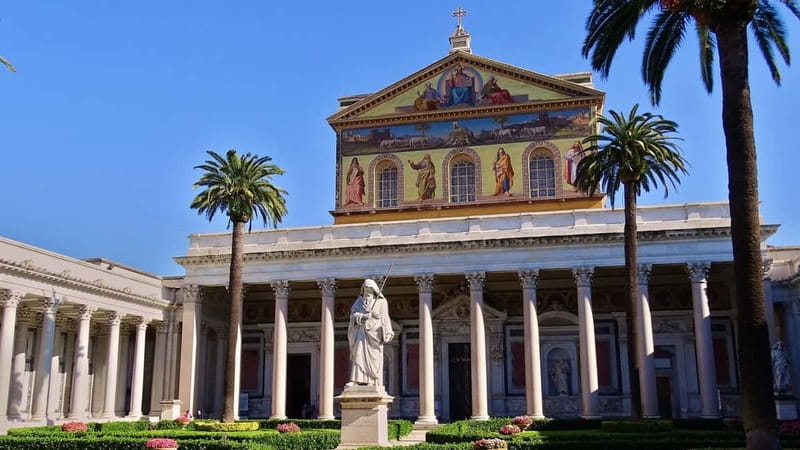
Golden mosaics, calm prayers, and one surprising story. A guided visit to San Paolo Fuori le Mura turns Saint Paul’s final resting place and the church’s 19th-century rebirth into something you can actually picture, especially the golden mosaics and Pope medallions.
I also like the small group setup, limited to just 6 people, with Mykhailo Hevko guiding you through what you’re seeing instead of rushing past it. One thing to consider: if you are picky about accents, his English delivery may feel harder to follow than the tour’s other languages.
In This Review
- Key points at a glance
- Why St. Paul Outside the Walls feels calmer than the big sights
- Parco Schuster meetup: how the small-group timing works
- Golden mosaics and the triumphal arch once you step inside
- The long line of Pope medallions and what they signal
- The tomb of Saint Paul beneath the main altar
- From burial site to 19th-century rebuild after a fire
- Cloister and Benedictine Abbey: when the optional €4 fee is worth it
- Mykhailo Hevko’s guiding style and language expectations
- Dress code and rules that keep the visit respectful
- Price of about $29: value for a one-hour guided art-and-faith stop
- Who this tour suits best in a Rome plan
- Should you book this Saint Paul Outside the Walls tour
- FAQ
- How long is the St. Paul Outside the Walls guided tour?
- Where does the tour start?
- What languages are available?
- Is the cloister included?
- What should I wear for this tour?
- Is there free cancellation?
Key points at a glance
- One hour, focused pacing from start to finish
- St. Paul’s tomb beneath the main altar for quiet reflection
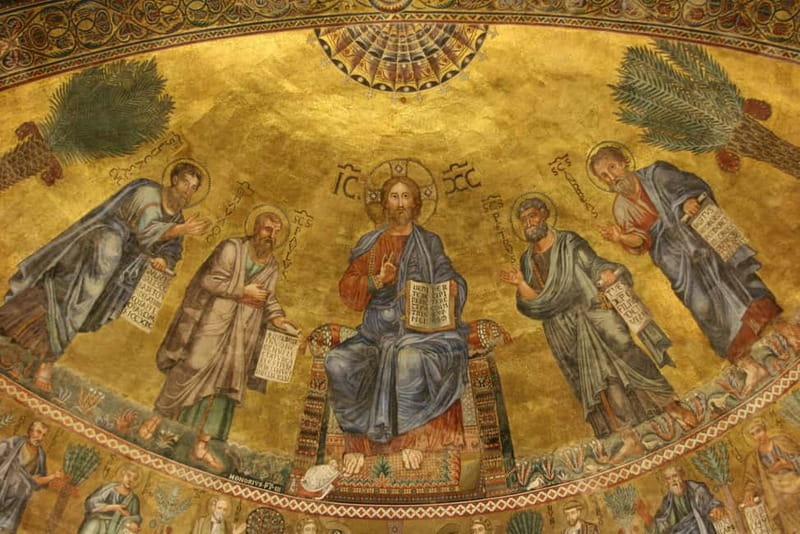
- Golden mosaics, triumphal arch, and Pope medallions you can’t fully appreciate on your own
- Optional cloister and Benedictine Abbey with a €4 entrance fee
- Small group of up to 6 for better questions and slower storytelling
- English, Italian, and Ukrainian available
Why St. Paul Outside the Walls feels calmer than the big sights
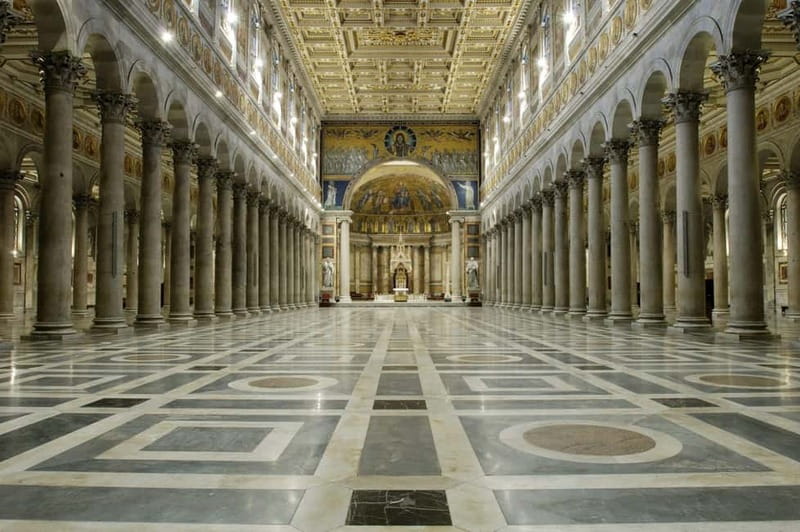
Rome has plenty of famous churches, but San Paolo Fuori le Mura has a different rhythm. Even when you’re surrounded by worshippers and visitors, the space supports slower looking: long sightlines, serene interior light, and art that seems meant for contemplation, not crowd control.
What I like most is that the tour doesn’t treat this as a quick photo stop. You spend time on the key visual messages—how the church connects to Saint Paul, how it signals papal continuity through the Pope medallions, and how the architecture and decoration work together to create a “come in, be still” mood.
If you want a Rome church visit that feels meaningful and not just scenic, this one has the right tone.
Weighing this one up? Here is how a few Rome favourites compare:
- Vatican Museums, Sistine Chapel & St. Peter’s Basilica Tour
★ 4.3 · 73,970 reviews - Vatican Museums, Sistine Chapel & St Peter’s Basilica Guided Tour
★ 4.5 · 39,149 reviews - Rome: Colosseum, Palatine Hill and Roman Forum Guided Tour
★ 4.8 · 32,814 reviews - Rome: Guided Tour of Colosseum, Roman Forum & Palatine Hill
★ 4.7 · 27,897 reviews
Parco Schuster meetup: how the small-group timing works
This tour is built for a short window in your day: near 1 hour total, with the guided portion clocking in around 40 minutes inside the basilica. You’ll meet at Parco Schuster, in the park area near the basilica. Plan to arrive 10–15 minutes early so you can find the guide without stress.
The small group size (max 6 participants) matters here. It means you’re not hearing a monologue while trying to fight for position in a doorway. Instead, you’re more likely to get clear answers, and the guide can point out details without everyone constantly shifting.
You’ll finish at the basilica itself (the location is the basilica area), so you’re not scrambling across town afterward.
Golden mosaics and the triumphal arch once you step inside
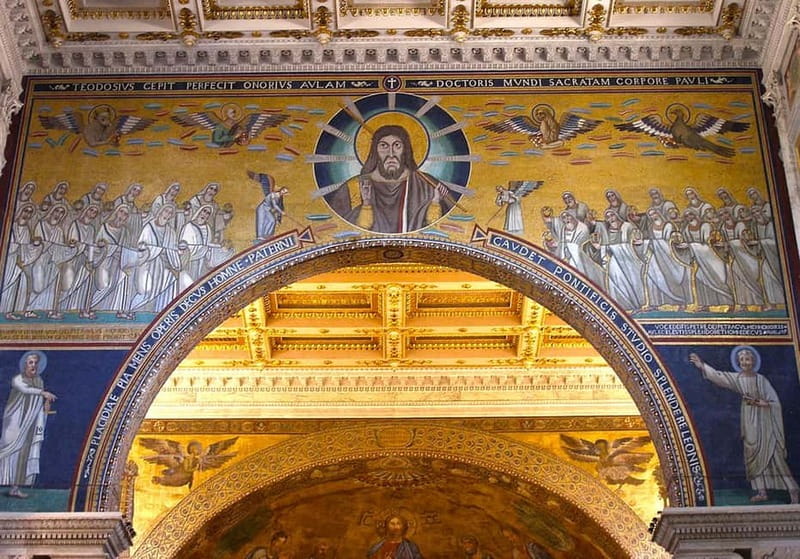
The first payoff happens as soon as you enter. The basilica interior is vast and serene, and the decoration has a glowing quality that’s hard to get from a guidebook photo. One of the major sights you’ll focus on is the luminous golden mosaics, which help set the spiritual atmosphere right away.
You’ll also look at the imposing triumphal arch. In a lot of churches, arches are just background. Here, the guide’s stories help you read the arch as part of the basilica’s message—how space, symbolism, and religious meaning get built into the architecture.
A practical tip: go in with the mindset of slow scanning. Look for what catches your eye first (usually color or gold), then let the guide show you the next layer. That’s when the place starts feeling like it has a narrative, not just decoration.
The long line of Pope medallions and what they signal
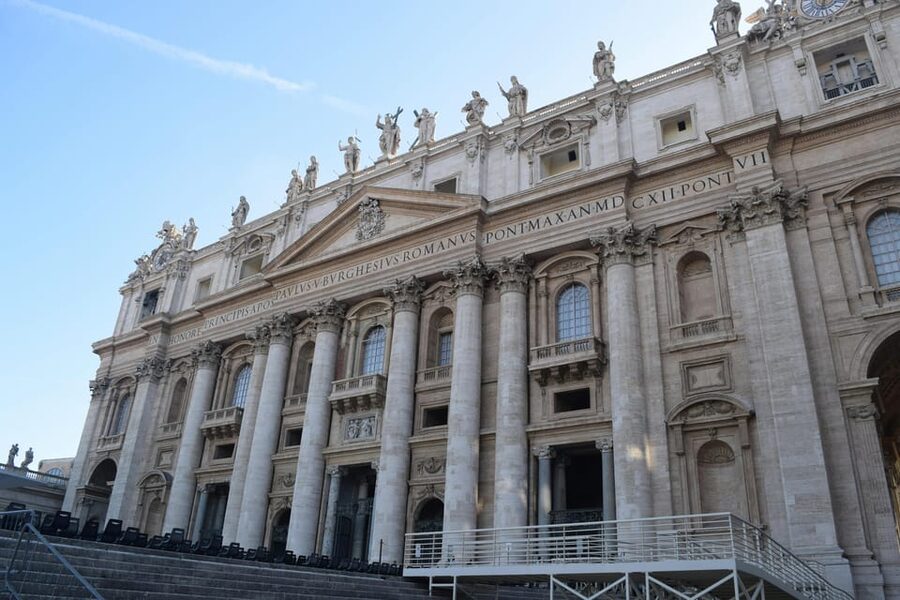
One of the basilica’s standout visual features is a long row of medallions showing the Popes from Saint Peter to the present day. On your own, it’s easy to notice the artwork and still miss the point. With a guide, you can understand why this design matters.
Those medallions turn the church into a statement of continuity. They link the present community to the earliest roots of the Church, using a very human timeline format—faces and names in sequence. It’s not abstract. You can track it like a visual calendar.
If you like religious art that actually explains itself, you’ll appreciate that the tour focuses on interpretation: what you’re looking at, what it represents, and how it fits into the basilica’s identity as one of Rome’s four major papal basilicas.
The tomb of Saint Paul beneath the main altar
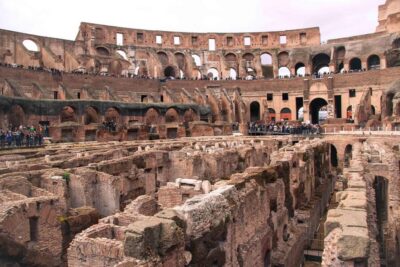
The heart of this visit is the place people come to pray: the tomb of Saint Paul beneath the main altar. This is one of those moments where “look at the art” turns into “pay attention to the space.” The tour helps you understand why pilgrims value this spot, and how the basilica frames Saint Paul’s story within a larger spiritual setting.
Don’t rush this part. Even if you’re not religious, you’ll likely feel the mood shift. The basilica is designed for reflection, and the tomb area is where the building’s quiet purpose becomes obvious.
If you’re traveling with someone who prays or lights candles, this stop is also a gift. It gives them something concrete and specific, not just a sightseeing checklist item.
From burial site to 19th-century rebuild after a fire
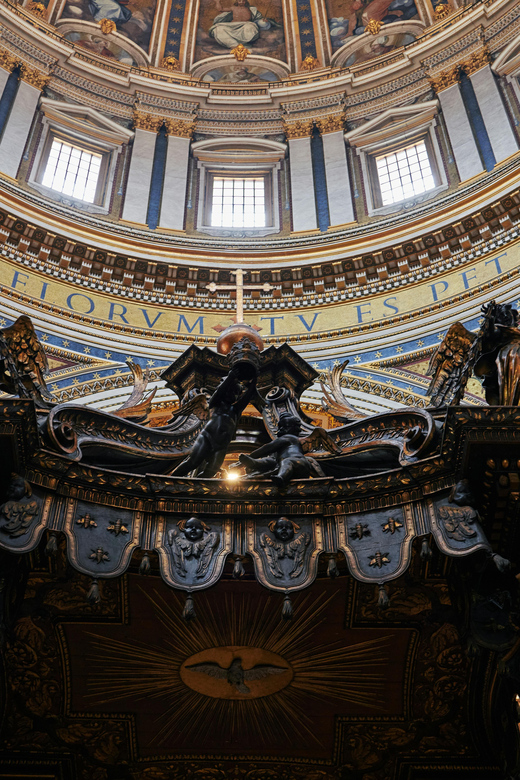
San Paolo Fuori le Mura has a dramatic backstory, and it’s one of the reasons the tour feels more than decorative. The basilica was built over the burial site of Saint Paul the Apostle, then it was rebuilt after a devastating fire in the 19th century.
That “reborn from the ashes” theme isn’t just dramatic marketing. It changes how you read the church. You’re not looking at a static monument; you’re looking at a site where history was interrupted, repaired, and carried forward. The guide’s role is key here: instead of listing dates, you’ll connect the rebuild to what you see today—how the basilica’s form and decoration support its spiritual mission.
If you like history that explains the present, you’ll get a lot out of this section.
Cloister and Benedictine Abbey: when the optional €4 fee is worth it
The tour includes the basilica guided visit, and the cloister is optional. If you choose it, there’s an additional entrance fee of €4. The cloister is described as a peaceful oasis with medieval art, and that’s exactly what makes it different from the main church.
In plain terms: if the basilica is “public worship space,” the cloister is “slow down space.” It’s the kind of area where you’ll enjoy quiet details—stonework, medieval mood, and that sense of being set apart from the street noise.
Here’s the consideration: since the main tour is already tight on time, only add the cloister if you genuinely like lingering. If your schedule is packed, you may be happier staying focused on the basilica’s main highlights.
Mykhailo Hevko’s guiding style and language expectations
You’ll meet Mykhailo Hevko, and the best part is that the tour storytelling is shaped by a personal angle. One Italian-language account highlights his clear Italian, gentle approach, and competence, plus the fact that he can bring a religious perspective because he’s studying theology. That can make the explanations feel more connected to faith, not just art history.
Language availability is a plus: the tour runs in English, Ukrainian, and Italian. But here’s the balance point: one English-focused experience noted that his English may come with a strong accent, and that could matter if you want very smooth, easy-to-follow English.
My practical advice: pick the language you’re most comfortable understanding quickly. If you’re traveling with someone who knows Italian or Ukrainian well, that may be the best way to get the full experience without mental translation.
Dress code and rules that keep the visit respectful
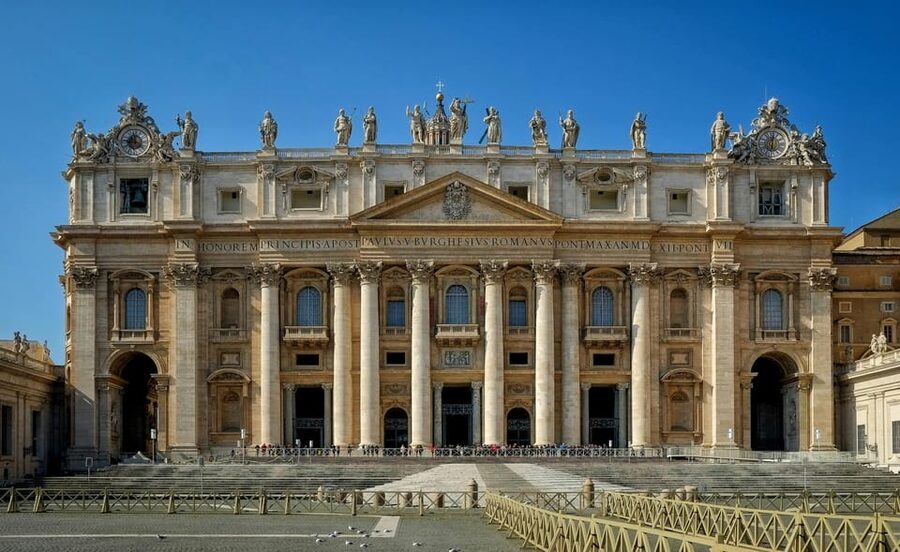
This is a sacred site, so dress matters. Plan to arrive with shoulders covered and knees covered. This isn’t just etiquette; it helps you avoid last-minute issues right at the entrance.
Also watch the site rules. Short skirts aren’t allowed, and you should avoid things like alcohol and drugs. The tour also lists no weapons or sharp objects, and no glass objects. It’s mostly common-sense stuff, but it’s worth thinking about if you’re carrying a bottle or bringing any bulky items.
If you’re visiting in warm weather, wear breathable layers. Think lightweight scarf or shawl for shoulders and pants or a long skirt for knees. You’ll stay comfortable and respectful at the same time.
Price of about $29: value for a one-hour guided art-and-faith stop
At about $29 per person, this tour is priced like a short guided experience, not a half-day commitment. The value comes from what’s included: a guided visit that helps you interpret the golden mosaics, the triumphal arch, and the Pope medallions—plus the central meaning of Saint Paul’s tomb.
You do pay extra if you add the cloister (that €4 entrance fee), but the core experience stands on its own. For many visitors, that’s the sweet spot: enough structure to make the basilica feel like more than a room full of gold, without eating your whole afternoon.
If you’re doing Rome at a fast pace, the short duration can actually be a benefit. You get a spiritual and artistic anchor point without losing the rest of your day.
Who this tour suits best in a Rome plan
This tour is ideal if you want a meaningful church visit with clear interpretation. It fits well for first-time Rome visitors who want one of the major papal basilicas but don’t want a “wander and hope you get it” experience.
It also works great for people who enjoy religious art and symbolism—especially if you like knowing what you’re looking at, not just taking pictures. The tomb stop gives it a personal center, while the mosaics and Pope medallions add visual context.
One more reason it can be a good fit: the group size is small, and the tour is available in multiple languages. So you can match the experience to how you like to learn—through history, through faith context, or both.
Should you book this Saint Paul Outside the Walls tour
If your goal is to visit a major Roman basilica and actually understand it, I’d book this. The combination of Saint Paul’s tomb, the basilica’s standout visuals, and an interpretive guide makes the hour feel purposeful, not rushed.
Skip it only if you want a strictly self-guided visit with no storytelling at all. This tour is built around being told what to look for and why it matters. If that’s your style, you’ll likely enjoy the pacing and the calm atmosphere here.
My final take: for around $29, in a city where time is expensive, this is a strong way to get a high-value, emotionally grounded stop.
FAQ
How long is the St. Paul Outside the Walls guided tour?
The tour runs for about 1 hour total, with the guided portion inside the basilica lasting around 40 minutes.
Where does the tour start?
Meet at Parco Schuster in the park area near the basilica. The guide will send instructions so you can recognize them, and you should arrive 10–15 minutes early.
What languages are available?
The tour is available in English, Italian, and Ukrainian.
Is the cloister included?
The cloister visit is optional. If you add it, there is an additional entrance fee of €4.
What should I wear for this tour?
Dress appropriately for a sacred place. Your shoulders and knees must be covered.
Is there free cancellation?
Yes. You can cancel up to 24 hours in advance for a full refund.
More Tours in Rome
- Vatican Museums, Sistine Chapel & St. Peter’s Basilica Tour
★ 4.3 · 73,970 reviews - Vatican Museums, Sistine Chapel & St Peter’s Basilica Guided Tour
★ 4.5 · 39,149 reviews - Rome: Colosseum, Palatine Hill and Roman Forum Guided Tour
★ 4.8 · 32,814 reviews - Rome: Guided Tour of Colosseum, Roman Forum & Palatine Hill
★ 4.7 · 27,897 reviews - Rome: Colosseum, Roman Forum and Palatine Hill Guided Tour
★ 4.5 · 23,903 reviews - Rome: Colosseum Arena Floor, Palatine & Forum Guided Tour
★ 4.5 · 20,180 reviews
More Tour Reviews in Rome
- Vatican Museums, Sistine Chapel & St. Peter’s Basilica Tour
★ 4.3 · 73,970 reviews - Vatican Museums, Sistine Chapel & St Peter’s Basilica Guided Tour
★ 4.5 · 39,149 reviews - Rome: Colosseum, Palatine Hill and Roman Forum Guided Tour
★ 4.8 · 32,814 reviews - Rome: Guided Tour of Colosseum, Roman Forum & Palatine Hill
★ 4.7 · 27,897 reviews - Rome: Colosseum & Forum with Audio Guide App -Optional Arena
★ 4.2 · 24,770 reviews - Rome: Colosseum, Roman Forum and Palatine Hill Guided Tour
★ 4.5 · 23,903 reviews
Just added to our Rome reviews





Tours, compared.
 ★ 4.3Vatican Museums, Sistine Chapel & St. Peter’s Basilica TourFrom $7273,970 reviews
 ★ 4.5Vatican Museums, Sistine Chapel & St Peter’s Basilica Guided TourFrom $2239,149 reviews
 ★ 4.8Colosseum, Palatine Hill and Roman Forum Guided TourFrom $5232,814 reviews
 ★ 4.7Guided Tour of Colosseum, Roman Forum & Palatine HillFrom $5527,897 reviews
 ★ 4.5Colosseum, Roman Forum and Palatine Hill Guided TourFrom $5923,903 reviews
 ★ 4.5Colosseum Arena Floor, Palatine & Forum Guided TourFrom $4120,180 reviews
 ★ 4.3Vatican Museums, Sistine Chapel and Basilica TourFrom $7316,039 reviews
 ★ 4.7Colosseum Arena, Palatine Hill & Forum Guided TourFrom $8414,510 reviews