
Reviewed · WALKING TOURS
Rome: Private Walking Tour of Highlights & Secret Spots
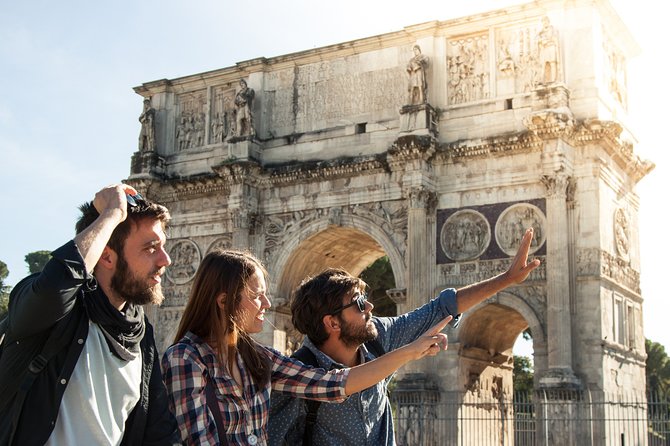
Rome is more fun when you skip the script. This private walking tour is built for first-timers and returners alike, using a local lens to connect major sights with the smaller, street-level scenes that make Rome feel like a city, not a museum. You’ll hit baroque Rome and ancient landmarks, and you’ll also get a traditional street-food tasting that feels genuinely Roman.
Two things I really like: you don’t just see famous buildings—you learn how they relate to daily life, power, and faith across centuries. And the tour is described as personalized, with guides like Daniel, Enzo, Juan, and Claudio standing out for history knowledge, clear English, and keeping the group safe and at the right pace.
One thing to consider: finding the guide at the start can take a minute, since the meeting point is at a specific church in a busy area. Once you’re together, though, the walk is smooth and well paced.
In This Review
- Key Highlights You’ll Actually Feel
- A 3-Hour Private Walk That Feels Like Rome With a Friend
- Chiesa di Sant’Ignazio di Loyola to the Pantheon: Baroque Meets Engineering
- Piazza S. Eustachio Supplí: A Taste of Rome You Can’t Fake
- Piazza Navona to the Giordano Bruno Area: Squares, Palaces, and a Real Market Mood
- Largo Argentina and the Jewish Ghetto: Power, Assassination, and a Neighborhood That Still Feels Old
- Teatro di Marcello to Portunus and Hercules Victor: Where Roman Grandeur Gets Practical
- Mouth of Truth and Circo Massimo: Legends and the Rome of Everyday Spectacle
- Tiber Island Views and a Spot Where Decisions Changed Europe
- What $117.62 Buys in a 3-Hour Private Rome Walk
- Who Should Book This Tour
- Should You Book This Rome Highlights and Secret Spots Walk?
- FAQ
- How long is the Rome private walking tour?
- Is this tour private or shared?
- Is the tour offered in English?
- Where does the tour start and where does it end?
- Are tickets included for the Pantheon?
- Are any stops free to enter?
- How far in advance should I book?
- What is the cancellation policy?
Key Highlights You’ll Actually Feel
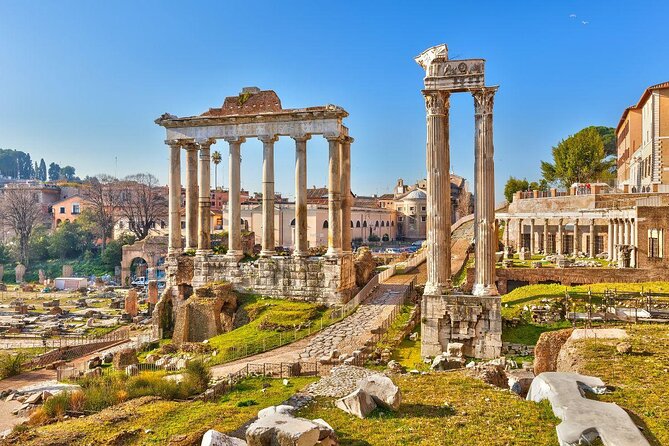
- Private, group-only experience that adjusts to your pace and questions (not a factory-style tour)
- Baroque inside Rome’s big-name spots, starting at Chiesa di Sant’Ignazio di Loyola’s frescoed ceiling
- Street-food tasting moments, including supplí in Piazza S. Eustachio
- A walk through layered Rome, from Julius Caesar’s assassination site at Largo Argentina to the Jewish Ghetto
- Ancient theatre and marble temples, including Teatro di Marcello, Temple of Portunus, and Hercules Victor
- Legend stops that keep it fun, like the Mouth of Truth, plus Circo Massimo’s chariot-racing past
A 3-Hour Private Walk That Feels Like Rome With a Friend
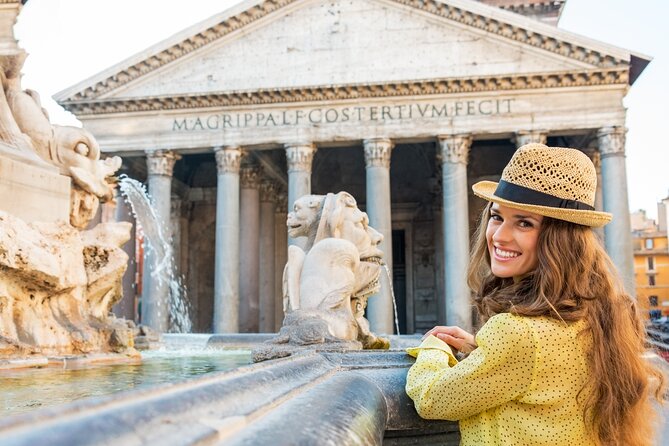
This is a private walking tour, meaning it’s only your group. That matters in Rome, where you can lose time to crowds, slow walking, and constant “where are we going next?” moments. With a guide, you get a clear route and a steady flow—plus the confidence that you’re not wandering off on your own halfway to something important.
The best part is how the experience is framed: you’re meant to see Rome through local eyes, going beyond the guidebook checklist. You’ll stop often, not just to look, but to understand what you’re standing in front of—whether it’s a baroque church interior, a Roman temple, or a square that’s been the city’s living room for centuries.
Guides connected to this experience are repeatedly praised for being professional and accommodating. Daniel, for instance, is described as excellent with questions and careful about group safety, while Claudio is noted for flexibility in schedule without skipping the major sights. If you like tours that feel calm and human, this one tends to hit that sweet spot.
Worth a look next to this Rome booking:
- Rome: Guided Food Walking Tour with Wine in Trastevere
★ 4.9 · 3,105 reviews - Rome: Trastevere & Campo de Fiori Street Food Walking Tour
★ 4.9 · 2,768 reviews - Rome: Paranormal Night Walking Tour & Secret Backstreets
★ 4.9 · 1,921 reviews - Rome: Trastevere Street Food Walking Tour with Local Expert
★ 4.8 · 1,784 reviews
Chiesa di Sant’Ignazio di Loyola to the Pantheon: Baroque Meets Engineering
The tour begins at Chiesa di Sant’Ignazio di Loyola, and it’s a smart start. This church is known for a breathtaking frescoed ceiling and a classic baroque feel—ornate, dramatic, and made to catch your eye even if you’re walking fast. Expect a short stop where your guide points out what to look for so you don’t miss the details that make baroque art work.
Next comes the Pantheon, one of the most impressive feats of ancient engineering you’ll ever see in person. Even if you’ve seen photos, standing near it helps you grasp why emperors dedicated it to their gods. The Pantheon stop is brief, and admission isn’t included, so you may need to plan on buying entry separately if you want to go inside during your timing. The payoff is that your guide can set the context quickly so it’s not just a quick photo moment.
Practical note: with places like the Pantheon, the “value” of your guide is timing and interpretation. You’ll get more meaning from the stop if you arrive with comfortable expectations: it’s fast, but guided.
Piazza S. Eustachio Supplí: A Taste of Rome You Can’t Fake
Rome has plenty of food tours that turn into a snack parade. This one is more focused. At Piazza di S. Eustachio, you’ll do a tasting of supplí and something described as cheese-hearted Roman food. It’s a great stop for jet-lag mornings or after a couple of hours of walking when you want something warm, local, and immediate.
This is also where the tour shifts from monuments to texture. Instead of only “big stone stuff,” you get flavors tied to street life. That’s the kind of memory that sticks: not just what a building is, but what it tastes like nearby.
If you have food restrictions, you’ll want to check with your guide ahead of time. The data here confirms there is a tasting, but it doesn’t specify dietary accommodations—so it’s worth asking early.
Piazza Navona to the Giordano Bruno Area: Squares, Palaces, and a Real Market Mood
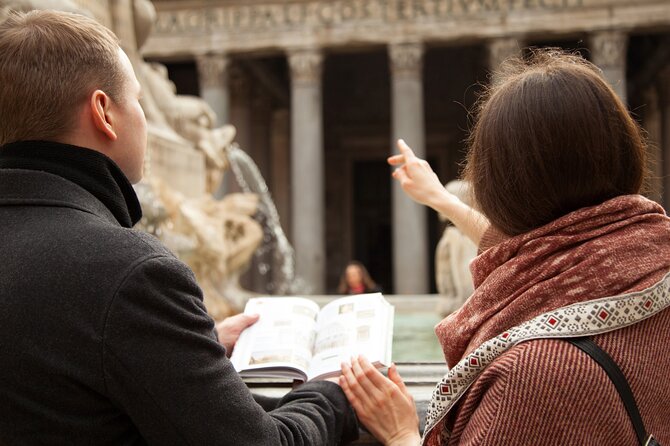
Piazza Navona is one of those places where people say famous things like it’s obvious, but the reality is still worth it. You’ll walk along the elegant square, see fountains, and take in the baroque palaces that face inward. Street art and colorful street life are part of the vibe, and the stop works well as a reset point—wide space, lots to look at, and a chance to catch your breath.
Then the tour heads to a local market area near Monumento a Giordano Bruno, where you can explore delicacies and learn about why Italian food products are considered among the best in the world. This isn’t a cooking class, and it’s not trying to be. It’s a taste-of-place stop that helps you connect the food you eat with the ingredients and culture that produce them.
If you want to understand Rome beyond what’s labeled on tickets, this market moment helps. It’s where your day stops feeling like a montage of landmarks.
Worth a look next to this Rome booking:


Largo Argentina and the Jewish Ghetto: Power, Assassination, and a Neighborhood That Still Feels Old
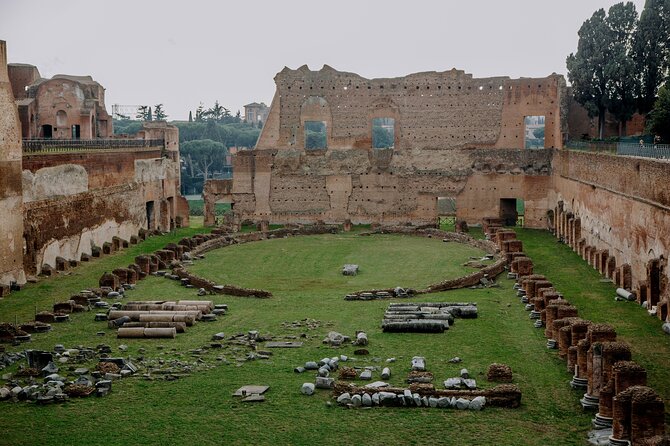
This part of the walk is the most dramatic emotionally. You’ll visit the Area Sacra di Largo Argentina, where archaeological ruins mark the fatal spot connected to Julius Caesar’s murder. It’s one of those places where you look at what remains and immediately understand how huge the political stakes were. The stop is short, but it’s memorable because of what happened there and what the site has become: a city layer you can stand inside.
From there, you move into the Jewish Ghetto area, often described as a secret neighborhood that feels frozen in authenticity. The key value here isn’t only the history—it’s atmosphere. You’re seeing how Rome holds old life inside modern streets. Even if you’ve visited other historic districts, the feeling is distinct because it’s a living neighborhood, not a theme set.
This is also a good moment for photos, but keep it respectful. Places with living communities and sacred history deserve a quieter pace.
Teatro di Marcello to Portunus and Hercules Victor: Where Roman Grandeur Gets Practical
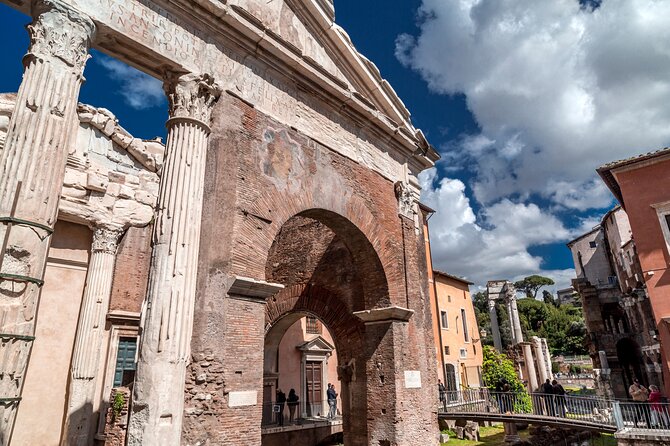
The walk continues with major ancient structures, and this is where the tour earns its title of highlights plus secret spots. Teatro di Marcello is a building that mattered a lot in the 1st century as the largest and most important theatre in Rome. Even without entering anything, the scale comes through when you’re there. It’s easier to picture entertainment and crowds once you’re standing near the structure instead of looking at a distant landmark.
Next is the Temple of Portunus, built to Portunus, the god of the harbors, in the 2nd century near the Tiber port. It’s a great contrast to the theatre: theatre is public spectacle; this temple is connected to the movement of goods and the practical world of Rome. Your guide can connect that meaning quickly so you see it as more than old stone.
Then you’ll see the Temple of Hercules Victor, described as the oldest marble building still preserved in Rome. That’s a bold claim, and it matters because marble survival gives you a rare chance to see ancient craftsmanship close up. The stop is set up for learning, not speed-scrolling photos.
For these three stops, admission isn’t included for you from the tour details. That doesn’t mean you can’t view them, but it does mean you might need to pay if you want entry into specific areas depending on access on the day.
Mouth of Truth and Circo Massimo: Legends and the Rome of Everyday Spectacle

The Mouth of Truth is one of the most famous Roman legends, tied to a marble mask and the idea that you’ll see if you dare to try it. Even if you’re not into myths, it’s a fun break from ruins and temples. It’s also a moment that brings humor back into the walk—Rome can be heavy, so this lightens the day.
After that, the tour heads to Circo Massimo, the circus where Romans organized games, performances, and chariot races. You’re not just seeing a big open area—you’re connecting it to a specific kind of ancient public life. With your guide explaining how the spectacle worked, it helps you picture not only what took place, but why people cared.
A good tip here: take a moment to look around. Circo Massimo is best understood when you can orient yourself in space and imagine where crowds would have been.
Tiber Island Views and a Spot Where Decisions Changed Europe
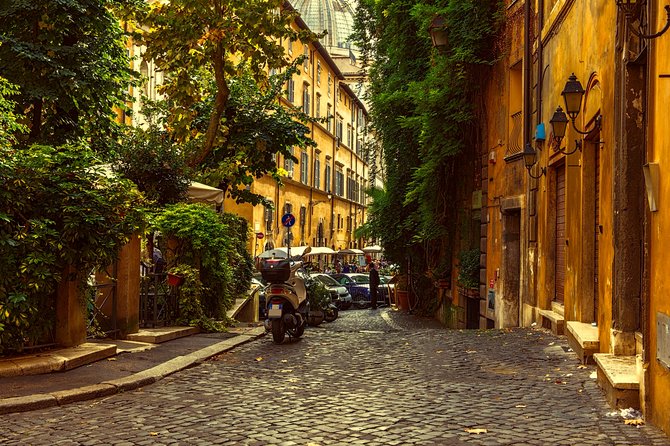
Near the end, you’ll cross toward Tiber Island, which is shaped like a boat and offers great viewpoints as you look out across the river. It’s a nice “wrap-up” stop because it lets your eyes rest on water and lines instead of more stone and steps.
There’s also an extra stop where you take a look at the place where rulers of the most powerful empire decided the fates of old Europe. The exact site name isn’t provided in the tour details you shared, but the intent is clear: you get one last big-picture moment about power. In Rome, those moments make the smaller stops click.
What $117.62 Buys in a 3-Hour Private Rome Walk
At $117.62 per person for about 3 hours, this tour isn’t trying to be the cheapest way to see Rome. It’s priced like a value-focused private walk—meaning you’re paying for time with a guide, not just entry to sights.
Here’s what you’re getting for the money based on the tour information:
- Private group-only format, so you’re not squeezed into a large crowd
- Mobile ticket, which helps keep the start simple
- English-speaking guide
- A street-food tasting, including supplí and a cheese-forward Roman food bite
- A route packed with major highlights plus less-obvious stops like the Portunus and Hercules Victor temples, and the Jewish Ghetto area
And here’s what might affect your final cost:
- Some major sites list admission not included—including the Pantheon, Teatro di Marcello, Temple of Portunus, and Temple of Hercules Victor.
So the value question becomes simple: if you want a guided, paced route with food and interpretation, paying for a private experience can feel fair. If you mostly care about ticketed monuments and self-guided wandering sounds best, you could spend less. But if you like understanding what you’re seeing while you’re walking, this tour is built for that.
Who Should Book This Tour
This tour fits you well if:
- You want a first-time Rome mini-overview that doesn’t feel shallow
- You like food stops that are part of the day, not an afterthought
- You prefer a private guide who can slow down when you ask questions
- You want the “beyond the guidebooks” feeling, especially around neighborhoods and smaller historical corners
You might want to think twice if you:
- Want only ticketed museum interiors and long time inside big monuments (several major ones here are short stops)
- Hate the idea of paying separate admissions for places marked not included
- Are very strict about meeting points and prefer extremely easy “hit exact GPS and go” starts
Should You Book This Rome Highlights and Secret Spots Walk?
Yes, if you want a 3-hour private day that blends big-name Rome with local street life, and you’re excited to understand what you’re looking at while you walk. The experience’s standout strength is the guide quality and pacing—people like Daniel and Claudio are praised for knowledge, English, professionalism, and making sure you don’t feel rushed or unsafe.
Book it especially if you’re going to do a lot of Rome by yourself later and want a foundation first. You’ll leave knowing how the sites connect—baroque art, imperial power, public spectacle, and everyday neighborhoods all in one coherent walk.
If you’re coming soon, aim to reserve early. This tour is commonly booked about 67 days in advance, which is a good sign it moves fast for the dates when you’ll want it most.
FAQ
How long is the Rome private walking tour?
The tour lasts about 3 hours.
Is this tour private or shared?
It’s a private tour/activity, so only your group participates.
Is the tour offered in English?
Yes, it’s offered in English.
Where does the tour start and where does it end?
The tour starts at Chiesa di Sant’Ignazio di Loyola (Piazza S. Ignazio) and ends at Tiber Island.
Are tickets included for the Pantheon?
No. Pantheon admission is not included in the tour details.
Are any stops free to enter?
Yes. Many stops list admission free, including Chiesa di Sant’Ignazio di Loyola, Piazza S. Eustachio tasting, Piazza Navona, Largo Argentina, the Mouth of Truth, Circo Massimo, and Tiber Island.
How far in advance should I book?
On average, this tour is booked about 67 days in advance, so earlier planning can help.
What is the cancellation policy?
You can cancel for a full refund up to 24 hours before the experience’s start time (based on local time). If you cancel less than 24 hours before, the amount paid isn’t refunded.
More Walking Tours in Rome
- Rome: Guided Food Walking Tour with Wine in Trastevere
★ 4.9 · 3,105 reviews - Rome: Trastevere & Campo de Fiori Street Food Walking Tour
★ 4.9 · 2,768 reviews - Rome: Paranormal Night Walking Tour & Secret Backstreets
★ 4.9 · 1,921 reviews - Rome: Trastevere Street Food Walking Tour with Local Expert
★ 4.8 · 1,784 reviews - Rome: Small-Group Guided Day or Night Walking Tour
★ 4.8 · 1,009 reviews - Rome by Night Walking Tour – Legends & Criminal Stories
★ 4.5 · 1,003 reviews
More Tours in Rome
- Vatican Museums, Sistine Chapel & St. Peter’s Basilica Tour
★ 4.3 · 73,970 reviews - Vatican Museums, Sistine Chapel & St Peter’s Basilica Guided Tour
★ 4.5 · 39,149 reviews - Rome: Colosseum, Palatine Hill and Roman Forum Guided Tour
★ 4.8 · 32,814 reviews - Rome: Guided Tour of Colosseum, Roman Forum & Palatine Hill
★ 4.7 · 27,897 reviews - Rome: Colosseum, Roman Forum and Palatine Hill Guided Tour
★ 4.5 · 23,903 reviews - Rome: Colosseum Arena Floor, Palatine & Forum Guided Tour
★ 4.5 · 20,180 reviews
More Tour Reviews in Rome
- Vatican Museums, Sistine Chapel & St. Peter’s Basilica Tour
★ 4.3 · 73,970 reviews - Vatican Museums, Sistine Chapel & St Peter’s Basilica Guided Tour
★ 4.5 · 39,149 reviews - Rome: Colosseum, Palatine Hill and Roman Forum Guided Tour
★ 4.8 · 32,814 reviews - Rome: Guided Tour of Colosseum, Roman Forum & Palatine Hill
★ 4.7 · 27,897 reviews - Rome: Colosseum & Forum with Audio Guide App -Optional Arena
★ 4.2 · 24,770 reviews - Rome: Colosseum, Roman Forum and Palatine Hill Guided Tour
★ 4.5 · 23,903 reviews
Just added to our Rome reviews





Walking Tours, compared.
 ★ 4.9Guided Food Walking Tour with Wine in TrastevereFrom $1003,105 reviews
 ★ 4.9Trastevere & Campo de Fiori Street Food Walking TourFrom $512,768 reviews
 ★ 4.9Paranormal Night Walking Tour & Secret BackstreetsFrom $341,921 reviews
 ★ 4.8Trastevere Street Food Walking Tour with Local ExpertFrom $571,784 reviews
 ★ 4.8Small-Group Guided Day or Night Walking TourFrom $231,009 reviews
 ★ 4.5Rome by Night Walking Tour – Legends & Criminal StoriesFrom $141,003 reviews
 ★ 4.4Guided City Center Evening Sightseeing Walking TourFrom $46953 reviews
 ★ 4.9Small-Group City Highlights Moonlight Walking TourFrom $29949 reviews
Browse the lists this tour appears in