

Reviewed · PANTHEON TOURS
Rome Pantheon Semi-Private Guided Tour with an Archaeologist
Rome’s dome rewards patient looking. This semi-private walk puts the Pantheon in context, starting in Piazza della Minerva with a sharp focus on what you’re seeing and why it matters. You also get priority tickets so you can skip the worst of the line and spend more time looking up at the Pantheon dome.
I especially like the archaeologist guide angle. You’re not just hearing dates; you’re getting explanations tied to architecture, engineering, and how the site shifted through centuries. And because it’s a small group, the pace stays human, with time for questions and back-and-forth.
One possible drawback: you have to follow the church dress rule. Shoulders and knees must be covered, and with the hot Rome weather that can feel like an extra hurdle if you’re traveling light.
In This Review
- Key things I’d watch for
- Piazza della Minerva: Start where Bernini steals the show
- Entering the Pantheon: Priority tickets and the dome you can’t stop staring at
- The archaeologist angle: how stories make architecture stick
- Piazza della Minerva again: turning a quick square into a Rome lesson
- Timing and flow: what 1.5 to 2 hours really feels like
- Value check: is $50 worth it for the Pantheon experience?
- What to wear, what to bring, and what to avoid
- Who should book this Pantheon with an archaeologist?
- Should you book this Pantheon tour?
- FAQ
- How long is the Pantheon tour?
- Where does the tour start?
- Where does the tour end?
- Is Pantheon entry included?
- Do I need to buy tickets in advance?
- What languages are offered?
- Is the group small?
- Is the Pantheon visit wheelchair accessible?
- What should I wear to enter the Pantheon area?
- Can I take photos with flash?
- What is the cancellation policy?
Key things I’d watch for

- Priority entry into the Pantheon to protect your time
- Archaeologist-led storytelling with engineering and astronomy angles
- Piazza della Minerva start at Bernini’s elephant statue
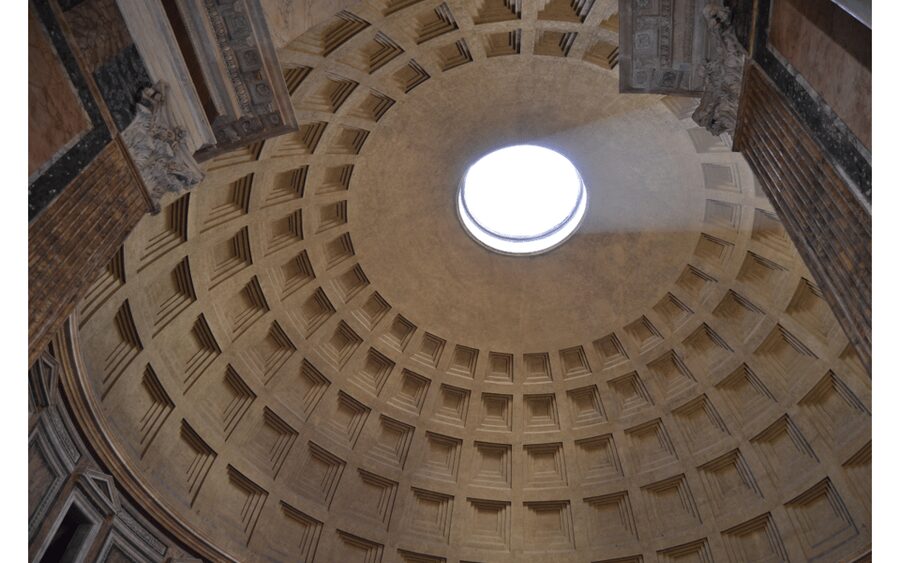
- Pantheon details that are easy to miss (like the dome and the oculus)
- Small-group pacing that keeps the experience from feeling rushed
Piazza della Minerva: Start where Bernini steals the show
Most Pantheon visits begin at the big entrance doors. This one begins in Piazza della Minerva, where Bernini’s elephant statue instantly gives you a visual anchor. That matters, because it sets up the area as more than a queue-and-photos stop. You’re starting in a working Rome plaza, with layers of history sitting right in your line of sight.
From there, your guide helps you notice the square’s details, not just the highlight statue. You’ll pick up ways to read the space: how it functions today, and how that same space has served different purposes over time. It’s a clever warm-up. By the time you reach the Pantheon, you’re already in “look mode” instead of “speed-run mode.”
If you’re the type who likes to understand urban geography, this opening is a real plus. Piazza della Minerva gives you a street-level frame before you go back into ancient Rome’s grand scale.
The Pantheon, a couple more takes
- Rome: Pantheon Priority Entry Ticket & Interactive App
★ 4.1 · 5,114 reviews - Rome: Pantheon Priority Entry Tickets with Interactive App
★ 4.6 · 4,108 reviews - Rome: Pantheon Timeless Marvel Guided Tour with Entry Ticket
★ 4.9 · 4,002 reviews - Castel Sant’Angelo: Ticket with optional Vatican or Pantheon
★ 4.4 · 3,088 reviews
Entering the Pantheon: Priority tickets and the dome you can’t stop staring at
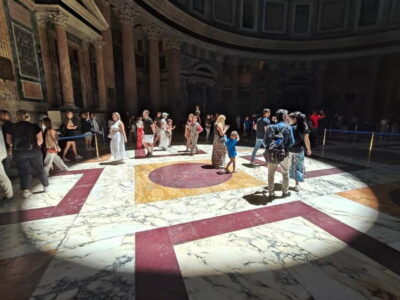
Once you step inside, the Pantheon lands with force. It’s one of the best-preserved monuments of Ancient Rome, and the tour is built to help you actually see what preservation means. Instead of rushing past the most obvious features, you’ll spend time on the dome, the imposing columns, and the elements tied to its later use—so the building doesn’t feel like a single-era photo.
You’ll also benefit from skip-the-ticket-line priority entry. That isn’t just convenience. It changes the experience. When you’re not trapped in a slow-moving crowd, you can linger on the architecture. You can step back, reframe your view, and let the scale sink in.
The standout engineering story is the dome itself. With the right guide, the dome stops being a “wow” moment and becomes something you can understand. You’ll hear how the geometry works and how the famous opening, the oculus, ties to the sky. In fact, one of the most-cited wow factors from this tour is the oculus connection to astronomy and timekeeping themes, including seasonal references. It’s the kind of explanation that makes your next glance at the ceiling feel intentional rather than random.
And yes, the Pantheon includes connections to burial and royal tomb context. That’s part of the reason this site has stayed important, long after its original role changed. The guide helps you connect those dots so you don’t leave thinking it’s just a “temple turned museum” story.
The archaeologist angle: how stories make architecture stick
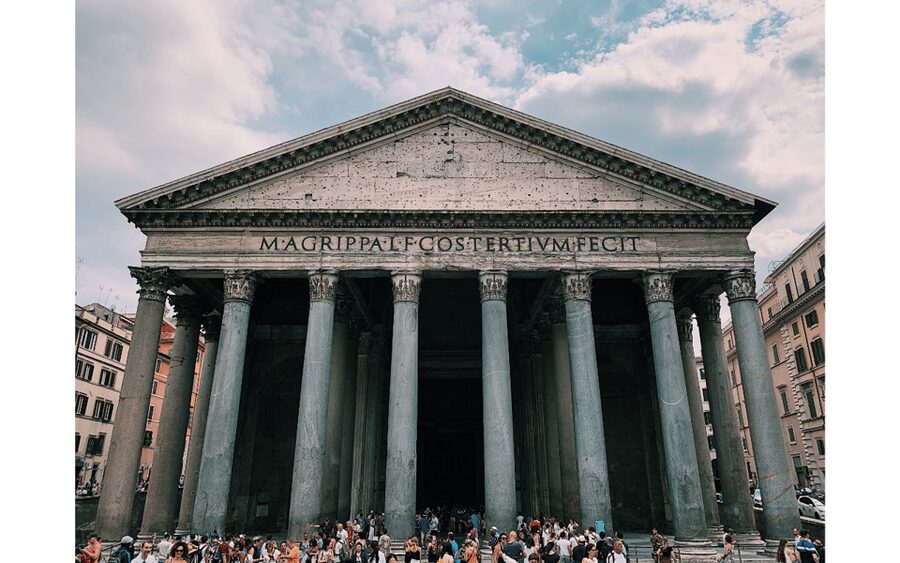
A guided walk like this lives or dies on the explanation. Here, the key value is the archaeologist-led approach. You’re getting historical context that feels grounded, not vague. The guide’s job is to connect visible features to the people and systems behind them.
What that often looks like in practice is this: you hear about materials and structure while you’re standing in the exact spot where they matter. You learn how the design helped solve real problems, and you get enough context to see the Pantheon as a feat of construction, not just decoration.
I also like that the tone tends to stay engaging and light. The best versions of this tour keep it fun while still treating the subject seriously. One recurring theme in the experiences shared by people who did the tour is humor mixed with clear explanations, plus a storytelling style that makes technical ideas feel understandable.
If you’re a history fan, this is your payoff. If history is not your thing, this is still a good bet, because the guide uses the Pantheon’s physical details as the entry point. You don’t need a background in Roman engineering. You just need a willingness to look up and ask, what am I actually seeing?
Piazza della Minerva again: turning a quick square into a Rome lesson
Even though your main concentration is the Pantheon interior, you’ll get more out of the surrounding area than the typical “arrive, photo, leave” routine. Piazza della Minerva is part of the same emotional package: it helps you understand why the Pantheon sits where it does, and how the neighborhood’s identity has evolved.
The tour keeps you moving, but it doesn’t treat the square as filler. Expect your guide to steer you toward details people often miss when they’re focused only on the Pantheon. This is useful if you like to build a mental map of Rome. You’ll start to connect streets, squares, churches, and monuments into one coherent walk.
Some guided moments may include short looks at nearby churches in the same area, such as St Ignatius basilica and Santa Maria of Minerva. Those types of additions show up in experiences shared by people who took the tour, but they may vary by schedule and on-the-ground conditions. Either way, your guide is clearly comfortable expanding the historical context just enough to keep it relevant.
Worth a look next to this Rome booking:




Timing and flow: what 1.5 to 2 hours really feels like
The total duration is 1.5 to 2 hours, which is a sweet spot for this kind of stop. It’s long enough to go inside and absorb the dome and columns. It’s short enough that you don’t feel like you’re wasting half a day fighting Rome crowds.
You’ll also see a flexible start depending on the option you choose. Some departures meet at Piazza della Minerva (including Piazza della Minerva, 69). Others start at the Pantheon area. Either way, the walk is structured so you end at the Pantheon, which keeps the logistics simple.
If you like to plan your day around key landmarks, this tour plays well with a Rome itinerary. It’s a strong central anchor you can place before or after other sights in the historic core, without forcing you to commit to a full afternoon.
A small consideration: because it’s a guided experience with a set flow, this is not the tour for people who want total freedom to wander at their own pace. You’ll have room to look, but you’ll be moving with the group.
Value check: is $50 worth it for the Pantheon experience?
At $50 per person, the price can look steep if you’re comparing it to a self-guided visit. But self-guided visits to the Pantheon are also limited by time and attention. The big cost of a DIY approach is what you miss while you’re just walking and taking photos.
Here, your money goes to three things you’re unlikely to replace cheaply on your own:
- Priority entry to protect your time
- An expert archaeologist guide who explains what matters while you’re in the exact setting
- A small-group format that keeps the explanations from turning into a lecture with zero interaction
If you’re the kind of person who likes to understand “how it works” and “why it stayed,” the guide fee is doing real work. The Pantheon is visually impressive, yes. But it becomes genuinely satisfying when you connect geometry, engineering, and historical change to what you see in front of you.
If you’re only interested in a quick photo stop and you’re happy reading a plaque after the fact, you might prefer a self-guided approach. But if you want the site to make sense as you’re looking at it, this price often feels fair.
What to wear, what to bring, and what to avoid
This is a church site environment, and the rules matter. Plan on covering shoulders and knees. In hot weather, that can mean bringing a light layer or choosing clothing that already fits the rule.
Wear comfortable shoes. You’ll be walking and you’ll want stable footing while you look up and shift positions. Bring water, especially in warmer months, because you’ll be outside in the plaza before you’re inside.
One clear no-go: flash photography isn’t allowed. Keep your phone ready, but turn off the flash to avoid issues at the entrance.
Who should book this Pantheon with an archaeologist?
I think this tour is an excellent fit if you fall into one (or more) of these categories:
- You want the Pantheon to feel understandable, not just impressive
- You like architectural explanations tied to real features, like the dome and the oculus
- You’re traveling with history-minded friends or teens who do better with guided context
- You prefer small-group pacing over big-bus crowds
- You want an experience that ties the Pantheon to its surrounding setting, starting in Piazza della Minerva
It’s also a good choice if you’ve already been to the Pantheon before. Multiple people who did this tour noted they left with a totally different appreciation the second time around. That usually means the guide focused on the “what you missed” details that don’t jump out on a first visit.
Should you book this Pantheon tour?
If your goal is to leave the Pantheon feeling like you understand what you’re looking at, I’d book it. The combination of priority entry and an archaeologist-led explanation is what turns this from a quick stop into a Rome highlight.
Don’t book it if you want unstructured freedom the whole time, or if you know you won’t handle the clothing rule. Also, if you’re only in Rome for a tight schedule and you can’t spare attention for dome-level details, a shorter self-guided visit might be enough.
For most people, though, this is the kind of tour that makes the Pantheon feel personal. You walk in with questions forming, and you walk out with answers that make the building feel alive.
FAQ
How long is the Pantheon tour?
It runs about 1.5 to 2 hours.
Where does the tour start?
Meeting point can vary by option. It may start at Piazza della Minerva (including Piazza della Minerva, 69) or at Pantheon, Rome.
Where does the tour end?
The tour ends at the Pantheon.
Is Pantheon entry included?
Yes, entrance to the Pantheon is included.
Do I need to buy tickets in advance?
Priority tickets are included, and the tour is designed to help you skip the ticket line.
What languages are offered?
The live tour guide is available in Spanish, English, and French.
Is the group small?
Yes, it’s described as a small group.
Is the Pantheon visit wheelchair accessible?
Yes, the tour is wheelchair accessible.
What should I wear to enter the Pantheon area?
You’ll need clothing that covers shoulders and knees.
Can I take photos with flash?
Flash photography is not allowed.
What is the cancellation policy?
Free cancellation is available up to 24 hours in advance for a full refund.
More Tours in Rome
- Vatican Museums, Sistine Chapel & St. Peter’s Basilica Tour
★ 4.3 · 73,970 reviews - Vatican Museums, Sistine Chapel & St Peter’s Basilica Guided Tour
★ 4.5 · 39,149 reviews - Rome: Colosseum, Palatine Hill and Roman Forum Guided Tour
★ 4.8 · 32,814 reviews - Rome: Guided Tour of Colosseum, Roman Forum & Palatine Hill
★ 4.7 · 27,897 reviews - Rome: Colosseum, Roman Forum and Palatine Hill Guided Tour
★ 4.5 · 23,903 reviews - Rome: Colosseum Arena Floor, Palatine & Forum Guided Tour
★ 4.5 · 20,180 reviews
More Tour Reviews in Rome
- Vatican Museums, Sistine Chapel & St. Peter’s Basilica Tour
★ 4.3 · 73,970 reviews - Vatican Museums, Sistine Chapel & St Peter’s Basilica Guided Tour
★ 4.5 · 39,149 reviews - Rome: Colosseum, Palatine Hill and Roman Forum Guided Tour
★ 4.8 · 32,814 reviews - Rome: Guided Tour of Colosseum, Roman Forum & Palatine Hill
★ 4.7 · 27,897 reviews - Rome: Colosseum & Forum with Audio Guide App -Optional Arena
★ 4.2 · 24,770 reviews - Rome: Colosseum, Roman Forum and Palatine Hill Guided Tour
★ 4.5 · 23,903 reviews
Back to the Pantheon
- Rome: Pantheon Priority Entry Ticket & Interactive App
★ 4.1 · 5,114 reviews - Rome: Pantheon Priority Entry Tickets with Interactive App
★ 4.6 · 4,108 reviews - Rome: Pantheon Timeless Marvel Guided Tour with Entry Ticket
★ 4.9 · 4,002 reviews - Castel Sant’Angelo: Ticket with optional Vatican or Pantheon
★ 4.4 · 3,088 reviews - Pantheon Elite Guided Tour – Rome’s Iconic Ancient Temple
★ 5.0 · 1,447 reviews - Rome: Pantheon Small-Group Guided Tour with Entry Ticket
★ 4.9 · 1,226 reviews
Just added to our Rome reviews





Pantheon Tours, compared.
 ★ 4.1Pantheon Priority Entry Ticket & Interactive AppFrom $145,114 reviews
 ★ 4.6Pantheon Priority Entry Tickets with Interactive AppFrom $54,108 reviews
 ★ 4.9Pantheon Timeless Marvel Guided Tour with Entry TicketFrom $214,002 reviews
 ★ 4.4Castel Sant’Angelo: Ticket with optional Vatican or PantheonFrom $183,088 reviews
 ★ 5.0Pantheon Elite Guided Tour – Rome’s Iconic Ancient TempleFrom $411,447 reviews
 ★ 4.9Pantheon Small-Group Guided Tour with Entry TicketFrom $511,226 reviews
 ★ 4.0Rome’s Iconic Temple: Pantheon Audio Guided Tour with Fast AccessFrom $211,188 reviews
 ★ 4.7Pantheon Small Group Tour and Skip-the-Line TicketFrom $531,008 reviews
Browse the lists this tour appears in