Reviewed · ROME
Rome: La Traviata at St. Paul’s Within the Walls
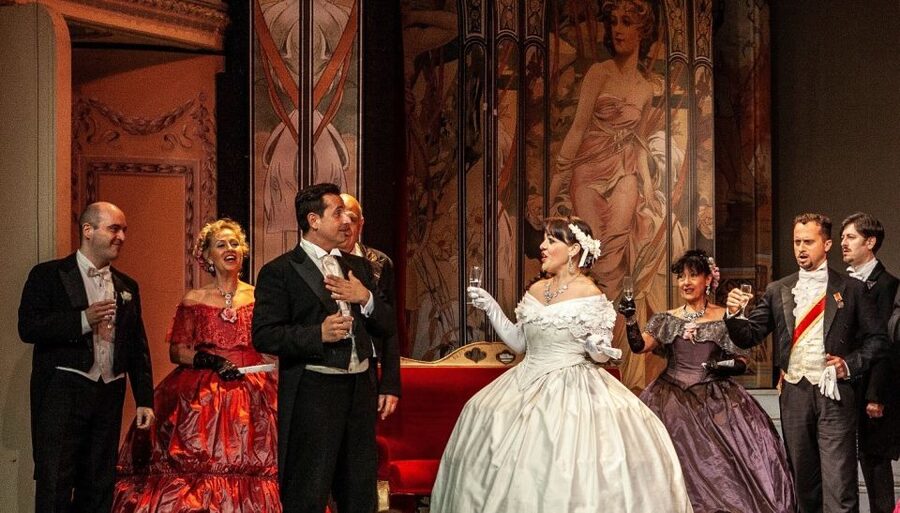
Verdi in a church feels different. I love the chance to hear La Traviata performed as a complete, costumed production, and I love how St. Paul’s Within the Walls makes the music feel close. It’s the kind of night that turns a famous title into a real Roman moment.
One thing to plan for: seating is church-style. Some areas mean limited sightlines, and wooden benches can get uncomfortable, so your seat choice matters more than you’d expect in an opera.
In This Review
- Key things to know before you go
- Why this La Traviata happens inside St. Paul’s Within the Walls
- Price and seat choices: what $47 really buys you
- Your 130-minute plan: what the evening flow feels like
- The church experience: architecture, sightlines, and sound mix
- The performers: Orchestra I Virtuosi dell’opera di Roma and a complete Verdi production
- La Traviata’s story in Italian: how to follow without subtitles
- Comfort and seeing the show: bring your strategy, not just your ticket
- Etiquette in a sacred space (and why phones can ruin the night)
- Who should book this La Traviata in Rome
- Should you book? My quick decision guide
- FAQ
- Where do I exchange my voucher for entry?
- How long is the performance?
- What is included in the ticket price?
- Are food and drinks included?
- What language is the opera performed in?
- Is the venue wheelchair accessible?
- Are pets allowed?
- Can I cancel for a refund?
- Can I reserve now and pay later?
Key things to know before you go
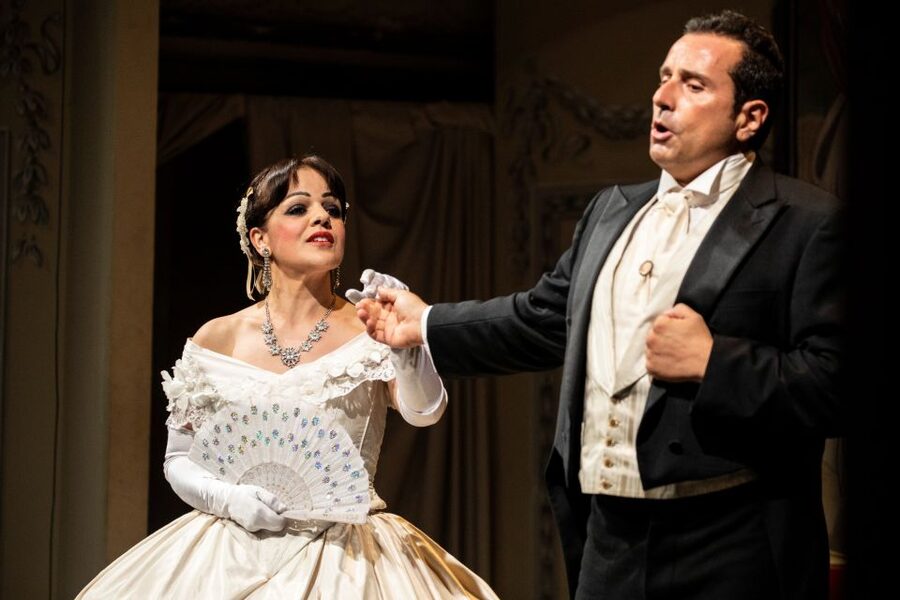
- A full, costumed La Traviata in three acts, set in mid-1800s Paris
- Professional musicians from Orchestra I Virtuosi dell’opera di Roma, made up of conservatory professors
- Church acoustics and lighting that can sound gorgeous, but also blur details in some spots
- Seat categories are worth it, especially if you want to see singers clearly
- No food or drinks included, so plan how you’ll handle breaks and long sitting
- Italian performance language means you’ll follow story through music and action, not translation
Why this La Traviata happens inside St. Paul’s Within the Walls
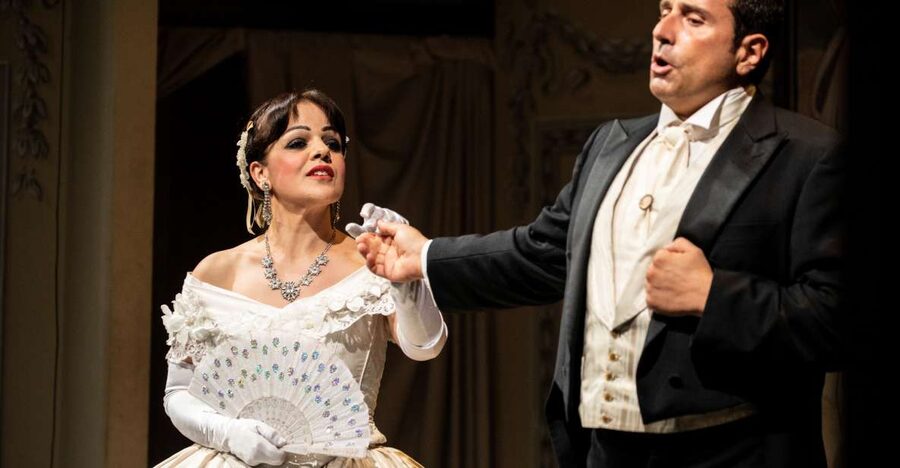
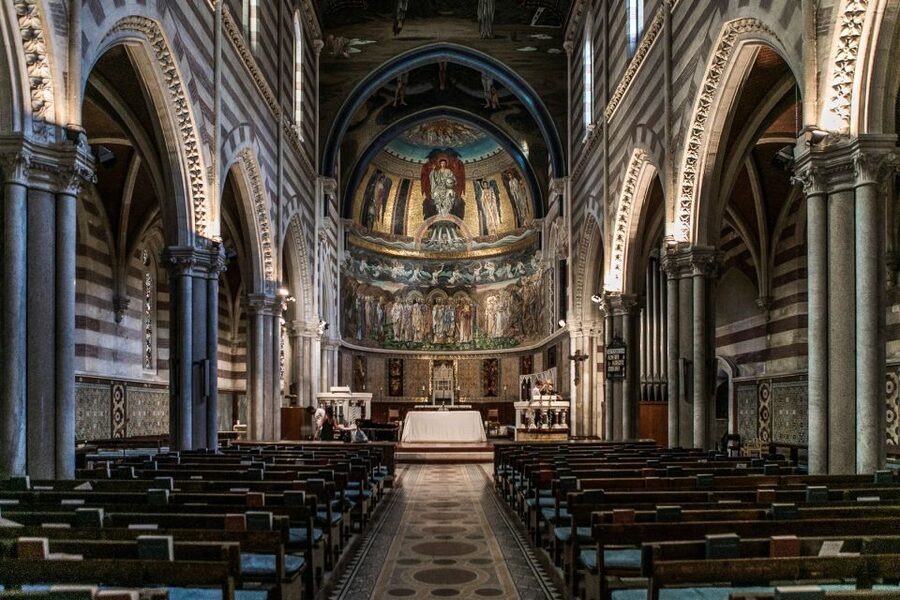
This experience is built on a simple idea: take Rome’s famous opera and put it under a church’s stone and light. St. Paul’s Within the Walls brings a particular scale—tall walls, strong acoustics, and a calm sense of occasion that you don’t get in most theaters.
That setting changes how you hear Verdi. In a normal opera house, you often “listen” from a distance. Here, you tend to hear the orchestra and voices as part of the same architectural space. People describe the acoustics as fantastic, and I get why. The sound can feel full and dramatic, especially on sustained passages.
The one tradeoff is visual. This is not a raised stage environment. Some seats don’t offer a clean, constant view of performers as they move. If you care about watching facial expression and staging closely, you’ll want to pick your seat category carefully.
Weighing this one up? Here is how a few Rome favourites compare:
- Vatican Museums, Sistine Chapel & St. Peter’s Basilica Tour
★ 4.3 · 73,970 reviews - Vatican Museums, Sistine Chapel & St Peter’s Basilica Guided Tour
★ 4.5 · 39,149 reviews - Rome: Colosseum, Palatine Hill and Roman Forum Guided Tour
★ 4.8 · 32,814 reviews - Rome: Guided Tour of Colosseum, Roman Forum & Palatine Hill
★ 4.7 · 27,897 reviews
Price and seat choices: what $47 really buys you
At $47 per person, this is an unusually good value for a “big-name” opera night. You’re paying for a full production of La Traviata, performed by a professional orchestra and cast, in a prestigious Roman church.
In a major city opera house, you’d expect to spend much more just for a basic ticket—often without the same intimate church feel. Here, your money goes toward two things: a live orchestral performance and a venue that feels like it belongs to Rome, not a generic concert hall.
Seat choice is the real decision. You’ll have options across categories, including premium/front areas. From what I’d tell a friend planning ahead: if the performance is a first opera for you, or you want a “no surprises” view, pay for the best sightlines you can. With flat-floor seating, even “front” can still feel tricky depending on where you land.
Your 130-minute plan: what the evening flow feels like
The performance runs about 130 minutes, so it’s a full evening commitment without stretching into a whole-night marathon. You can also check availability for the starting times before you book, since it’s not a single fixed hour.
The most important logistics moment is simple: you must exchange your voucher at the St. Paul’s Within the Walls ticket counter before the show begins. Do that early enough to find your way, since church entry flow can vary and you don’t want to rush while everyone else is already seated.
Once you’re in, the pacing is part music, part staging. This is a costumed, scene-based version, so the production details matter—especially for following the story. Expect that you’ll spend most of the time seated and watching from a single level, not rotating your view between levels or aisles.
The church experience: architecture, sightlines, and sound mix
Let’s talk about what the venue does well—and what can trip people up.
First: the sound. Multiple people highlight how effective the acoustics are in the church, and that lighting works too. In a space like this, the orchestra can sound powerful, and vocal lines can feel dramatic rather than thin.
Second: the mix can vary by seat. Some listeners note moments when the orchestra seems to overpower the singers, and others mention how reverberation can reduce crispness for certain voices (especially the tenor). Translation: the church gives you a big emotional sound, but it may not deliver the same surgical clarity you’d hear from a modern theater’s tuned acoustic panels.
Third: visibility. Because the seating is not theater-style—with no slanted floor—back seats can be harder. Even in front, some corners can block your view due to instruments or staging angles. I’d treat this as a “choose your seat for your viewing goal” situation, not a “come what may” one.
The performers: Orchestra I Virtuosi dell’opera di Roma and a complete Verdi production
The music is handled by Orchestra I Virtuosi dell’opera di Roma. The ensemble is formed by professors from prestigious Italian conservatories, and that matters. You can usually hear a difference when players are used to teaching at a high level and performing with precision.
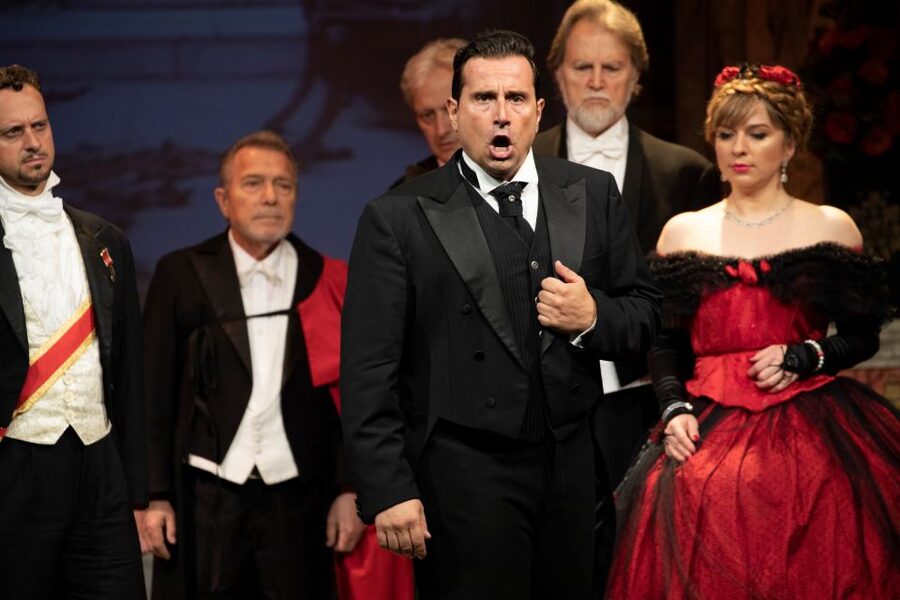
The production is introduced during the season as a complete version of Verdi’s opera, including costumes and scenes. That’s key. It’s not a “sing-along concert version.” It’s a staged performance intended to carry you through the story beats.
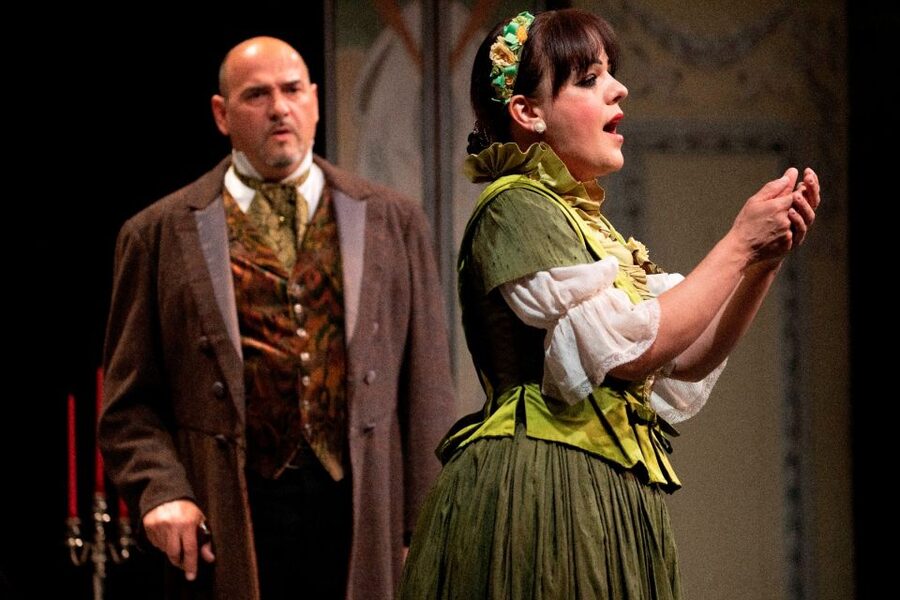
If you’re curious about what you’re actually buying, this is it: professional orchestra + professional singers + full staging elements, all inside one of central Rome’s iconic church spaces. That combination is why people repeatedly come back, especially those who saw it once and returned for another seat category.
La Traviata’s story in Italian: how to follow without subtitles
This La Traviata is Verdi’s most famous one for a reason. The libretto is by Francesco Maria Piave, and the setting is Paris in the mid-1800s. The core story is Violetta, a well-known courtesan, and Alfredo, a young nobleman. Their love is impossible, and tragedy is baked into the arc from the beginning.
Because the performance language is Italian, you’ll be hearing the original text. But you don’t need to understand every word to follow the story. Verdi’s writing is emotional and musical, and the staging and acting are there to guide you through key turns.
Here’s a practical tip I recommend: do a quick refresher on the plot before you go. Not because you must, but because it makes scenes and character shifts snap into focus faster once the music starts.
Also, watch for the production’s audience moments. Some performances include the famous Brindisi and even invite participation at the right time. If you get caught up, you’ll feel why people describe the experience as emotional, funny at points, and genuinely memorable.
Comfort and seeing the show: bring your strategy, not just your ticket
In a church, comfort is not guaranteed. People specifically mention wooden benches and how sitting can feel uncomfortable during a longer performance. Cushions can be hit or miss, and some seats also feel warm.
Plan to arrive ready for a couple hours without constant movement. If your body needs support, think about layers, hydration, and how you’ll handle warmth. The experience is about listening and watching, not stretching every five minutes.
And for sightlines: the church does not give you a “screen-style” view. Seats are on the same level, so you’ll often need to sit still and work with your line of sight. If you’re tall, you might notice sight improves or worsens depending on where musicians and costumes sit relative to your spot.
My straightforward advice: if you’re choosing between “cheaper seats” and “front/prior rows,” choose based on how you experience opera. If you love singers’ acting and want to read facial expression, it’s worth paying extra for better viewing zones.
Etiquette in a sacred space (and why phones can ruin the night)
This is where you’ll see the difference between a good audience night and an annoying one.
There’s clear rule enforcement: no videoing and no flash photography. Staff may remind people multiple times, but it can still happen. It’s distracting, it’s disrespectful in a church setting, and it can break the mood for everyone around you.
So do the obvious thing. Keep your phone away during the performance, or at least set it to silent and out of sight. If you want a photo, take it before the show starts, then let the opera do the talking.
Also, expect that the venue’s atmosphere matters. People treat it like an event with rules, and most of the magic comes from acting like you’re in the same room with real musicians—not in a public livestream.
Who should book this La Traviata in Rome
This is a great pick if you want the headline opera experience without paying “major opera house” prices. You’ll love it if you care about live musicianship, dramatic voices, and a venue that feels distinctly Roman.
It’s especially good for:
- First-time opera fans who want an approachable introduction
- People who enjoy intimate performances where you can feel close to the music
- Anyone who likes the idea of Verdi performed with costumes and scenes, not just as a concert
It may be less ideal if you strongly need a perfect view from every seat. With church-style seating and limited raised staging, some locations can reduce what you see. If you’re sensitive to discomfort from long sitting, pick your seats and plan your body support ahead of time.
Should you book? My quick decision guide
I’d book this if you want a memorable, value-driven night of Verdi in a real church space, with professional orchestra and singers and a complete, costumed production. The setting and acoustics can make the music feel bigger than the room.
I’d think twice if you’re picky about sightlines or you get uncomfortable on wooden benches. In that case, pay for the best seat category you can and give yourself time to settle in.
If you’re flexible, this is one of the easiest ways to experience a world-famous opera in the heart of Rome—without the usual opera-house barriers.
FAQ
Where do I exchange my voucher for entry?
You exchange your voucher at the St. Paul’s Within the Walls ticket counter before the performance begins.
How long is the performance?
The duration is 130 minutes.
What is included in the ticket price?
The ticket includes entrance tickets.
Are food and drinks included?
No. Food and drinks are not included.
What language is the opera performed in?
The opera is performed in Italian.
Is the venue wheelchair accessible?
Yes. The experience is wheelchair accessible.
Are pets allowed?
No. Pets are not allowed.
Can I cancel for a refund?
Yes. You can cancel up to 24 hours in advance for a full refund.
Can I reserve now and pay later?
Yes. You can reserve now and pay later.
More Tour Reviews in Rome
- Vatican Museums, Sistine Chapel & St. Peter’s Basilica Tour
★ 4.3 · 73,970 reviews - Vatican Museums, Sistine Chapel & St Peter’s Basilica Guided Tour
★ 4.5 · 39,149 reviews - Rome: Colosseum, Palatine Hill and Roman Forum Guided Tour
★ 4.8 · 32,814 reviews - Rome: Guided Tour of Colosseum, Roman Forum & Palatine Hill
★ 4.7 · 27,897 reviews - Rome: Colosseum & Forum with Audio Guide App -Optional Arena
★ 4.2 · 24,770 reviews - Rome: Colosseum, Roman Forum and Palatine Hill Guided Tour
★ 4.5 · 23,903 reviews