
Reviewed · ROME
Rome in a Day: A Journey Through Time
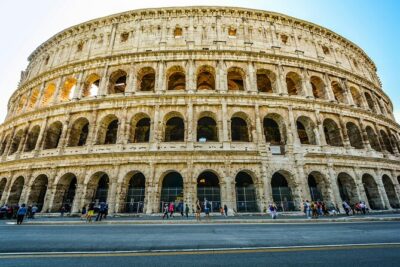
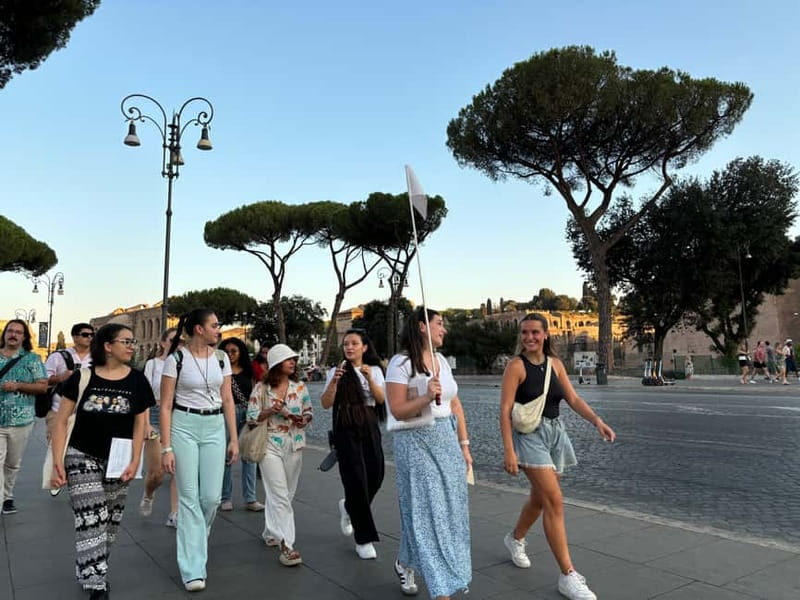
Night Rome moves fast and looks gorgeous. This 2-hour guided walk strings together Rome’s big sights in evening light, starting near Piazza di S. Agostino and ending at the Colosseum.
What I like most is how you get payoff without wasting time: Piazza Navona’s Baroque fountains look totally different after sunset, and stepping into St. Ignazio di Loyola lets you see the trompe-l’œil ceiling trick in person.
One thing to consider: audio and meeting logistics matter. If the microphone setup isn’t clear for your moment in the group, you can miss details, and the tour won’t wait forever.
Key points worth knowing
- A tight 2-hour route built for dusk lighting and quick sightseeing
- Piazza Navona at night for that instant Baroque photo moment
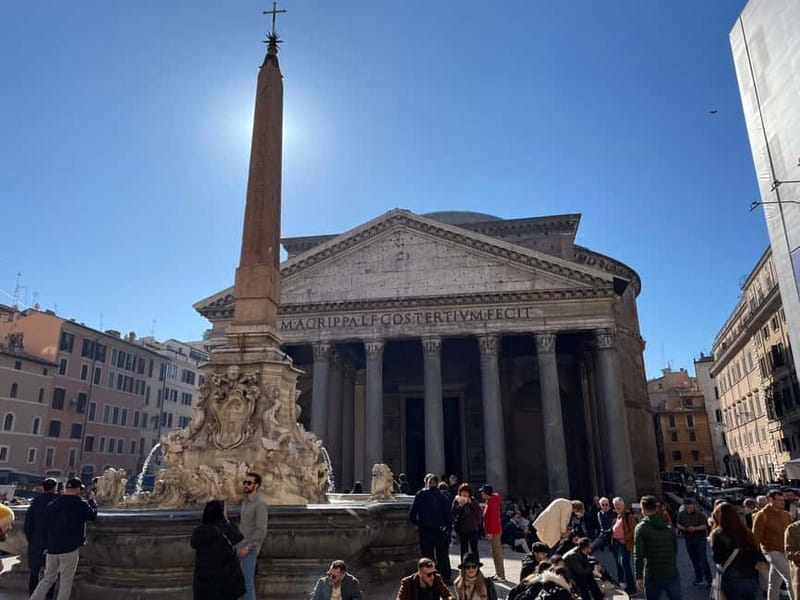
- Pantheon at the right time to notice the dome and central oculus
- St. Ignazio di Loyola’s ceiling trick for one of the most famous visual illusions in Rome
- Trevi Fountain coin ritual plus a smooth route toward Via dei Fori Imperiali
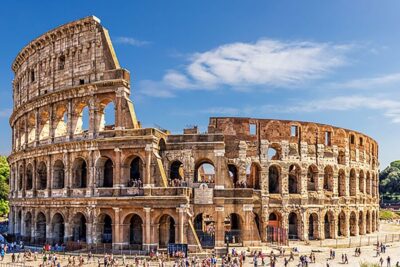
- Colosseum finale with arches lit up against the dark
In This Review
- Why this Rome-at-night walk makes sense for busy schedules
- Starting at Piazza di S. Agostino: the calm before the big sights
- Piazza Navona after dark: fountains, angles, and Baroque drama
- The Pantheon’s dome at night: the oculus is the star
- St. Ignazio di Loyola: the trompe-l’œil ceiling that pulls you in
- Galleria Sciarra and the soft glow of Art Nouveau details
- Vicus Caprarius and the City of Water stops along the way
- Trevi Fountain: the coin, the light, and the instant photo payoff
- Piazza Venezia and Vittoriano views for a wider Rome picture
- Via dei Fori Imperiali and the walk toward the Colosseum
- Colosseum at night: lit arches and your final big wow
- Price and value: is $36 worth it for a 2-hour night plan?
- Guides, audio, and timing: how to make this evening go smoothly
- Who should book this tour, and who should skip it
- Should you book Rome in a Day: A Journey Through Time?
- FAQ
- How long is the Rome at night tour?
- Where does the tour start?
- What is included in the price?
- Are entrance tickets included?
- Is food or drinks included?
- What languages is the guide available in?
- What should I bring with me?
- Is flash photography allowed?
- Is hotel pickup and drop-off included?
- Is the tour refundable if I cancel?
Why this Rome-at-night walk makes sense for busy schedules
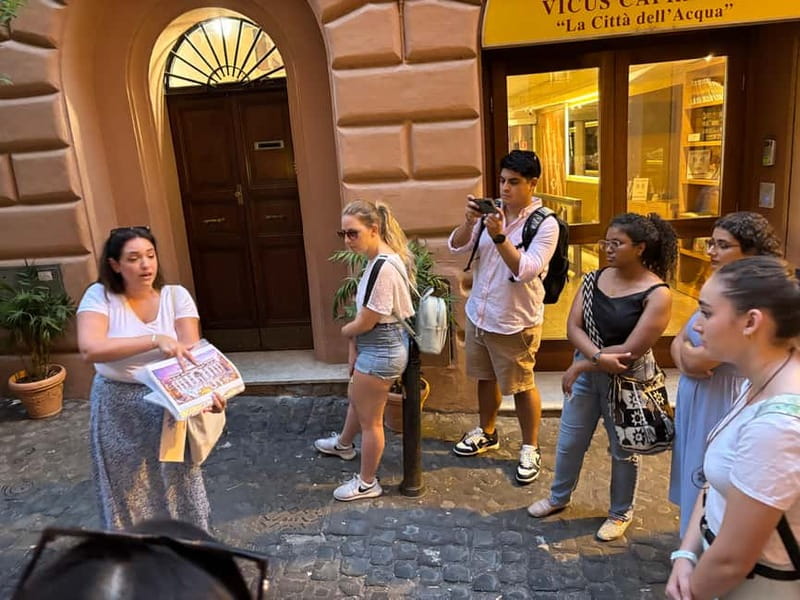
Rome can feel like a plate you can’t finish in one visit. This tour is designed to help you choose what matters by focusing on landmark-by-landmark impressions in a short window.
You get a guided walking loop through Rome’s historic heart, timed for dusk when streets cool down and stone monuments start glowing. And because many stops are viewed from the outside, you spend your time looking instead of lining up.
You should expect a brisk pace and lots of “stand here for the view, look up here for the details” moments. It’s not a sit-down experience. It’s a see-it-now plan.
Starting at Piazza di S. Agostino: the calm before the big sights
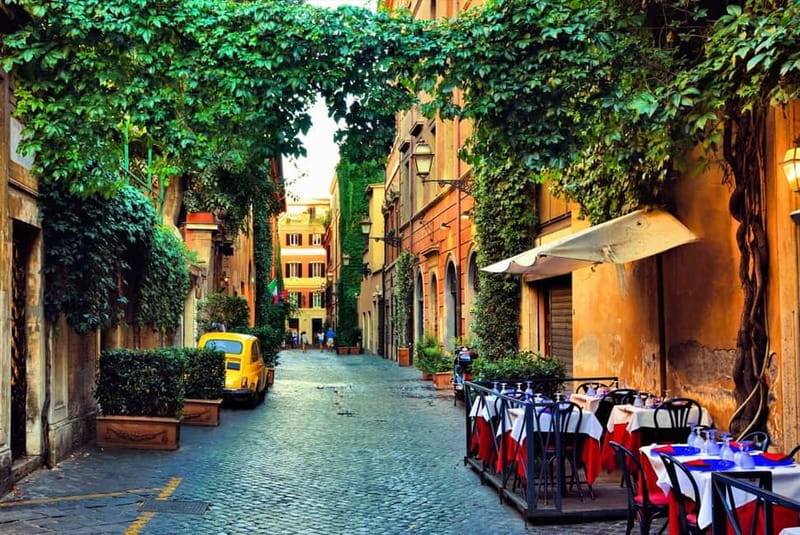
Most night tours rush right into the crowds. Here, you begin in the quieter mood around Piazza di S. Agostino, where the Renaissance-style setting gives you a calmer start.
This first stretch helps you get your bearings fast. It also sets a pattern for the evening: the guide points out what you’re supposed to notice, then you move on while the light is still working in your favor.
Practical tip: wear comfortable shoes from the start. The tour is only two hours, but it still adds up fast when you’re walking through Rome’s uneven streets.
Weighing this one up? Here is how a few Rome favourites compare:
- Vatican Museums, Sistine Chapel & St. Peter’s Basilica Tour
★ 4.3 · 73,970 reviews - Vatican Museums, Sistine Chapel & St Peter’s Basilica Guided Tour
★ 4.5 · 39,149 reviews - Rome: Colosseum, Palatine Hill and Roman Forum Guided Tour
★ 4.8 · 32,814 reviews - Rome: Guided Tour of Colosseum, Roman Forum & Palatine Hill
★ 4.7 · 27,897 reviews
Piazza Navona after dark: fountains, angles, and Baroque drama
Next comes Piazza Navona, one of Rome’s most photogenic squares in the evening. The Baroque fountains take on extra contrast at night, and the stone textures feel sharper.
What makes this stop worth your time is how you can watch the square change as you circle. From different corners, the fountains look larger, the statues feel more dramatic, and the architecture frames the sky.
One small drawback: if you’re short on patience with crowds, this area can be busy. The upside is that the guide helps you angle yourself for good views without wandering in circles.
The Pantheon’s dome at night: the oculus is the star
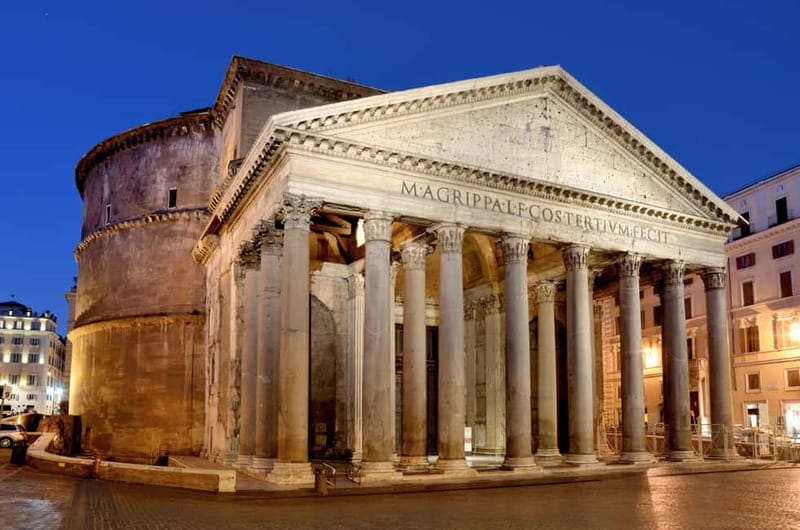
Then you get to the Pantheon, where the biggest reason to visit isn’t just the building. It’s how the light behaves inside and how your eye goes straight to the central oculus.
At night, you’re more likely to notice the dome structure and the way the light feels focused rather than diffuse. Even if you’ve seen photos before, being there changes the scale in a hurry.
Timing matters here. When you arrive in the evening window, you get a better sense of volume and symmetry than you’d usually get in harsh daylight. And you also learn what to look for beyond the obvious “big dome” headline.
St. Ignazio di Loyola: the trompe-l’œil ceiling that pulls you in
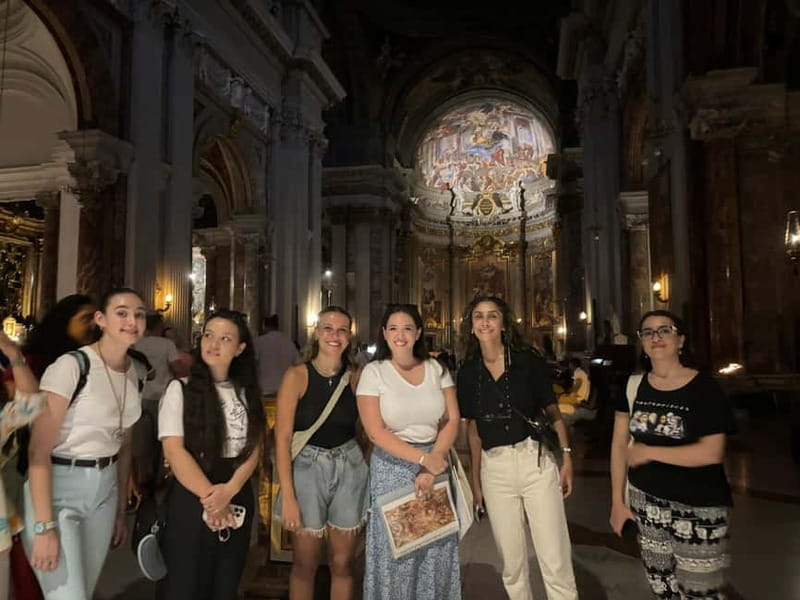
This is the stop people remember. St. Ignazio di Loyola is often called the trompe-l’œil church for a reason: the ceiling design plays tricks on perspective so your brain thinks it’s seeing more than it actually is.
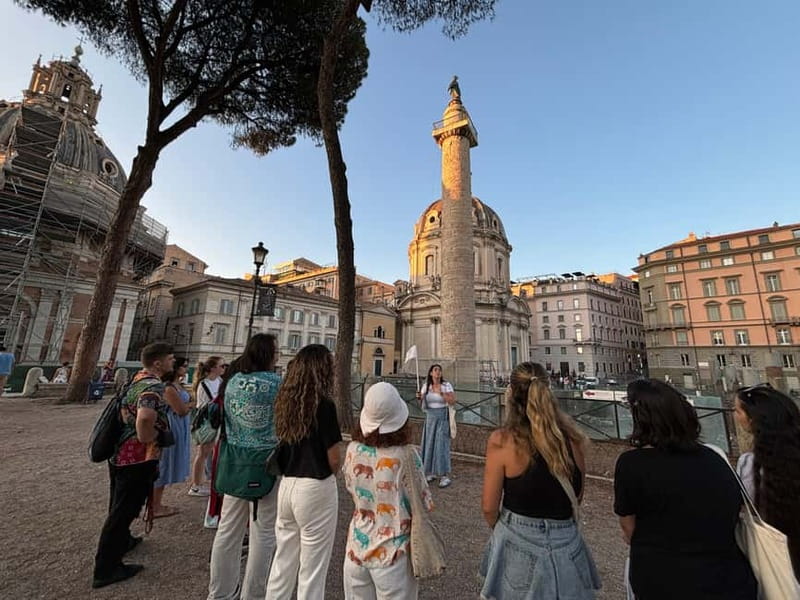
You’ll be in the church long enough to slow your eye down and catch how the illusion is built. The guide’s job here is useful. They help you look for the lines and perspective cues, so you don’t just glance and move on.
Photography note: the tour info says no flash photography. So plan on steady hands and normal light. This is the kind of place where a camera helps, but your memory still comes from what you see with your eyes first.
Galleria Sciarra and the soft glow of Art Nouveau details
After the church, the route brings you through Galleria Sciarra, an Art Nouveau-style passage with frescoes that feel calmer than the open squares.
This isn’t “landmark in size” the way the Colosseum is. It’s more about texture: softened walls, painted surfaces, and that gentle hallway glow that makes you feel like you’ve stepped sideways from the main street.
The value here is variety. Rome has plenty of famous outdoor icons. A quick interior-style passage refreshes your eyes and keeps the evening from feeling like one long queue of giants.
Vicus Caprarius and the City of Water stops along the way
On the walk toward the next major stop, the itinerary includes Vicus Caprarius, described as the ancient City of Water. The tour experience here is more about context than checking one big attraction off a list.
Because the tour also notes that attractions needing an entrance ticket are visited from outside, you should expect this to be more of a guided look than a full underground deep-dive. Still, it’s a cool way to connect the dots between Rome’s ancient systems and what you’re seeing above ground.
If you’re the kind of traveler who loves “why this place matters” explanations, this stop gives you that bridge between time periods.
Trevi Fountain: the coin, the light, and the instant photo payoff
Then comes Trevi Fountain, where the night setting does something simple and powerful: it makes the whole scene feel like a stage. The illuminated water and stonework look more sculptural after dark.
The classic part is the coin toss into the fountain. It’s a small ritual, but it gives you a clear moment to pause, take the photo, and end the evening’s first major arc on a high note.
Flash photography is not allowed on the tour, so expect lower light shots and plan accordingly. Also, Trevi can be tight and crowded at peak times. The guide’s directions help you avoid dead-end wandering while still getting your moment.
Piazza Venezia and Vittoriano views for a wider Rome picture
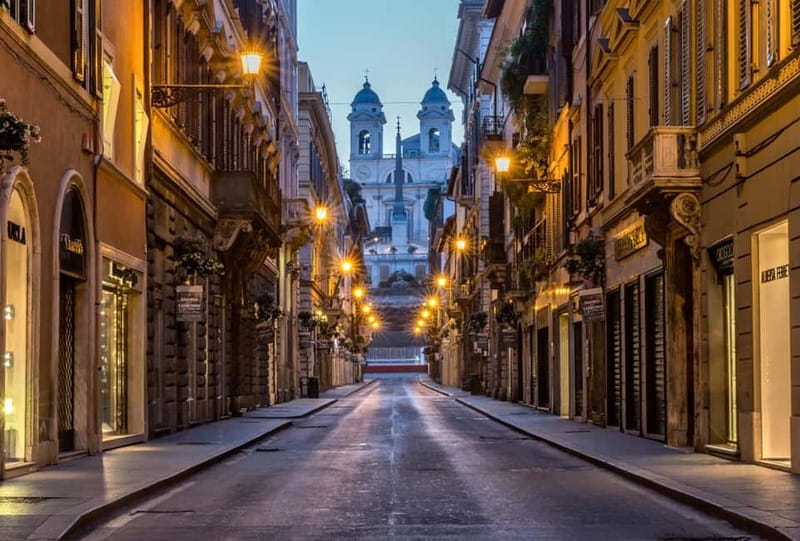
After Trevi, the route continues past the Pontifical Gregorian University area and reaches Piazza Venezia with the Vittoriano Monument.
This is where the tour gives you scale. In this section, you’re not just looking at one landmark. You’re looking at the way Rome spreads out, with major streets and monuments funneling your attention toward the skyline.
You’ll also see several palazzo facades along the way, including Palazzo Venezia, Palazzo delle Assicurazioni Generali, and Palazzo Bonaparte. You might not memorize every name, but noticing the architecture styles is part of the fun.
If you like architecture more than statues, this part tends to hit the sweet spot because you’re moving through a corridor of impressive facades while the city changes behind them.
Via dei Fori Imperiali and the walk toward the Colosseum
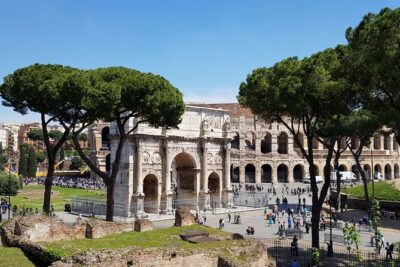
A moonlit stroll along Via dei Fori Imperiali shifts your mood again. You go from squares to a long, linear view path, which makes the city feel bigger than the stopping points.
This section matters because it’s the transition into the final anchor: the ancient corridor leading you toward the Colosseum. It’s also when the walking pace feels more noticeable, so it helps to stay ready with your water and your feet.
If your back or knees don’t love uneven pavement, this is the stretch where you’ll feel it most. The tour is described as not recommended for back problems and certain medical conditions, and that’s exactly why you should take the warning seriously.
Colosseum at night: lit arches and your final big wow
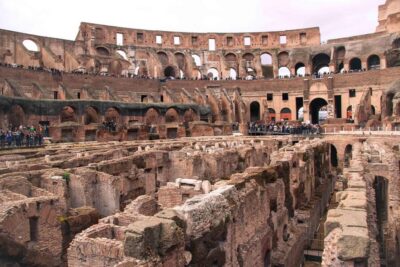
The tour ends at the Colosseum, with arches brilliantly lit against the night. This finale does two jobs: it gives you a visual reward after the walk, and it gives you a landmark that’s hard to recreate through memory alone.
What makes it special on this schedule is that you’re arriving after dusk has already changed the lighting. The monument looks different than it does in midday crowds, and the night setting softens the chaos around it.
Flash is still not allowed, so focus on steady shots and simple framing. Even without flash, you’ll get a strong photo if you find a stable position and give yourself time.
Price and value: is $36 worth it for a 2-hour night plan?
At $36 per person for a 2-hour guided walk, the real question isn’t whether it feels cheap or expensive. It’s what you’re paying for: a timed route, a professional guide, and the ability to see multiple major landmarks without spending the entire evening navigating.
This tour includes a professional guide and a walking tour of Rome’s historic heart, plus visits to key stops like Pantheon, Trevi Fountain, Piazza Navona, Piazza Venezia, and St. Ignazio di Loyola. Entrance fees are not included, and the tour notes that attractions requiring tickets are visited from outside. That can actually be a value point if you’d rather prioritize viewpoints and guidance over museum-style admission.
Also, many people seem to appreciate the group format here. One experience highlighted a small group feel and a fast walking approach. That’s not everyone’s preference, but it can make the two hours feel efficient.
So who is this best for? If you want landmark highlights with a guide’s context and you’re okay with a brisk pace, the value is strong. If you want long stops, lots of free time, or a slower pace, this may feel rushed.
Guides, audio, and timing: how to make this evening go smoothly
The quality of the guide matters a lot on a walking tour. Some guides on this route have been praised for being friendly, helpful, and communicative, with one name that keeps coming up being Mauricio. That kind of guide makes the walk feel purposeful instead of like a checklist.
But there’s also a real risk with night walks: audio. One experience reported difficulty understanding the guide when the microphone wasn’t clear or positioned well. If you’re sensitive to audio issues, try to stand where you can hear best, usually closer to the guide, and don’t be afraid to ask for clarification if something important is being missed.
Timing is another big piece. Meeting time can change slightly, and the tour asks you to provide a correct phone number with country code. Late arrivals aren’t refunded, and there have been cases where no guide appeared at the meeting spot. Your best defense is simple: arrive early, double-check your meeting details, and keep your contact info updated with the provider.
Who should book this tour, and who should skip it
This tour fits best if you:
- Want big Rome landmarks at night in a short, guided loop
- Like learning what to notice, not just taking photos
- Are comfortable walking on uneven pavement for about two hours
- Want the best-known visual stop in the city illusion-wise, St. Ignazio di Loyola
Skip it if you:
- Have mobility limits or use a wheelchair, since it’s not suitable for mobility impairments
- Have significant back issues or serious heart/medical limitations, since it’s not recommended for those situations
- Need a long pace with lots of sitting and slow wandering
If you’re traveling with teens who love “cool facts” and landmark photos, this kind of structure can work well. If you’re traveling with someone who hates crowds or hates walking, consider a different format.
Should you book Rome in a Day: A Journey Through Time?
Yes, if your goal is a guided night circuit that hits the Pantheon, Trevi Fountain, Piazza Navona, and the mind-bending St. Ignazio di Loyola ceiling, then lands you at the Colosseum while it’s lit up and photogenic.
Maybe not, if you want a slow, free-roam evening or you’re likely to struggle with audio clarity or steady walking pace. In that case, you may prefer a different plan with fewer moving parts.
If you do book, go in with the right mindset: comfortable shoes, water, camera ready (no flash), and plan to arrive early at the meeting point. Do that, and this is one efficient way to experience Rome’s nighttime mood in just two hours.
FAQ
How long is the Rome at night tour?
The tour lasts 2 hours.
Where does the tour start?
It starts at Piazza di S. Agostino, with the exact meeting point potentially varying depending on the option booked.
What is included in the price?
It includes a professional guide and a walking tour of Rome’s historic heart, covering major landmarks such as Piazza Venezia, St. Ignazio di Loyola Church, the Pantheon, Trevi Fountain, and Piazza Navona.
Are entrance tickets included?
Entrance fees are not included. Attractions that require an entrance ticket are visited from outside.
Is food or drinks included?
No, food and drinks are not included.
What languages is the guide available in?
The live tour guide is available in English and Spanish.
What should I bring with me?
Bring comfortable shoes, a camera, and water.
Is flash photography allowed?
No, flash photography is not allowed.
Is hotel pickup and drop-off included?
No, hotel pickup and drop-off are not included.
Is the tour refundable if I cancel?
Yes. Free cancellation is available up to 24 hours in advance for a full refund.
More Tour Reviews in Rome
- Vatican Museums, Sistine Chapel & St. Peter’s Basilica Tour
★ 4.3 · 73,970 reviews - Vatican Museums, Sistine Chapel & St Peter’s Basilica Guided Tour
★ 4.5 · 39,149 reviews - Rome: Colosseum, Palatine Hill and Roman Forum Guided Tour
★ 4.8 · 32,814 reviews - Rome: Guided Tour of Colosseum, Roman Forum & Palatine Hill
★ 4.7 · 27,897 reviews - Rome: Colosseum & Forum with Audio Guide App -Optional Arena
★ 4.2 · 24,770 reviews - Rome: Colosseum, Roman Forum and Palatine Hill Guided Tour
★ 4.5 · 23,903 reviews




