
Reviewed · TOURS
Rome: Immersive Underground and Piazzas Tour
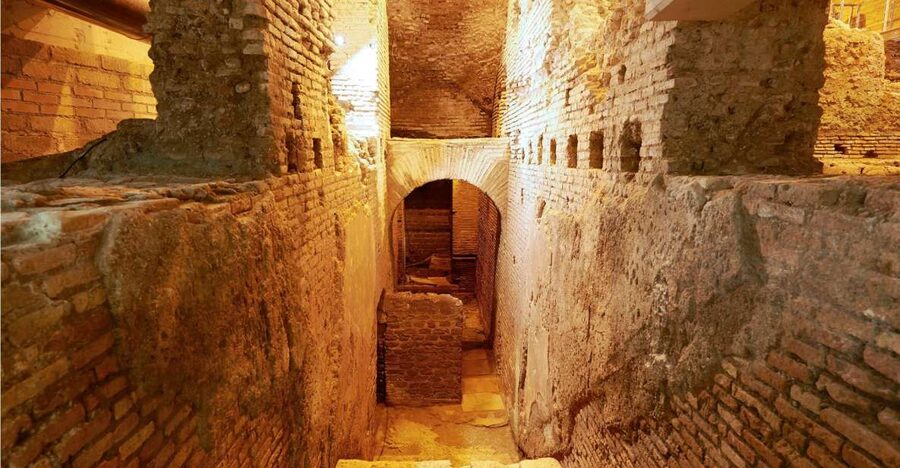
Rome is cooler below street level. You start at Piazza Navona and its famous fountains, then go under streets to see the Stadium of Domitian where crowds once gathered. I like how the archaeologist-style explanations make each site feel part of one bigger story.
One consideration: the Pantheon dress rules matter, and on some days religious functions can limit access. Also, Jubilee-related work can shift routes, so you’ll want to stay flexible.
In This Review
- Key highlights at a glance
- Why this Underground Rome route feels different
- Getting oriented near Piazza Navona (and finding your guide)
- Piazza Navona and the three fountains: what you’re actually looking at
- Under Piazza Navona: Stadium of Domitian beneath the streets
- The Pantheon stop: Romulus, legend, and practical church rules
- Trevi Fountain: tradition, timing, and a smoother photo moment
- Vicus Caprarius, the City of Water: Aqua Virgo under your feet
- What the archaeologist-style guiding really adds
- Pace, comfort, and what to bring (so the tour feels easy)
- Should you book this Underground and Piazzas Tour?
- FAQ
- How long is the Rome: Immersive Underground and Piazzas Tour?
- Where do I meet for the tour?
- What languages are available for the live guide?
- Which stops are included during the tour?
- Is there a dress code for the Pantheon?
- Is this tour suitable for wheelchair users?
- How long do you spend at each main site?
- Is the Pantheon always accessible during the tour?
- What should I bring?
- Is it easy to cancel or change plans?
Key highlights at a glance
- Expert archaeologist-guides who answer real questions about what you’re seeing
- Piazza Navona’s triple-fountain layout, including the Fontana dei Quattro Fiumi (Bernini, 1651)
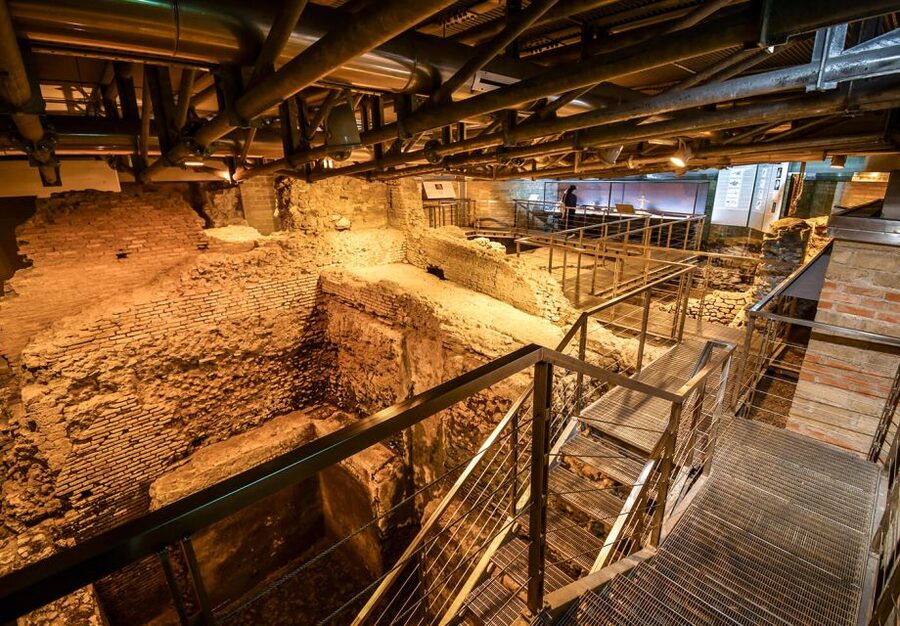
- Stadium of Domitian underground remains—Roman spectacle life, right under your feet
- Pantheon storytelling, including the Romulus eagle legend
- Vicus Caprarius, the City of Water, with the Aqua Virgo aqueduct system
Why this Underground Rome route feels different
Most Rome tours do the same loop: big sights above ground, quick photos, then off to the next checkpoint. This one flips the script. You begin at Piazza Navona, but you don’t stop at the glamour of fountains and baroque facades.
You go beneath the square to look at the earlier city layers. That shift is the whole point. Rome wasn’t built once. It was built, damaged, rebuilt, reused, and patched for centuries. Seeing ruins underground turns that timeline into something you can actually stand on.
And because the tour includes the Pantheon plus the Trevi Fountain area, you get both sides of the coin: the ancient city and the iconic Rome that most people come for.
Weighing this one up? Here is how a few Rome favourites compare:
- Vatican Museums, Sistine Chapel & St. Peter’s Basilica Tour
★ 4.3 · 73,970 reviews - Vatican Museums, Sistine Chapel & St Peter’s Basilica Guided Tour
★ 4.5 · 39,149 reviews - Rome: Colosseum, Palatine Hill and Roman Forum Guided Tour
★ 4.8 · 32,814 reviews - Rome: Guided Tour of Colosseum, Roman Forum & Palatine Hill
★ 4.7 · 27,897 reviews
Getting oriented near Piazza Navona (and finding your guide)
Your meeting point can vary depending on which start option you booked. You’ll meet either around Fontana dei Quattro Fiumi (the Fiumi Fountain) near the National Academy of San Luca area, or at Piazza Navona itself.
The coordinates for the general meeting area are 41.89896774291992, 12.473087310791016, but the practical advice is simpler: check your message before you leave. One thing that can trip people up in busy Rome is spotting the guide in a crowd. When that happens, the better tours are the ones that communicate changes clearly and wait for you.
What to do: wear comfy walking shoes, and give yourself a few extra minutes to get to the square early. Rome streets are full of distractions, but your underground access depends on starting on time.
Piazza Navona and the three fountains: what you’re actually looking at
Piazza Navona is one of Rome’s most photogenic stages. You’ll spend time here to understand why it looks the way it does and what’s underneath it too.
The big focus is the square’s three fountains designed during the papacy of Gregory XIII. The centerpiece is Fontana dei Quattro Fiumi, designed by Gian Lorenzo Bernini in 1651. Even if you’ve seen pictures, it helps to get the explanation in place, because you start noticing the symbolism and the way the fountains act like a visual map.
Then the tour takes a smart turn. You don’t just admire the baroque surface. You learn how the square sits above earlier Roman use of the area, and that sets up what comes next underground.
Why I like this stop: Piazza Navona is a great place to learn Rome’s storytelling style. The city loves mixing layers—art, politics, religion, and engineering—often within a few steps.
Under Piazza Navona: Stadium of Domitian beneath the streets
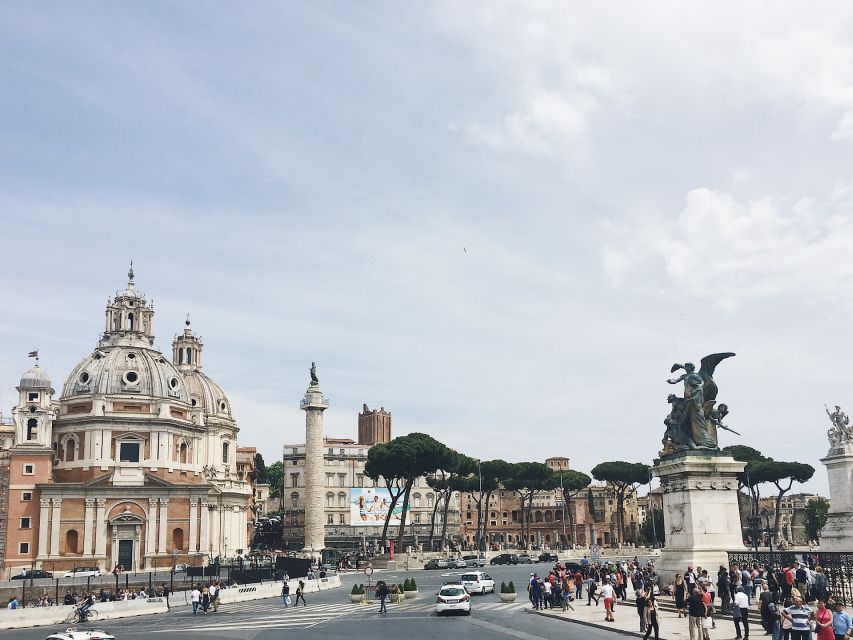
After Piazza Navona, you move into the subterranean world connected to the square. The key site is the Stadium of Domitian, built at the time when the area served athletics and public spectacle.
This is not a vague “ancient Rome vibes” moment. You’re shown how the stadium functioned mainly for athletic contests, and there’s an extra twist: for a period after fire damage to the Colosseum in 217 A.D., the stadium was used for gladiator shows. That’s the kind of detail you only get when a guide ties the archaeology to the bigger Roman timeline.
What makes the underground part work: the contrast. Above ground you see fountains and crowds doing modern things. Below ground you see the older infrastructure that made public entertainment possible. You begin to understand why Rome repeats certain patterns—gathering spaces, spectacle, and reuse.
Possible drawback: you’ll still walk above ground between stops. One review noted that not everything is underground, so manage expectations. Think of this as a Rome layer tour with major underground segments, not an all-underground crawl.
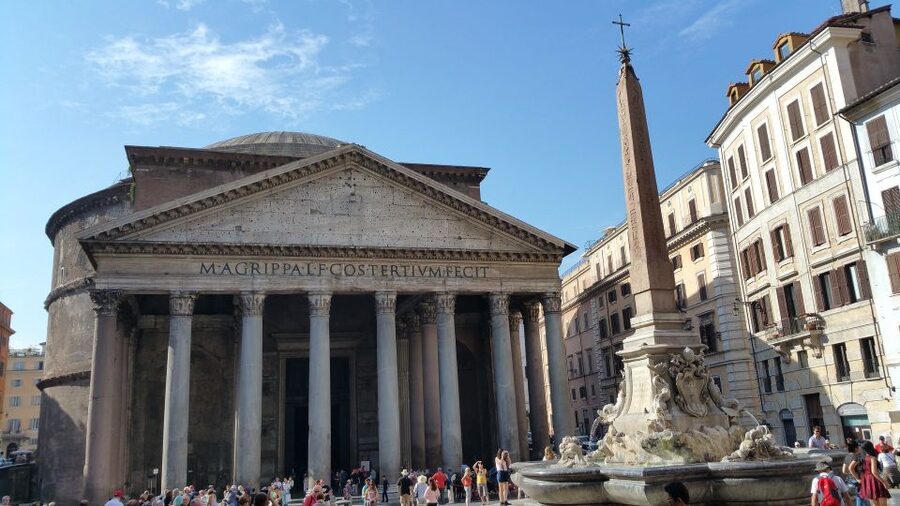
The Pantheon stop: Romulus, legend, and practical church rules
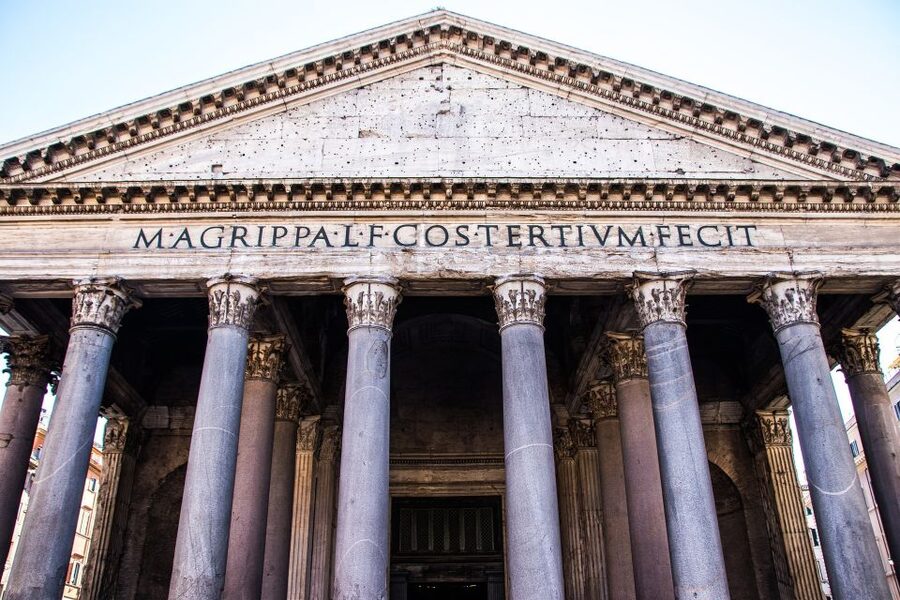
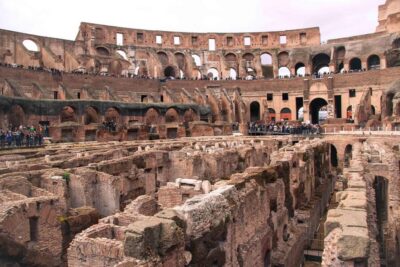
Next comes the Pantheon, and this is where the tour often feels like a “Rome in one building” moment. You’ll get a guided visit, not just time to wander.
One story you should be ready for is the legend tied to the founder of Rome, Romulus. In Roman tradition, Romulus is said to have been seized by an eagle and taken into the skies with the gods at the place of his death. A good guide uses that legend to connect myth, power, and how Romans justified the world they were building.
Now the practical side matters. The Pantheon is an active church. That means you need to follow dress rules:
- Shoulders and knees covered to enter
- No shorts
- No short skirts
- No sleeveless shirts
Timing note: the tour includes time for a guided visit here, and on some days the Pantheon may be less accessible due to religious functions. If access changes, the guide will adapt with the plan you booked, so it’s smart to be flexible.
Also, plan your photos. The building is famous, but you’ll enjoy it more if you pause to listen first, then shoot after key points.
Trevi Fountain: tradition, timing, and a smoother photo moment
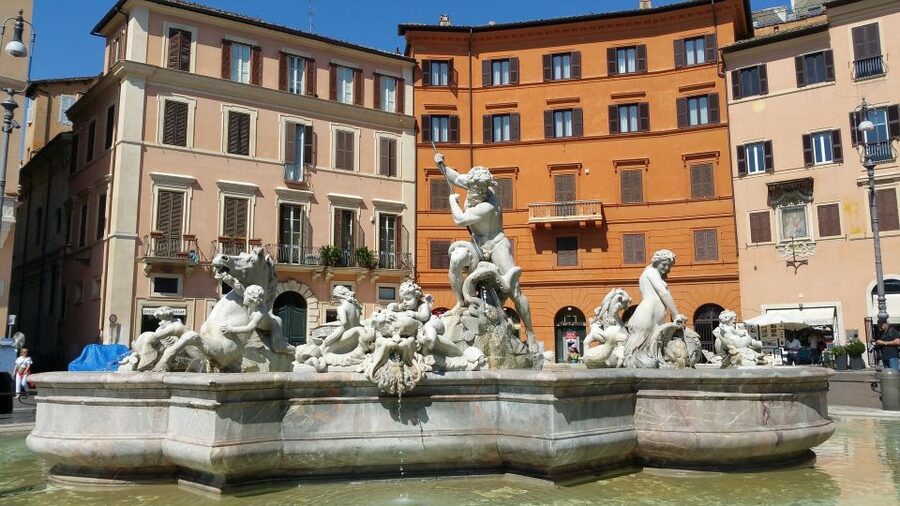
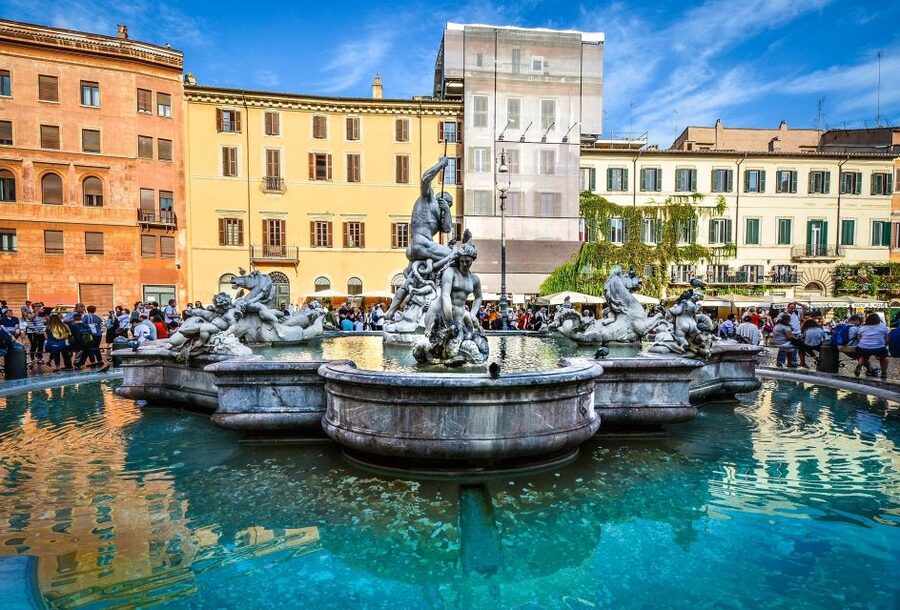
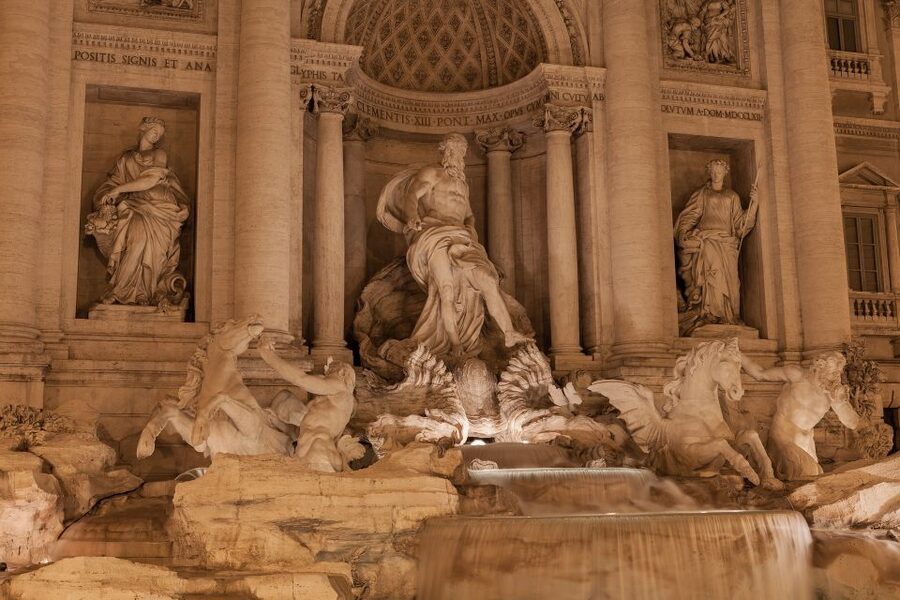
After the Pantheon, you head to the Trevi Fountain for a photo stop and the classic tradition of tossing a coin.
The tour doesn’t pretend you’ll “skip” the Trevi experience altogether—you’re in a major tourist magnet. But having a guide means you’re not guessing where to stand, what angle to use, or when to move on. You get a structured moment to do the tradition and grab photos without spiraling into the crowd.
Tip that pays off: go slow with your coin toss. Don’t rush the ritual. The key is to treat Trevi as a pause on the way to something more unusual later—because the best part of this tour is what happens after Trevi.
Vicus Caprarius, the City of Water: Aqua Virgo under your feet
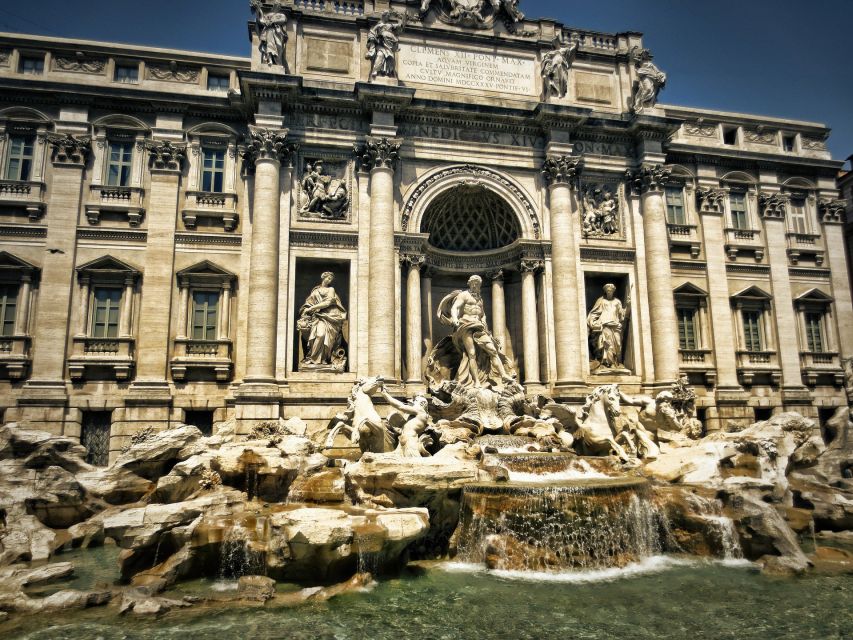
Here’s the section that makes the whole tour feel worth it.
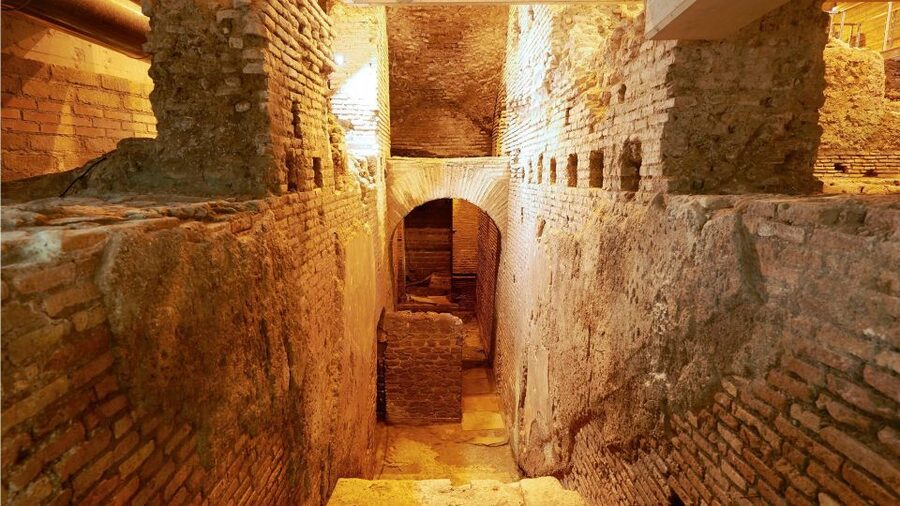
Following Trevi, you head into the underground area known as Vicus Caprarius, sometimes described as the City of Water. Under the streets, you’ll see an archaeological space that functions like a labyrinth of surviving remains.
Two big things you’re looking for:
- The remains of a domus from the imperial era
- The castellum aquae of the Aqua Virgo aqueduct system
That’s the brilliance of this stop: it explains Rome’s water story without getting stuck in a textbook. The Aqua Virgo is one of the aqueducts that made Rome’s water supply possible, and the castellum aquae is part of the distribution system—water that didn’t just arrive, but was managed and delivered.
Why this matters: Trevi’s fountain is iconic because it’s tied to water. Vicus Caprarius shows you how that water infrastructure worked long before the modern fountain became a postcard.
And yes, it stays cooler underground. One common theme in the tour experience is that these lower spaces feel like a break from the heat, while still being part of the same Rome narrative.
What the archaeologist-style guiding really adds
This tour’s biggest strength isn’t just the sites. It’s the way the guides teach.
Many guides on this experience are described as having archaeological training, and that shows in the details you hear. I’m not talking about random facts. I mean the kind of explanations that help you “read” the building materials, the layout, and the timeline.
From past participants, names come up again and again—Amanda, Francesca, Alex (Alessandra), Sabrina, Gloria, Caterina, and Maria—and the praise is consistent: guides are enthusiastic, answer questions patiently, and connect each stop to the bigger picture.
One practical benefit: when you can ask why something exists or what changed over time, the tour stops feeling like a slideshow. It becomes more like a walk with someone who actually studies the layers of the city.
How to get the most: come with one or two questions in mind. For example:
- Why did the stadium functions shift in the 200s?
- How did the Aqua Virgo system relate to water features you see above ground?
If your guide is the right style (and the ratings suggest many are), you’ll leave feeling like Rome clicked into place.
Pace, comfort, and what to bring (so the tour feels easy)
Duration is about 3 hours, with guided time at multiple stops. Comfortable shoes are a must, since you’re walking through crowded areas and moving between street-level and underground spaces.
What I’d prioritize:
- Wear shoes you can stand in for a while.
- Bring light layers if you’re doing this in shoulder season, since underground areas can feel cooler.
- Avoid clothing that violates Pantheon entry rules. If you’re unsure, choose something with covered knees and shoulders.
You should also expect the route could shift due to restoration work connected to the Jubilee. That doesn’t mean the tour is chaotic. It means you should check your message the day-of so you’re not surprised by route changes.
Finally, note this tour is not suitable for wheelchair users. It includes underground sections and walking paths that aren’t described as accessible.
Should you book this Underground and Piazzas Tour?
If you want Rome that goes beyond the usual selfies, I’d book it.
This is a strong choice if you:
- Love history but get bored when it’s just a list of dates
- Want to see how Rome layers itself—especially through underground spaces
- Plan to hit big icons like the Pantheon and Trevi anyway, and you want them taught with meaning
- Appreciate tours led by guides who can answer questions on the spot (names like Amanda, Francesca, Alex, and Maria show up often for a reason)
I wouldn’t pick it if:
- You need fully accessible routes for mobility needs
- You’re not willing to follow Pantheon dress rules
- You hate walking through busy crowds before and after underground segments
The value here is time. In three hours you get a chain of sites—Piazza Navona to Domitian’s stadium under your feet, then the Pantheon, then Trevi, and finally Vicus Caprarius and the Aqua Virgo water system. It’s not just “Rome top hits.” It’s Rome with the volume turned down so the older layers can speak.
FAQ
How long is the Rome: Immersive Underground and Piazzas Tour?
The tour lasts about 3 hours.
Where do I meet for the tour?
The meeting point can vary depending on the option booked. It may be near the Fontana dei Quattro Fiumi area by the National Academy of San Luca, or it may be at Piazza Navona.
What languages are available for the live guide?
The live tour guide offers Italian, English, and Spanish.
Which stops are included during the tour?
The tour includes Piazza Navona, the underground Stadium of Domitian area, the Pantheon, Trevi Fountain, and the Vicus Caprarius underground archaeological area.
Is there a dress code for the Pantheon?
Yes. Because the Pantheon is an active church, you need shoulders and knees covered. Shorts, short skirts, and sleeveless shirts aren’t allowed.
Is this tour suitable for wheelchair users?
No. The tour is not suitable for wheelchair users.
How long do you spend at each main site?
The guided time is listed as: Piazza Navona (walk and guided time), Stadium of Domitian (about 30 minutes), Pantheon (about 45 minutes), Vicus Caprarius (about 30 minutes), and Trevi Fountain (about 20 minutes for the photo stop and guided portion).
Is the Pantheon always accessible during the tour?
Not necessarily. The Pantheon may not be accessible on some days due to religious functions.
What should I bring?
Bring comfortable shoes, since the tour involves walking.
Is it easy to cancel or change plans?
You can cancel up to 24 hours in advance for a full refund. You can also reserve and pay later, meaning you can book now and pay nothing today.
More Tours in Rome
- Vatican Museums, Sistine Chapel & St. Peter’s Basilica Tour
★ 4.3 · 73,970 reviews - Vatican Museums, Sistine Chapel & St Peter’s Basilica Guided Tour
★ 4.5 · 39,149 reviews - Rome: Colosseum, Palatine Hill and Roman Forum Guided Tour
★ 4.8 · 32,814 reviews - Rome: Guided Tour of Colosseum, Roman Forum & Palatine Hill
★ 4.7 · 27,897 reviews - Rome: Colosseum, Roman Forum and Palatine Hill Guided Tour
★ 4.5 · 23,903 reviews - Rome: Colosseum Arena Floor, Palatine & Forum Guided Tour
★ 4.5 · 20,180 reviews
More Tour Reviews in Rome
- Vatican Museums, Sistine Chapel & St. Peter’s Basilica Tour
★ 4.3 · 73,970 reviews - Vatican Museums, Sistine Chapel & St Peter’s Basilica Guided Tour
★ 4.5 · 39,149 reviews - Rome: Colosseum, Palatine Hill and Roman Forum Guided Tour
★ 4.8 · 32,814 reviews - Rome: Guided Tour of Colosseum, Roman Forum & Palatine Hill
★ 4.7 · 27,897 reviews - Rome: Colosseum & Forum with Audio Guide App -Optional Arena
★ 4.2 · 24,770 reviews - Rome: Colosseum, Roman Forum and Palatine Hill Guided Tour
★ 4.5 · 23,903 reviews
Just added to our Rome reviews





Tours, compared.
 ★ 4.3Vatican Museums, Sistine Chapel & St. Peter’s Basilica TourFrom $7273,970 reviews
 ★ 4.5Vatican Museums, Sistine Chapel & St Peter’s Basilica Guided TourFrom $2239,149 reviews
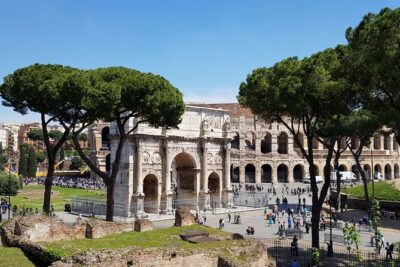 ★ 4.8Colosseum, Palatine Hill and Roman Forum Guided TourFrom $5232,814 reviews
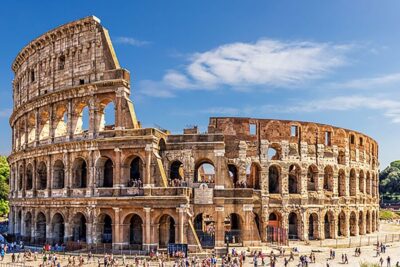 ★ 4.7Guided Tour of Colosseum, Roman Forum & Palatine HillFrom $5527,897 reviews
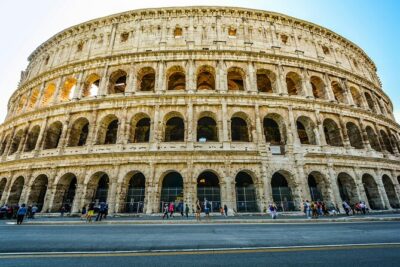 ★ 4.5Colosseum, Roman Forum and Palatine Hill Guided TourFrom $5923,903 reviews
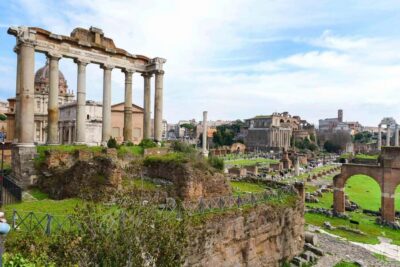 ★ 4.5Colosseum Arena Floor, Palatine & Forum Guided TourFrom $4120,180 reviews
 ★ 4.3Vatican Museums, Sistine Chapel and Basilica TourFrom $7316,039 reviews
 ★ 4.7Colosseum Arena, Palatine Hill & Forum Guided TourFrom $8414,510 reviews