
Reviewed · WALKING TOURS
Rome Highlights & Hidden Gems Guided Walking Tour
Rome is best when you start walking. This Rome Highlights & Hidden Gems guided stroll strings together the classics with the kind of local context that makes the streets feel personal. You’ll move through key central landmarks, then get that Rome-at-night glow across squares and monuments.
I especially like the balance of big-name stops (Trevi Fountain, the Pantheon, Piazza Navona) with shorter, storytelling-driven pauses that fill in the who/what/why behind what you’re seeing. Another big plus is the guide format: you’re never left staring at stones with no thread to follow.
One practical heads-up: the meeting point can be tricky to spot at first, and Rome crowds can make it harder to hear in the busy sections—so arrive a few minutes early and stick near your guide.
In This Review
- Key Highlights Worth Planning For
- A 2–2.5 Hour Walk That Makes Rome Feel Understandable
- Starting Near Trajan’s Column or Piazza Navona: Finding Your Guide Fast
- Monumento a Vittorio Emanuele II to Trevi Fountain: From Power to Romance
- Pantheon: The Stop That Usually Changes How You See Roman Architecture
- Piazza Navona: Squares That Explain Italy (Not Just Rome)
- Trajan’s Column and the Roman Empire in Street-Sized Portions
- Small Churches, a Painted Illusion, and the Fun Side of City History
- How the Guides Make or Break This Tour
- Price and Logistics: Is $29 Really Good Value?
- What to Wear, What to Bring, and How to Get the Most Out of the Walk
- Who This Tour Fits Best
- Should You Book This Rome Highlights & Hidden Gems Tour?
- FAQ
- How long is the Rome Highlights & Hidden Gems guided walking tour?
- Where do I meet my guide?
- What sights are included on the route?
- Is food and drink included?
- What languages are the tours offered in?
- Is this tour private or small-group style?
- What should I wear and bring?
- How much does the tour cost?
- Is there free cancellation?
- Is pay later available?
Key Highlights Worth Planning For
- Classic center, in one walk: Trevi, Pantheon, Piazza Navona, and more in a tight 2–2.5 hours.
- Story-first guiding: you get anecdotes, neighborhood context, and clear explanations rather than a rushed checklist.
- Evening/night atmosphere: monuments feel different when the light shifts, and the walk is timed for that effect.
- Less-obvious stops on the route: a Rome’s-smallest-church moment and a painted-illusion detail help break up the heavy hitters.
- Flexible group options: private or small groups are available, which can make the experience feel smoother.
A 2–2.5 Hour Walk That Makes Rome Feel Understandable
This is the kind of tour that works when you want orientation fast. You get a concentrated route through Rome’s historical center, timed so you’re seeing landmarks in evening or nighttime light. That matters because Rome’s surfaces change with the day—shadows stretch, façades glow, and the whole city stops looking like a map and starts looking like a lived-in place.
At a $29 per person price point for a guided walking tour, the value isn’t in access (you can see these sights on your own). It’s in the storytelling and the order of stops. A good guide turns scattered monuments into a sequence you can remember.
And because this tour is only a short session—2 to 2.5 hours—it’s easy to fit into a first night or a “one more thing before dinner” block. If you’re staying in the center, it’s also a low-effort way to avoid spending hours deciding what to see.
Worth a look next to this Rome booking:
- Rome: Guided Food Walking Tour with Wine in Trastevere
★ 4.9 · 3,105 reviews - Rome: Trastevere & Campo de Fiori Street Food Walking Tour
★ 4.9 · 2,768 reviews - Rome: Paranormal Night Walking Tour & Secret Backstreets
★ 4.9 · 1,921 reviews - Rome: Trastevere Street Food Walking Tour with Local Expert
★ 4.8 · 1,784 reviews
Starting Near Trajan’s Column or Piazza Navona: Finding Your Guide Fast
Your meeting point varies based on which option you book. Some versions have you meeting around Trajan’s Column, while others start around Piazza Navona. You might also see starting options tied to places like Piazza d’Aracoeli or Piazza di Pasquino.
Here’s what helps:
- Go to the meeting area early, not exactly on time.
- If you arrive and can’t spot the group, use the team’s help rather than wandering for 15 minutes.
- Give yourself buffer time at dusk. Rome crowds thicken, and it becomes easy to slip into the wrong flow of people.
In recent experiences, people have mentioned the start can be challenging to locate if the group is hard to spot from the street. So I’d treat the meeting point like a “check-in appointment,” not a quick meetup.
Monumento a Vittorio Emanuele II to Trevi Fountain: From Power to Romance
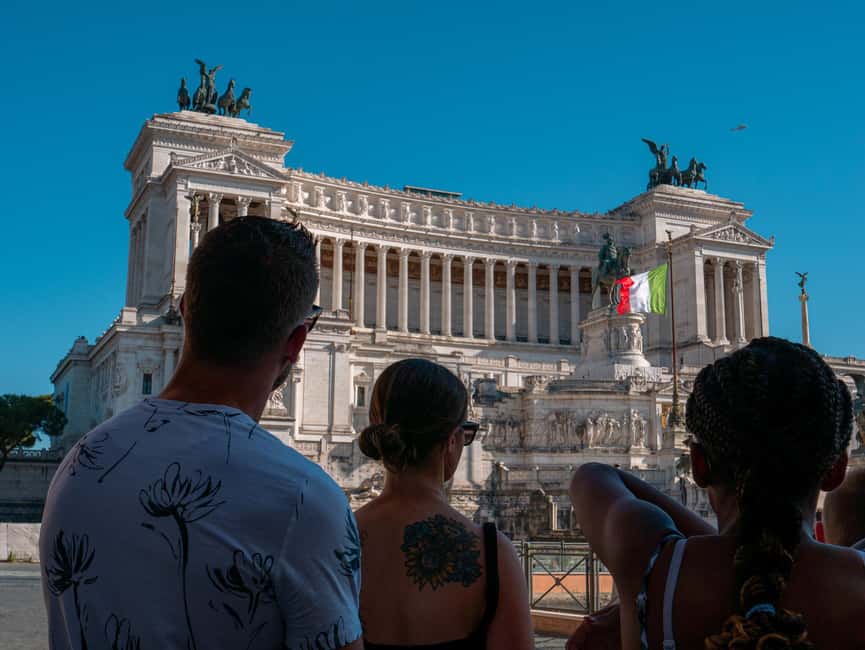
The walk often begins with Monumento a Vittorio Emanuele II (around 10 minutes on a guided stop). Even if you’ve seen photos, this area hits differently in person because it’s a statement of national identity—meant to look monumental, not subtle. Your guide’s job here is to connect the space to the stories Rome tells about Italy’s later history, not just ancient Rome.
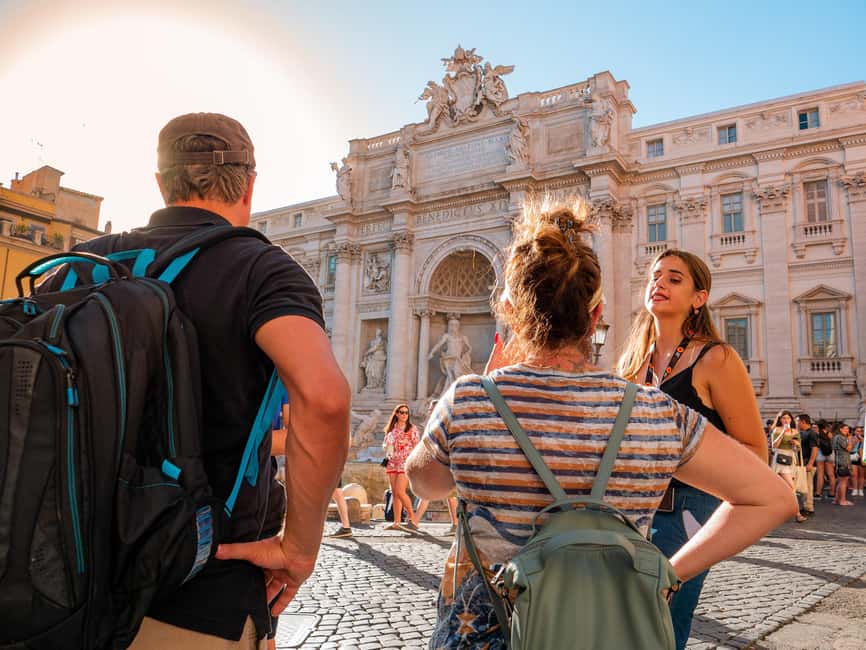
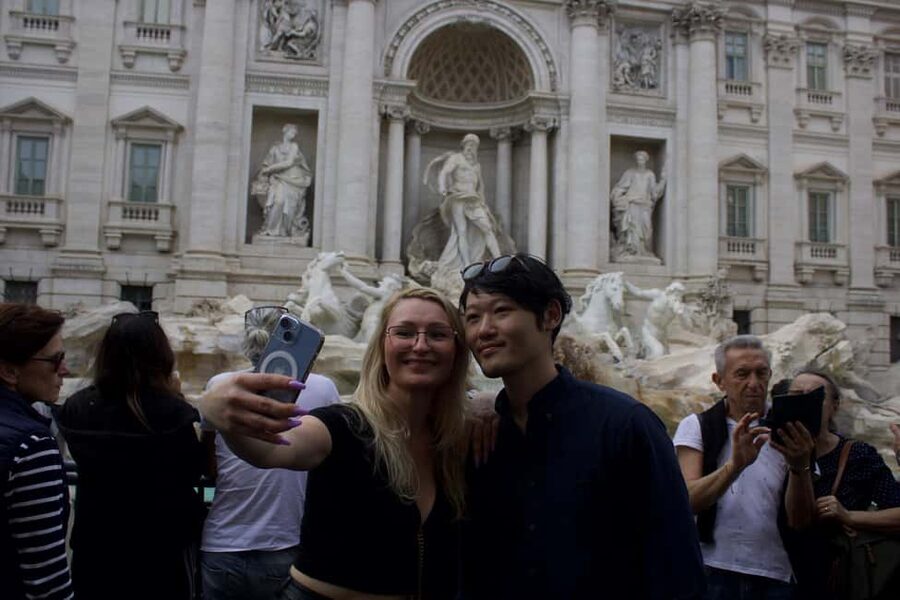
From there you move to Trevi Fountain for about 15 minutes. Trevi is famous for a reason, but the best part of this kind of stop is not the fountain itself—it’s what your guide tells you while you’re standing close enough to notice details. You’ll hear how the fountain fits into the city’s visual language, and you’ll get a sense of why this square became such a cultural magnet.
A good rule for Trevi: don’t try to take every photo. Instead, position yourself briefly, listen to the story, then step aside for your pictures once the moment is explained. It keeps you from feeling like you’re just “in line” for a selfie.
Pantheon: The Stop That Usually Changes How You See Roman Architecture
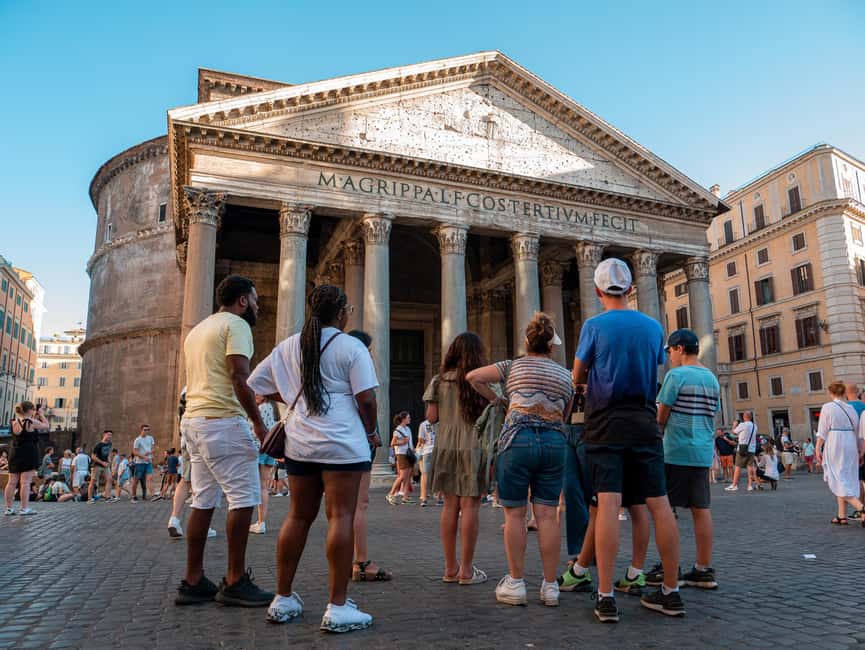
The Pantheon gets the most focused attention on this route—about 20 minutes guided. This stop is where the tour often earns its keep.
Why? Because the Pantheon is one of those places where your first reaction is usually, That’s impressive. The guide adds the second reaction: This is why it works. You’ll learn how Rome built for durability and how the building’s design connects to the way Romans thought about space.
Also, timing can help here. If you’re doing the walk in the evening or at night, the crowd mood changes and you get a calmer window to listen and look. It’s still a major site, but the atmosphere feels less frantic.
Practical note: keep your eyes moving. If you only stare straight ahead, you miss how the interior reads as one unified idea. Let your guide’s pace steer you.
Worth a look next to this Rome booking:

Piazza Navona: Squares That Explain Italy (Not Just Rome)
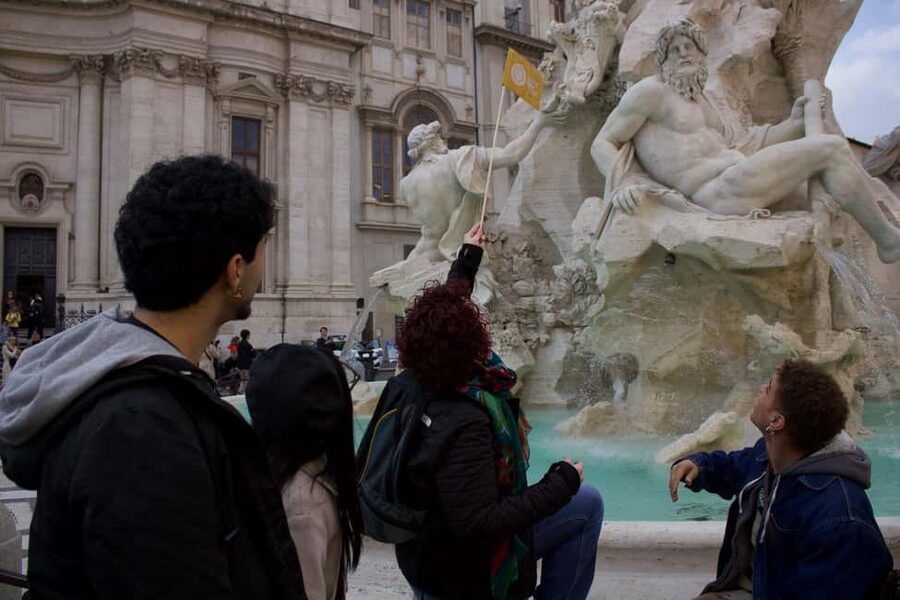
Piazza Navona is a highlight on the itinerary (about 20 minutes). It’s one of Rome’s great outdoor stages: churches, fountains, and the everyday swirl of people. The tour adds value by explaining the square’s historical significance and how certain public spaces connect to major chapters in Italy’s story—like unification and more recent political history.
One interesting detail on this route is that the guide weaves in scandals and political stories along the way. That’s not random trivia. In Rome, a lot of what you see in the center comes from waves of change: architects, regimes, and power shifts. Listening to those connections makes the city’s layers feel less confusing.
If you’re the type who likes to understand the “why” behind what you’re looking at, Piazza Navona is where you’ll feel it most. If you just want to snap pics and move on, you might feel slightly held back by the storytelling time. Still, it’s a short stop, so you’re not losing a big chunk of your day.
Trajan’s Column and the Roman Empire in Street-Sized Portions
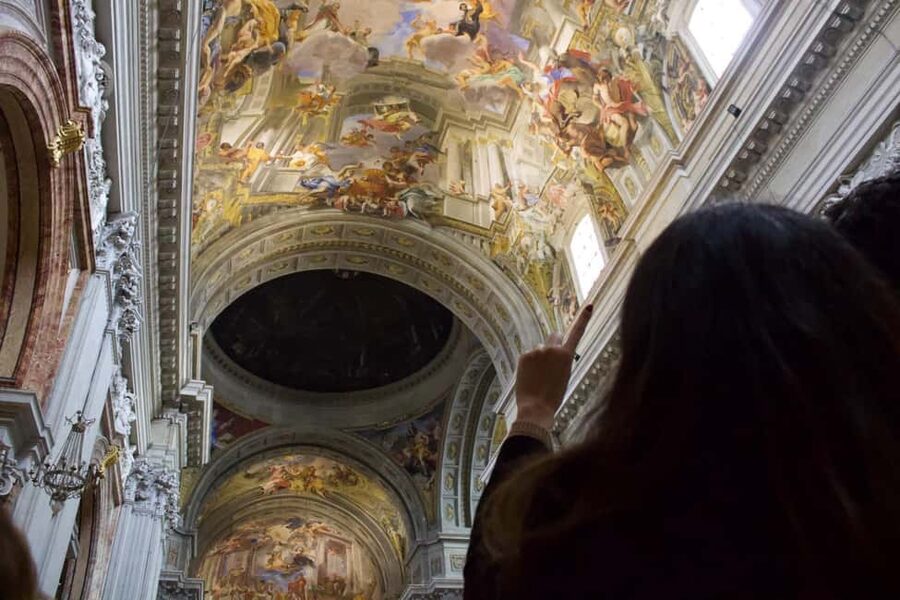
The final major historical anchor is Trajan’s Column, typically a guided stop of about 15 minutes. Even people who’ve seen the column in photos often don’t realize how much narrative density Rome packs into one monument.
A good guide here doesn’t treat it like a single object. They frame it as a piece in a bigger system of Roman messaging—what the monument was for, why it was designed the way it was, and how to read it as part of the empire’s public image.
Also, Trajan’s Column is a helpful mental marker for the rest of your trip. After this stop, you tend to navigate the center with a clearer sense of direction and historical context.
Small Churches, a Painted Illusion, and the Fun Side of City History
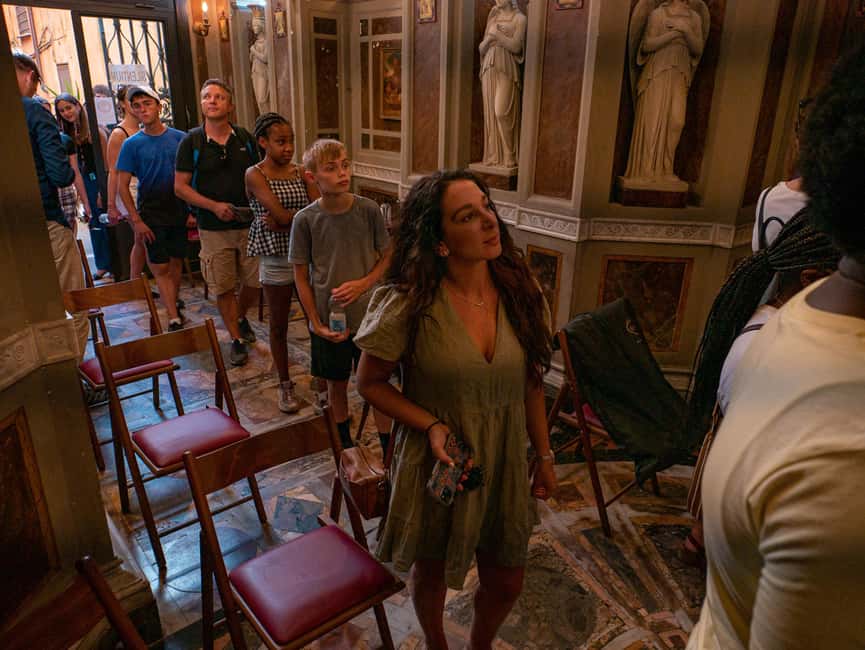
The tour doesn’t just chase the biggest names. You also pass Rome’s smallest church and a spot featuring a hidden painted illusion. These are exactly the kind of stops that make a walking tour feel worth it.
The big monuments can become a blur when you do Rome the DIY way. But small details reset your attention. They also help you remember that Rome isn’t only about what’s famous—it’s about what’s tucked into everyday street life.
If you like history with personality, this part tends to land well, especially when your guide links the tiny visual surprise to larger stories. You’ll also hear about scandals tied to Rome’s more recent politicians, adding a modern thread to a city famous for its ancient ones.
How the Guides Make or Break This Tour
The guides vary by departure, and the strength here is usually the same: friendly delivery, organized pacing, and clear explanations.
From recent guide names tied to this style of tour, you might encounter people like Tsi, Sila, Dan, Alina, Theo, Sharon, Dogus, Anna, and Dalila. Across those experiences, a recurring theme is a strong ability to turn facts into a walkable story—plus practical city tips along the way.
Two practical things I’d watch for in any guide like this:
- They should give you a quick heads-up on pickpockets and scams, because Rome’s center has plenty of temptation for distracted visitors.
- They should check the group and keep the pace comfortable. Some guides adjust timing if the group gets tangled in crowds, which matters in central Rome.
If your group is small or private, you usually get more time for questions and a smoother experience. One recent group was around eight people, and that size is ideal for staying together without feeling packed.
Price and Logistics: Is $29 Really Good Value?
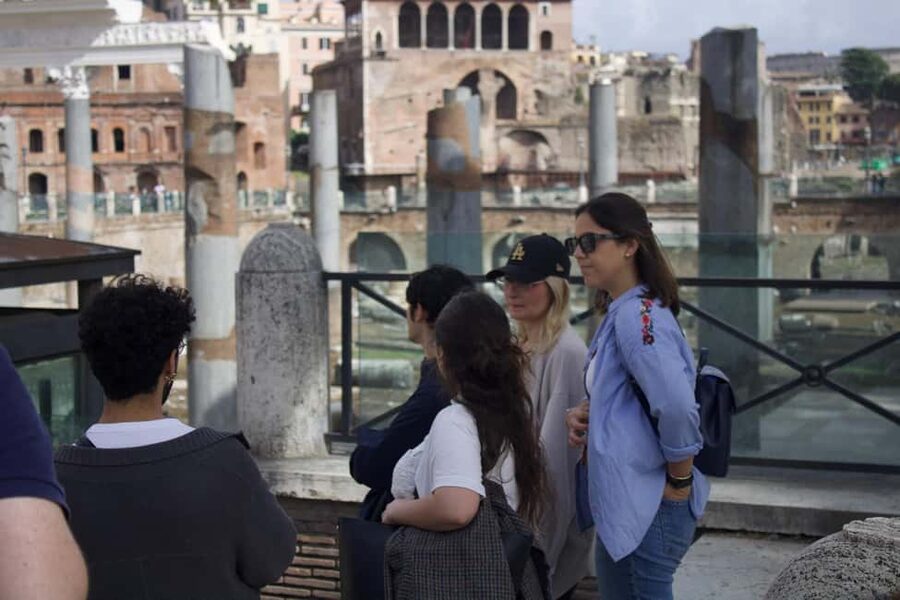
At $29 per person for a guided walking tour lasting about 2–2.5 hours, the value is strong if you want context fast. You’re not paying to get into closed sites (food and drink aren’t included, and most of what you see is outside or in public spaces). You’re paying for orientation, pacing, and a guide who can explain what you’re looking at while you’re actually there.
The best way to think about it: if you spend a day bouncing between major sites without a thread, you’ll still see the landmarks, but you may forget why they mattered. This tour is designed to make those stops connect.
The one logistic trade-off is the meeting point clarity and the sound level in crowded areas. If you’re sensitive to noise, try to stay near the front of the group and avoid stopping too far back during the densest intersections.
What to Wear, What to Bring, and How to Get the Most Out of the Walk
This tour is a walking experience, so treat it like one. Bring comfortable shoes and comfortable clothes. Rome can be uneven underfoot, and evening walking adds a little extra fatigue.
If you want to hear the guide well:
- Position yourself where you can see and hear clearly.
- Don’t get stuck near the edges where crowds surge around you.
- If it’s crowded, let the group pass first, then move for your photos after the key story is finished.
If you’re doing this as a first activity in Rome, it’s also a smart moment to take mental notes. Your guide will often give practical suggestions that help you plan dinner and the rest of your trip.
Who This Tour Fits Best
This walk is a great fit if:
- You want to cover major center highlights without building a complicated itinerary.
- You’re visiting for a short time and want a quick “Rome in context” introduction.
- You like city storytelling—architecture, politics-as-you-walk, and neighborhood history in plain language.
- You prefer small-group or private pacing.
It may be less ideal if:
- You hate guided talking and want only silent wandering.
- You’re dealing with mobility limits and can’t do a steady walking route (the tour duration is short, but it’s still continuous).
- You’re the type who only cares about getting inside paid museums and cathedrals. This experience focuses on the central sights and the street-level view.
Should You Book This Rome Highlights & Hidden Gems Tour?
I’d book it if you want a smart first-night plan: short enough to keep energy for dinner, structured enough that you don’t lose the plot, and timed for the Rome glow after dark. The Pantheon and Trevi stops are worth it, but the real value is how your guide connects them to the city’s bigger story.
I’d also book it if you like your Rome with details—like the painted illusion and the small church moments that break up the heavy hitters. Those are the kinds of stops that make you feel like you saw Rome’s personality, not just its postcard angles.
Just be ready for the one real friction point: the start can be hard to spot, and central crowds can drown out sound. Show up early, stay close to the guide, and treat the meeting as part of the experience.
FAQ
How long is the Rome Highlights & Hidden Gems guided walking tour?
It lasts about 2 to 2.5 hours, depending on the departure.
Where do I meet my guide?
The meeting point can vary depending on the option you book. It may be near Trajan’s Column or Piazza Navona, with other starting options listed as well.
What sights are included on the route?
The walk includes major stops such as Trevi Fountain, the Pantheon, Piazza Navona, Trajan’s Column, and other central landmarks in the historical center.
Is food and drink included?
No. Food and drink are not included.
What languages are the tours offered in?
The tour guide speaks English and Spanish.
Is this tour private or small-group style?
Private or small groups are available.
What should I wear and bring?
Wear comfortable shoes and comfortable clothes.
How much does the tour cost?
The price is $29 per person.
Is there free cancellation?
Yes. You can cancel up to 24 hours in advance for a full refund.
Is pay later available?
Yes. You can reserve now and pay later to keep travel plans flexible.
More Walking Tours in Rome
- Rome: Guided Food Walking Tour with Wine in Trastevere
★ 4.9 · 3,105 reviews - Rome: Trastevere & Campo de Fiori Street Food Walking Tour
★ 4.9 · 2,768 reviews - Rome: Paranormal Night Walking Tour & Secret Backstreets
★ 4.9 · 1,921 reviews - Rome: Trastevere Street Food Walking Tour with Local Expert
★ 4.8 · 1,784 reviews - Rome: Small-Group Guided Day or Night Walking Tour
★ 4.8 · 1,009 reviews - Rome by Night Walking Tour – Legends & Criminal Stories
★ 4.5 · 1,003 reviews
More Tours in Rome
- Vatican Museums, Sistine Chapel & St. Peter’s Basilica Tour
★ 4.3 · 73,970 reviews - Vatican Museums, Sistine Chapel & St Peter’s Basilica Guided Tour
★ 4.5 · 39,149 reviews - Rome: Colosseum, Palatine Hill and Roman Forum Guided Tour
★ 4.8 · 32,814 reviews - Rome: Guided Tour of Colosseum, Roman Forum & Palatine Hill
★ 4.7 · 27,897 reviews - Rome: Colosseum, Roman Forum and Palatine Hill Guided Tour
★ 4.5 · 23,903 reviews - Rome: Colosseum Arena Floor, Palatine & Forum Guided Tour
★ 4.5 · 20,180 reviews
More Tour Reviews in Rome
- Vatican Museums, Sistine Chapel & St. Peter’s Basilica Tour
★ 4.3 · 73,970 reviews - Vatican Museums, Sistine Chapel & St Peter’s Basilica Guided Tour
★ 4.5 · 39,149 reviews - Rome: Colosseum, Palatine Hill and Roman Forum Guided Tour
★ 4.8 · 32,814 reviews - Rome: Guided Tour of Colosseum, Roman Forum & Palatine Hill
★ 4.7 · 27,897 reviews - Rome: Colosseum & Forum with Audio Guide App -Optional Arena
★ 4.2 · 24,770 reviews - Rome: Colosseum, Roman Forum and Palatine Hill Guided Tour
★ 4.5 · 23,903 reviews
Just added to our Rome reviews



Walking Tours, compared.
 ★ 4.9Guided Food Walking Tour with Wine in TrastevereFrom $1003,105 reviews
 ★ 4.9Trastevere & Campo de Fiori Street Food Walking TourFrom $512,768 reviews
 ★ 4.9Paranormal Night Walking Tour & Secret BackstreetsFrom $341,921 reviews
 ★ 4.8Trastevere Street Food Walking Tour with Local ExpertFrom $571,784 reviews
 ★ 4.8Small-Group Guided Day or Night Walking TourFrom $231,009 reviews
 ★ 4.5Rome by Night Walking Tour – Legends & Criminal StoriesFrom $141,003 reviews
 ★ 4.4Guided City Center Evening Sightseeing Walking TourFrom $46953 reviews
 ★ 4.9Small-Group City Highlights Moonlight Walking TourFrom $29949 reviews
Browse the lists this tour appears in