Reviewed · ROME
Rome: Giuseppe Verdi’s “La Traviata” Live Performance
One church can change how you hear Verdi.
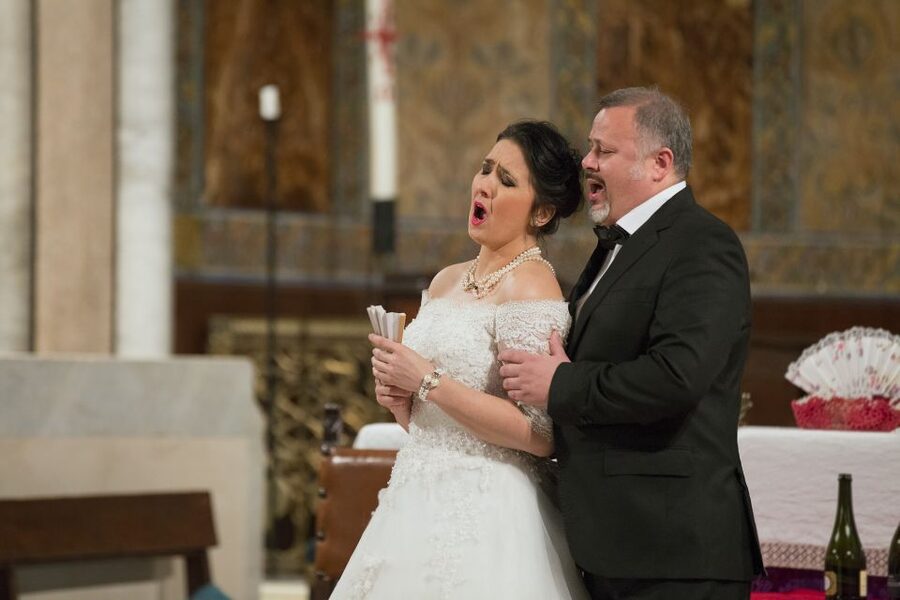
In Rome’s St. Paul’s Within the Walls Church (Via Nazionale 16/A), you get a live staging of Giuseppe Verdi’s famous La Traviata with a full orchestra and choir, starting at 8:30 pm for about two hours.
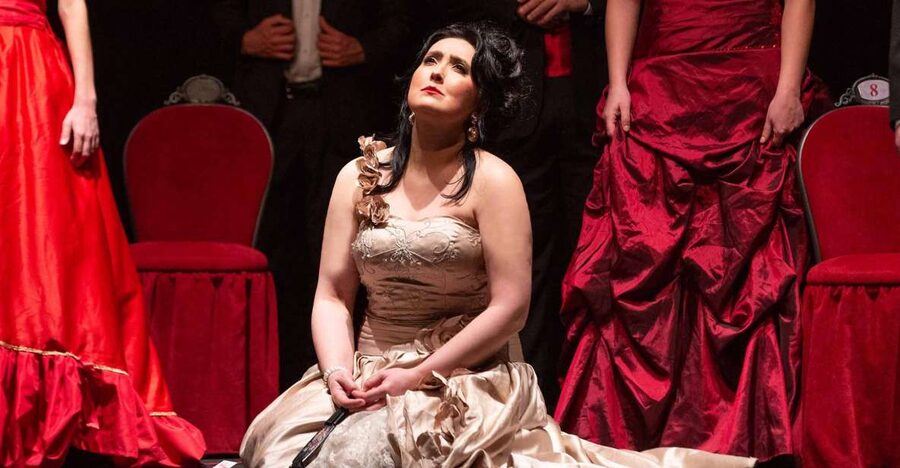
What I love most is the sound in that room—the kind of acoustics that makes voices feel close and immediate—and the quality of the singers. You’ll also notice the production has real theatrical care, with named principal performers like Aleksandra Buczek as Violetta and Emil Alekperov as Alfredo, led by conductor Elvin Dhimitri.
One thing to plan for: in a church setup, sight lines and comfort can be hit-or-miss. Hard pews, warm air, and a floor-level stage mean your seat choice matters more than you’d expect.
In This Review
- Quick Take
- St. Paul’s Within the Walls: A church that changes the way you hear opera
- The 2-hour rhythm of La Traviata, from love to consequences
- Act 1: Violetta’s world, and the emotional pressure begins
- Act 2: Love gets tangled with reputation and control
- Act 3: The consequences land, and the music turns reflective
- The cast and creative team: the people behind your favorite melodies
- Seating and sight lines in a church: what to expect, and how to choose well
- Timing your evening in Rome: a simple plan for a smooth show
- Value at $41: is this a smart first opera ticket?
- Who should book La Traviata in Rome like this?
- Should you book this Rome La Traviata performance?
- FAQ
- Where is the performance located?
- What time does the performance start and end?
- How long is the show?
- Is food and drinks included?
- Is the venue wheelchair accessible?
- Is the performance in English?
- Are pets allowed?
- Is there free cancellation?
Quick Take
- St. Paul’s Within the Walls turns opera into a close-up listening experience, not a distant show
- La Traviata’s three acts follow Violetta Valéry’s fight for love and freedom, with orchestra and choir driving the emotion
- Standout vocal performances are a top reason people rave, especially for range and dynamics
- Church seating reality check: sight lines vary a lot, and benches can be tough for two hours
- Not in English: it’s easier if you know the basic story first
- No food included, so plan your pre-show meal so you’re not hungry or rushing in
St. Paul’s Within the Walls: A church that changes the way you hear opera
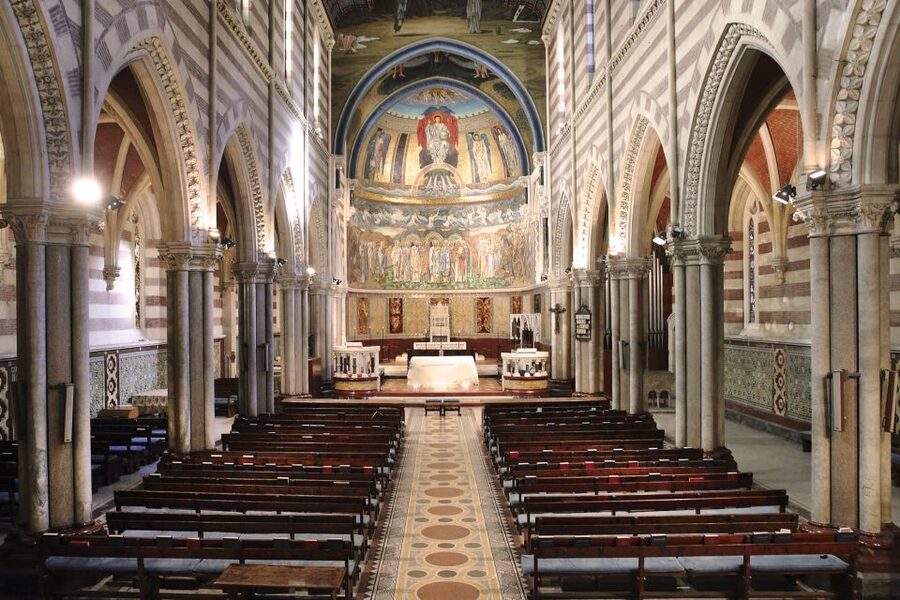
Rome has plenty of famous concert halls and theaters. This one is different because you’re not just watching La Traviata—you’re inside a church that behaves like a giant instrument.
St. Paul’s Within the Walls has that layered, ancient feel. The room is intimate in practice: seating is limited, and you’re far closer to the action than you might expect. One review noted the church has only about 20 rows, which helps explain why so many people describe the performance as memorable and close.
The big win here is acoustics. Multiple people praised the sound quality in the church, and that tracks with how opera sings. Verdi relies on clear phrasing and emotional control, and a good acoustic room lets those vocal details land without needing a giant theater volume.
But there’s a tradeoff. Church architecture isn’t designed for opera sight lines, and the stage area is essentially at floor level. If you’re toward the back, you might feel like you’re listening more than watching. If you’re hoping to see every gesture and dance movement perfectly, aim for a seat that puts you closer to the performers.
Weighing this one up? Here is how a few Rome favourites compare:
- Vatican Museums, Sistine Chapel & St. Peter’s Basilica Tour
★ 4.3 · 73,970 reviews - Vatican Museums, Sistine Chapel & St Peter’s Basilica Guided Tour
★ 4.5 · 39,149 reviews - Rome: Colosseum, Palatine Hill and Roman Forum Guided Tour
★ 4.8 · 32,814 reviews - Rome: Guided Tour of Colosseum, Roman Forum & Palatine Hill
★ 4.7 · 27,897 reviews
The 2-hour rhythm of La Traviata, from love to consequences
This performance runs about two hours, and it’s built as Verdi’s classic three-act melodrama. You start in the church in the late evening—8:30 pm—when Rome’s streets are quieter and the inside of the venue feels like a calm pocket away from the city.
Here’s how to think about what you’ll experience across the evening, so you don’t feel lost when the drama ramps up:
Act 1: Violetta’s world, and the emotional pressure begins
Violetta Valéry is the center of gravity. Her story is romantic, but it’s also about freedom—how much of your life you can choose, and what it costs when love turns into commitment.
If you arrive knowing the basic outline, you’ll enjoy Act 1 more. Some people find that they left during or after the first act because they couldn’t follow the plot. That’s not a comment on the quality of the singers—it’s a reminder that opera is fast-moving when you don’t already have the story in your head.
Act 2: Love gets tangled with reputation and control
By Act 2, the energy tightens. Verdi’s music pushes relationships toward conflict, and the cast has to deliver both lyric beauty and dramatic intent. This is where you’ll really feel why so many reviews single out vocal range and dynamics. In a good performance, the singers don’t just hit notes—they shape how the audience understands the emotional stakes.
Act 3: The consequences land, and the music turns reflective
Act 3 is where the opera’s tragedy becomes unavoidable. Even if you don’t follow every word, you’ll understand the arc through tone and musical pacing. One of the most practical things I can suggest: watch how the orchestra supports the singers. In a live performance with choir and orchestra, the music often tells you what the words can’t—especially if the performance is not in English.
Also, keep an eye out for staged movement and ballet-like interludes. Reviews mention balletic moments that add visual texture. They’re part of the show’s theatrical flavor, but if you’re seated where the floor level blocks your view, you may not catch every visual detail.
The cast and creative team: the people behind your favorite melodies
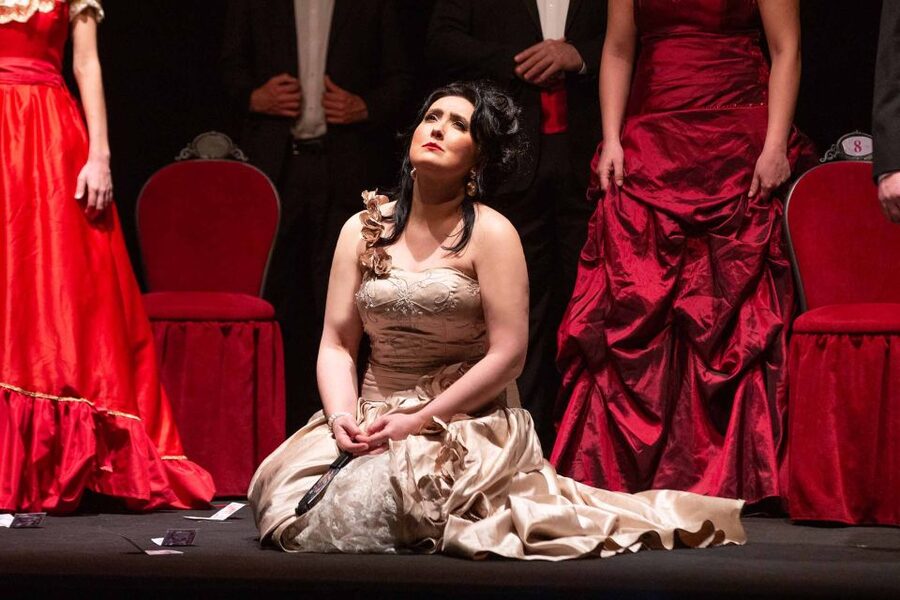
This staging is performed by Opera e Lirica artists, with the Opera e Lirica Orchestra and a choir that covers servants, noblemen, friends of Violetta and Flora, masks, and more. That choir list matters because it tells you the production isn’t a stripped-down concert-style version. It’s trying to feel theatrical inside the church.
Here are the credited roles and performers you can listen for:
- Violetta Valéry (Soprano): Aleksandra Buczek
- Alfredo Germont (Tenor): Emil Alekperov
- Giorgio Germont (Baritone), Alfredo’s father: Cristian Alderete
- Flora Bervoix / Annina (Mezzo-soprano): Anastasiia Demchenko
- Gastone, Viscount of Letorières (Tenor): Andrea Pecci
- Barone Duphol (Baritone): Andrea Scorsolini
- Marchese d’Obigny (Bass): Matteo Nardinocchi
- Commission Agent (Bass): Giuseppe Trovato
The conductor is Elvin Dhimitri. The artistic direction is Giusi Cuccaro. Costumes and scenes are credited to Bolero Sartoria.
Why I’m listing all this: when you recognize names and roles beforehand, you stop treating opera like a blur of sound. Instead, you listen for specific voice types and characters. That’s especially helpful if the performance isn’t in English and you want to anchor your understanding to who’s singing and what kind of emotional role they play.
A conductor-led orchestra also makes a difference. In opera, tempo is meaning. Dhimitri’s job is to keep the singers expressive while maintaining structure across the three acts. That balance is often what separates a good night from a memorable one.
Seating and sight lines in a church: what to expect, and how to choose well
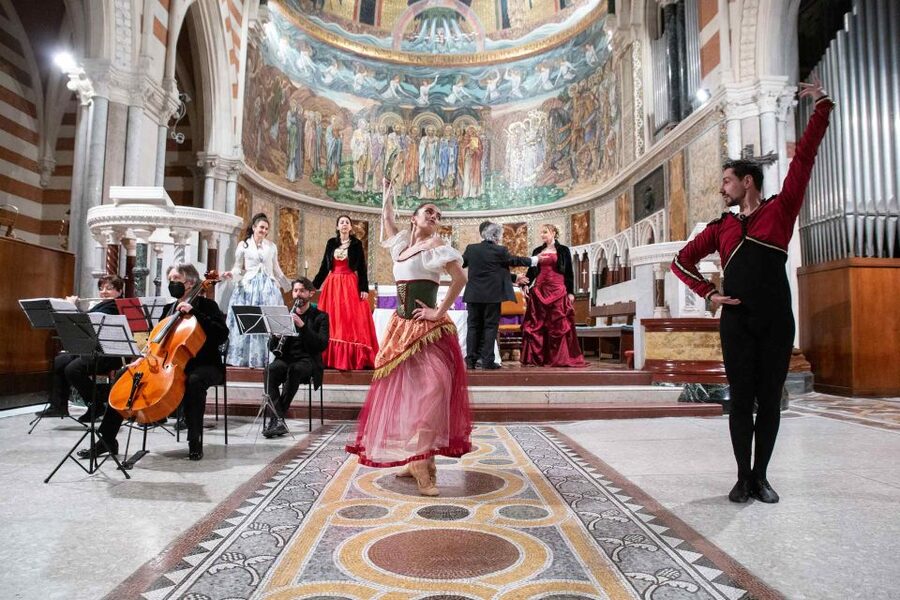
Here’s the part that can make or break your enjoyment, even if the singing is top-notch.
This is pew seating, not padded theater chairs. Reviews mention hard benches and suggest bringing something small for comfort. If you’re sensitive to discomfort, pack a thin cushion or seat pad. Two hours sounds short until you’re seated in a church with limited flexibility.
Sight lines are another variable. Because the stage is at floor level, your position really matters:
- Sit closer if you want a better view of staging and any dancers.
- If you’re further back, you may find you’re watching the music more than the visuals.
- Arriving late can be a problem. One review described poor viewing after arriving only about 10 minutes before.
Acoustics can also depend on where you’re seated. Some people felt sound was fantastic, while others noted that the height and geometry of the room could affect how clear things sounded from certain areas.
If you’re choosing between comfort and viewing, prioritize the seat that helps you see and hear clearly without strain. Opera is intense. Your body should be able to relax enough to let the music work.
Timing your evening in Rome: a simple plan for a smooth show
This performance is a late start: 8:30 pm. That timing is smart if you’re already doing the usual Rome rhythm of sightseeing earlier in the day and then easing into something indoor.
Food and drinks are not included, so build your evening around that. Eat before you go, or at least plan something nearby beforehand. The main practical goal: don’t show up hungry or rushed, because once you’re in the church you’ll want to settle and focus.
Also, consider temperature. Several reviews mention warmth in the venue during hotter periods, with limited ventilation. That’s not a reason to skip it, but it’s a reason to dress in light layers you can tolerate for a two-hour seated show.
My best tip is boring but effective: arrive early enough to get your seat sorted without stress. In a space where sight lines matter, being calm at arrival gives you better odds.
Value at $41: is this a smart first opera ticket?
At $41 per person, this is priced as a very accessible way into live opera. One review called it a good value option for a first experience, and that’s exactly how I’d frame it.
Live opera often costs much more elsewhere, and La Traviata is one of the most performed masterpieces in the lyric tradition. So for the money, you’re getting:
- a famous, frequently performed Verdi work
- a full live setup with choir and orchestra
- named principal singers and a credited conductor
- a venue experience that’s different from a standard theater
If you’re new to opera, this kind of staging can be a great gateway because the story is emotionally direct. If you’re an opera nerd, you’ll still enjoy the music because the singers are doing real theatrical work, not just singing in place.
The one value risk is the language barrier. Since the performance is not in English, you need a basic story map to get full mileage. If you read a plot synopsis before you go, you’ll get a smoother experience and avoid the moment where you realize you’re not sure what just happened.
Who should book La Traviata in Rome like this?
Book it if you want high-impact singing in a setting that feels special without committing to a big-city opera theater night.
You’ll likely love it if:
- you want your first taste of Verdi
- you care more about vocal performance and mood than perfect stage visuals
- you enjoy listening in an atmospheric room like a church
Consider skipping or adjusting expectations if:
- you need super clear sight lines to enjoy choreography or dancers
- you’re very sensitive to sitting on hard pews for two hours
- you don’t want to do any prep for a non-English performance (even a quick story read helps)
Should you book this Rome La Traviata performance?
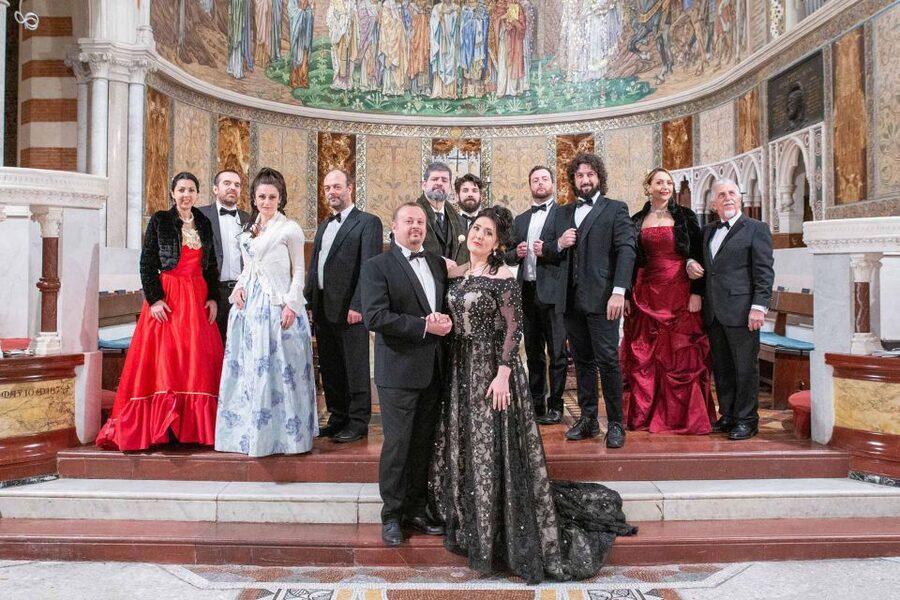
Yes, if you’re choosing based on value and vocal quality. For $41, in a famous opera title, with a full orchestra/choir and standout named performers, it’s a strong deal.
I’d especially recommend booking if you’re open to the church setting and you arrive early to pick the best seat you can get. Do a little prep on the story beforehand, and you’ll turn what could be a hard-to-follow evening into a genuinely rewarding one.
FAQ
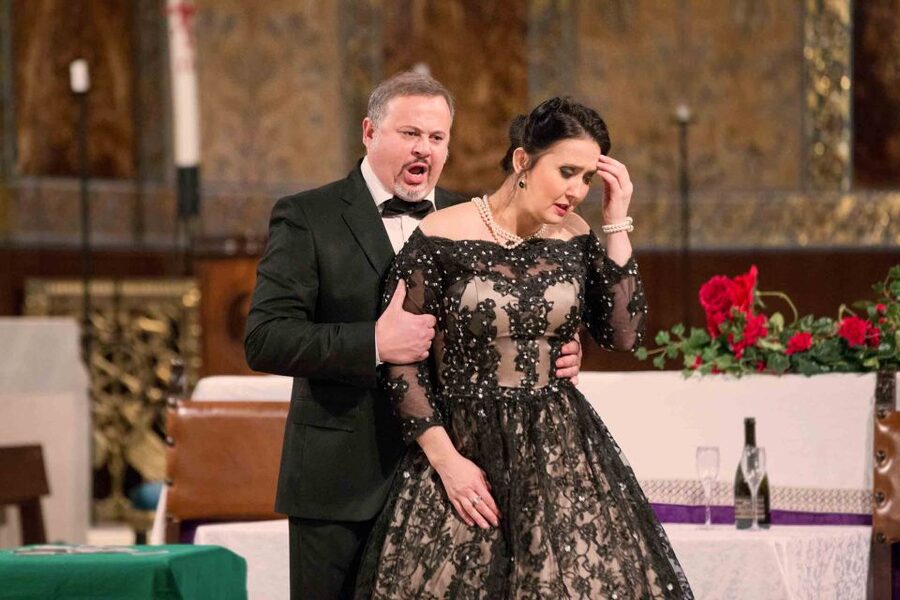
Where is the performance located?
It takes place at St. Paul’s Within the Walls Church on Via Nazionale 16/A in Rome. You should make your way to the church for the show.
What time does the performance start and end?
The show starts at 8:30 pm and ends at 10:30 pm.
How long is the show?
The duration is about 2 hours.
Is food and drinks included?
No. Food and drinks are not included.
Is the venue wheelchair accessible?
Yes, the venue is wheelchair accessible.
Is the performance in English?
No. It’s not in English.
Are pets allowed?
No, pets are not allowed.
Is there free cancellation?
Yes. You can cancel up to 24 hours in advance for a full refund.
More Tour Reviews in Rome
- Vatican Museums, Sistine Chapel & St. Peter’s Basilica Tour
★ 4.3 · 73,970 reviews - Vatican Museums, Sistine Chapel & St Peter’s Basilica Guided Tour
★ 4.5 · 39,149 reviews - Rome: Colosseum, Palatine Hill and Roman Forum Guided Tour
★ 4.8 · 32,814 reviews - Rome: Guided Tour of Colosseum, Roman Forum & Palatine Hill
★ 4.7 · 27,897 reviews - Rome: Colosseum & Forum with Audio Guide App -Optional Arena
★ 4.2 · 24,770 reviews - Rome: Colosseum, Roman Forum and Palatine Hill Guided Tour
★ 4.5 · 23,903 reviews