
Reviewed · ROME
Rome: Gelato Masterclass with Live Chief and Tastings
Gelato gets serious here. In just 1 hour, you’ll learn the basics from a live chief and taste the classics that make Rome’s dessert obsession tick. It’s a small group lesson, so you’re not just standing and watching.
I especially like the hands-on rhythm—measuring, mixing, and getting a real sense for what changes the texture. And I like how the flavors build: fiordilatte first, then stracciatella, then fruit ice cream.
One possible drawback: it’s short. If you’re hoping for a long, sit-down experience with lots of extra samples, this is more of a focused workshop.
In This Review
- Key points to know before you go
- A one-hour gelato masterclass with a real teacher
- Where to meet outside Verde Pistacchio (and why it’s easy)
- The flavor lineup: fiordilatte, stracciatella, and fruit ice cream
- Fiordilatte: the simple base that matters
- Stracciatella: creamy plus chocolate pieces
- Fruit ice cream: fresh pieces on the same foundation
- One extra tasting you might notice
- What you actually do: step-by-step gelato making
- Ingredient selection: the skill behind the flavor
- Measuring and mixing: where the texture is won or lost
- After the class: how you’ll shop for gelato differently
- Rain or shine: a workshop that keeps moving
- English and Italian: expect both in the room
- Small group of 6: why it changes the quality of the class
- Who should book this gelato masterclass in Rome
- When you might skip it
- Price and value: is it worth it for one hour?
- Should you book this gelato masterclass?
- FAQ
- What is the duration of the Rome gelato masterclass?
- How many people are in the group?
- What flavors will I taste during the class?
- What language will the guide teach in?
- Does the class run in bad weather?
- Are pets allowed?
Key points to know before you go
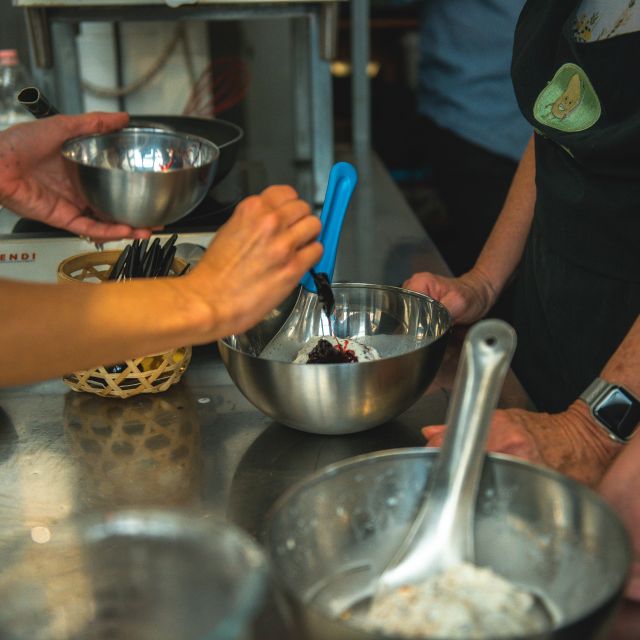
- A live chief teaches in a step-by-step format, with tools and ingredients ready for you
- Tastings aren’t an afterthought: fiordilatte, stracciatella, and fruit ice cream are part of the core plan
- You learn to pick better ingredients, not just follow a recipe
- Hands-on measuring and making helps you understand what changes the gelato texture
- Small groups of up to 6 keep the lesson practical and questions easy
A one-hour gelato masterclass with a real teacher
This is the kind of Rome experience that fits cleanly into a travel day. Not a museum marathon. Not a long dinner. You get a concentrated class with a live chief, then you get to eat what you helped make.
The format matters. With a group limited to 6, the class doesn’t float past you. You’re in the work, not stuck at the edge of the room. And because it’s taught in English and Italian, you can catch the meaning even if one language is your weaker one.
It also helps that the class is built for participation. The experience includes instructions for making gelato, plus the tools and ingredients so you can follow along without hunting around.
Weighing this one up? Here is how a few Rome favourites compare:
- Vatican Museums, Sistine Chapel & St. Peter’s Basilica Tour
★ 4.3 · 73,970 reviews - Vatican Museums, Sistine Chapel & St Peter’s Basilica Guided Tour
★ 4.5 · 39,149 reviews - Rome: Colosseum, Palatine Hill and Roman Forum Guided Tour
★ 4.8 · 32,814 reviews - Rome: Guided Tour of Colosseum, Roman Forum & Palatine Hill
★ 4.7 · 27,897 reviews
Where to meet outside Verde Pistacchio (and why it’s easy)
Meet outside Verde Pistacchio, across the road from the church. That’s the key landmark, and it’s specific enough to reduce stress when you’re already walking Rome streets.
If you like being extra prepared, the coordinates are 41.901363372802734, 12.493927955627441. Put that in your map app and you should find the spot quickly, even if you’re arriving from a nearby sightseeing detour.
Plan to arrive a few minutes early. This class runs for 1 hour, so you don’t want to be the person asking where everyone went while the gelato is already cooling.
The flavor lineup: fiordilatte, stracciatella, and fruit ice cream
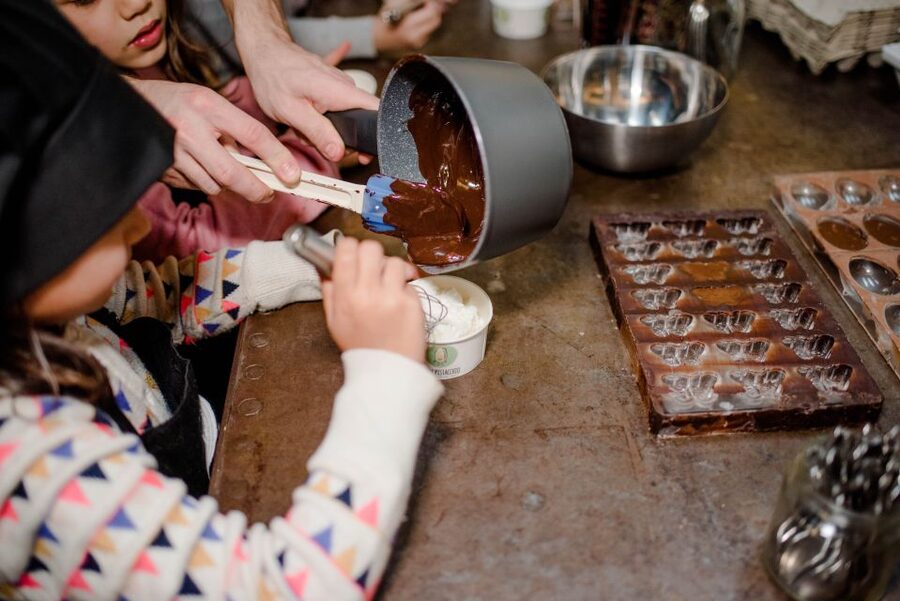
The tastings are not random. They’re organized around a foundation, then variations. That structure is what makes the class useful after your last bite.
Fiordilatte: the simple base that matters
Fiordilatte is treated like the starting point for a reason. You’re tasting a version described as simple and built from sugar, milk, and cream. The point for you: once you taste the base, you notice what later additions actually change.
This is also why the tasting is educational. If you only ever eat gelato from cones, you tend to remember flavors as one-off tastes. Here, you’ll start linking taste to ingredients and technique.

Stracciatella: creamy plus chocolate pieces
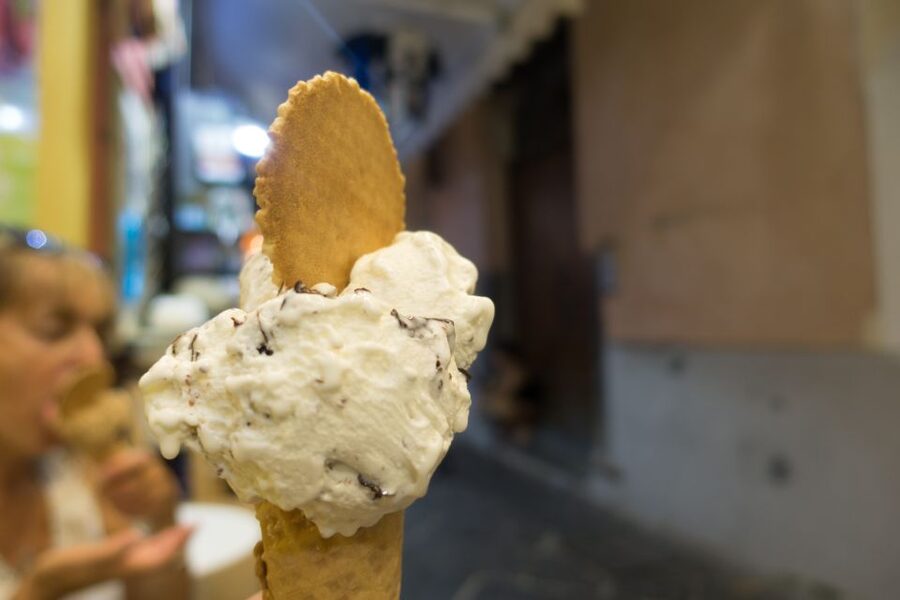
Next comes stracciatella. You’ll taste a creamy base made from cream or fiordilatte, with chocolate pieces added. The contrast is the hook: the creamy texture plus crunch from the chocolate makes it feel more layered than plain vanilla-style flavors.
What I like about learning stracciatella after fiordilatte is that it teaches you how a small change can create a completely different eating experience.
Fruit ice cream: fresh pieces on the same foundation
Then you get fruit ice cream, starting from a fiordilatte base with fruit pieces added. The description emphasizes a fresh, delicious taste that’s loved by everyone.
This is the moment where your takeaway becomes practical. You’re not just learning a single recipe. You’re learning how fruit toppings or inclusions can be folded into a base.
One extra tasting you might notice
In the experience feedback, some people highlight additional flavors as part of the tasting session, including salted pistachio. That may vary by session, but it’s a good reminder that your tasting may include more than the three named staples.
What you actually do: step-by-step gelato making
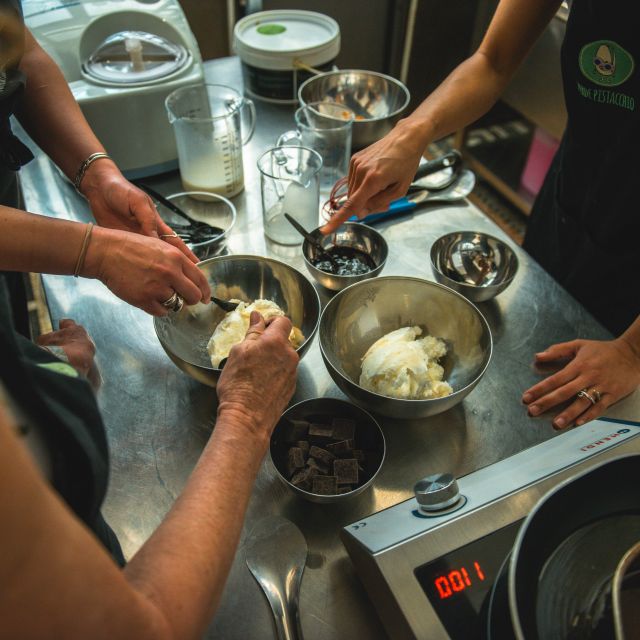
This isn’t a lecture with a few bites. You follow a step-by-step process to prepare the gelato, and the class includes the tools and ingredients so you can participate.
A standout element in the feedback is the way the chief explains the science behind the process. You’ll hear explanations that connect actions to results, and you’ll also do the measuring yourself. That hands-on part is what turns the class from entertainment into something you can reuse later.
Ingredient selection: the skill behind the flavor
You’ll learn how to pick out the best ingredients for the dish. Even without a written notebook, that kind of instruction sticks. When you go looking for gelato later, you’ll have a checklist in your head instead of relying only on gut feel.
The class also points out differences between higher-quality gelato made with good ingredients and lower-quality gelato. That matters because gelato often gets judged by flavor only. Here, you learn to connect flavor to quality choices.
Measuring and mixing: where the texture is won or lost
You’ll measure your own gelato during the workshop. That sounds basic, but it’s exactly the part that helps you understand why two recipes that sound similar can produce different texture.
The best part is that the class is paced for participation. Since it’s small group size, you’re not stuck waiting for someone else to finish while your mixing bowl turns into a museum artifact.
After the class: how you’ll shop for gelato differently
One of the most useful takeaways is that you start to see gelato shops with clearer eyes. The instruction includes tips on how to spot good gelato shops while you’re in Rome.
This is more valuable than it sounds. Rome has plenty of places selling gelato, and not every cup is equal. Once you understand how ingredients and method affect the final result, you’ll pick more confidently.
I also like that the class focuses on practical markers instead of vague advice. If someone explains what makes a gelato stand out, you can recreate the logic the next time you’re deciding between two counters and one hundred toppings.
And because you tasted a base (fiordilatte), a variation (stracciatella), and a fruit-style version, you get a baseline comparison. You’re not just hunting for your favorite flavor. You’re looking for quality in how those flavors are built.
Rain or shine: a workshop that keeps moving
This class runs rain or shine. That’s a real perk in Rome, where weather can flip fast and sightseeing plans scramble. If the forecast looks iffy, a one-hour indoor-focused workshop can be a smart fix.
It’s also good that the class is designed as a compact session. If your schedule is packed with Colosseum time, basilicas, and long walks, 1 hour is manageable. You can still get your evening plans in without feeling like you booked an all-day commitment.
English and Italian: expect both in the room
The live guide works in English and Italian. One review notes that the teacher may speak both languages during the tour, so you can expect a mix in the conversation.
Practically, that helps everyone. If you’re comfortable in English, you’ll follow the main instruction. If you catch a few Italian words, it also helps you feel more connected to the setting instead of treating it like a sealed-off classroom.
Small group of 6: why it changes the quality of the class
The class is limited to 6 participants, which affects your experience more than you might think.
In a larger class, the chief would have to rotate attention, and you’d spend more time waiting your turn. Here, you’re more likely to get direct help while you measure, mix, or ask a question.
Also, small group size makes the tasting part feel calmer. You’re not fighting for elbow space around the counter. You can actually focus on what you taste, which is the difference between eating gelato and learning gelato.
Who should book this gelato masterclass in Rome
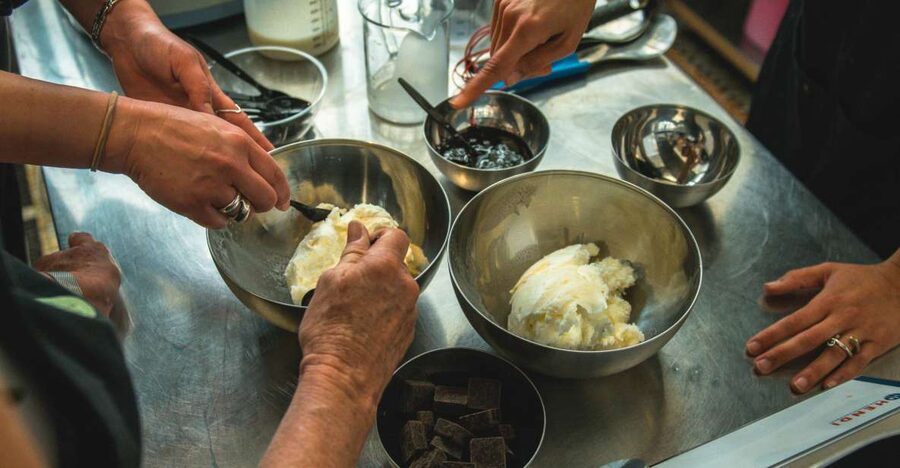
This works best if you want a hands-on food lesson, not just a quick dessert stop.
You’ll likely love it if:
- You enjoy cooking or baking at home and want a recipe foundation you can reuse
- You care about ingredient quality and want practical criteria, not only opinions
- You’re traveling as a couple, family, or small group and want something active
It’s also a solid fit for families. One set of feedback mentions kids enjoyed it. So if you’ve got a child who gets restless during long tours, this kind of practical food class can be a relief.
When you might skip it
Skip it if your goal is purely “eat lots of gelato with zero effort.” This is a workshop where you’ll be involved. Short and structured is the point. If you’re looking for a long menu of flavors with minimal participation, you might feel short-changed by the one-hour format.
Price and value: is it worth it for one hour?
No one books a gelato class just to be entertained. The real question is whether that hour gives you something you can carry home.
Here, the value comes from three things:
- You make gelato yourself, with measuring and step-by-step instructions
- You taste a structured set of flavors that teach how a base becomes variations
- You learn ingredient selection and quality spotting, which affects how you choose gelato in Rome afterward
That’s why this can feel like a bargain for the right person and feel pricey for the wrong one. If you’re the type who enjoys learning techniques, this is the kind of experience that makes every later gelato purchase feel more informed.
If you’re mostly there for the dessert hit, you’ll need to be okay with a “learn-and-eat” format rather than an all-you-can-sample session.
Should you book this gelato masterclass?
I’d book it if you want a small-group, hands-on lesson with real tasting built in. The structure is clear: fiordilatte base, then stracciatella, then fruit ice cream, plus guidance on ingredient quality and making technique.
Book it especially if you like the idea of learning how gelato is put together, not just eating it. And if you’re traveling during a weather-unstable stretch, the rain-or-shine format is a smart safety net.
If you hate short workshops, or you’d rather spend that time wandering gelato counters solo, then you might prefer a classic tasting tour where you can snack without mixing bowls.
FAQ
What is the duration of the Rome gelato masterclass?
The class lasts 1 hour.
How many people are in the group?
It’s a small group, limited to 6 participants.
What flavors will I taste during the class?
You’ll taste fiordilatte, stracciatella (cream or fiordilatte base with chocolate pieces), and fruit ice cream made starting from the fiordilatte base with fruit pieces added.
What language will the guide teach in?
The live guide provides instruction in English and Italian.
Does the class run in bad weather?
Yes. It takes place rain or shine.
Are pets allowed?
No, pets are not allowed.
More Tour Reviews in Rome
- Vatican Museums, Sistine Chapel & St. Peter’s Basilica Tour
★ 4.3 · 73,970 reviews - Vatican Museums, Sistine Chapel & St Peter’s Basilica Guided Tour
★ 4.5 · 39,149 reviews - Rome: Colosseum, Palatine Hill and Roman Forum Guided Tour
★ 4.8 · 32,814 reviews - Rome: Guided Tour of Colosseum, Roman Forum & Palatine Hill
★ 4.7 · 27,897 reviews - Rome: Colosseum & Forum with Audio Guide App -Optional Arena
★ 4.2 · 24,770 reviews - Rome: Colosseum, Roman Forum and Palatine Hill Guided Tour
★ 4.5 · 23,903 reviews




