
Reviewed · WALKING TOURS
Rome: Fountains and Squares Small-Group Walking Tour
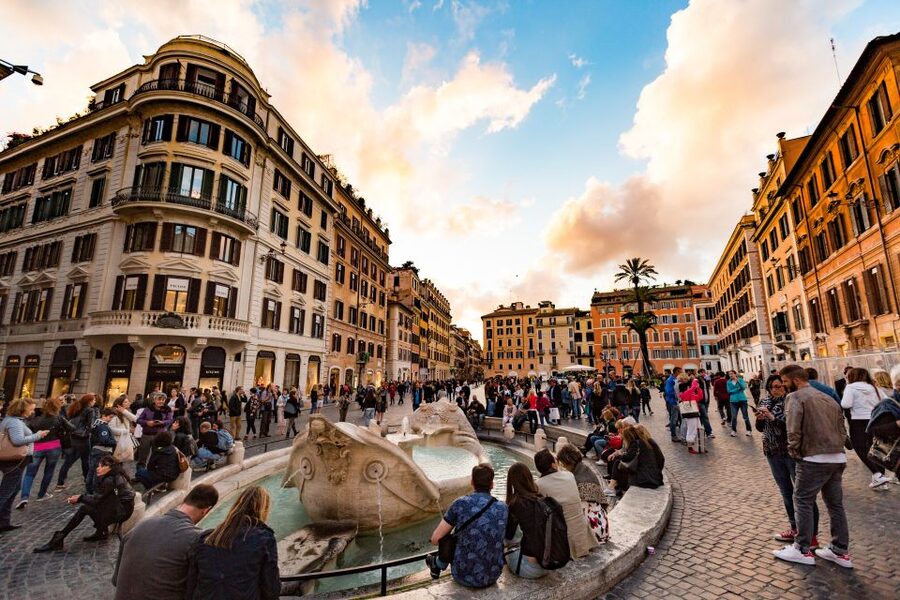
Trevi takes effort, in the best way. This Rome small-group walk strings together baroque fountains and legendary squares with time inside major landmarks, including the Pantheon and Sant’Ignazio. It’s the kind of route that helps you connect the dots between Roman, Renaissance, and Baroque Rome in just a couple of hours.
What I like most is the way the tour teaches you to see what you’re standing in front of, not just move from photo spot to photo spot. I also really value that you get a fully licensed English-speaking guide who keeps the pace manageable and the explanations clear, with guides like Stefano and Bruno often called out for being energetic, funny, and easy to follow.
One consideration: this is still a walking tour, with church and monument stops where you need the right clothes. If you show up in shorts or sleeveless tops, or you have mobility limits, it may feel like more hassle than you want for 2.5 hours on your feet.
In This Review
- Key highlights worth planning around
- From the Spanish Steps to Trevi Fountain: the route you’ll actually remember
- Meeting at Keats-Shelley Museum: start time discipline and easy directions
- Trinità dei Monti and Piazza Navona: climbing into Baroque theater
- The Pantheon interior: stepping into a Roman building that still works
- Marcus Aurelius Column and the Gladiator connection
- Sant’Ignazio and the trompe l’oeil dome that fools your eyes
- Trevi Fountain ending: coin toss, crowd reality, and a smart way to finish
- Price and value: what you get for about $45.55
- Dress code, walking pace, and what not to bring
- Who this Rome fountains-and-squares walk is best for
- Quick verdict: should you book this tour?
- FAQ
- How long is the Rome fountains and squares small-group walking tour?
- Where do I meet the guide, and where does the tour end?
- What’s included in the price?
- Do I get to go inside the Pantheon?
- Is food or drinks included?
- What should I wear for churches and monuments?
- Is the tour suitable for kids, strollers, or wheelchairs?
- What restrictions should I know before I go?
Key highlights worth planning around
- Spanish Steps start, Trevi finish: a classic Rome arc that’s easy to build into your day
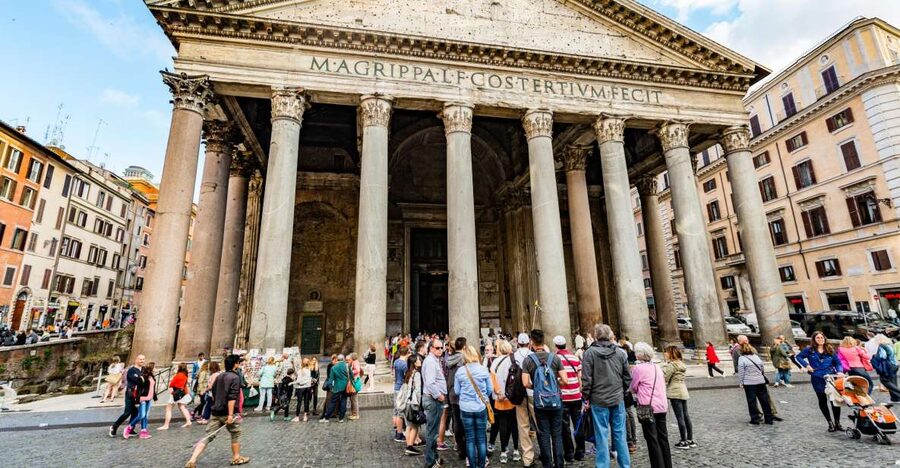
- Pantheon interior time: you’re not just looking from the outside
- Piazza Navona and Bernini’s Four Rivers: one of the city’s most theatrical plaza scenes
- Sant’Ignazio trompe l’oeil dome: the kind of visual trick you’ll talk about later
- Small group size (max 20): easier to hear the guide at each stop
- Trevi coin toss finale: a satisfying end point that’s also great for photos
From the Spanish Steps to Trevi Fountain: the route you’ll actually remember
This tour is built like a guided storyline. You start near the Spanish Steps and work your way through some of Rome’s most famous Baroque showpieces, while still hitting anchors from earlier eras. Along the way, you’ll get a clear rhythm: climb and viewpoint, then plaza spectacle, then the grand step into Roman engineering, then back to Baroque churches and finally the Trevi ending.
The route matters because it connects styles. You’ll see how Roman forms get reused and reshaped over time, and you’ll notice how Baroque Rome loves drama: twisting perspectives, sculpted energy, and fountains that feel like they’re part of a stage set. If your time in Rome is short, this is a smart way to get bearings quickly without trying to design a self-guided route from scratch.
You should also know the vibe: it’s not museum-heavy. It’s walking through streets and squares, with landmark interiors sprinkled in at the right moments. That makes it a good first-or-second day move, when you’re still learning which parts of the center feel close or far.
Worth a look next to this Rome booking:
- Rome: Guided Food Walking Tour with Wine in Trastevere
★ 4.9 · 3,105 reviews - Rome: Trastevere & Campo de Fiori Street Food Walking Tour
★ 4.9 · 2,768 reviews - Rome: Paranormal Night Walking Tour & Secret Backstreets
★ 4.9 · 1,921 reviews - Rome: Trastevere Street Food Walking Tour with Local Expert
★ 4.8 · 1,784 reviews
Meeting at Keats-Shelley Museum: start time discipline and easy directions
You’ll meet your guide at the entrance of the Keats and Shelley Museum at the bottom of the Spanish Steps, near the Acqua di Parma store area. The guide is easy to spot, wearing a GETYOURGUIDE badge or holding a sign with the same logo.
Arrive 10 minutes early. That’s not just polite. In a small-group walk, the start point is your whole foundation—miss the beginning and you lose the thread of the route. Comfortable shoes matter here too, because you’re starting in a spot where tourists naturally cluster, and you’ll want to move quickly once everyone gathers.
Also note the tour runs with no translating during the walk, so you should expect everything to be in English. If you’re traveling with someone who needs a different language, plan around that. For best results, show up with the mindset that you’re there to listen and look.
Trinità dei Monti and Piazza Navona: climbing into Baroque theater
After meeting, the tour follows the flow of the Spanish Steps area up toward Trinità dei Monti, a late Renaissance church that helps you ease from street-level bustle into a more composed Rome view. This is a good early warm-up because you get a sense of the elevation and scale right away.
Then comes Piazza Navona, and it’s one of those places where Rome’s Baroque confidence really shows. You’ll learn that the square sits on the ancient Stadium of Domitian (built in 85 A.D.) which once hosted athletic games. That layer of history is what makes the modern plaza feel more than decorative.
Piazza Navona is also where the guide points out major sculptural work, including Bernini’s Fountain of the Four Rivers. The fountain’s symbolism and design are the kind of details a casual walk often misses. With a guide, you’re not just seeing a famous fountain—you’re understanding why it looks the way it does and what it’s trying to communicate.
The Pantheon interior: stepping into a Roman building that still works
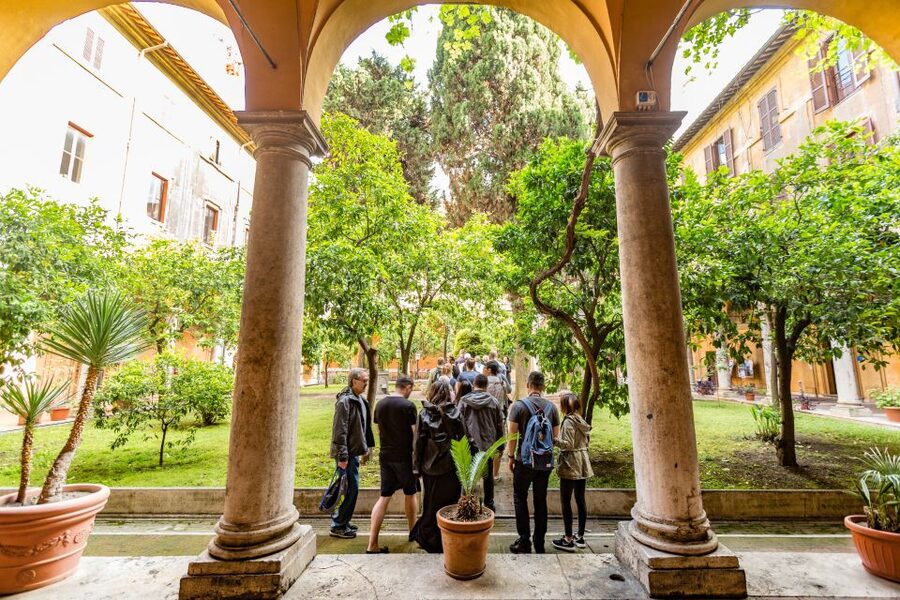
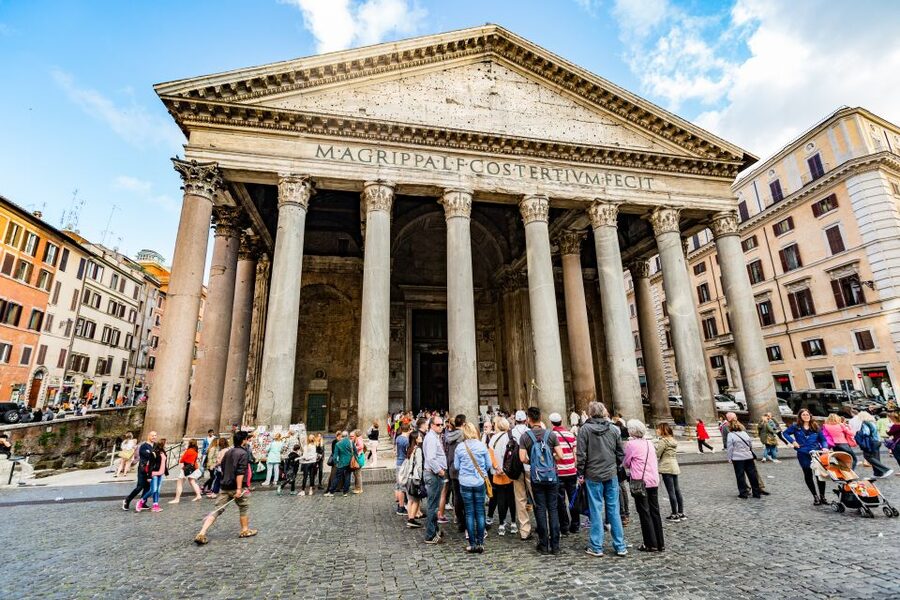
Next you go to the Pantheon, and the big payoff is simple: you’ll go inside. This is one of Rome’s best “wow” moments because the structure still feels coherent even after centuries of wear, repairs, and visitors. It’s the rare site where your brain understands immediately why people keep returning.
What you’ll want to focus on during your time inside is the sheer intactness of the Greek-Roman temple idea—something that still reads as functional and purposeful, not just ceremonial. The guide can help you spot what makes the interior impressive, and why it was built the way it was.
This is also where the tour earns its pacing. Pantheon time is a break from the open-air walking and lets the tour shift from fountain drama to engineering scale. If you’ve ever felt overwhelmed by too many sights in Rome, this kind of anchor helps. You leave with a reference point: you know what Roman ambition looked like up close.
Marcus Aurelius Column and the Gladiator connection
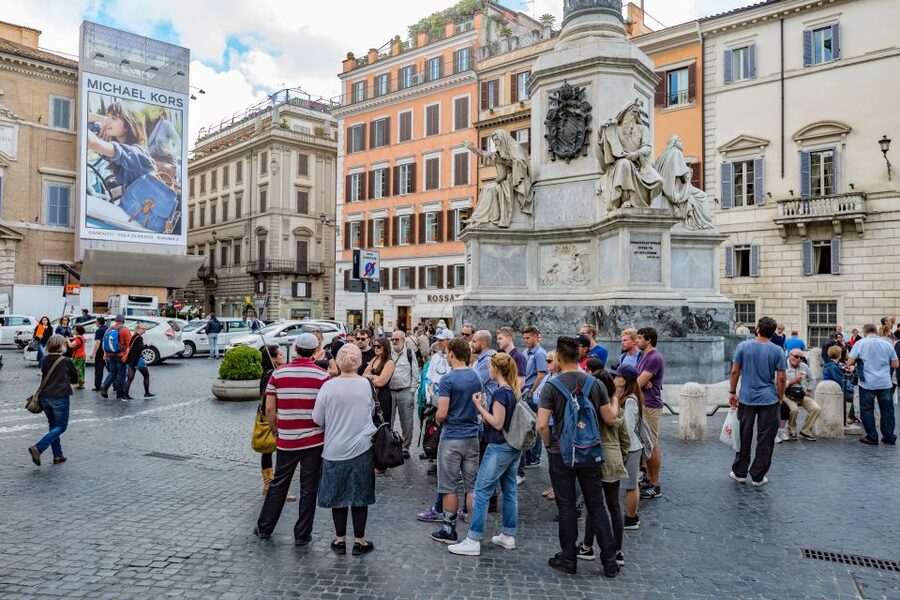
After the Pantheon, the walk moves to the carved Column of Marcus Aurelius. This stop is valuable for two reasons. First, it’s an art-and-history object you can read at human walking distance. Second, it helps you connect modern pop culture expectations with something real and old.
The tour also ties the column to scenes from the film Gladiator, pointing you toward how imagination and historical imagery can overlap. That doesn’t mean you should expect Hollywood details to match stone-for-stone. Instead, it’s a way to make your attention stick: you’ll look harder at the relief scenes because you have a mental handle on what you’re seeing.
This stop works best if you like visual storytelling—people who enjoy architecture and art explanations usually find this one extra memorable.
Sant’Ignazio and the trompe l’oeil dome that fools your eyes
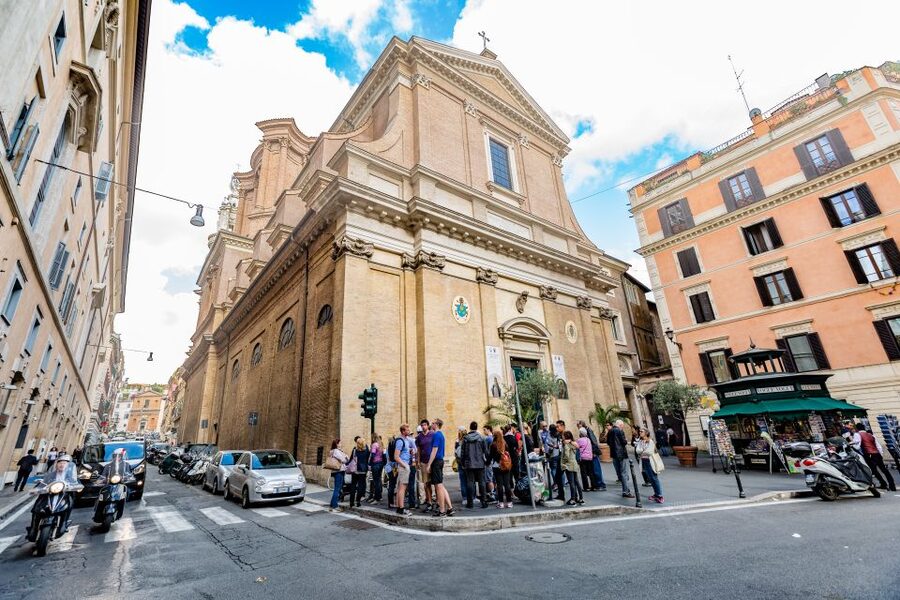
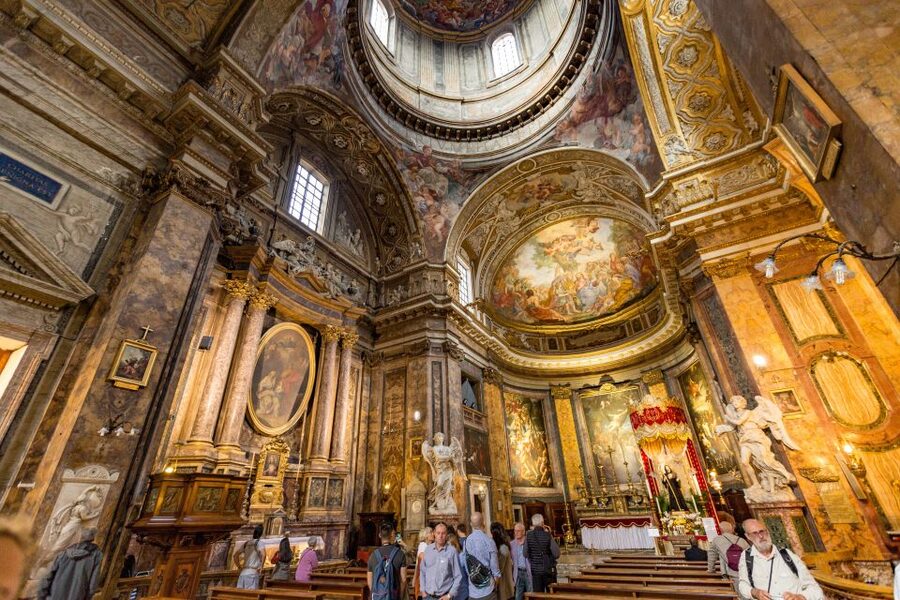
Then you’ll visit Sant’Ignazio Church, known for one of the finest examples of trompe l’oeil—a visual trick that makes painted or sculpted elements look three-dimensional. The key here is that the illusion isn’t just about technique. It’s about how it changes your perception of space from where you stand.
Even if you think you know what to expect from photos, the real effect depends on viewpoint and lighting. A guide helps you by telling you what to look for before you get distracted by the crowd or the size of the room. You’ll also understand how the illusion fits into the Baroque obsession with drama and controlled perspective.
This stop is one of the best reasons to choose a guided walk rather than doing everything alone. The guide turns the trick into a lesson, so you leave feeling you actually understood it, not just saw it.
Trevi Fountain ending: coin toss, crowd reality, and a smart way to finish
The tour’s ending point is the Trevi Fountain, where you’ll have time to throw a coin and make a wish to one day return to Rome. This is the satisfying finale. It’s also the part where crowds can swell, because Trevi is Trevi—meaning you’ll want to keep expectations realistic.
Your best move here is to let the guide guide you. The group needs to gather, listen, and then move on in a smooth way, so you’re not fighting for space. If you’re the type who needs the perfect photo, you may find it helpful to take one quick shot during the guided moment, then keep your eyes open for a better angle after the tour disperses.
Also remember the tour is described as ending back at the meeting point. That can affect how rushed the final minutes feel depending on the route flow and the group’s pace. Either way, the Trevi stop is still one of the best ends to this exact arc: the fountain is instantly recognizable, and it’s a natural place to reconnect with the rest of your day.
Price and value: what you get for about $45.55
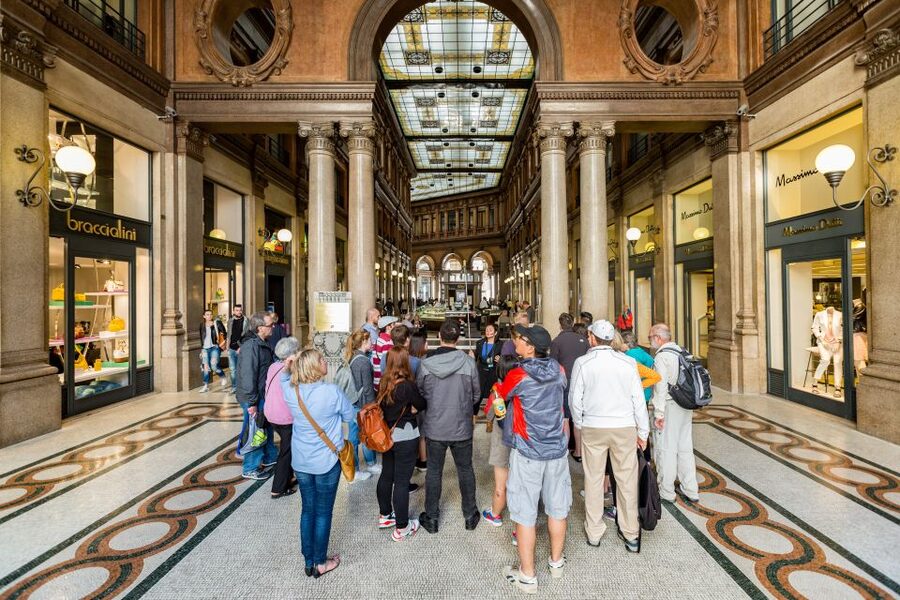
At around $45.55 per person for roughly 2.5 hours, the value comes from the combination of big-name landmarks plus a licensed guide, not just the fact that you’re paying for entry at famous spots. You’re getting a route that covers major clusters: Spanish Steps area, Trinità dei Monti, Piazza Navona, Pantheon interior time, Sant’Ignazio, and Trevi.
Small-group size matters here. The tour caps at 20 participants, and that’s not a small detail. It affects how well you can hear explanations at each stop, and it helps the guide keep the group together in tight spaces.
Another plus is the guide’s style. Many guides are praised for being funny, patient, and flexible with the pace, including Stefano and Bruno as names that pop up more than once. That can sound subjective, but it’s practical: if you’re walking for 2.5 hours, your enjoyment depends on momentum and clarity more than on the number of stops.
Finally, food isn’t included. You might get guidance on where to find great gelato, but you’ll need to plan your snacks independently. That’s fine, but it’s also why you’ll want to wear comfortable shoes and time your meals around this tour.
Dress code, walking pace, and what not to bring
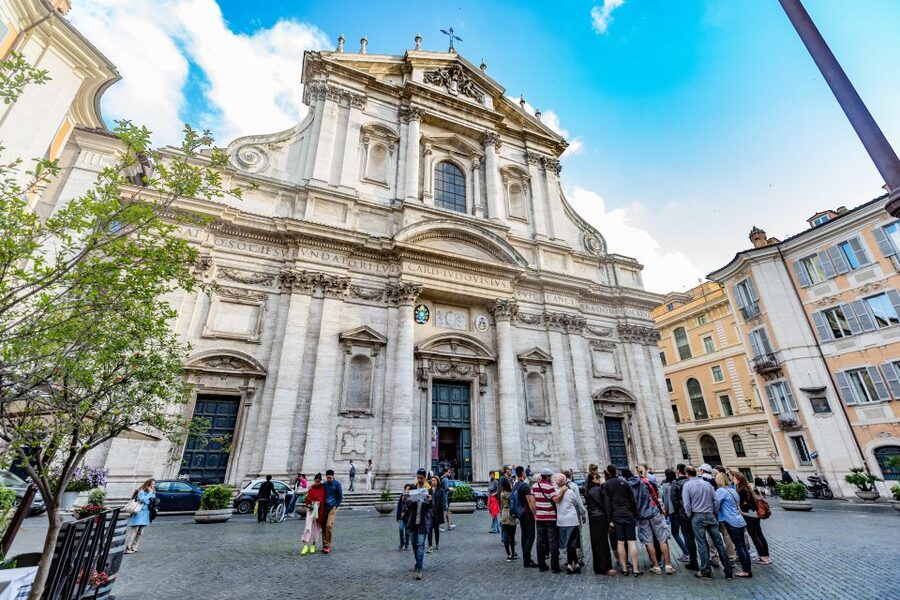
Plan for a walking-focused experience. Bring comfortable shoes and clothes you can move in. Churches and some monuments require appropriate coverage, so it helps to bring something to cover your shoulders and knees. The tour also restricts clothing choices like shorts, short skirts, and sleeveless shirts, so don’t count on improvising at the last minute.
The tour also has “keep it clean and clear” rules: no pets, no smoking, and no eating or drinking during the walk. There’s also no mention of storing luggage, and oversize luggage or large bags aren’t allowed, so travel light.
One more practical note: this tour isn’t suitable for wheelchair users, and due to the route it’s not possible to join with strollers. If you’re planning with kids or with mobility needs, this one probably won’t work.
If you’re traveling with a group and want everyone to enjoy the same pace and explanations, the small-group format is a strong fit. But if your plan depends on long stops or frequent restroom breaks, you may want to plan those around the guided flow rather than expecting to slow the tour down.
Who this Rome fountains-and-squares walk is best for
This works best if you want a classic Rome “greatest hits” path without doing homework. If you love architecture, fountains, and church interiors, you’ll get a lot out of how the guide connects Baroque design to earlier eras.
It also suits people who learn well through stories and visual cues. The trompe l’oeil at Sant’Ignazio and the Pantheon interior are perfect examples: they’re easier to understand when someone points out what to notice before you look.
This tour is less ideal for very young children, since it’s not suitable for children under 10. It’s also not a good match for wheelchair users or for strollers due to the walking route and church/memorial access.
If you’re the type who appreciates humor and a lively guide, you’re likely to have a better time too. Guides like Stefano and Bruno are repeatedly described as funny and personable, which matters when you’re standing in the sun or rain for any length of time.
Quick verdict: should you book this tour?
Yes, I think you should book it if you want a structured way to see Rome’s Spanish Steps to Trevi highlights, with enough stops to feel like you accomplished something but not so many that you’re exhausted. The best reason to choose it is the mix: Pantheon interior, Sant’Ignazio’s trompe l’oeil, and Piazza Navona’s Baroque spectacle in one smooth arc.
Skip it if you need accessibility options like strollers or wheelchairs, or if you don’t want to follow a strict dress code for church visits. Also skip it if you hate walking and crowding at Trevi.
FAQ
How long is the Rome fountains and squares small-group walking tour?
It lasts about 2.5 hours.
Where do I meet the guide, and where does the tour end?
Meet by the entrance of the Keats and Shelley Museum at the bottom of the Spanish Steps (scalinata della Trinità dei Monti, in front of Acqua di Parma store). The tour ends back at the meeting point.
What’s included in the price?
The tour includes a licensed English-speaking guide.
Do I get to go inside the Pantheon?
Yes. The tour includes time to go inside the Pantheon.
Is food or drinks included?
No. Food and drinks are not included.
What should I wear for churches and monuments?
Wear comfortable clothes and shoes. You also need something to cover your shoulders and knees for church visits.
Is the tour suitable for kids, strollers, or wheelchairs?
It is not suitable for children under 10. It is not possible to join with strollers or wheelchairs, and it’s not suitable for wheelchair users.
What restrictions should I know before I go?
Pets are not allowed. Shorts, short skirts, and sleeveless shirts are not allowed. Smoking, eating, and drinking are also not allowed during the tour, and no large bags or oversize luggage are allowed.
More Walking Tours in Rome
- Rome: Guided Food Walking Tour with Wine in Trastevere
★ 4.9 · 3,105 reviews - Rome: Trastevere & Campo de Fiori Street Food Walking Tour
★ 4.9 · 2,768 reviews - Rome: Paranormal Night Walking Tour & Secret Backstreets
★ 4.9 · 1,921 reviews - Rome: Trastevere Street Food Walking Tour with Local Expert
★ 4.8 · 1,784 reviews - Rome: Small-Group Guided Day or Night Walking Tour
★ 4.8 · 1,009 reviews - Rome by Night Walking Tour – Legends & Criminal Stories
★ 4.5 · 1,003 reviews
More Tours in Rome
- Vatican Museums, Sistine Chapel & St. Peter’s Basilica Tour
★ 4.3 · 73,970 reviews - Vatican Museums, Sistine Chapel & St Peter’s Basilica Guided Tour
★ 4.5 · 39,149 reviews - Rome: Colosseum, Palatine Hill and Roman Forum Guided Tour
★ 4.8 · 32,814 reviews - Rome: Guided Tour of Colosseum, Roman Forum & Palatine Hill
★ 4.7 · 27,897 reviews - Rome: Colosseum, Roman Forum and Palatine Hill Guided Tour
★ 4.5 · 23,903 reviews - Rome: Colosseum Arena Floor, Palatine & Forum Guided Tour
★ 4.5 · 20,180 reviews
More Tour Reviews in Rome
- Vatican Museums, Sistine Chapel & St. Peter’s Basilica Tour
★ 4.3 · 73,970 reviews - Vatican Museums, Sistine Chapel & St Peter’s Basilica Guided Tour
★ 4.5 · 39,149 reviews - Rome: Colosseum, Palatine Hill and Roman Forum Guided Tour
★ 4.8 · 32,814 reviews - Rome: Guided Tour of Colosseum, Roman Forum & Palatine Hill
★ 4.7 · 27,897 reviews - Rome: Colosseum & Forum with Audio Guide App -Optional Arena
★ 4.2 · 24,770 reviews - Rome: Colosseum, Roman Forum and Palatine Hill Guided Tour
★ 4.5 · 23,903 reviews
Just added to our Rome reviews

Walking Tours, compared.
 ★ 4.9Guided Food Walking Tour with Wine in TrastevereFrom $1003,105 reviews
 ★ 4.9Trastevere & Campo de Fiori Street Food Walking TourFrom $512,768 reviews
 ★ 4.9Paranormal Night Walking Tour & Secret BackstreetsFrom $341,921 reviews
 ★ 4.8Trastevere Street Food Walking Tour with Local ExpertFrom $571,784 reviews
 ★ 4.8Small-Group Guided Day or Night Walking TourFrom $231,009 reviews
 ★ 4.5Rome by Night Walking Tour – Legends & Criminal StoriesFrom $141,003 reviews
 ★ 4.4Guided City Center Evening Sightseeing Walking TourFrom $46953 reviews
 ★ 4.9Small-Group City Highlights Moonlight Walking TourFrom $29949 reviews
Browse the lists this tour appears in