
Rome tastes better with a wine guide. This tasting pairs real Italian products—30-year balsamic drizzled over aged Parmigiano—with a friendly foodie host, and you get small-group attention as you learn what to taste and why. I also love the way the menu moves from cheese and cured meats to truffle-forward comfort dishes. One possible drawback: it’s a wine-forward evening, so plan for a calm ride home.
You’ll do this in the center of Rome, in a setting that feels made for lingering over glasses and plates. Expect a structured tasting (about 1.5 hours of focused food and wine) inside a total 2–4 hour experience window, so you’re not rushing from one stop to another.
At $33 per person, it’s a serious value test in Rome: you’re not paying just for wine. You’re paying for wine plus a lineup of high-end ingredients—think Barolo, Frascati superiore, 30-year aged balsamic vinegar, and truffle cream—served with pairing guidance.
In This Review
- Key Reasons This Tasting Works So Well
- A Rome Wine Tasting Built Around Real Pairing Lessons
- The Food Lineup: 30-Year Balsamic, Aged Parmigiano, Prosciutto, and Truffle Cream
- Wine Flight Highlights: Barolo and Frascati Superiore (Plus the Logic)
- If You Choose the Dinner Option, Here’s What to Expect
- Your Guide in Action: Names You’ll Hear and What They’re Praised For
- Food Allergies: What You Can Do Before You Go
- Price and Value: What $33 Buys You in Rome
- Timing and Central-Rome Practicalities
- Who This Works Best For
- Should You Book This Rome Wine and Food Pairing?
- FAQ
- How long is the Rome wine and food pairing experience?
- What’s included in the price?
- Does the tour have a live guide, and is it in English?
- Is this a small group?
- What foods and ingredients will I taste?
- What if I have a food allergy?
- Where do I meet the guide?
- Is free cancellation available?
Key Reasons This Tasting Works So Well
- 30-year aged balsamic shows up in a big way, paired with Parmigiano Reggiano DOP (36 months).
- You taste classic Italian wines, including Barolo and Frascati superiore, plus other selections in the flight.
- The food lineup hits variety: cheese, cured meats, pesto bruschette, and a truffle-cream moment.
- The hosting style is repeatedly praised for being warm and clear, with easy-to-follow explanations in English.
- Small group size means you’re not stuck shouting over strangers while you sip.
A Rome Wine Tasting Built Around Real Pairing Lessons
This isn’t a lecture disguised as dinner. It’s a guided tasting where each bite leads to the next pour, so you start noticing patterns instead of just chasing flavors.
The flow is simple in concept: you taste a specific product, then you taste a wine meant to work with it. Your guide ties the pairing to practical details you can actually remember later, like how fat-rich foods (cheese, Parmigiano, creamy sauces) handle structured reds, or how salty cured meats change the way fruit and acidity come across.
It also helps that the experience is described as a small group. That matters in Rome. You want conversation, not a crowded room where you only catch every third word. The format is designed for people who want to learn without turning the night into school.
Another glass: more Rome tastings
- Rome Food Tour: Unlimited Tastings with Fine Wine & Barolo
★ 5.0 · 3,365 reviews - Rome: Gourmet Food Tour with Dinner & Barolo Wine
★ 4.9 · 2,347 reviews - Fettuccine & Tiramisù: Cooking Class with Wine & Limoncello
★ 4.9 · 2,103 reviews - Rome to Pompeii Guided Tour with Wine & Lunch by High Speed Train
★ 5.0 · 1,379 reviews
The Food Lineup: 30-Year Balsamic, Aged Parmigiano, Prosciutto, and Truffle Cream
If you care about ingredient quality, this tasting gives you plenty to get excited about.
Here’s what’s explicitly on the menu:
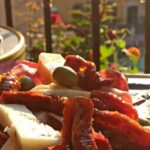
- Traditional Balsamic Vinegar from Reggio Emilia, aged 30 years, drizzled over Parmigiano Reggiano DOP aged 36 months
- Prosciutto di Parma aged 24 months
- Bruschette with extra virgin olive oil DOP, plus green pesto and red pesto
- Cream of Parmigiano with truffle
- And more Italian goodies, including local cheeses, cured meats, and truffles
What this means for your palate: the 30-year balsamic isn’t just a splash. It’s concentrated, sweet-tangy, and aromatic, which is exactly why it pairs so well with long-aged Parmigiano. Parmigiano that’s been aging for 36 months brings a deep, nutty bite; balsamic brings complexity and a gentle syrupy lift.
The prosciutto detail is also worth your attention. Prosciutto di Parma aged 24 months has more developed flavor than the milder versions you might see elsewhere. It tends to feel both salty and savory, and it rewards wine that has enough structure to stand up to it without turning everything metallic.
Then there’s the truffle cream of Parmigiano. It’s the comforting, “yes, that’s the point” course. Cream + aged cheese + truffle means you’ll feel those flavors linger. If you tend to love rich Italian comfort food, you’ll likely rank this among the best bites of the night.
Wine Flight Highlights: Barolo and Frascati Superiore (Plus the Logic)
You get 5 classic Italian wines included, with top-ups offered. The menu explicitly calls out Barolo and Frascati superiore, and you can expect a variety that keeps you from tasting the same style back-to-back.
One of the smartest parts of wine tasting like this is that it makes you taste as a beginner and still feel like you’re learning. Instead of saying wine is complicated (it is), a good guide helps you identify a few building blocks fast.
From the structure of the tasting, you can use a simple mental shortcut while you listen:
- Aged cheese + balsamic often rewards wines with balance (enough acidity to cut richness).
- Prosciutto often feels better with reds that have firm structure, or whites with crisp edges (depending on the specific pour).
- Pesto bruschette can ask for something with freshness, so the herbs don’t feel heavy.
- Truffle cream tends to work well with wines that can handle creamy texture without overpowering the aroma.
In practical terms, Barolo is a big-name wine you’ll recognize. Frascati superiore is the kind of wine that’s ideal for tasting in Rome because it often feels bright and food-friendly rather than overly serious. Having both in the mix gives you a real sense of how Italian regions can taste different even when you’re eating similar dishes.
If You Choose the Dinner Option, Here’s What to Expect
The experience is described as offering a dinner option alongside the fine wine tasting and food pairing.
What I can say from the provided info is this: the core experience already includes multiple courses of Italian food and wine pairings, including standout items like balsamic and truffle cream. If the dinner option is added, you should expect the meal to be fuller, built around the same pairing theme.
If you’re the type who likes a night that doesn’t end at snacks, this option can make the evening feel more like a proper Roman dining experience rather than a quick tasting stop.
Worth a look next to this Rome booking:
Your Guide in Action: Names You’ll Hear and What They’re Praised For
The tour runs with a live guide in English, and the feedback pattern is consistent: the hosts are friendly, and the explanations land in a way that helps you connect flavors quickly.
The reviews you provided include guide names like Vincenzo, Leila, Sylvie, Miguel, and Tinsae. Different personalities, same core strength: guiding you through what you’re tasting and pairing it with real reasoning instead of vague compliments.
That “teach as you taste” approach matters because it changes how you eat afterward. You stop thinking, I wonder what this is, and start thinking, This works because of the balance between acidity, salt, and richness. And you’ll probably start spotting DOP details on menus back in your own neighborhood.
One practical note: a strong host also keeps the pace comfortable. A few diners mention good quantities of wine and food and a setting that feels welcoming. If your goal is an enjoyable evening with learning sprinkled in, that hosting style is exactly what you want.
Food Allergies: What You Can Do Before You Go
The operator asks you to inform them about food allergies ahead of time. That’s the right step, and you should take it seriously because this tasting includes multiple ingredients that commonly trigger issues (cheese, cured meats, olive oil-based items, pesto).
One gluten allergy experience was specifically mentioned with a positive outcome: gluten-free pasta was offered and described as effectively indistinguishable from the regular version. That’s a great sign that substitutions can happen when you plan ahead.
My advice: send your allergy details clearly during booking, and then again to the operator if you can. Don’t assume the menu can be swapped on the fly.
Price and Value: What $33 Buys You in Rome
At $33 per person, this tasting is priced like a budget-friendly Rome food activity until you look closer. Then it starts to look like good value because you’re not buying just one element.
Included pricing covers:
- 5 classic Italian wines
- Food pairings with expert tips
- Top-ups offered
- High-impact ingredients like 30-year balsamic and multiple aged cheeses/meats, plus truffle cream
Wine alone in Rome can be pricey, especially when you’re thinking about premium pours. Add in the aged Parmigiano and the prosciutto specs (24 months), and you’re basically paying for a curated tasting dinner without the stress of ordering.
If you’re comparing against a typical Roman dinner where you still need to buy wine separately, this can feel like better structure. You’re getting both the meal and the “why it matches” lesson bundled together.
Timing and Central-Rome Practicalities
The experience is listed as lasting 2–4 hours, with a focused tasting described as about 1.5 hours. In real life, that usually means time to settle in, taste at a comfortable pace, and ask questions without feeling rushed.
Meeting point may vary depending on the option you book. Since you’re in central Rome, it’s smart to build a little buffer into your schedule and treat this like a planned evening, not something to stack back-to-back with another activity.
Also: because it’s wine-heavy, plan your exit. One guest specifically advised using a cab if you’re farther away, noting they went home quite tipsy. You’ll enjoy the tasting more if you already know how you’ll get back.
Who This Works Best For
This is a strong pick if you:
- Want a guided way to learn Italian wine pairing without heavy wine jargon
- Like food that’s ingredient-focused (aged cheeses, cured meats, balsamic, truffle)
- Prefer a small group over a large crowd experience
- Want an English host who explains in plain terms as you taste
If you’re not into wine, or you’re trying to stay completely alcohol-free, this may not be the best fit since wine is a central part of the format and top-ups are offered.
Should You Book This Rome Wine and Food Pairing?
I’d book it if you want a single evening in Rome that feels both delicious and educational. The menu hits several “big ticket” Italian ingredients—especially the 30-year balsamic and the aged Parmigiano—and you get them with a structured wine flight rather than guesswork.
Skip it only if you dislike wine tasting formats, you know you can’t handle alcohol right now, or you’re chasing a quiet meal with minimal guidance. Otherwise, this is a solid-value way to taste Italian flavors and leave with pairing instincts you can actually use.
FAQ
How long is the Rome wine and food pairing experience?
The experience is listed as lasting 2–4 hours total, with the tasting described as about 1.5 hours of focused food and wine.
What’s included in the price?
It includes 5 classic Italian fine wines (including Barolo and Frascati superiore), food pairings, expert tips, and wine top-ups are offered.
Does the tour have a live guide, and is it in English?
Yes. The tour includes a live guide and the language offered is English.
Is this a small group?
Yes, small group options are available.
What foods and ingredients will I taste?
You can expect local cheeses and cured meat, truffles, traditional balsamic vinegar aged 30 years drizzled over Parmigiano Reggiano DOP aged 36 months, Prosciutto di Parma aged 24 months, bruschette with DOP extra virgin olive oil and pesto, and cream of Parmigiano with truffle.
What if I have a food allergy?
You should inform the tour operator if you have food allergies. The operator specifically asks for this information in advance.
Where do I meet the guide?
The meeting point may vary depending on the option booked.
Is free cancellation available?
Yes, free cancellation is offered up to 24 hours in advance for a full refund.
More Food & Drink in Rome
- Rome: Tuscany & Montepulciano Day Trip with Lunch & Wine Tasting
★ 4.5 · 5,232 reviews - Winner 2025 Rome Twilight Trastevere Food Tour by Eating Europe
★ 5.0 · 5,157 reviews - Rome: Street Food Tour with Local Guide
★ 4.8 · 4,077 reviews - Rome Food Tour: Unlimited Tastings with Fine Wine & Barolo
★ 5.0 · 3,365 reviews - Rome Food Tour: Campo de’ Fiori, Ghetto, Trastevere Winner 2024
★ 5.0 · 3,205 reviews - Rome: Guided Food Walking Tour with Wine in Trastevere
★ 4.9 · 3,105 reviews
More Tour Reviews in Rome
- Vatican Museums, Sistine Chapel & St. Peter’s Basilica Tour
★ 4.3 · 73,970 reviews - Vatican Museums, Sistine Chapel & St Peter’s Basilica Guided Tour
★ 4.5 · 39,149 reviews - Rome: Colosseum, Palatine Hill and Roman Forum Guided Tour
★ 4.8 · 32,814 reviews - Rome: Guided Tour of Colosseum, Roman Forum & Palatine Hill
★ 4.7 · 27,897 reviews - Rome: Colosseum & Forum with Audio Guide App -Optional Arena
★ 4.2 · 24,770 reviews - Rome: Colosseum, Roman Forum and Palatine Hill Guided Tour
★ 4.5 · 23,903 reviews
Raise Another Glass in Rome
- Rome: Tuscany & Montepulciano Day Trip with Lunch & Wine Tasting
★ 4.5 · 5,232 reviews - Rome Food Tour: Unlimited Tastings with Fine Wine & Barolo
★ 5.0 · 3,365 reviews - Rome: Gourmet Food Tour with Dinner & Barolo Wine
★ 4.9 · 2,347 reviews - Fettuccine & Tiramisù: Cooking Class with Wine & Limoncello
★ 4.9 · 2,103 reviews - Rome to Pompeii Guided Tour with Wine & Lunch by High Speed Train
★ 5.0 · 1,379 reviews - Pasta Making & Wine Tasting with Dinner in Frascati from Rome
★ 5.0 · 1,326 reviews
Just added to our Rome reviews
Rome Wine Tasting, compared.
 ★ 4.5Tuscany & Montepulciano Day Trip with Lunch & Wine TastingFrom $835,232 reviews
 ★ 5.0Rome Food Tour: Unlimited Tastings with Fine Wine & BaroloFrom $833,365 reviews
 ★ 4.9Gourmet Food Tour with Dinner & Barolo WineFrom $772,347 reviews
 ★ 4.9Fettuccine & Tiramisù: Cooking Class with Wine & LimoncelloFrom $662,103 reviews
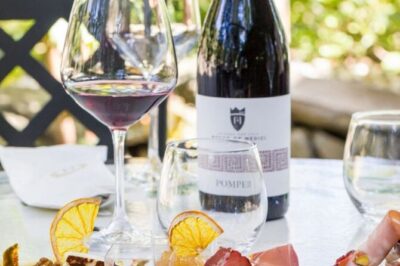 ★ 5.0Rome to Pompeii Guided Tour with Wine & Lunch by High Speed TrainFrom $2391,379 reviews
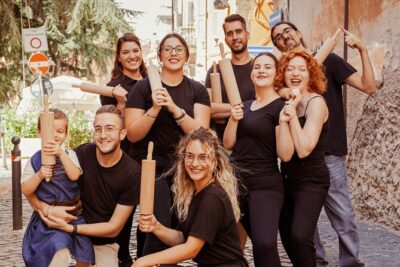 ★ 5.0Pasta Making & Wine Tasting with Dinner in Frascati from RomeFrom $451,326 reviews
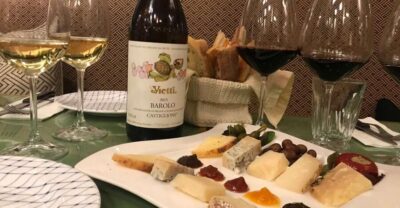 ★ 4.9Trastevere Guided Food and Wine Tour with 20+ TastingsFrom $1461,022 reviews
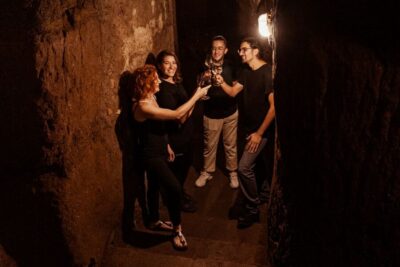 ★ 4.9Pasta Making with Wine Tasting and Dinner in FrascatiFrom $35979 reviews
Browse the lists this tour appears in