
Reviewed · VATICAN MUSEUMS TOURS
Rome Explorer Pass: 35+ Things To Do – Includes Vatican
Tickets on your phone make Rome smoother, with a 30-day Explorer Pass that bundles Vatican entry and other big-name stops. I like the mobile Go City pass you sync right after booking, and I like the Premium Entry setup for the Vatican Museums with a host and a dedicated time slot. The catch: several top venues need advance reservations, so you have to plan around sold-out dates.
You choose four, five, six, or seven included experiences from a bigger list, so you can build a trip that matches your style instead of doing everything no matter what. I also like that the window runs 30 days from your first use, which means you can stagger sights across your stay instead of cramming day-of everything.
Most activities are ticketed or guided, not open-ended free time, so you’ll want a real plan and some buffer. And since each included site can be used only once, this is best treated like a set of paid tickets you thoughtfully spend, not a coupon that covers repeat visits.
In This Review
- Key things to know before you buy
- How the Rome Explorer Pass works on your phone
- Building a smart itinerary: 4, 5, 6, or 7 stops
- Vatican Museums with Premium Entry: skipping queues the right way
- The Colosseum experience with audio and fast booking
- St. Peter’s Basilica with cupola climb and breakfast
- Big Bus Rome at Termini: a no-stress overview day
- Underground Rome: Navona area and the Trevi District
- Pantheon and Capitoline Museums: classic Rome, guided and focused
- Castel Sant’Angelo and the view logic
- Interactive experiences: Leonardo da Vinci, pasta, and pizza
- Food and drink stops: pizza, wine and cheese, aperitifs
- Beyond the center: catacombs, Caracalla by bike, and gladiators
- A panoramic bonus: Altare della Patria and a Tiber cruise
- Should you book the Rome Explorer Pass?
Key things to know before you buy
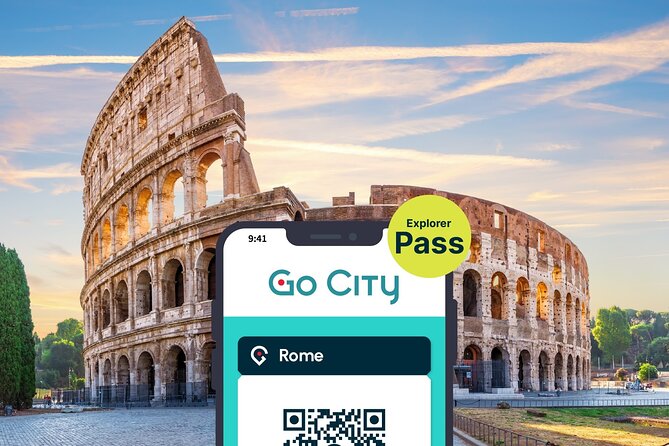
- Digital pass right away: you can sync the pass in the Go City app after hitting Get ticket.
- Pick 4–7 included experiences: choose the ones that match your must-dos, not just the most famous names.
- Vatican Museums Premium Entry: dedicated time slot and a host who walks you past the queues.
- Colosseum sells out fast: plan early; you can reserve up to 3 days ahead if needed.
- Reservations are part of the deal: Vatican Museums, Colosseum, catacombs, and some tours require booking ahead.
- Food is mostly on you: meals only count when an activity specifically includes them.
How the Rome Explorer Pass works on your phone
This pass is built around one idea: fewer lines and less ticket hunting. After you order, your digital pass is available immediately. In the Go City app, you update your email and sync by tapping Get ticket, then you’re ready to show the pass on your phone.
You activate the clock the first time you use an attraction. After that, your pass stays valid for 30 days. You don’t have to use everything on day one, which is a big deal in Rome, where weather, energy, and long ticket lines can wreck a tight itinerary.
One practical note: included attractions are subject to change, and each attraction can only be visited once. So I’d pick a “core set” first (the timed-entry heavy hitters), then fill in with flexible add-ons like food, museums, and classes.
Other ways through the Vatican Museums
- Vatican Museums, Sistine Chapel & St. Peter’s Basilica Tour
★ 4.3 · 73,970 reviews - Vatican Museums, Sistine Chapel & St Peter’s Basilica Guided Tour
★ 4.5 · 39,149 reviews - Rome: Vatican Museums, Sistine Chapel and Basilica Tour
★ 4.3 · 16,039 reviews - Vatican Museums & Sistine Chapel Skip-the-Line Entry Ticket
★ 4.4 · 13,838 reviews
Building a smart itinerary: 4, 5, 6, or 7 stops

At $160.57 per person for a 30-day window, the value depends on whether you actually stack included, paid experiences. Since the pass covers entry to 4–7 attractions, your best strategy is to choose the attractions that are either expensive, time-consuming to organize, or both.
Think in layers:
- Layer 1: timed giants. Vatican Museums and the Colosseum are the two that can make or break your trip. Both require advance planning, and both are extremely popular.
- Layer 2: guided add-ons. Guided tours and audio-guide experiences (Pantheon, Capitoline Museums, Castel Sant’Angelo, underground Rome) are where the pass feels “worth it” because you save effort, not just money.
- Layer 3: hands-on and food. Leonardo da Vinci’s interactive experience, pasta and pizza classes, wine and cheese, aperitif cruises, and dinner-adjacent stops can turn a sightseeing trip into a real day out.
If your plan is mostly free sights with occasional self-guided wandering, this might feel pricey. But if you want multiple big-ticket, guided, or ticketed experiences without having to manage a stack of separate bookings, the pass can be a solid shortcut.
Vatican Museums with Premium Entry: skipping queues the right way
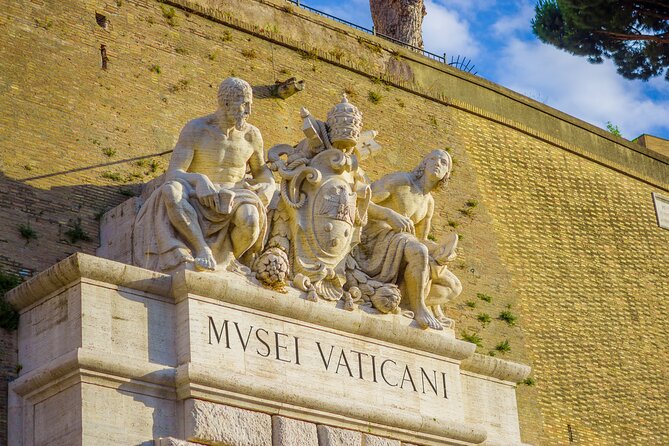
The Vatican Museums and Sistine Chapel experience is one of the clearest “why this pass exists” picks. You get Premium Entry with a dedicated time slot and a host who brings you straight past the queues into the museums.
This is also the part you must schedule early. The Vatican Museums require reservation at least 3 weeks in advance (you’ll reserve through the link in your pass voucher). If you wait too long, you can end up scrambling for a time that doesn’t fit your trip rhythm.
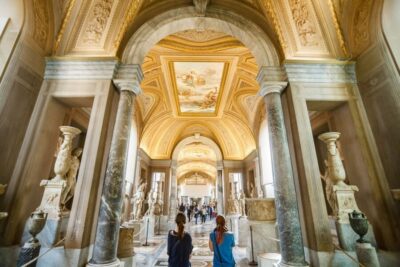
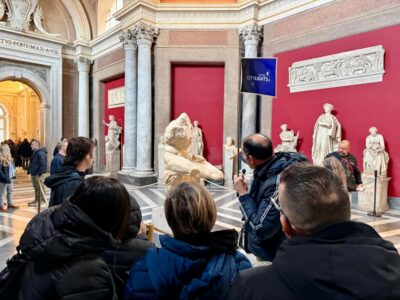
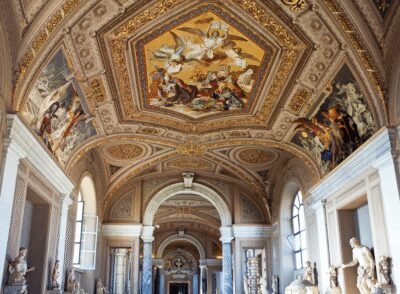
What you’ll actually do once inside: you’ll see major highlights across the Vatican Museums, with a focus on the Sistine Chapel and the museum’s architecture. The host-driven entry matters because it reduces the most stressful part of Vatican days: deciding where to stand and which line is the correct one.
Reality check: even with Premium Entry, you still need to dress appropriately and arrive on time. The pass helps you get in. It doesn’t shrink the art.
The Colosseum experience with audio and fast booking
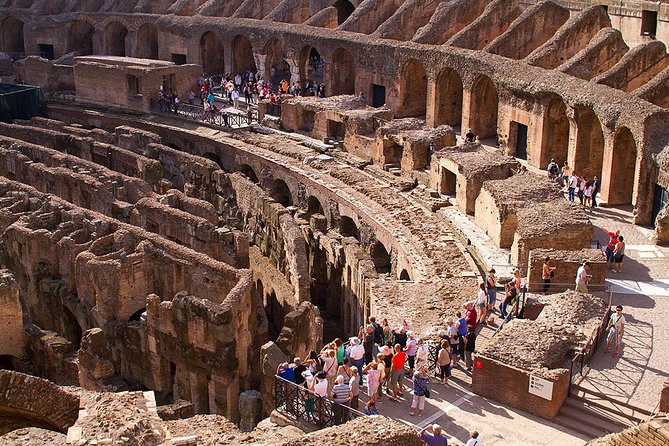
The Colosseum stop includes the Colosseum plus the Roman Forum and Palatine Hill, and it comes with an audio tour and multimedia video. This combo matters because it changes the site from “I know it looks famous” to “I understand how it worked and what I’m seeing.”
But here’s the pressure point: this attraction is extremely popular and books up fast. You can reserve your spot up to 3 days in advance, so if the Colosseum is truly a must, don’t treat it like a flexible backup plan.
Also, the pass includes Colosseum entry that matches the standard ticket price (listed as €18). Even without doing math on every other sight, that tells you the pass isn’t pretending this is all free stuff.
If you’re the kind of traveler who wants to take photos, read a few key signs, and not feel rushed, I’d plan enough time to move at a comfortable pace across the Colosseum–Forum–Palatine corridor.




St. Peter’s Basilica with cupola climb and breakfast
St. Peter’s Basilica comes with a guided tour plus an included climb to the top of the dome, with breakfast before you go in. It also includes an audioguide for the papal tombs.
This is a strong pairing because St. Peter’s is two experiences in one: the interior and the view. The dome climb is the payoff moment for many people, since you get a higher vantage point over the historic center and can connect what you saw earlier on the ground to the layout of the city.
The included breakfast is practical. It’s one less meal decision before a heavy, early, high-demand Vatican day. Just remember: you still need to plan your day so you’re not sprinting from the breakfast timing to other timed stops.
If you want the best “Rome big finale” feel without juggling multiple tickets, this is one of the more complete offers on the pass.
Big Bus Rome at Termini: a no-stress overview day

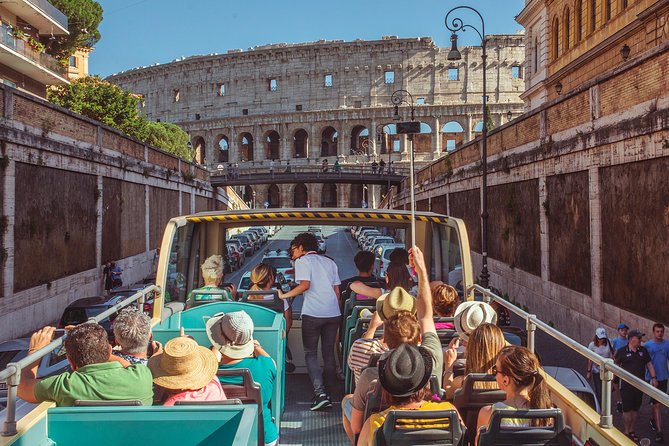
Your Big Bus Tours stop starts at the Big Bus Tours ticket office near Rome Termini Station. This is a Hop-On Hop-Off 1-day Discover tour, designed to help you tick off major landmarks without spending your whole day navigating buses and metros.
The big value here is orientation. The route gives you panoramic views of the Colosseum, Piazza Venezia, and St. Peter’s Basilica, among other stops. Even if you don’t hop off every time, riding it once gives you a sense of distance and direction, which makes the walking days after feel easier.
Keep it realistic though. Rome traffic and timing can be unpredictable, and a bus tour is best used for setting your bearings, not for replacing the slow, detailed moments inside the sights.
Underground Rome: Navona area and the Trevi District
Two different underground-style experiences show up on this pass lineup.
First is a Navona Square Underground guided tour connected with the Stadio di Domiziano. It’s a 1 hour 30 minutes walk focused on Rome’s architecture and history in a more guided, story-based way.
Second is a Trevi District Underground guided tour. You descend into ancient Roman underground passages in the City of Water and learn about the area connected to the Trevi Fountain.
Why this matters for planning: underground experiences often help you avoid the worst of midday crowds and heat, and they’re less “photo pose” and more “how did the city work” thinking. They also break up the classic Rome pattern of endless outdoor ruins by giving you a different kind of sensory experience.
If you love having context for what you see above ground, these stops are a great mid-trip reset.
Pantheon and Capitoline Museums: classic Rome, guided and focused
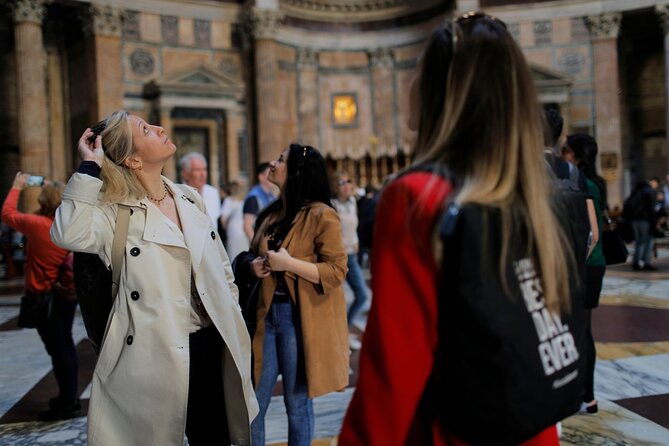
The Pantheon stop includes reserved entrance and an audioguide. Fast-track access is listed as part of the package, which can save time for one of Rome’s most visited sites. You’ll also get an audio tour that explains the history and design of the ancient structure.
Then you get Musei Capitolini (Capitoline Museum) with a multimedia video intro and an audio guide of the city of Rome. It’s framed as an empire-focused museum, and you’ll explore the collections after that hosted entry moment.
This pairing works well because both are “high signal” sites. The Pantheon gives you architecture and scale. The Capitoline Museums help you connect art, statues, and Rome’s identity-building through the centuries.
If your days start feeling like a checklist, I’d slot these in on the same day only if you’re comfortable walking a lot. Otherwise, separate them with a lighter food or scenic stop.
Castel Sant’Angelo and the view logic
Castel Sant’Angelo comes with a hosted entrance, skip-the-line ticket, and an audio guide. It’s described as a fortress dating back to the 2nd century and used for multiple roles over time, including military use, a prison, a papal residence, and finally a mausoleum for Emperor Hadrian.
The real reason it fits on a pass like this: Castel Sant’Angelo is one of those sites where the “why this building exists” matters. You’ll get the narrative support from the audio guide, and you’ll also likely enjoy the outward views since it towers over central Rome.
This stop is also a nice bridge between “big ruins” and “real city life.” It feels Roman in function and Vatican-adjacent in vibe, which gives your itinerary variety.
Interactive experiences: Leonardo da Vinci, pasta, and pizza
Not everything here is ancient. If you want days with hands-on energy, this pass gives you options.
The Museo Leonardo da Vinci Experience includes over 50 recreations of Da Vinci’s inventions built inline with his original designs. Visitors can operate some of the machines on display, and the visit runs about 2 hours.
Then there are two PummaRe’ stops:
- A pasta class (about 1 hour) where you make fresh handmade pasta.
- A 1 hour 30 minutes pizza-cooking experience that includes an aperitif and a master pizzamaker guiding dough and toppings, with a wood-burning pizza oven experience and drinks as a reward.
These are high-value for families and food lovers because you’re not just watching. You’re participating. Even if you’re traveling solo, the payoff is you leave with a story, not just a ticket stamp.
Food and drink stops: pizza, wine and cheese, aperitifs
The pass includes several food-centered experiences, and these can be surprisingly good value when they’re listed as included.
At Da Cicero, you get a pizza feast featuring pinsa Romana near the Trevi Fountain. The description emphasizes the oval shape plus a crispy exterior and light, airy interior.
There’s also a Trastevere food tour (2 hours) focused on authentic Italian flavors. It’s a good choice if you want a neighborhood change of pace from the central monuments.
For a calmer stop, there’s a wine & cheese tasting (1 hour) with a guided tasting of three full glasses: one red, one white, and one sparkling.
Two more “easy win” options:
- Happy hour at Angie’s by the Spanish Steps includes your choice of cocktail plus a chef’s platter of bruschetta.
- A river cruise aperitif on the Tiber includes an aperitif and a scenic way to view landmarks from water. Reservations are required.
Just remember: the pass doesn’t automatically cover food and drink. These are the specific moments where it’s included.
Beyond the center: catacombs, Caracalla by bike, and gladiators
If you want Rome without only focusing on postcards, these stops help.
Catacombe di San Callisto includes transfer and a methane bus ride to one of two catacombs. The day you go affects which catacombs you visit. You’ll watch a 20-minute informative video, then head underground for about a 45-minute guided tour. Advanced reservation is required, so plan your day around booking.
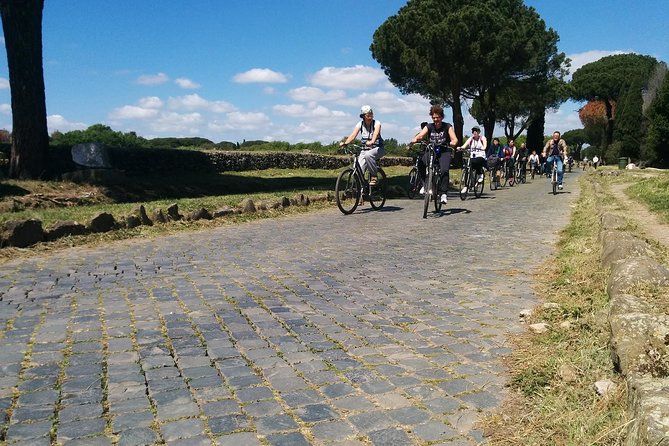
Terme di Caracalla adds motion: bike rental with Caracalla Baths for about 3 hours. You can use a compact electric pedal free HiBike, and there’s an audio guide en route. After the tour, you get a map and audio guide via an app that’s available in multiple languages. Again, this requires advanced reservation.
Finally, Roma World is a gladiator-themed day trip outside Rome. It’s set in woodland and Roman countryside, with a legionnaires’ camp, open-air market, tavern, and gladiatorial arena. You watch combat, then try on sandals, loincloth, and helmet, and there’s also archery practice on the shooting range. The idea here is pure fun with a hands-on feel.
These are great for active travelers, and for anyone who feels like Rome’s history can turn into blur. Just don’t pack them into your tightest day.
A panoramic bonus: Altare della Patria and a Tiber cruise
For the “see it from above” moment, you’ve got the Monument to Victor Emmanuel II stop, aka the Altar of the Fatherland panoramic view. You ride an elevator to get a 360-degree view over Rome. It’s described as giving you perspective on historic buildings like the Colosseum and the Roman Forum and Palatine Hill, plus a view toward Trevi Fountain.
You also get access to a downloadable audioguide app. That matters because the monument views can otherwise feel like looking at famous rooftops without understanding where things sit.
Pair this with the Tiber River cruise aperitif for a contrast day: heights one day, calm water the next. The cruise is listed as requiring reservations.
Should you book the Rome Explorer Pass?
I’d book this pass if your trip includes multiple paid, timed, or guided experiences and you want to reduce planning stress. The Vatican Museums Premium Entry with a host and time slot, the Colosseum audio experience, St. Peter’s Basilica with breakfast, and guided add-ons like the Pantheon and Capitoline Museums are exactly the kind of itinerary pieces that make a pass feel like a real shortcut.
I’d be cautious if your plan leans heavily toward free walking time and you dislike reservation requirements. This pass includes several activities that need advance bookings, including Vatican Museums (at least 3 weeks), catacombs, and parts of the bike and hands-on experiences.
Also keep in mind this pass is non-refundable and can’t be changed. So only buy if your dates are solid and you can commit to booking the big-ticket entries early.
If you want a Rome trip that mixes major sights with guided context, food, and at least one active or hands-on day, this pass can be a good value way to get there.
More Tour Reviews in Rome
- Vatican Museums, Sistine Chapel & St. Peter’s Basilica Tour
★ 4.3 · 73,970 reviews - Vatican Museums, Sistine Chapel & St Peter’s Basilica Guided Tour
★ 4.5 · 39,149 reviews - Rome: Colosseum, Palatine Hill and Roman Forum Guided Tour
★ 4.8 · 32,814 reviews - Rome: Guided Tour of Colosseum, Roman Forum & Palatine Hill
★ 4.7 · 27,897 reviews - Rome: Colosseum & Forum with Audio Guide App -Optional Arena
★ 4.2 · 24,770 reviews - Rome: Colosseum, Roman Forum and Palatine Hill Guided Tour
★ 4.5 · 23,903 reviews
The Vatican, A Few More Ways In
- Vatican Museums, Sistine Chapel & St. Peter’s Basilica Tour
★ 4.3 · 73,970 reviews - Vatican Museums, Sistine Chapel & St Peter’s Basilica Guided Tour
★ 4.5 · 39,149 reviews - Rome: Vatican Museums, Sistine Chapel and Basilica Tour
★ 4.3 · 16,039 reviews - Vatican Museums & Sistine Chapel Skip-the-Line Entry Ticket
★ 4.4 · 13,838 reviews - Rome: Vatican Museums, Sistine Chapel & Basilica Tour
★ 4.7 · 13,217 reviews - Skip-the-Line Group Tour of the Vatican, Sistine Chapel & St. Peter’s Basilica
★ 4.5 · 12,779 reviews
Just added to our Rome reviews





Vatican Museums Tours, compared.
 ★ 4.5Vatican: Museums & Sistine Chapel Entrance TicketFrom $38144,003 reviews
 ★ 4.3Vatican Museums, Sistine Chapel & St. Peter’s Basilica TourFrom $7273,970 reviews
 ★ 4.5Vatican Museums, Sistine Chapel & St Peter’s Basilica Guided TourFrom $2239,149 reviews
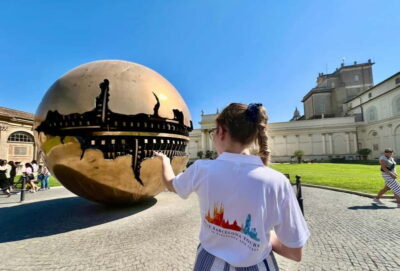 ★ 4.3Vatican Museums, Sistine Chapel and Basilica TourFrom $7316,039 reviews
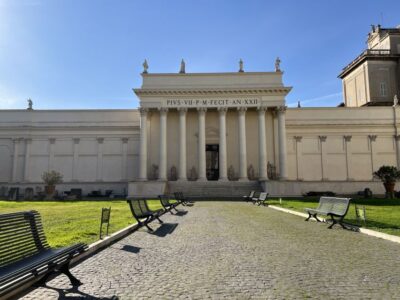 ★ 4.4Vatican Museums & Sistine Chapel Skip-the-Line Entry TicketFrom $4313,838 reviews
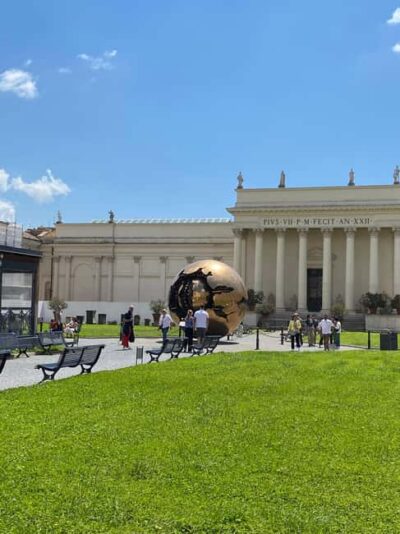 ★ 4.7Vatican Museums, Sistine Chapel & Basilica TourFrom $7213,217 reviews
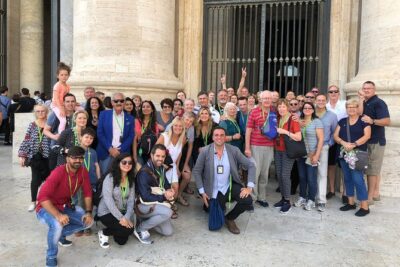 ★ 4.5Skip-the-Line Group Tour of the Vatican, Sistine Chapel & St. Peter’s BasilicaFrom $3012,779 reviews
 ★ 4.3Vatican Museums & Sistine Chapel Guided TourFrom $11812,117 reviews