
Reviewed · MUSEUMS
Rome Etruscan Museum of Villa Giulia
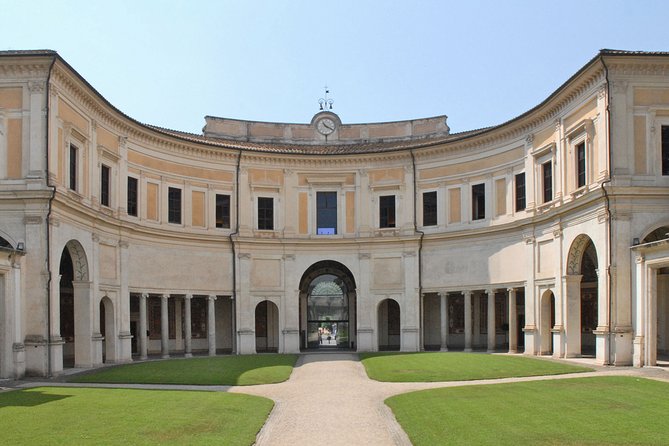
Etruscans before Rome deserve your time. This museum visit at Museo Nazionale Etrusco di Villa Giulia turns a name from a textbook into people you can picture, especially thanks to standout sculpture galleries and the famous terracotta Sarcophagus of the Spouses. I like how the museum doesn’t treat the Etruscans as a footnote; it shows them as artists and thinkers with style of their own.
You’ll get two wins fast: real, up-close viewing of Etruscan sculpture (not just mentions), and a chance to spot Greek artworks and fine imported objects alongside local masterpieces. One thing to keep in mind is entry: you’ll need to present the official tickets provided through your booking, not a copy or payment receipt.
In This Review
- Key takeaways before you go
- Villa Giulia: why this Etruscan stop feels so different in Rome
- What you’ll actually see: top sculpture and Greek pieces in the same halls
- Your practical 1–3 hour game plan (one stop, no stress)
- The English digital audioguide option: helpful context, not a magic shield
- Ticket rules and avoiding the avoidable headache
- Pricing: is $25.26 good value for Villa Giulia?
- Best pairing after your museum: Villa Borghese gardens
- Who should book this, and who might skip it
- Should you book the Rome Etruscan Museum of Villa Giulia?
- FAQ
- How long does the Museo Nazionale Etrusco di Villa Giulia visit take?
- What is included with the booking price?
- Is the audioguide included in the base price?
- What language options are available?
- Where is this experience located?
- Is there public transportation nearby?
- When will I receive confirmation after booking?
- What is the cancellation policy?
- Is the experience suitable for most travelers?
Key takeaways before you go
- Sarcophagus of the Spouses: a signature terracotta highlight you’ll want to see slowly
- Pre-Roman depth: Etruscan culture as a full world, not an add-on to Roman history
- Greek imports included: you’ll spot high-level Greek works mixed in with Etruscan art
- Optional English digital audioguide: useful if you like extra context while walking
- Villa Borghese gardens nearby: easy to stack after your museum time
- 1 to 3 hours works well: you can do this at a relaxed pace or a tighter sprint
Villa Giulia: why this Etruscan stop feels so different in Rome
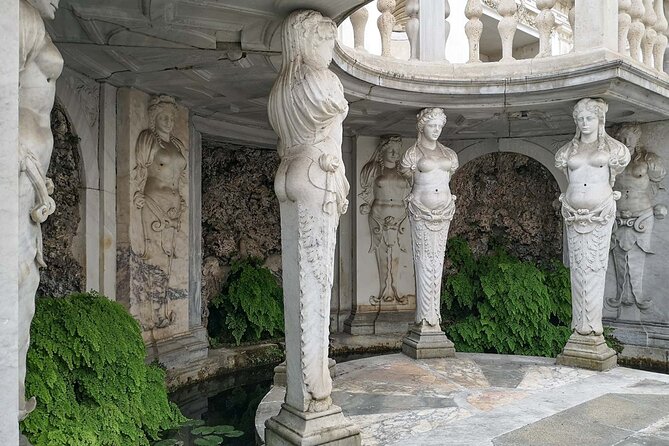
Rome has a way of putting everything into a Roman-shaped box. So when you walk into the Museo Nazionale Etrusco di Villa Giulia, the shift is the whole point. This museum focuses on the Etruscan civilization that flourished in Italy before the Roman Empire became the main character, and it keeps the story grounded in objects you can actually see.
What I like most is that the museum gives you a sense of how sophisticated Etruscan culture was—artists, builders, and patrons who had taste and technical skill. You’re not just reading about a “lost culture.” You’re looking at faces, carving work, and carefully made artifacts that make the past feel specific, not vague.
And there’s a bonus effect: once you’ve seen what came before Rome, Roman history starts to look less like a sudden invention and more like the next chapter in a much older region.
Worth a look next to this Rome booking:
- Vatican Museums, Sistine Chapel & St. Peter’s Basilica Tour
★ 4.3 · 73,970 reviews - Vatican Museums, Sistine Chapel & St Peter’s Basilica Guided Tour
★ 4.5 · 39,149 reviews - Rome: Vatican Museums, Sistine Chapel and Basilica Tour
★ 4.3 · 16,039 reviews - Vatican Museums & Sistine Chapel Skip-the-Line Entry Ticket
★ 4.4 · 13,838 reviews
What you’ll actually see: top sculpture and Greek pieces in the same halls
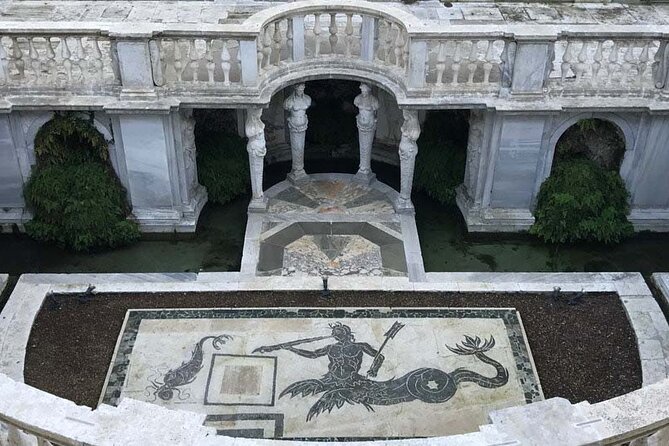
The museum experience centers on Etruscan art, and the highlights aren’t subtle.
One of the headline attractions is the terracotta Sarcophagus of the Spouses. It’s the kind of artwork that rewards time: the figures, the details, the mood—all of it helps you understand how Etruscans approached life, relationships, and commemorating the important people in their world. If you like art that makes you ask questions, this is one of the pieces that does it.
Another reason this museum feels worthwhile is the mix of Etruscan and Greek products of high level. That matters because it shows the Etruscans weren’t living in isolation. You get a clearer view of how trade, influence, and shared artistic techniques moved across the Mediterranean. Even if Greek art is already familiar to you, seeing it in a different setting changes how you read it.
In short: you’re not stuck with one type of artifact. You’re seeing a broader picture of what the Etruscans valued and how they interacted with outside styles.
Your practical 1–3 hour game plan (one stop, no stress)
This is a single-stop experience: you head to the Museo Nazionale Etrusco di Villa Giulia, spend your time with the collections, then you’re done. The listed duration of 1 to 3 hours is wide on purpose, because your pace should match your interest.
Here’s a simple way to use the time without getting stuck in “museum fatigue”:
- First pass (quick but focused): aim to find the main sculpture areas and locate the most famous pieces, including the Spouses’ sarcophagus
- Second pass (slower): stop on fewer works and spend more time looking at faces, posture, and technique
- Optional audioguide mode: if you choose the English digital audioguide, let it help you connect the dots between objects and the larger Etruscan world
If you’re the kind of person who likes to read every label, don’t force a 60-minute visit. If you’re more visual and prefer to move, you can absolutely do this closer to the 1-hour end—just plan to go straight for the sculpture highlights first so you don’t run out of time.
The English digital audioguide option: helpful context, not a magic shield
An optional English digital audioguide is offered for this experience. If you like to walk with narration, this can be a big help—especially in a museum where symbols and styles carry meaning even when you don’t know the background.
Still, treat the audioguide as a convenience, not a replacement for looking. Even with guidance, you’ll get more out of it if you also pause to look carefully at the works themselves. Art like the Sarcophagus of the Spouses isn’t something you should speed through.
One more practical note: since the audioguide is optional, you’re not locked into it. If you ever run into audio problems in the real world (chargers, devices, apps), you can always rely on the artwork and museum signage while you continue.




Ticket rules and avoiding the avoidable headache
This is where you should be a bit more careful than you might be for other tours.
Access depends on showing the official tickets provided by your booking. If you show a copy, a receipt, or a payment screen instead of the proper ticket documents, you risk getting turned away. That’s not a theoretical issue—it’s the exact kind of frustration you want to avoid on a museum day.
So do this before you arrive:
- Make sure you have the official ticket you were sent
- Don’t assume that any payment proof will work as a substitute at the door
It’s a small prep step that can save you a very large amount of time and stress.
Pricing: is $25.26 good value for Villa Giulia?
At $25.26 per person, you’re paying for entrance to the Etruscan museum, with English as the listed language option. The value question comes down to what you personally want from the visit.
This price can be a good deal if:
- You want the museum entry bundled in
- You prefer the structure of a pre-booked experience
- You think you’ll use the optional English digital audioguide upgrade
But there’s a twist to pricing: some people feel that buying tickets directly at the museum can be cheaper, especially if you don’t care about audioguide add-ons. I’d treat that as a signal to check your priorities. If your plan is flexible and you’re fine handling things on arrival, you may be able to reduce cost.
My practical take: if you hate ticket hassle, pre-booking tends to feel worth it. If you’re price sensitive and comfortable showing up and figuring it out, compare options so you don’t pay extra just to avoid a small inconvenience.
Best pairing after your museum: Villa Borghese gardens
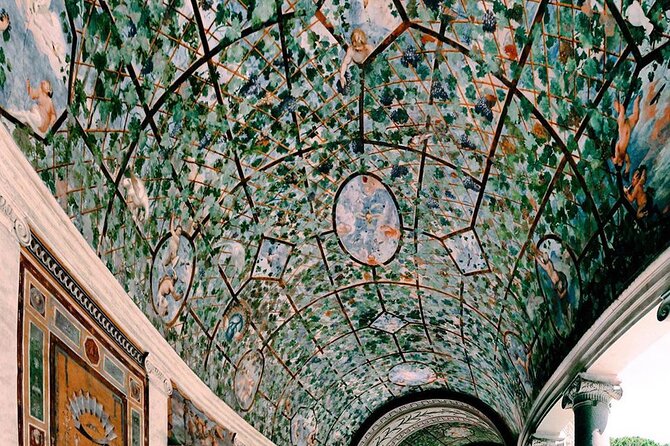
One of the smart advantages here is location in relation to Villa Borghese gardens, which are considered a top Rome attraction and are nearby.
That pairing works because it turns your day from “indoors, in the museum” into “walk, decompress, and keep exploring.” After you’ve been staring at sculpture and reading the Etruscan story, a green outdoor break helps you reset.
If you’re planning a longer sightseeing day, you can treat Villa Borghese gardens as your cooldown after Villa Giulia, then decide what else you want to add nearby based on energy and time.
Who should book this, and who might skip it
This museum visit is a strong match if you’re:
- A history buff who likes pre-Roman material
- Curious about how cultures influence each other (Etruscan + Greek connections)
- Someone who enjoys sculpture—especially pieces that show human faces and emotion
- Planning a focused Rome day where you want one high-quality museum stop
You might consider a different option if you:
- Are only interested in the most famous Roman sites and don’t care about pre-Roman Italy
- Want a super fast hit-and-run without any time to look
- Are counting on the optional audioguide as your only source of meaning (it may not be essential, but it’s not something to treat as guaranteed for everyone)
Should you book the Rome Etruscan Museum of Villa Giulia?
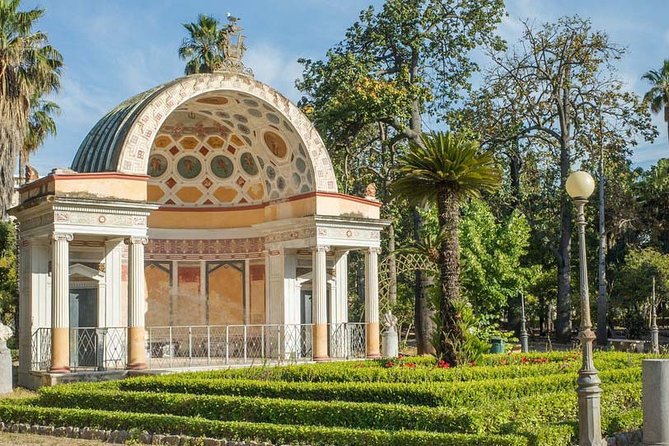
I’d book this if you want a real look at Etruscan civilization in a way that feels human and grounded in objects. The Sarcophagus of the Spouses and the Etruscan+Greek mix make it a memorable stop, and the 1 to 3 hour timing fits neatly into most Rome itineraries.
Do book with one key mindset: be ready with the official tickets your provider supplies. That small step matters more than people expect.
If you’re still on the fence about price, compare your options before you commit—some visitors believe direct museum tickets can be less expensive. If you value convenience and want the guided support in English, this is a fair way to spend your time.
FAQ
How long does the Museo Nazionale Etrusco di Villa Giulia visit take?
The experience is listed as lasting about 1 to 3 hours, depending on how much time you spend looking through the collections.
What is included with the booking price?
Your booking includes the entrance ticket to Museo Nazionale Etrusco di Villa Giulia.
Is the audioguide included in the base price?
No. The digital audioguide is described as an optional upgrade, not part of what’s automatically included.
What language options are available?
The experience is offered in English.
Where is this experience located?
It takes place in Rome, Italy, at Museo Nazionale Etrusco di Villa Giulia.
Is there public transportation nearby?
Yes. It’s listed as being near public transportation.
When will I receive confirmation after booking?
You should receive confirmation within 48 hours of booking, subject to availability.
What is the cancellation policy?
This experience is non-refundable and cannot be changed for any reason. If you cancel or request an amendment, the amount you paid will not be refunded.
Is the experience suitable for most travelers?
The listing says most travelers can participate.
More Museums in Rome
- Vatican Museums, Sistine Chapel & St. Peter’s Basilica Tour
★ 4.3 · 73,970 reviews - Vatican Museums, Sistine Chapel & St Peter’s Basilica Guided Tour
★ 4.5 · 39,149 reviews - Rome: Vatican Museums, Sistine Chapel and Basilica Tour
★ 4.3 · 16,039 reviews - Vatican Museums & Sistine Chapel Skip-the-Line Entry Ticket
★ 4.4 · 13,838 reviews - Rome: Vatican Museums, Sistine Chapel & Basilica Tour
★ 4.7 · 13,217 reviews - Rome: Vatican Museums & Sistine Chapel Guided Tour
★ 4.3 · 12,117 reviews
More Tour Reviews in Rome
- Vatican Museums, Sistine Chapel & St. Peter’s Basilica Tour
★ 4.3 · 73,970 reviews - Vatican Museums, Sistine Chapel & St Peter’s Basilica Guided Tour
★ 4.5 · 39,149 reviews - Rome: Colosseum, Palatine Hill and Roman Forum Guided Tour
★ 4.8 · 32,814 reviews - Rome: Guided Tour of Colosseum, Roman Forum & Palatine Hill
★ 4.7 · 27,897 reviews - Rome: Colosseum & Forum with Audio Guide App -Optional Arena
★ 4.2 · 24,770 reviews - Rome: Colosseum, Roman Forum and Palatine Hill Guided Tour
★ 4.5 · 23,903 reviews
Just added to our Rome reviews





Museums, compared.
 ★ 4.5Vatican: Museums & Sistine Chapel Entrance TicketFrom $38144,003 reviews
 ★ 4.3Vatican Museums, Sistine Chapel & St. Peter’s Basilica TourFrom $7273,970 reviews
 ★ 4.5Vatican Museums, Sistine Chapel & St Peter’s Basilica Guided TourFrom $2239,149 reviews
 ★ 4.3Vatican Museums, Sistine Chapel and Basilica TourFrom $7316,039 reviews
 ★ 4.4Vatican Museums & Sistine Chapel Skip-the-Line Entry TicketFrom $4313,838 reviews
 ★ 4.7Vatican Museums, Sistine Chapel & Basilica TourFrom $7213,217 reviews
 ★ 4.3Vatican Museums & Sistine Chapel Guided TourFrom $11812,117 reviews
 ★ 4.2Vatican Museums & Sistine Chapel Skip-The-Line TicketFrom $4111,708 reviews