
Reviewed · VATICAN MUSEUMS TOURS
Rome: Escorted Entrance to the Vatican Museum
Rome runs on lines. This one cuts fast and gets you into the Vatican Museums with fast-track admission and Sistine Chapel entry. I like that you’re not stuck guessing where to go first, and you have extra time to move through some of the museum’s most famous rooms without feeling like you’re racing the crowd. One thing to keep in mind: the Vatican can close parts unexpectedly, and if that happens there’s no refund.
You’ll love the hit-list style highlights that are spread out enough to feel satisfying: the Gallery of the Maps with Danti’s 1583 topographical charts, plus the Belvedere and Pinecone Courtyards. I also like the way the experience points you toward the big visual payoffs—High Renaissance rooms and the ceiling frescoes you came to see—rather than making you wander blindly.
The main drawback is simple: you’re buying admission and escorted entry, not a long, full-on museum lecture. The provided info also makes it clear that St. Peter’s Basilica access is not included, and that matters if you’re hoping to roll from the museums straight into the basilica.
In This Review
- Key highlights you’ll actually care about
- Vatican Museums Skip-the-Line, With Sistine Chapel Access
- Price and what you’re really paying for
- Meeting point and the first 15 minutes (where good visits are won)
- Inside the Vatican Museums: the highlights you’ll encounter
- Belvedere and Pinecone Courtyards: the classic courtyard pause
- Gallery of the Maps and Danti’s 1583 charts
- Greek Cross Hall, Gallery of the Statues, and Hall of the Muses
- Carriage Pavilion: ceremonial vehicles, not just art
- Raphael Rooms: High Renaissance power in enclosed spaces
- The Sistine Chapel: the moment you plan your day around
- Escorted entry vs. a full tour guide: what to expect
- St. Peter’s Basilica: why it can confuse people
- Timing: why 2 to 2.5 hours can be perfect
- Who this Vatican Museums experience suits best
- Should you book it? A straight answer
- FAQ
- How much does the Rome: Escorted Entrance to the Vatican Museum cost?
- How long is the experience?
- Does this include admission to the Vatican Museums and the Sistine Chapel?
- Is St. Peter’s Basilica included?
- Is there a tour guide on this experience?
- Are there any security checks?
- Where do I meet the group?
- What language is the host/greeter?
- What happens if Vatican sites close unexpectedly?
Key highlights you’ll actually care about
- Fast-track admission to help you beat the worst of the line chaos
- Sistine Chapel entry included, so you’re not hunting for a separate ticket
- Gallery of the Maps plus Danti’s 1583 charts in the same circuit
- Belvedere and Pinecone Courtyards for a breather before the indoor rooms
- Raphael Rooms and major High Renaissance painting stops built into the flow
- English host/greeter, with on-the-ground help to get you oriented quickly
Vatican Museums Skip-the-Line, With Sistine Chapel Access
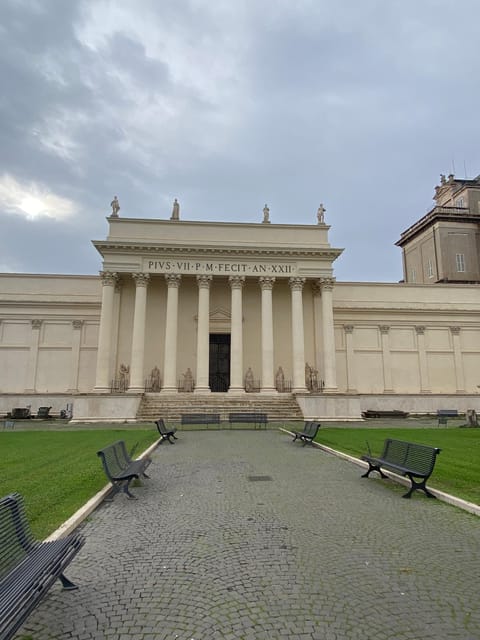
If you’re going to the Vatican, the biggest question is never whether the art is great. It’s how you’ll manage the logistics. This experience is designed for the practical reality: the Vatican Museums are famous for crowds, and going without a timed, fast-track plan can turn your visit into a line-management exercise.
For the price, you’re paying for two things that matter day-of: skip-the-line entry and escorted access. That combo is what saves you time at the entrance and helps you get your bearings early, when everything inside is large and easy to misread. You’re also not just getting into a random set of galleries—you’re funneled toward the museum highlights that most first-timers want.
Time-wise, plan on about 2 to 2.5 hours, depending on your start time. That’s enough to see the essential rooms—especially if you move at a steady walking pace—but it’s not enough to take your time in every single museum wing. So set expectations accordingly: you’re here for the “best hits” tour of the Vatican Museums, including the Sistine Chapel.
Other ways through the Vatican Museums
- Vatican Museums, Sistine Chapel & St. Peter’s Basilica Tour
★ 4.3 · 73,970 reviews - Vatican Museums, Sistine Chapel & St Peter’s Basilica Guided Tour
★ 4.5 · 39,149 reviews - Rome: Vatican Museums, Sistine Chapel and Basilica Tour
★ 4.3 · 16,039 reviews - Vatican Museums & Sistine Chapel Skip-the-Line Entry Ticket
★ 4.4 · 13,838 reviews
Price and what you’re really paying for
At $62.63 per person, this is squarely in the “worth it if you value time” category. The entry alone would still cost you money, but the real value is the added help: fast-track admission and an escorted entry process.
Here’s the way to judge value for yourself:
- If you hate lines and you want your day to stay on schedule, you’ll feel this price as a time-saver.
- If you’re happy to queue and you enjoy navigating on your own, you may prefer standard admission.
Because the duration is short, the fast-track part becomes even more important. A 2-hour visit plus long delays at the door can shrink your museum time fast. With an organized entry, you’re using your limited hours where it counts: inside the galleries.
Meeting point and the first 15 minutes (where good visits are won)
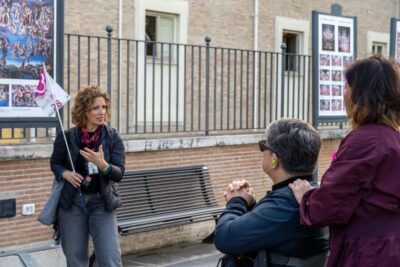
The meeting point may vary depending on the option booked, and the activity ends back at the meeting point. That means you should treat the meet-up details as non-negotiable. Arrive with a little buffer so you can find the correct spot without rushing.
Also plan for the Vatican’s entry rhythm. Expect airport-style security. Even with fast-track admission, you’re still going to go through security checks before you enter the museum areas. I recommend you bring only what you can carry easily, and keep your essentials ready so you’re not fishing for documents when the line compresses.
One practical note from real-world experience: the difference between an escorted entry that works well and one that feels chaotic is usually whether you’re clearly checked in at the right place. If the instructions aren’t obvious when you arrive, pause and confirm you’re at the correct office/meeting location before you go wandering.
Inside the Vatican Museums: the highlights you’ll encounter
Think of the route as a sequence of “big visuals,” with a few strategic breaks so your eyes don’t burn out halfway through. Here’s what you can expect to see, and why each stop is worth your limited time.
Worth a look next to this Rome booking:
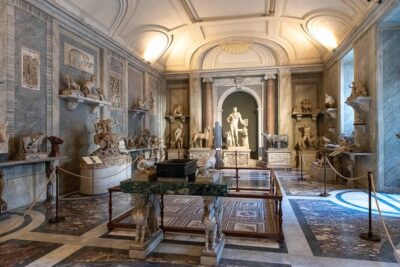
Belvedere and Pinecone Courtyards: the classic courtyard pause
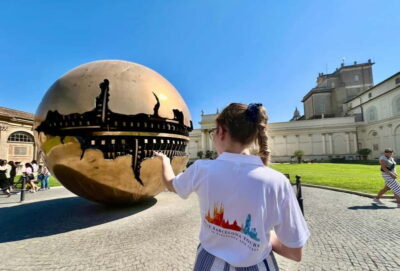
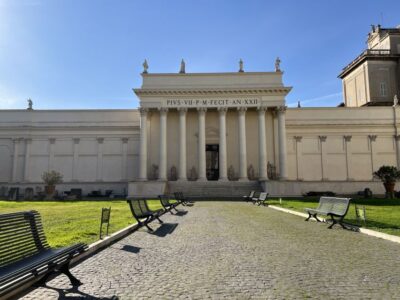
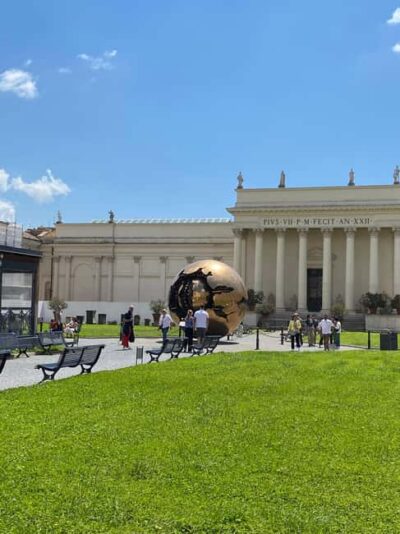
You’ll spend time in the Belvedere and Pinecone Courtyards. These courtyards do more than look good in photos. They reset your pace. After the initial rush of entry, a courtyard gives you a chance to catch your breath, re-orient, and take a few wide-angle moments before you go deeper into the galleries.
Courtyard time also helps you avoid the common new-visitor problem: you burn energy too early chasing ceiling-level art, then you’re too tired to enjoy the major museum rooms later. The route’s structure is built to keep you moving with a rhythm.
Gallery of the Maps and Danti’s 1583 charts
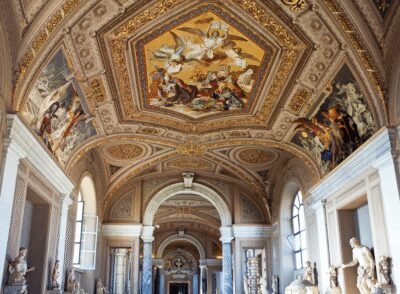
Next comes one of the most unusual highlights: the Gallery of the Maps. You’ll see Danti’s topographical charts of Italy from 1583, and they’re spread throughout the room. It’s a different kind of awe than frescoes and statues—more like a time capsule of how people understood the world centuries ago.
This is a smart stop for first-timers. It gives your visit variety. You go from art made for churches and power to cartography made for knowledge and governance. Even if you’re not a map person, the scale and repetition make an impression.
Greek Cross Hall, Gallery of the Statues, and Hall of the Muses
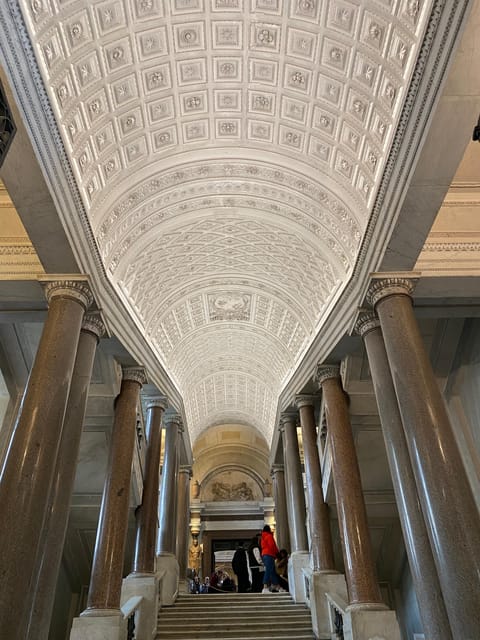
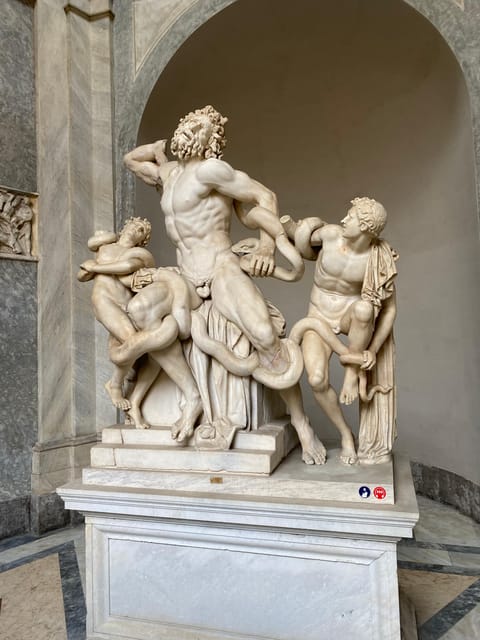
As you move through the museum complex, you may encounter the Greek Cross Hall, the Gallery of the Statues, and the Hall of the Muses—all part of the broader Pio-Clementino Museum area.
These rooms matter because they show the Vatican’s collection as more than a single famous building (or a single ceiling). You see how sculpture and themed interiors shape the “museum as stage” feeling. For many visitors, these rooms are also where you start to understand the curatorial logic: you’re not just walking through rooms; you’re stepping through centuries of tastes.
If you’re short on time, focus on pacing: pick a few works to look at carefully rather than trying to scan everything. The museum is huge. Your eyes will thank you.
Carriage Pavilion: ceremonial vehicles, not just art
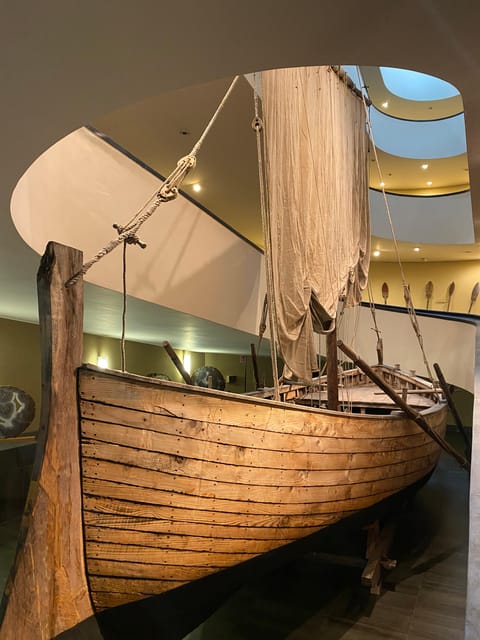
The Carriage Pavilion is a surprising inclusion. You’ll see a collection of former ceremonial carriages, which is a reminder that the Vatican Museums aren’t only paintings and sculptures. It’s a broader story of tradition, pageantry, and status.
In practical terms, this stop can also be a mental breather. If you feel art-fatigued, the carriage displays give your brain a different type of visual input.
Raphael Rooms: High Renaissance power in enclosed spaces
You’ll also get to the Raphael Rooms, where the Vatican’s treasures lean hard into High Renaissance painting. This is where the museum visit stops being mostly “famous objects” and starts feeling like a connected set of statements—about religion, ideas, and political messaging.
When you arrive here, slow down for a minute. People tend to rush rooms like these because they’ve already looked at famous walls on posters. But up close, you’ll notice how the composition and figures are built for viewing at a comfortable human scale. Even in a quick tour window, you can make this room meaningful if you give it a little attention.
The Sistine Chapel: the moment you plan your day around
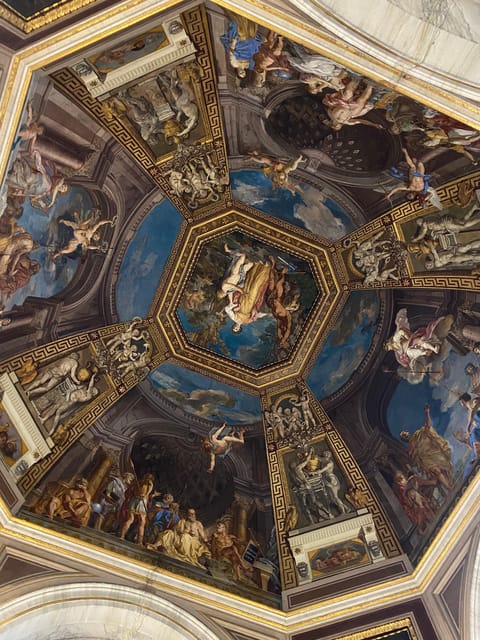
The experience includes entrance to the Sistine Chapel. This is the big one, the world-famous ceiling that people travel for. You’ll get to observe frescoes associated with artists including Botticelli, Rosselli, Perugino, and especially Michelangelo’s Sistine Chapel ceiling.
A quick reality check: the chapel experience is governed by crowd behavior and rules once you enter. So the best move is to be mentally ready to stand, look up, and keep your expectations realistic about movement.
If you only have a short time, don’t spend it trying to see everything at once. Focus on the ceiling areas that catch your eye first, then give yourself one more scan from where you’re standing. That two-pass method usually beats frantic walking.
Escorted entry vs. a full tour guide: what to expect
This experience includes fast-track admission, admission to the Vatican Museums, and admission to the Sistine Chapel. It does not list St. Peter’s Basilica access as included, and it also states that a tour guide is not included.
At the same time, the activity describes an English host or greeter. In practice, that means you can expect someone to help with entry and orientation more than a long commentary-style museum lecture. The quality of the experience often depends on how clearly you’re connected to the correct group at the start. When it clicks, it feels effortless: you find the meeting point, get processed quickly, and move in the right direction.
If it doesn’t click, you can end up doing more on your own than you expected. So I’d handle this like a pro: arrive early enough to find your spot calmly, confirm you’re signed in for the escorted entry, and follow instructions once you’re inside.
St. Peter’s Basilica: why it can confuse people
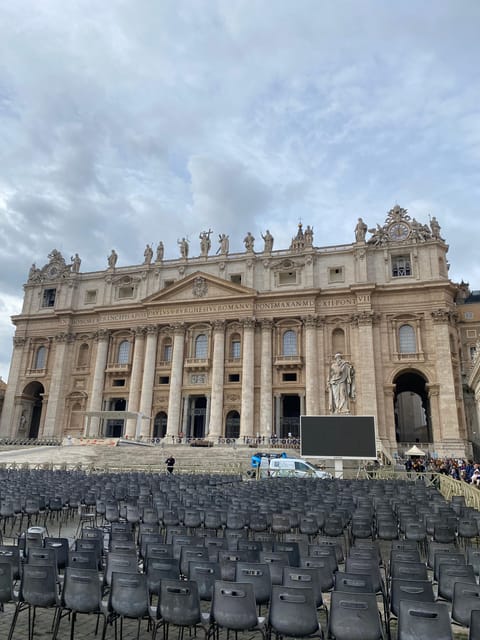
St. Peter’s Basilica is specifically listed as not included. That’s important because it’s easy to assume that after you’ve done the museums, the next stop is automatically the basilica next door.
If your heart is set on both, plan that separately. Also note the warning that Vatican sites that include the Sistine Chapel and St. Peter’s basilica may close unexpectedly. If closures happen, no refunds are possible, since those decisions are determined by the Vatican.
So: don’t build a tight back-to-back schedule that assumes everything will stay open. Keep some flexibility.
Timing: why 2 to 2.5 hours can be perfect
Two to two and a half hours is a “sweet spot” for many first-timers. Long enough to hit major rooms like the Maps, the courtyards, Raphael Rooms, and the Sistine Chapel. Short enough that you’re less likely to feel stuck in museum fatigue.
The key is how you walk. If you treat it like a casual stroll, you’ll rush the chapel. If you treat it like a museum marathon, you’ll miss the purpose of the route. Aim for steady pace: stop when something truly grabs you, and keep moving when you’re just browsing.
Also, since starting times vary, pick a time when you can still move smoothly afterward. If you’re doing the rest of your Rome day too tightly, this tour can make you late.
Who this Vatican Museums experience suits best
This works well for you if:
- You want Sistine Chapel entry without spending your time arranging separate steps
- You prefer an organized route that takes you to the most recognizable rooms in limited time
- You like structure and would rather spend energy inside the galleries than negotiating lines
It’s less ideal if:
- You want a slow, deep museum study with long explanations in every room
- You’re counting on visiting St. Peter’s Basilica during the same timed slot
- You’re the type who hates following someone’s direction, even briefly
Should you book it? A straight answer
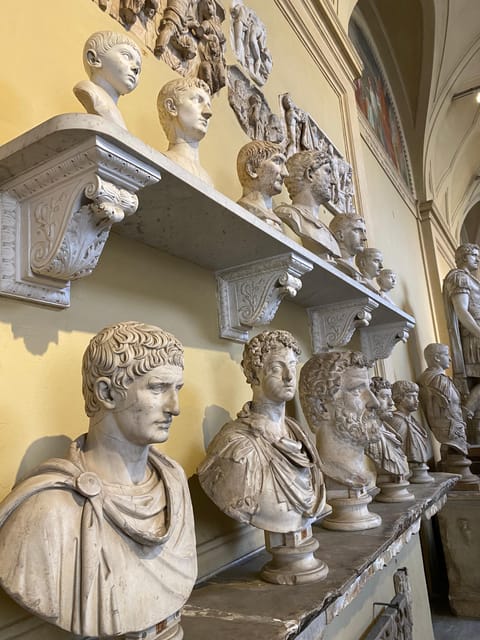
I’d book this if your priority is time and certainty. The combination of skip-the-line admission and an escorted entry flow makes the visit more predictable, and the included Sistine Chapel access is a major part of the value.
I wouldn’t book it if your plan is flexible to the point that you’re fine waiting in lines and you’re also planning to add St. Peter’s Basilica as an automatic extra. In that case, you might be happier choosing a different arrangement that matches your pacing.
The best decision comes down to one question: do you want to spend your Rome hours looking up at Michelangelo’s ceiling instead of standing in paperwork and queue traffic? If yes, this is a strong fit.
FAQ
How much does the Rome: Escorted Entrance to the Vatican Museum cost?
The price is listed as $62.63 per person.
How long is the experience?
It lasts about 2 to 2.5 hours. Starting times depend on availability.
Does this include admission to the Vatican Museums and the Sistine Chapel?
Yes. Admission to the Vatican Museums and entrance to the Sistine Chapel are included.
Is St. Peter’s Basilica included?
No. Access to St. Peter’s Basilica is not included.
Is there a tour guide on this experience?
A tour guide is listed as not included. The activity notes an English host or greeter.
Are there any security checks?
Yes. All visitors must pass through airport-style security.
Where do I meet the group?
The meeting point may vary depending on the option booked. The activity starts at the meeting point and ends back there.
What language is the host/greeter?
The host or greeter is English.
What happens if Vatican sites close unexpectedly?
In light of Pope Francis’s passing, Vatican sites which includes the Sistine Chapel and St. Peter’s basilica may close unexpectedly. If closures occur, no refunds are possible, as closures are determined by the Vatican.
More Museums in Rome
- Vatican Museums, Sistine Chapel & St. Peter’s Basilica Tour
★ 4.3 · 73,970 reviews - Vatican Museums, Sistine Chapel & St Peter’s Basilica Guided Tour
★ 4.5 · 39,149 reviews - Rome: Vatican Museums, Sistine Chapel and Basilica Tour
★ 4.3 · 16,039 reviews - Vatican Museums & Sistine Chapel Skip-the-Line Entry Ticket
★ 4.4 · 13,838 reviews - Rome: Vatican Museums, Sistine Chapel & Basilica Tour
★ 4.7 · 13,217 reviews - Rome: Vatican Museums & Sistine Chapel Guided Tour
★ 4.3 · 12,117 reviews
More Tour Reviews in Rome
- Vatican Museums, Sistine Chapel & St. Peter’s Basilica Tour
★ 4.3 · 73,970 reviews - Vatican Museums, Sistine Chapel & St Peter’s Basilica Guided Tour
★ 4.5 · 39,149 reviews - Rome: Colosseum, Palatine Hill and Roman Forum Guided Tour
★ 4.8 · 32,814 reviews - Rome: Guided Tour of Colosseum, Roman Forum & Palatine Hill
★ 4.7 · 27,897 reviews - Rome: Colosseum & Forum with Audio Guide App -Optional Arena
★ 4.2 · 24,770 reviews - Rome: Colosseum, Roman Forum and Palatine Hill Guided Tour
★ 4.5 · 23,903 reviews
The Vatican, A Few More Ways In
- Vatican Museums, Sistine Chapel & St. Peter’s Basilica Tour
★ 4.3 · 73,970 reviews - Vatican Museums, Sistine Chapel & St Peter’s Basilica Guided Tour
★ 4.5 · 39,149 reviews - Rome: Vatican Museums, Sistine Chapel and Basilica Tour
★ 4.3 · 16,039 reviews - Vatican Museums & Sistine Chapel Skip-the-Line Entry Ticket
★ 4.4 · 13,838 reviews - Rome: Vatican Museums, Sistine Chapel & Basilica Tour
★ 4.7 · 13,217 reviews - Skip-the-Line Group Tour of the Vatican, Sistine Chapel & St. Peter’s Basilica
★ 4.5 · 12,779 reviews
Just added to our Rome reviews





Vatican Museums Tours, compared.
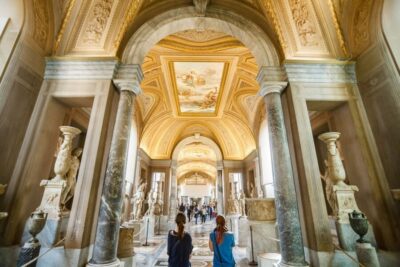 ★ 4.5Vatican: Museums & Sistine Chapel Entrance TicketFrom $38144,003 reviews
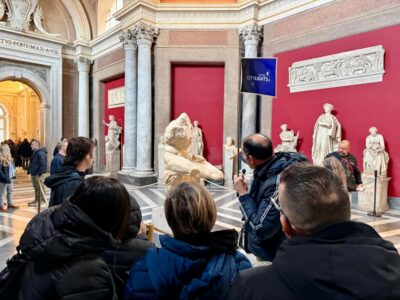 ★ 4.3Vatican Museums, Sistine Chapel & St. Peter’s Basilica TourFrom $7273,970 reviews
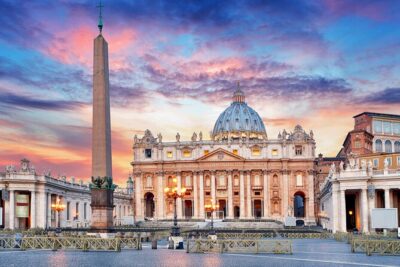 ★ 4.5Vatican Museums, Sistine Chapel & St Peter’s Basilica Guided TourFrom $2239,149 reviews
 ★ 4.3Vatican Museums, Sistine Chapel and Basilica TourFrom $7316,039 reviews
 ★ 4.4Vatican Museums & Sistine Chapel Skip-the-Line Entry TicketFrom $4313,838 reviews
 ★ 4.7Vatican Museums, Sistine Chapel & Basilica TourFrom $7213,217 reviews
 ★ 4.5Skip-the-Line Group Tour of the Vatican, Sistine Chapel & St. Peter’s BasilicaFrom $3012,779 reviews
 ★ 4.3Vatican Museums & Sistine Chapel Guided TourFrom $11812,117 reviews