
Reviewed · MUSEUMS
Rome: Doria Pamphilj Gallery Guided Tours
Gold, frescoes, and Rome’s private art world. I love how the Caravaggio rooms feel in a still-lived-in palace, and how Velázquez turns politics into something you can almost stare back at. This 2-hour guided visit takes you through the Doria Pamphilj Palace (built in the 1500s) and its largest private art collection in Rome, with stories about popes and princes woven into what you’re seeing.
One consideration: this tour isn’t suitable for people with mobility impairments or wheelchair users, and you’ll want comfortable shoes for indoor walking.
In This Review
- Key highlights you should know before you go
- Meeting at Fontana del Facchino, then straight into the palace mood
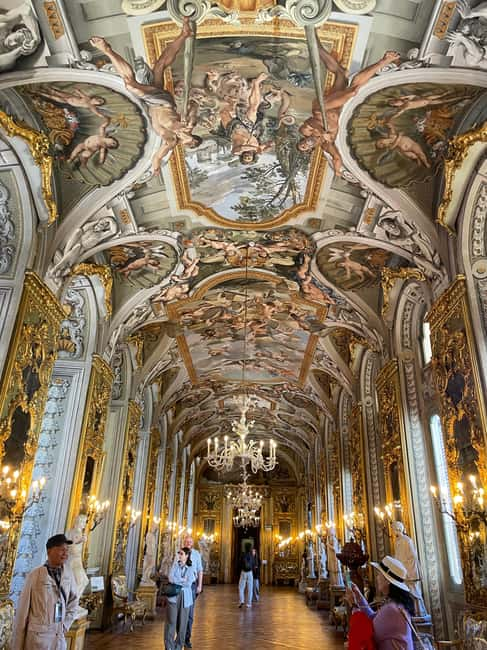
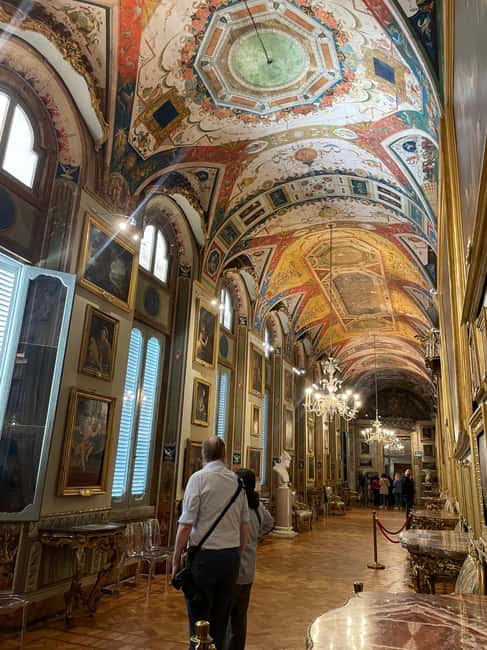
- Inside Doria Pamphilj Palace: golden halls, silk rooms, and frescoed corridors
- Caravaggio in a private setting: seeing Rest on the Flight into Egypt
- Caravaggio again: Penitent Magdalen and the psychology of looking
- Velázquez’s Pope Innocent X: why the portrait is so famous
- The rest of the art lineup: Titian, Bernini, Raphael, and Flemish masters
- Stories about popes and princes: the part that makes the art stick
- What to bring (and what to skip) for a smooth tour
- How the timing and group size affect your viewing
- Courtyard café and bookshop: a nice way to end the visit
- Price and value: where this tour feels worth the time
- Who this tour suits best
- Should you book the Rome: Doria Pamphilj Gallery Guided Tour?
- FAQ
- How long is the Doria Pamphilj Gallery guided tour?
- Where do I meet for the tour?
- What languages are available for the guide?
- Is it possible to cancel for a full refund?
- Can I take photos with flash or bring food?
- Is the tour wheelchair accessible?
Key highlights you should know before you go
- Caravaggio in private galleries: you’ll see works including Rest on the Flight into Egypt and Penitent Magdalen
- Velázquez’s portrait of Pope Innocent X: an iconic oil portrait you’ll hear explained in plain terms
- A palace still owned by the Doria Pamphilj family: the setting matters as much as the art
- Renaissance and Baroque heavy hitters: Titian, Bernini, Raphael, and Flemish masters show up in the conversation
- A small-group, 2-hour pace: enough time to look closely without feeling rushed
- Courtyard café and bookshop at the end: a calm landing spot away from street noise
Meeting at Fontana del Facchino, then straight into the palace mood
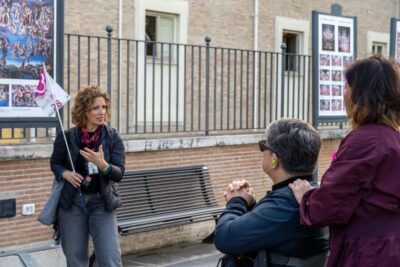
You meet at Fontana del Facchino, on Via Lata (00186 Rome). The staff will be waiting in front of the fountain with a blue flag showing the Doooing Experience logo. If you’re using GPS, the coordinates are 41.898311614990234, 12.481409072875977.
What I like about this setup is that it’s clear and central enough to find without drama. Also, the tour starts multiple times each day, so you can choose a slot that fits your Rome rhythm—morning or later in the day, depending on when you want a slower, art-focused break.
Worth a look next to this Rome booking:
- Vatican Museums, Sistine Chapel & St Peter’s Basilica Guided Tour
★ 4.5 · 39,149 reviews - Rome: Colosseum, Palatine Hill and Roman Forum Guided Tour
★ 4.8 · 32,814 reviews - Rome: Guided Tour of Colosseum, Roman Forum & Palatine Hill
★ 4.7 · 27,897 reviews - Rome: Colosseum & Forum with Audio Guide App -Optional Arena
★ 4.2 · 24,770 reviews
Inside Doria Pamphilj Palace: golden halls, silk rooms, and frescoed corridors
Once you’re inside, the palace feels like you stepped into a carefully kept time capsule. The tour moves through opulent golden halls, silk-draped drawing rooms, and frescoed corridors—all within a residence that dates back to the 1500s and is still owned by the Doria Pamphilj family.
Here’s the practical magic: you’re not just looking at famous works. You’re seeing how the setting shapes the experience. Gilded ceilings and formal rooms change how a painting reads. Lighting, distance, and the way a corridor funnels your attention all make the art feel more intentional—like the palace was designed to frame power, taste, and faith.
You’ll also notice something else: the tour is paced to keep you looking, not just listening. With a small group, you can actually spend a minute or two on details instead of darting to the next room like it’s a museum race.
Caravaggio in a private setting: seeing Rest on the Flight into Egypt
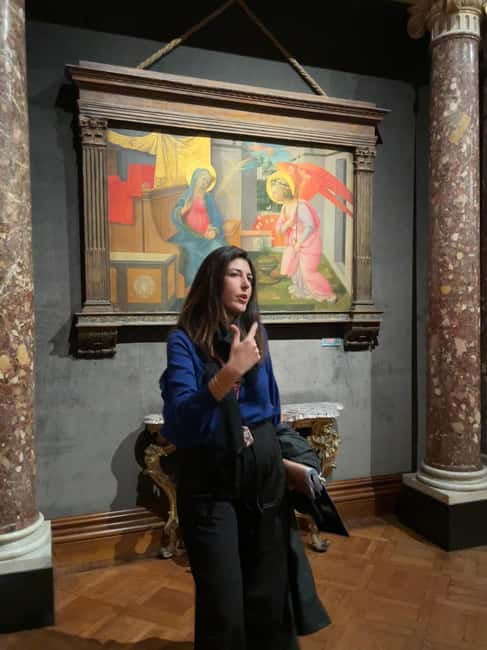
Caravaggio is one of those artists where the work can feel intense even if you don’t know the plot. Here, you get to see specific pieces up close—especially Rest on the Flight into Egypt. The guide will explain what’s going on and why Caravaggio’s approach hit so hard for the people who saw it back then.
What makes this stop valuable is the contrast between subject and space. The palace rooms are grand and aristocratic; Caravaggio’s scenes often feel human and urgent. In a private gallery, that tension feels sharper. You’re not standing in a wide, impersonal public room. You’re in a place built to display refinement, and then—there’s this kind of raw, emotional storytelling.
If you like art that feels like it’s happening right now, this is the moment you’ll remember. And if you’re more of a history person, the guide’s stories about the people connected to the Doria Pamphilj world help you place the paintings in a bigger picture—patrons, popes, and the politics of art.
Caravaggio again: Penitent Magdalen and the psychology of looking
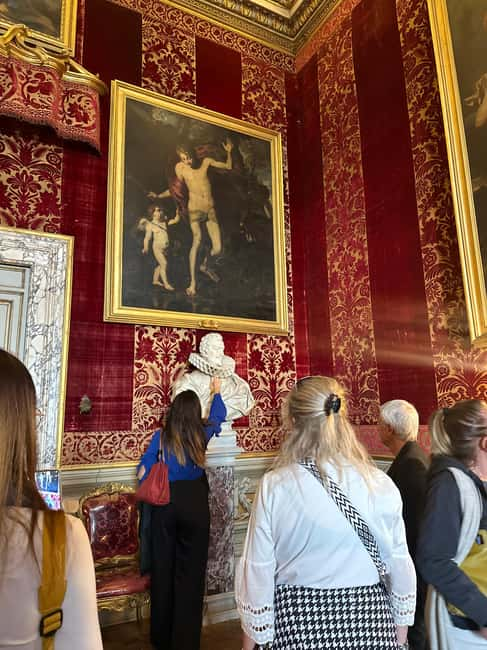
The tour also includes Penitent Magdalen. This is where Caravaggio’s style clicks for many people. Even if you’re not reading every symbolism clue, you can feel the emotional direction—how the expression and lighting pull your eye where it needs to go.
This is also a good place to slow down. Don’t try to “read” the painting like a puzzle. Let your eyes settle on a few elements the guide points out—face, hands, and the way the light treats the figure. When you do that in a palace room, it becomes less like a sightseeing stop and more like a quiet moment in a dramatic play.
A useful tip: wear shoes you can stand in comfortably for a bit. You’ll want the time to look after the explanation, not just during it.
Worth a look next to this Rome booking:
Velázquez’s Pope Innocent X: why the portrait is so famous
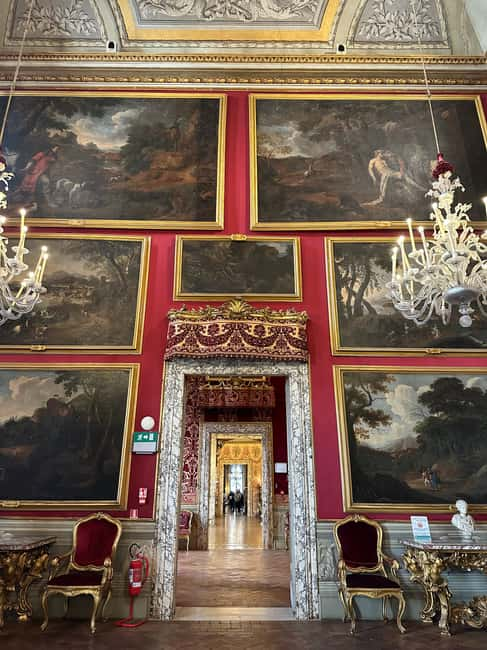
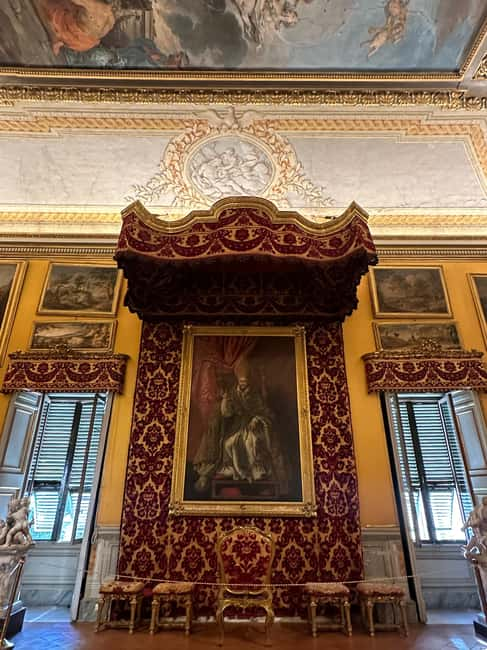
Then you get to Velázquez’s iconic portrait of Pope Innocent X—often described as one of the greatest oil portraits of all time. The guide explains why this one matters, and you’ll likely find yourself comparing what you expect from a papal portrait with what you’re actually seeing.
The big idea here is directness. This isn’t a flattering “look how powerful I am” image. It’s an intense, almost confrontational way of showing authority—something that feels very modern even though it’s centuries old.
In a private gallery, the portrait tends to land differently. The scale and the controlled atmosphere make it feel less like an object and more like a person in the room. If you’ve ever wanted to understand why portraits can be political without being loud, this one gives you a strong answer fast.
The rest of the art lineup: Titian, Bernini, Raphael, and Flemish masters
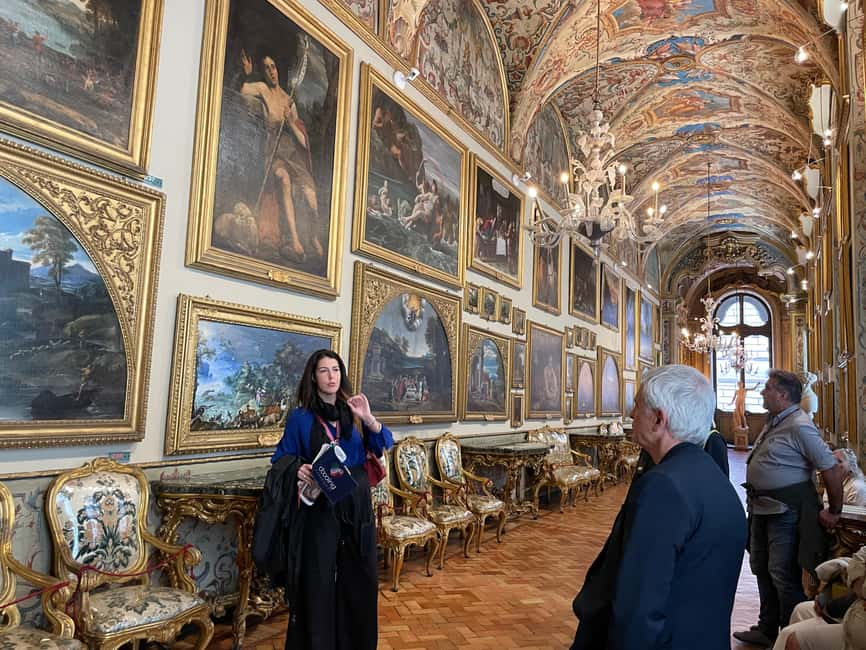
After Caravaggio and Velázquez, the tour keeps widening the lens. You’ll hear about and see works connected to Titian, Bernini, Raphael, and Flemish masters. The guide’s job is to connect each artist to the “why” behind the collection—taste, status, religion, and the networks that brought art together in the first place.
What I like about this part of the visit is the balance. You don’t just get name-dropping. You get short, practical explanations that help you notice differences—how artists handle faces, space, drama, and detail. If sculpture and painting both interest you, you’ll likely appreciate how the guide connects the two worlds. (Some guides here—like Martina—have been specifically praised for explaining art in a way that makes both mediums click.)
If you’re a fan of Renaissance and Baroque style, you’ll leave with a clearer sense of how those styles overlap. It’s not separate eras on a timeline. It’s a chain of influence, all in one private building.
Stories about popes and princes: the part that makes the art stick
The art is the headline, but the stories are what help it stay in your brain. Expect the guide to talk about popes and princes who once walked these halls—people whose choices shaped collections like this one.
This isn’t “random gossip.” It’s the stuff that explains why paintings were collected, why certain themes mattered, and why aristocratic taste was treated like a kind of power. When you hear those stories while standing in the room, the art stops feeling like an isolated object and starts feeling like part of a living social world.
If you’re someone who gets restless during lectures, you’ll still probably be okay here because the guide’s storytelling is anchored to what you can see in front of you, not abstract details floating in the air.
What to bring (and what to skip) for a smooth tour
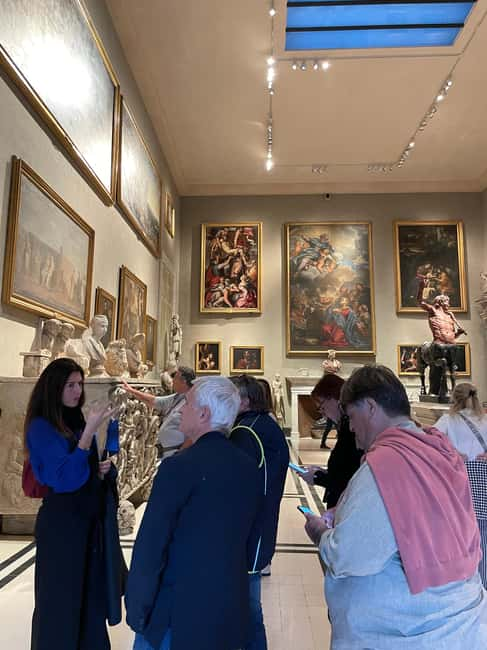
This is a 2-hour tour, so simple preparation makes a big difference.
Bring:
- Comfortable shoes (you’ll be on your feet)
Not allowed:
- Food and drinks
- Flash photography
- Backpacks
Why this matters: no flash keeps the experience calmer and easier for everyone. No backpacks helps with crowd flow inside palace rooms where space can get tight. And skipping food/drink means you can focus on looking, not managing snacks mid-room.
Also, the tour offers live guiding in Italian, English, and Spanish, and it runs with small groups for a more intimate feel. If you want private time with the guide, there’s also a private group option.
How the timing and group size affect your viewing
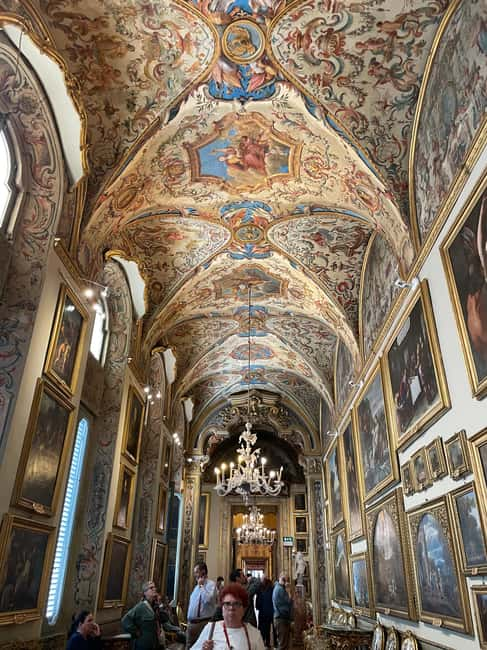
Because the tour is 2 hours, you get a real arc: you’re there long enough to see multiple masterpieces and understand the collection, but not so long that your attention fades.
You’ll move through opulent rooms, then hit the biggest art moments (Caravaggio and Velázquez), and finish in a calmer space. Small-group pacing is key here. In a group that isn’t too large, you can ask questions and actually hear the answers. It also helps you slow down at the paintings that grab you most.
The guided tour also includes skip-the-ticket-line, which is practical in Rome. Even when you don’t hate lines, it’s nice to avoid spending your art time standing around.
Courtyard café and bookshop: a nice way to end the visit
When you finish the interior galleries, you end in a charming courtyard with a café and bookshop. This is a smart closing move. It gives you a place to reset after the formal rooms and digest what you just saw—without immediately jumping back into the city’s noise.
If you like picking up a small art book or a local read on your way out, this stop makes it easy. Even if you do nothing but sit for a few minutes, it helps the whole experience feel complete.
Price and value: where this tour feels worth the time
I can’t quote a specific cost from the details you provided, but I can tell you where the value usually comes from for a tour like this.
You’re paying for:
- Access to a private palace setting (the Doria Pamphilj family still owns it)
- An expert live guide in your chosen language
- A focused 2-hour route through multiple rooms and major artists
- Skip-the-ticket-line convenience
- A small-group format that supports real looking
That combination is what makes the tour different from a generic “entry ticket plus audio.” You’re not only viewing art; you’re getting context while you stand in the rooms where that context matters.
And with an overall rating around 4.9 based on 18 reviews, the signal is strong that people are getting what they came for—clear explanations, good pacing, and a collection that feels genuinely special.
Who this tour suits best
This is a great match if:
- You want a guided art experience rather than wandering alone
- You’re interested in major names like Caravaggio and Velázquez, but also care about the “why” behind collections
- You like quieter, interior spaces and would rather not fight crowds nonstop
- You want a 2-hour plan that doesn’t drag
It’s not a fit if:
- You need wheelchair access or mobility-friendly routes, since the tour isn’t suitable for people with mobility impairments
Should you book the Rome: Doria Pamphilj Gallery Guided Tour?
If you’re even moderately into art and you like your masterpieces explained in a human way, I’d say yes. The biggest reason is simple: you get top-level works in a setting that still feels like a palace, not just a public hall.
Book it if you want the Caravaggio and Velázquez moments done properly—slow enough to notice details, guided enough to understand what you’re seeing, and paced so you’re not exhausted before the best rooms.
Skip it only if you know walking and indoor movement will be a problem for you, or if you prefer self-guided museums where you control every minute.
FAQ
How long is the Doria Pamphilj Gallery guided tour?
The tour lasts 2 hours.
Where do I meet for the tour?
Meet at the Fontana del Facchino on Via Lata, 00186 Roma RM. Your staff member will be holding a blue flag with the Doooing Experience logo.
What languages are available for the guide?
The live tour guide is available in Italian, English, and Spanish.
Is it possible to cancel for a full refund?
Yes. You can cancel up to 24 hours in advance for a full refund.
Can I take photos with flash or bring food?
No. Flash photography is not allowed, and food and drinks are not allowed during the tour.
Is the tour wheelchair accessible?
No. The experience is not suitable for wheelchair users or people with mobility impairments.
More Guided in Rome
- Vatican Museums, Sistine Chapel & St Peter’s Basilica Guided Tour
★ 4.5 · 39,149 reviews - Rome: Colosseum, Palatine Hill and Roman Forum Guided Tour
★ 4.8 · 32,814 reviews - Rome: Guided Tour of Colosseum, Roman Forum & Palatine Hill
★ 4.7 · 27,897 reviews - Rome: Colosseum & Forum with Audio Guide App -Optional Arena
★ 4.2 · 24,770 reviews - Rome: Colosseum, Roman Forum and Palatine Hill Guided Tour
★ 4.5 · 23,903 reviews - Rome: Colosseum Arena Floor, Palatine & Forum Guided Tour
★ 4.5 · 20,180 reviews
More Tours in Rome
- Vatican Museums, Sistine Chapel & St. Peter’s Basilica Tour
★ 4.3 · 73,970 reviews - Vatican Museums, Sistine Chapel & St Peter’s Basilica Guided Tour
★ 4.5 · 39,149 reviews - Rome: Colosseum, Palatine Hill and Roman Forum Guided Tour
★ 4.8 · 32,814 reviews - Rome: Guided Tour of Colosseum, Roman Forum & Palatine Hill
★ 4.7 · 27,897 reviews - Rome: Colosseum, Roman Forum and Palatine Hill Guided Tour
★ 4.5 · 23,903 reviews - Rome: Colosseum Arena Floor, Palatine & Forum Guided Tour
★ 4.5 · 20,180 reviews
More Tour Reviews in Rome
- Vatican Museums, Sistine Chapel & St. Peter’s Basilica Tour
★ 4.3 · 73,970 reviews - Vatican Museums, Sistine Chapel & St Peter’s Basilica Guided Tour
★ 4.5 · 39,149 reviews - Rome: Colosseum, Palatine Hill and Roman Forum Guided Tour
★ 4.8 · 32,814 reviews - Rome: Guided Tour of Colosseum, Roman Forum & Palatine Hill
★ 4.7 · 27,897 reviews - Rome: Colosseum & Forum with Audio Guide App -Optional Arena
★ 4.2 · 24,770 reviews - Rome: Colosseum, Roman Forum and Palatine Hill Guided Tour
★ 4.5 · 23,903 reviews
Just added to our Rome reviews





Museums, compared.
 ★ 4.5Vatican: Museums & Sistine Chapel Entrance TicketFrom $38144,003 reviews
 ★ 4.3Vatican Museums, Sistine Chapel & St. Peter’s Basilica TourFrom $7273,970 reviews
 ★ 4.5Vatican Museums, Sistine Chapel & St Peter’s Basilica Guided TourFrom $2239,149 reviews
 ★ 4.3Vatican Museums, Sistine Chapel and Basilica TourFrom $7316,039 reviews
 ★ 4.4Vatican Museums & Sistine Chapel Skip-the-Line Entry TicketFrom $4313,838 reviews
 ★ 4.7Vatican Museums, Sistine Chapel & Basilica TourFrom $7213,217 reviews
 ★ 4.3Vatican Museums & Sistine Chapel Guided TourFrom $11812,117 reviews
 ★ 4.2Vatican Museums & Sistine Chapel Skip-The-Line TicketFrom $4111,708 reviews