
Reviewed · TOURS
Rome: Domus Aurea Tour with Virtual Reality Experience
Frescoes under Rome’s shadows, made visible. This Domus Aurea tour pairs a guided walk through the Domus Aurea with 3D virtual reality reconstructions that bring Nero’s world back to life. You’ll move through east-side halls and the newly reopened west wing, then hit the VR moment that shows what the palace could have looked like.
I love the way the story is anchored in what you’re standing in front of. The guide-led explanation connects Nero’s personality, the unusual fresco figures, and the politics of his reign, and it also clears up the big myth about the fire of 64 AD. On sessions led by guides such as Linda, Rosario, Yev, Alexei, or Laura, the pacing stays understandable and focused.
One thing to factor in: the experience involves walking in an archaeological environment and it isn’t suitable for wheelchair users or people with mobility impairments. Also, the entrance process can be tricky if you’re not watching for the Open Mind Tours sign right outside.
In This Review
- Quick hits before you go
- Meeting Domus Aurea: the sign, the schedule gap, and the easy win
- The opening walk inside: how the guide turns walls into a story
- The east wing: vaulted halls, restored frescoes, and Roman engineering
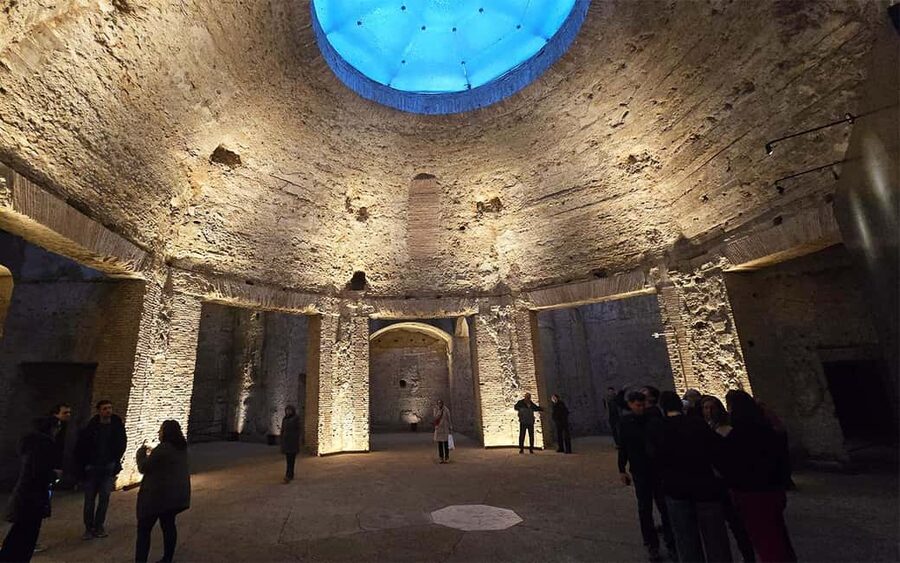
- The newly reopened west wing and the octagonal room moment
- Nero’s timeline: fire, rescue politics, the lake, and the fast reversal
- The 3D VR reconstruction: the peak moment and how to make it count
- What the guides do well (and what to watch for)
- Value for your time in Rome: why this beats a basic ruins visit
- Who should book this Domus Aurea + VR tour
- Should you book? My take on the decision
- FAQ
- How long is the Rome Domus Aurea tour with VR?
- Where do I meet the guide, and is my voucher the ticket?
- Is there skip-the-line access?
- Is the tour guide available in English?
- When do I experience the 3D virtual reality reconstruction?
- What should I wear or bring?
- Is the tour suitable for wheelchair users or mobility impairments?
Quick hits before you go
- Skip-the-line entry through a separate entrance (your guide has your entry ticket)
- East and newly reopened West Wings on one outing, including vaults and hallways
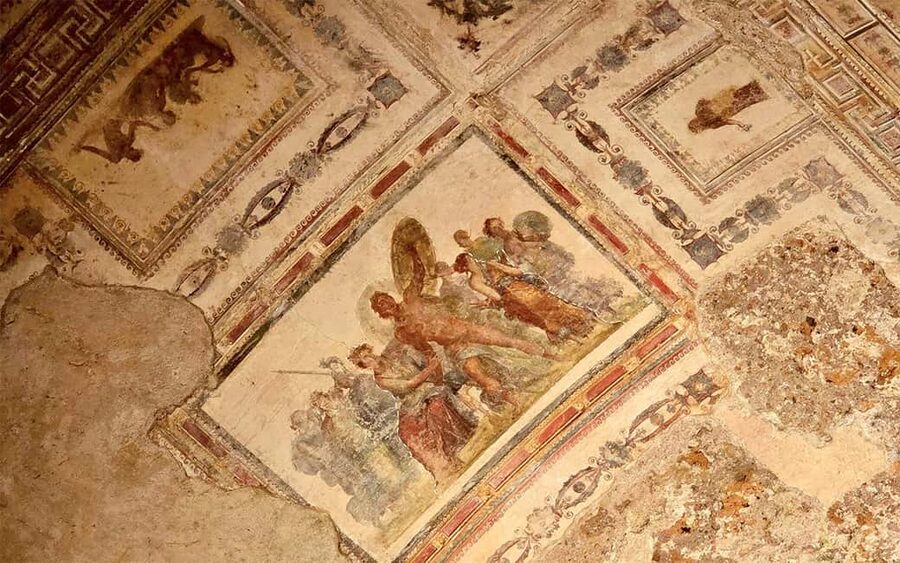
- Thirty frescoed spaces with restored decoration you can actually study
- Nero myth-busting around the fire of 64 AD and what really happened next
- VR peak moment: 3D reconstruction of Nero’s halls and an outside lavish portico
- A calmer vibe than mega-sites with the added bonus of cooler indoor air in summer
Meeting Domus Aurea: the sign, the schedule gap, and the easy win
Your tour starts right at Domus Aurea. There’s a key detail that can save you stress: your GetYourGuide voucher is not the entry ticket. Your guide will hold the tickets, and you’ll meet them outside with an Open Mind Tours sign.
Plan for a small timing mismatch. After the scheduled presentation outside, you’ll enter the site at least 20 minutes later. This matters because you might see other people moving in at different speeds. The fix is simple: stick with your group and your guide’s signal, even if it feels like you’re waiting. That delay is part of the flow.
Once you’re inside, the whole visit stays tightly structured. Total duration is listed as 2 hours, with 105 minutes for the guided portion. The rest of the time is essentially the handoff between the outside introduction, the walk-through, and the VR segment.
Weighing this one up? Here is how a few Rome favourites compare:
- Vatican Museums, Sistine Chapel & St. Peter’s Basilica Tour
★ 4.3 · 73,970 reviews - Vatican Museums, Sistine Chapel & St Peter’s Basilica Guided Tour
★ 4.5 · 39,149 reviews - Rome: Colosseum, Palatine Hill and Roman Forum Guided Tour
★ 4.8 · 32,814 reviews - Rome: Guided Tour of Colosseum, Roman Forum & Palatine Hill
★ 4.7 · 27,897 reviews
The opening walk inside: how the guide turns walls into a story
When you step into the Domus Aurea environment, your guide’s job is to help you read the place. You’re not just looking at ruins; you’re looking at evidence—architecture, surfaces, and decorative language—trying to understand how Nero wanted his Rome to feel.
A big theme of the tour is Nero as a person. You’ll hear how his tastes and sharp intellect show up in what survived: the strange figures in the frescoes, the sense of play in some scenes, and the way art and power mix. The guide also addresses the uncomfortable reputation Nero earned—especially around the catastrophic fire of July 64 AD.
Here’s the myth part, stated plainly: Nero wasn’t responsible for the fire. At the time, he was at his seaside villa outside Rome. What you get instead is the political fallout. Even without Nero causing the blaze, the emperor still faced blame, and that sets up the next chapter of the tour: how he tried to manage the crisis and how Romans responded.
You’ll also get context for the setting. Domus Aurea is Rome’s largest active archaeological site, and the tour is built to help you understand why that matters. The site isn’t just big; it’s layered—built, altered, abandoned, rediscovered, and preserved in fragile conditions.
The east wing: vaulted halls, restored frescoes, and Roman engineering
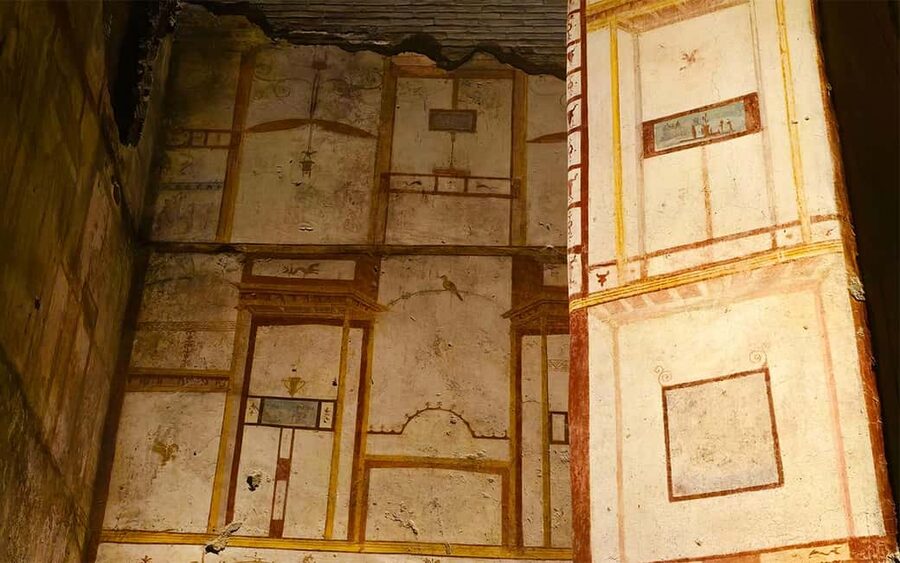
Most people arrive imagining a palace made of gold. What you actually encounter is Roman craft at close range. The east wing portion is designed to get you inside the building rhythm: vaulted spaces, high alleys, and decorative zones that feel like you’re walking through an art gallery with a ceiling.
The tour highlights restored frescoes and how they look when the light and architecture are working together. In this part of the visit, you’ll hear about how the original environment likely used a gentle mix of porticoes, fountains, and gardens to create light and atmosphere. It’s not just for aesthetics. For the Romans, water and shade also helped define movement through a complex.
One practical note: the walk involves enough time on your feet that comfortable shoes really matter. You’re studying walls and ceilings while also keeping up with the group. In summer, the indoor air can feel cooler than outside—something many people appreciate on hot Rome days.
As you go, your guide points out why this matters to Roman history beyond Nero’s name. It’s a window into taste, technology, and empire. Nero’s palace wasn’t random. It was built out of the power of his position and the resources of a vast Roman world.
The newly reopened west wing and the octagonal room moment
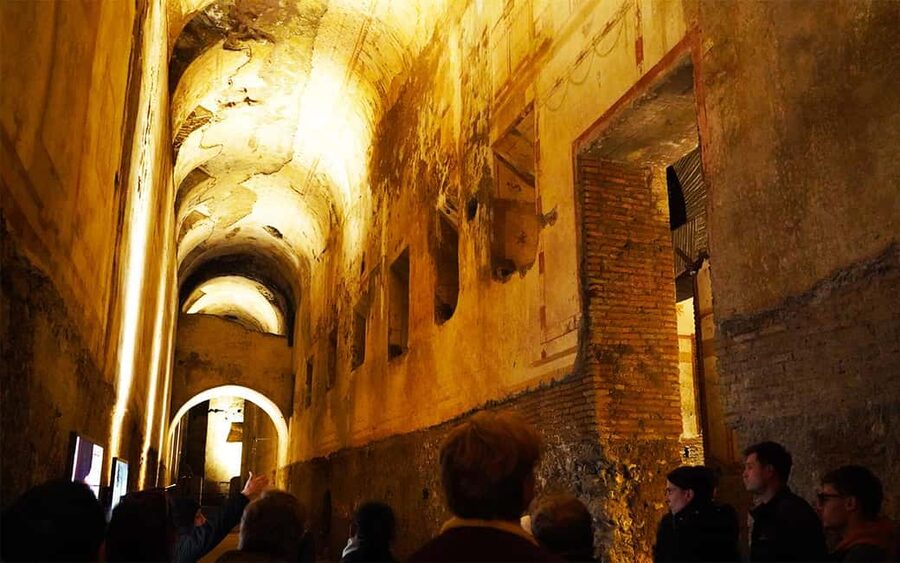
The tour’s second architectural chunk is the newly reopened west wing. This is a big reason the experience feels current rather than just a “standard ruins walk.” You get access to additional spaces, so you’re not only repeating what people have seen in older tours.
Here, the theme shifts slightly toward technique. You’ll move through a sequence of halls and hallways where vaulted forms and fresco restoration help you understand the scale. The tour route is described as reaching up to the octagonal room, with a possibility of a rotating ceiling. Even if you treat that as a maybe, the point is clear: this complex was built for spectacle and controlled perception.
Think of it as architecture that choreographs your attention. You see decoration, then geometry, then another view line. The west wing helps reinforce the idea that Nero’s Domus wasn’t an abandoned mansion dream—it was a designed world.
Nero’s timeline: fire, rescue politics, the lake, and the fast reversal
The story portion of the tour isn’t trivia. It’s how you connect the building to the empire that made it.
After the fire of 64 AD, Nero is described as taking action: opening gardens to shelter the homeless, distributing essential goods, lowering the price of grain, and adding urban planning rules to reduce the risk of a similar disaster. You’ll also hear what those rules aimed to do—like creating a minimum distance between buildings and using stone and bricks instead of wood.
At the same time, the narrative is balanced. Nero was accused of delays in rescue efforts and of not funding reconstruction enough. That tension matters because it helps you understand why his palace expansion happened amid political collapse rather than during a calm golden age.
Then comes the Domus Aurea turning point. Nero took advantage of the destroyed areas to expand his palace on the Palatine Hill, building the Domus Aurea complex. The tour also highlights a striking centerpiece: a private oasis in the heart of the palace, including a stunning lake. It’s portrayed as a place where art and pleasure could happen without restraint.
And then the story turns sharp. Popular discontent rises, Nero’s popularity collapses, and he takes his own life in June 68 AD. The next emperor, Vespasian, makes a dramatic public choice: building the Colosseum on the site of Nero’s lake. It’s framed as both a political signal and a practical move toward public favor through games.
Later, Trajan buries the Nero Golden House beneath an immense bath complex. After that, the Domus Aurea falls out of sight for nearly 1,500 years. It’s rediscovered by Renaissance artists in the 1500s, and that sets up a longer European story of how Ancient Rome re-entered culture through art, sketches, and renewed interest.
As you listen, you start to see the tour’s purpose: it links the building you’re walking through to real decisions, real blame, and real power shifts.
The 3D VR reconstruction: the peak moment and how to make it count
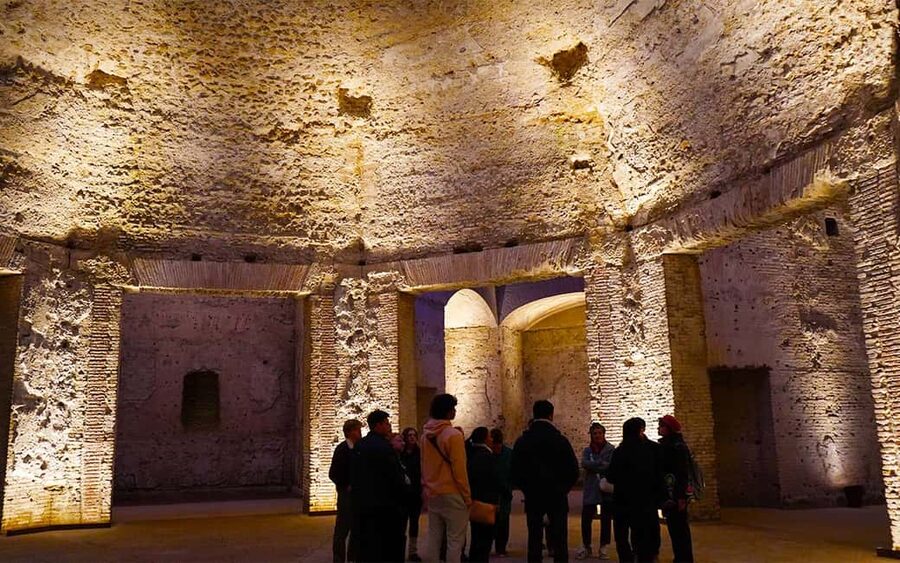
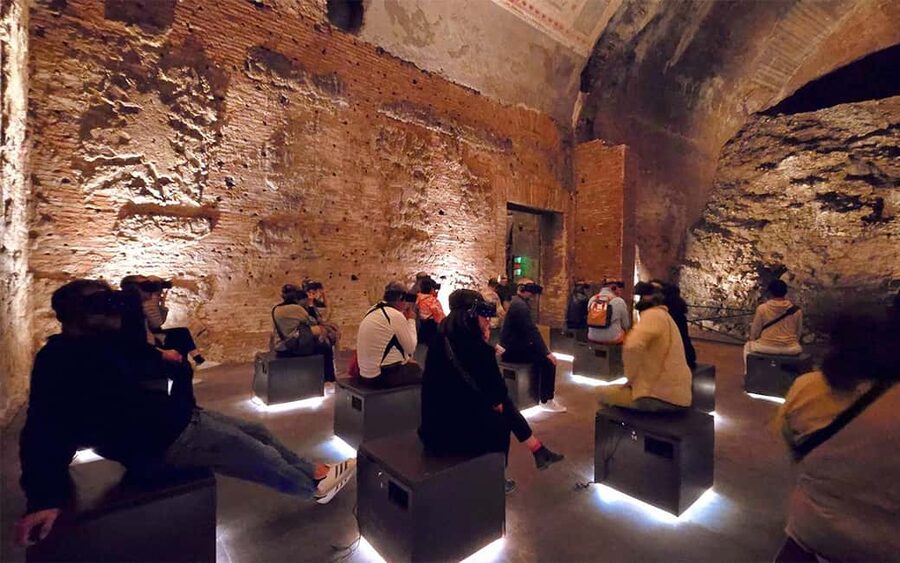
This is the headliner. The tour’s peak is a 3D virtual reality reconstruction of the halls and an outside lavish portico of the Palace—described as not yet completed when Nero died.
The VR segment happens during a seated part of the tour. That sounds simple, but it changes how you should approach it. While you’re seated, you can look around carefully, and you’ll get more out of it if you treat it like a slow “scan” rather than a quick glance. One tip that stands out: use the full range of your head movement during VR. The difference between seeing a scene and understanding a layout is often just looking in every direction once.
What the VR adds is the missing layer: the building as a functioning environment. Frescoed halls make more sense when you can visualize how space felt—height, alignment, and how movement likely worked. And the outside portico reconstruction matters because it connects interior decoration to the larger palace setting.
If you’ve visited other Roman sites where time kept the structure but lost the complete experience, VR here acts like a translator. It doesn’t replace the archaeology. It helps your brain connect the dots between fragments and a coherent idea of what Nero built.
What the guides do well (and what to watch for)
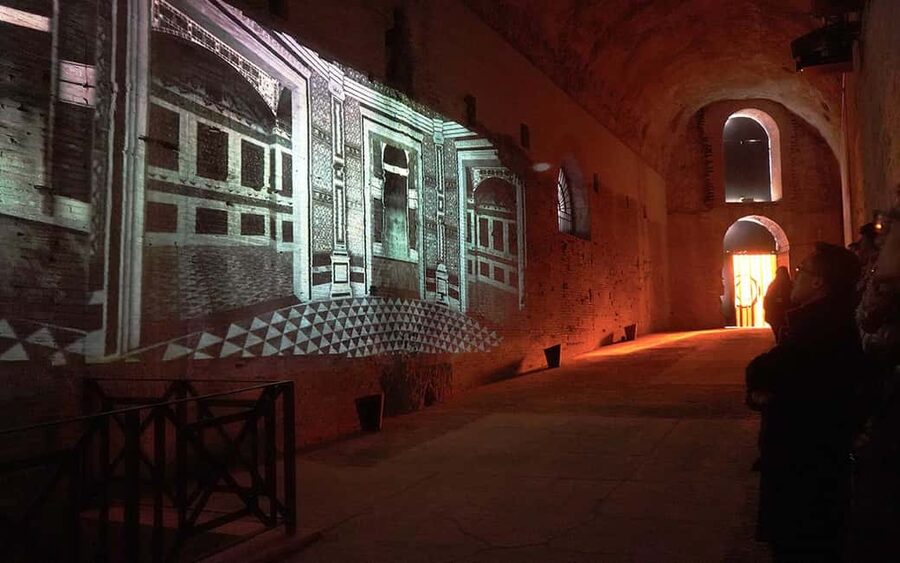
A strong guide is the difference between seeing walls and understanding a palace. Based on the patterns from the experience, the best sessions focus on two things: making Nero’s motives clear and explaining the fresco imagery in a way that doesn’t assume you already know the characters and symbols.
You’ll also see a lot of name-level praise for specific guides—Linda, Rosario, Yev, Alexei, and Laura—so if you’re choosing between departures and you have options, keep an eye on who will be leading your session. Even without a name match, the format suggests the outside introduction is meant to prime you for what you’ll read inside.
Potential friction points are more logistical than historical. Some people find the meeting location confusing, and one practical workaround is to watch for the Open Mind Tours sign outside rather than relying only on an address or exact corner. If you arrive early, don’t wander off looking for the perfect doorway. Wait with your group so you don’t end up chasing the correct entrance.
Also, inside the Domus environment, sound and spacing matter. Groups that are large for the space can make it harder to catch every word if you’re positioned farther away. Your best move is to keep yourself within easy hearing distance when the guide talks.
Value for your time in Rome: why this beats a basic ruins visit
Rome has a lot of “big” archaeology. The Domus Aurea experience is special because it’s active, large, and fragile—and it’s presented with a clear interpretive goal.
Here’s the practical value: you get skip-the-line handling through a separate entrance, and the tour format uses both physical exploration and VR reconstruction. If you only did a standard walk without VR, you’d miss the “what it looked like in use” layer. If you only did VR without the guided archaeology walk, you’d miss the context that makes the reconstruction feel grounded rather than fictional.
The guide-led myth correction also adds value. Nero’s reputation is sticky, thanks to centuries of storytelling. Getting the fire of 64 AD placed in its real context helps your whole Rome reading feel sharper when you move on to other sites.
And if you’re visiting in hot months, the indoor focus helps. People often describe it as cooler than the street heat, and because the experience is tightly timed, it can feel less crowded than many top Roman icons.
Who should book this Domus Aurea + VR tour
This tour is a great fit if you like:
- Roman art and architecture more than postcard views
- Nero as a character in Roman power politics (not just as a movie villain)
- A structured visit with a guide plus a visual aid
It’s also a good choice if you want something different from the usual Rome loop of Forum, Colosseum, and Vatican highlights. Domus Aurea gives you a softer, more experimental side of imperial Rome—literally built into the ceiling forms and fresco program.
Skip it if:
- You use a wheelchair or have mobility impairments
- You need a fully accessible environment (this one isn’t suitable per the tour rules)
- You prefer purely self-guided, quiet visits (the guided format and group pacing are part of the deal)
Should you book? My take on the decision
If you want Domus Aurea as more than ruins—if you want the story, the art, and the palace feel—this tour is an easy yes. The 3D VR peak is timed and integrated, so it doesn’t feel like a gimmick. It helps you understand why these halls mattered and what Nero tried to create.
I’d only hesitate if you dislike guided group pacing or you know your mobility needs won’t work with an archaeological walking route. Otherwise, this is one of the smarter ways to experience Rome’s most famous “what could it have looked like” palace.
FAQ
How long is the Rome Domus Aurea tour with VR?
The total duration is 2 hours, with 105 minutes allocated to the guided tour inside.
Where do I meet the guide, and is my voucher the ticket?
Meet outside the Domus Aurea with an Open Mind Tours sign. Your GetYourGuide voucher is not the entry ticket; your guide has the tickets.
Is there skip-the-line access?
Yes. The tour includes skip-the-line entry through a separate entrance.
Is the tour guide available in English?
Yes. The live tour guide language is English.
When do I experience the 3D virtual reality reconstruction?
The 3D VR reconstruction happens during the tour and is described as the peak of the visit, during a seated part. It recreates Nero’s halls and an outside lavish portico.
What should I wear or bring?
Wear comfortable shoes and bring a jacket. The site is outdoors and indoors, so it’s a practical choice.
Is the tour suitable for wheelchair users or mobility impairments?
No. It is not suitable for people with mobility impairments or wheelchair users.
More Tours in Rome
- Vatican Museums, Sistine Chapel & St. Peter’s Basilica Tour
★ 4.3 · 73,970 reviews - Vatican Museums, Sistine Chapel & St Peter’s Basilica Guided Tour
★ 4.5 · 39,149 reviews - Rome: Colosseum, Palatine Hill and Roman Forum Guided Tour
★ 4.8 · 32,814 reviews - Rome: Guided Tour of Colosseum, Roman Forum & Palatine Hill
★ 4.7 · 27,897 reviews - Rome: Colosseum, Roman Forum and Palatine Hill Guided Tour
★ 4.5 · 23,903 reviews - Rome: Colosseum Arena Floor, Palatine & Forum Guided Tour
★ 4.5 · 20,180 reviews
More Tour Reviews in Rome
- Vatican Museums, Sistine Chapel & St. Peter’s Basilica Tour
★ 4.3 · 73,970 reviews - Vatican Museums, Sistine Chapel & St Peter’s Basilica Guided Tour
★ 4.5 · 39,149 reviews - Rome: Colosseum, Palatine Hill and Roman Forum Guided Tour
★ 4.8 · 32,814 reviews - Rome: Guided Tour of Colosseum, Roman Forum & Palatine Hill
★ 4.7 · 27,897 reviews - Rome: Colosseum & Forum with Audio Guide App -Optional Arena
★ 4.2 · 24,770 reviews - Rome: Colosseum, Roman Forum and Palatine Hill Guided Tour
★ 4.5 · 23,903 reviews
Just added to our Rome reviews





Tours, compared.
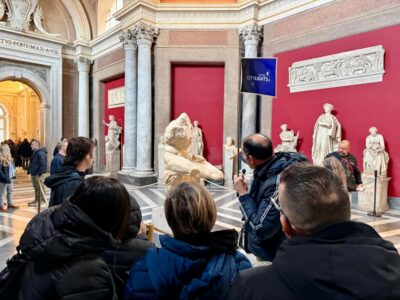 ★ 4.3Vatican Museums, Sistine Chapel & St. Peter’s Basilica TourFrom $7273,970 reviews
 ★ 4.5Vatican Museums, Sistine Chapel & St Peter’s Basilica Guided TourFrom $2239,149 reviews
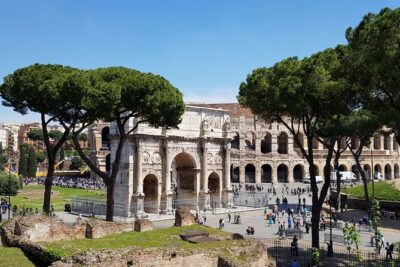 ★ 4.8Colosseum, Palatine Hill and Roman Forum Guided TourFrom $5232,814 reviews
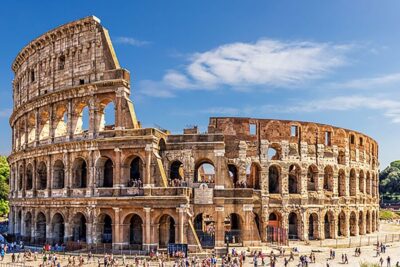 ★ 4.7Guided Tour of Colosseum, Roman Forum & Palatine HillFrom $5527,897 reviews
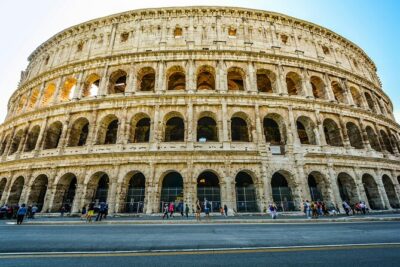 ★ 4.5Colosseum, Roman Forum and Palatine Hill Guided TourFrom $5923,903 reviews
 ★ 4.5Colosseum Arena Floor, Palatine & Forum Guided TourFrom $4120,180 reviews
 ★ 4.3Vatican Museums, Sistine Chapel and Basilica TourFrom $7316,039 reviews
 ★ 4.7Colosseum Arena, Palatine Hill & Forum Guided TourFrom $8414,510 reviews