
Reviewed · DINNER EXPERIENCES
Rome: Dining Experience at a Local’s Home
Dinner starts with a doorbell, not a restaurant sign. In Rome’s Lazio, a Cesarina host welcomes a small group for a 3-course lunch or dinner, paired with wine and a live cooking session in their own home. It’s the kind of meal that feels personal from the first minute, not like another ticket you scan and forget.
I like the family cookbooks angle here, because the dishes are tied to what real “Mammas” have cooked for generations. I’m also drawn to the hands-on feel: in homes hosted by people like Marco and Valeria, the pasta moment can turn interactive, from helping with the main course to learning how desserts are built.
One thing to consider is logistics: the exact address is only shared after you book, and you’re meeting at a private home. That makes timing (and finding the place) your responsibility, and dietary needs should be confirmed directly with the organizer before you go.
In This Review
- Key Things I’d Put on Your Radar
- The Big Idea: Eating Like a Roman Family Dinner
- Where You Meet: A Private Home in Rome (Not a Street-Corner Restaurant)
- What You’ll Eat: Starter, Pasta, Dessert (With Regional Wine)
- The wine part
- How the Cooking Demo Actually Works (And Why It Feels Different)
- Language and comfort
- Course-by-Course: What the Evening Feels Like
- Starter: Antipasto energy
- Pasta course: the hands-on moment
- Dessert: sweet, taught, and shared
- Why Cesarine Is a Smart Choice (and Not Just Another Food Tour)
- Value and Price: Why $100 Can Still Make Sense
- Who This Works Best For (And Who Might Prefer Something Else)
- Practical Tips Before You Go
- Should You Book This Cesarine Home Dinner in Rome?
- FAQ
- How long is the Rome home dining experience?
- Is it lunch or dinner?
- What’s included in the price?
- How many people are in the group?
- What drinks are served during the meal?
- What languages will the host use?
- Where do we meet?
- Can dietary requirements be accommodated?
- Is free cancellation available?
- Is there a pay-later option?
Key Things I’d Put on Your Radar
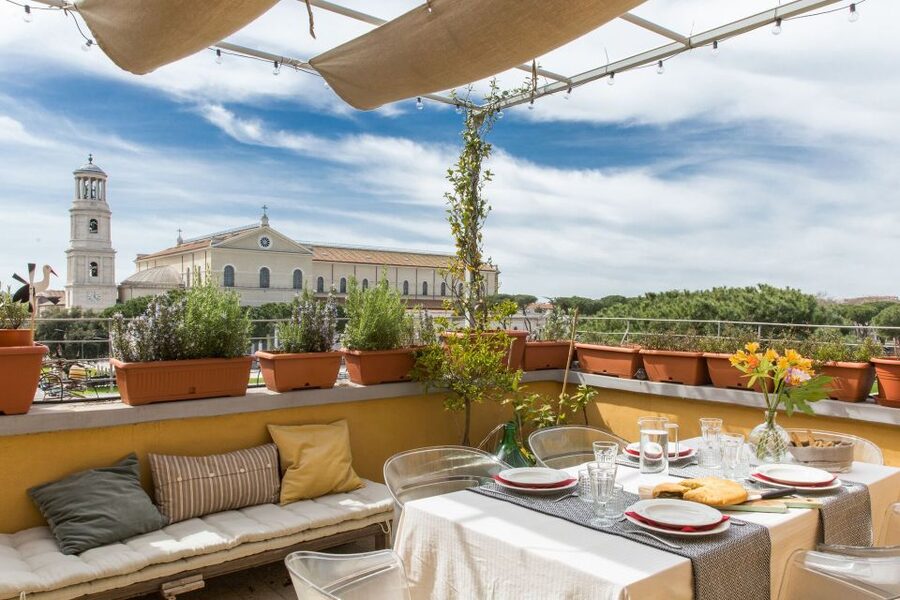
- Cesarine hosts in 500+ cities: the network is built around home cooks, not commercial kitchens
- 3-course menu: starter, pasta, dessert, plus water, wine, and coffee
- A real show-cooking moment: you’ll watch the process, and often help along the way
- Small group of up to 8: enough conversation without feeling crowded
- Recipes from family cookbooks: you’re learning food with a personal story behind it
- Meeting at a host’s home: cozy, local, and very different from dining out
The Big Idea: Eating Like a Roman Family Dinner
This isn’t a formal culinary class where you take notes and leave. It’s closer to what happens when you’re invited into a home and the kitchen becomes the center of the evening. You eat what your host has chosen from family recipes, and you see how it’s actually made, with real equipment and real timing.
The best part is the tone. Even when the evening has a structure (a starter, pasta, dessert), it still feels warm and conversational. People in these Cesarine homes often talk about the meaning of cooking together, not just the final dish. In one meal, host Gianluca and Giorgia welcomed their guests with their daughters Benedetta and Beatrice, and the family vibe was clearly the point, not a side benefit.
Worth a look next to this Rome booking:
- Rome: Gourmet Food Tour with Dinner & Barolo Wine
★ 4.9 · 2,347 reviews - Pasta Making & Wine Tasting with Dinner in Frascati from Rome
★ 5.0 · 1,326 reviews - Rome Food Tour: Hidden Gems of Trastevere with Dinner & Wine
★ 5.0 · 1,166 reviews - Rome: Pasta Making with Wine Tasting and Dinner in Frascati
★ 4.9 · 979 reviews
Where You Meet: A Private Home in Rome (Not a Street-Corner Restaurant)
You’ll meet at the host’s home. The address is shared after you book, and you’ll ring the doorbell on arrival. That sounds simple, but it changes how you should plan.
A restaurant is easy: you find the sign, you step in. Here, you’re navigating a residential setting. Give yourself buffer time, especially if you’re arriving by public transport or you’re coordinating with another stop in Rome. Also remember the timing: dining typically begins around 12:00PM or 7:00PM, though start times can be flexible if you request them in advance.
This setup also explains the “why” behind the price. You’re not paying for a dining room. You’re paying for someone’s actual home and the time it takes to cook, host, and teach.
What You’ll Eat: Starter, Pasta, Dessert (With Regional Wine)
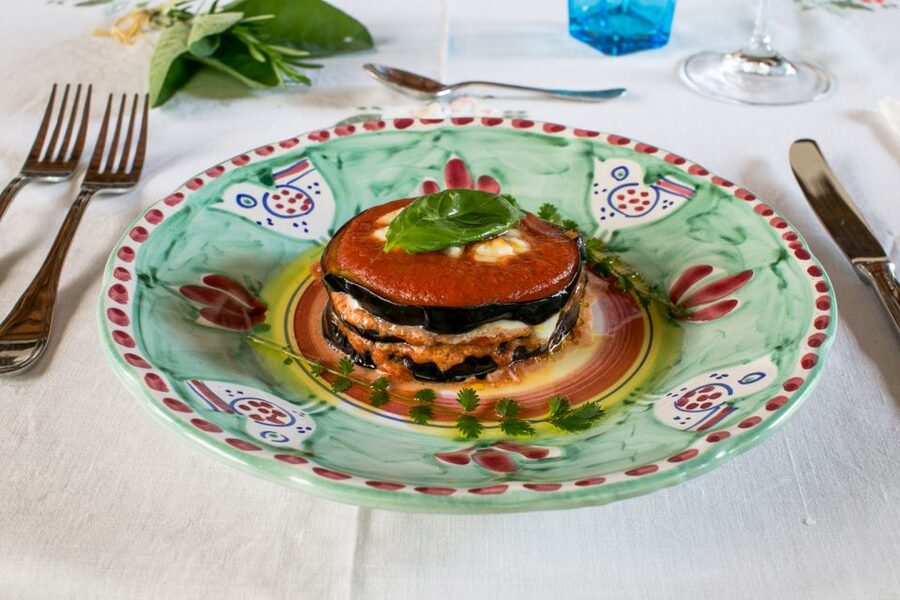
Your meal is structured into three courses:
- a starter
- a pasta dish
- a dessert
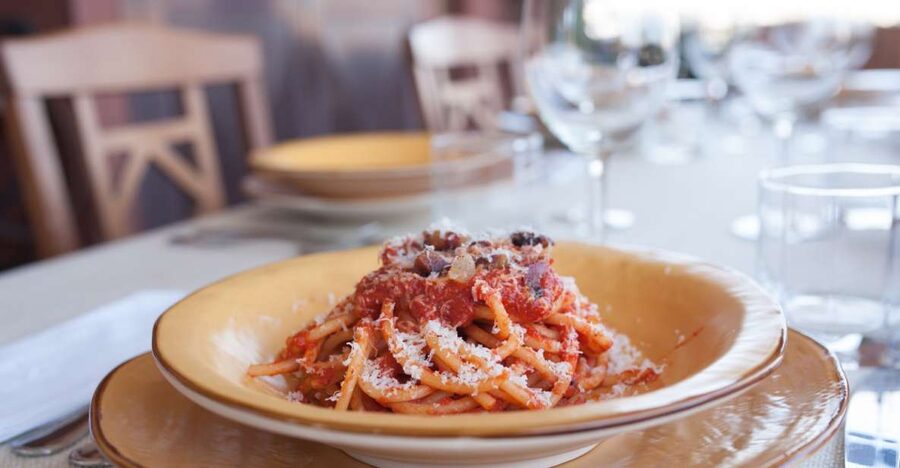
Drinks are included: water, a selection of red and white wines from regional cellars, and coffee. That matters more than it sounds, because it turns the meal into a complete evening rather than a quick bite.
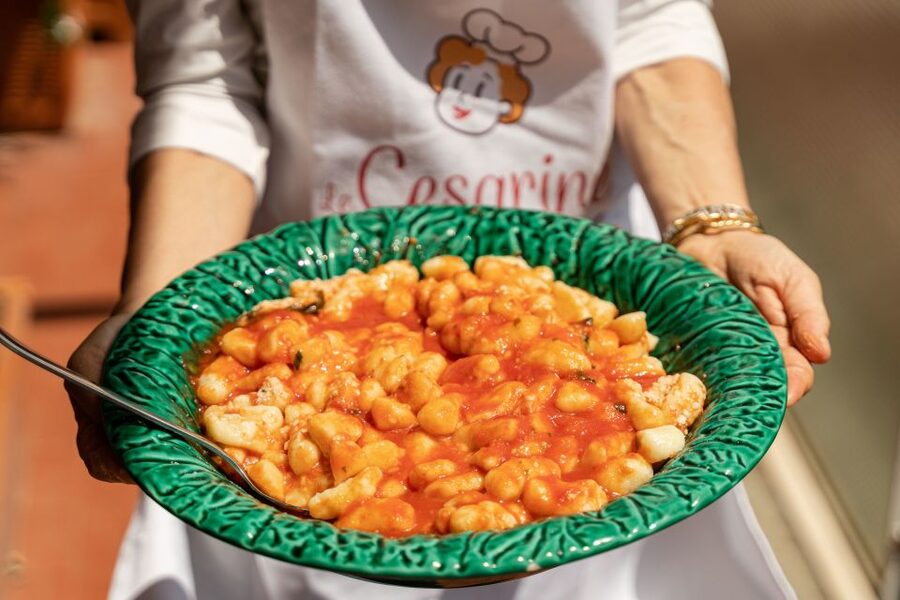
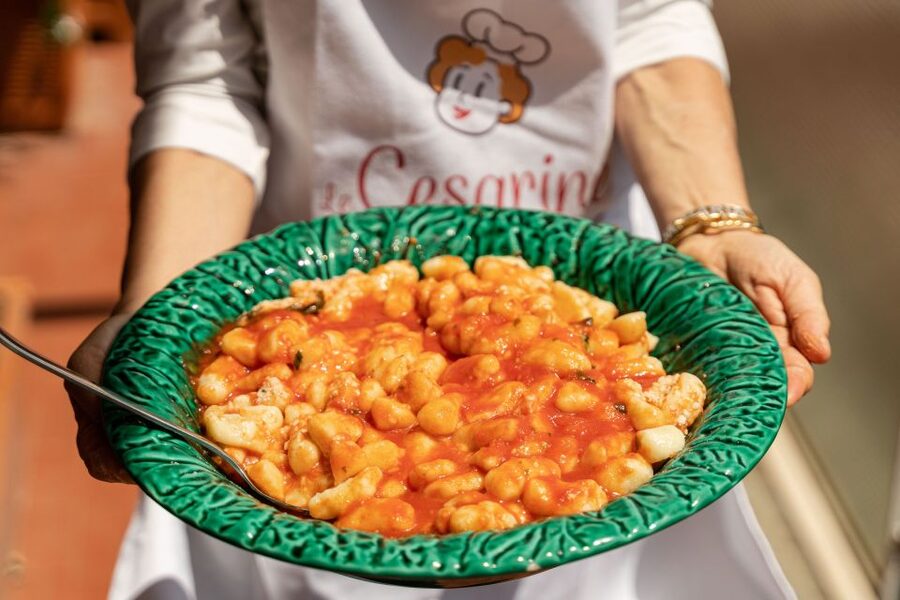
From what I’ve seen in host stories shared in these experiences, pasta can be the highlight. In multiple homes, guests have helped make pasta by hand and learned the steps in real time. People have specifically mentioned things like making gnocchi from scratch and then pairing it with a homemade sauce. Dessert is often taught as well, and tiramisu comes up often, including the classic way it’s assembled.
The wine part
The wine inclusion is a practical win. You’re getting regional reds and whites without needing to make a separate order. It also gives you a safer rhythm for the night: you’re not stuck deciding between “water only” or “one more glass.”
Worth a look next to this Rome booking:
How the Cooking Demo Actually Works (And Why It Feels Different)
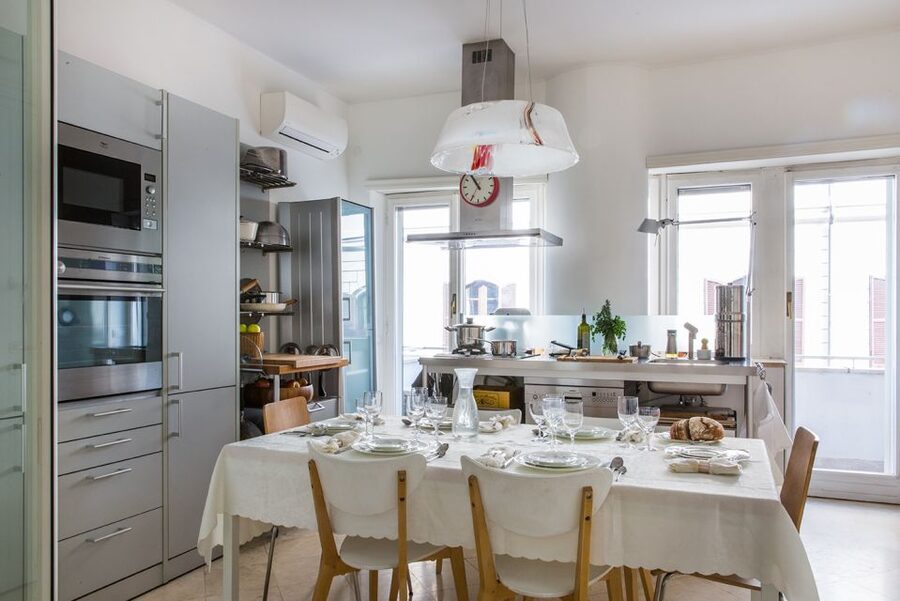
You’ll get an exclusive cooking demonstration. The instructor experience is in English and Italian, and the group is limited to 8 participants, so questions and conversation don’t get lost.
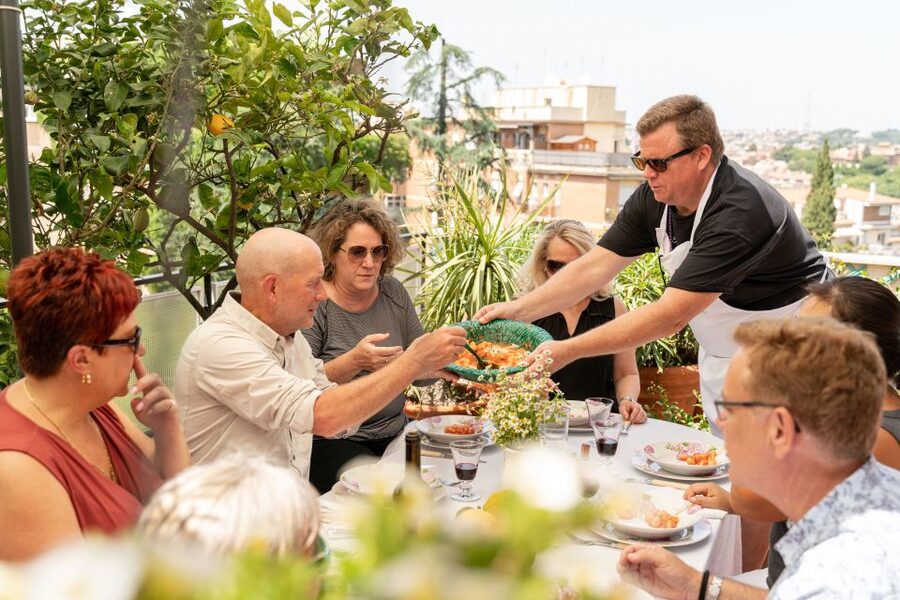
What makes the demo feel real is that it happens in a home kitchen. You’re not watching perfection from behind glass. You’re watching a person cook the way they normally do, and many hosts guide guests into helping with parts of the process.
In host-led stories from these dinners, guests have been invited to slice ingredients, assist with the main meal, and even get their hands into dessert prep. One couple celebrated a 40th anniversary and described making pasta and tiramisu together, then sitting down at the table with wine to eat everything family-style.
Language and comfort
Because the host languages are English and Italian, you should be fine if you speak at least a bit of Italian or prefer your questions answered clearly in English. In one Roman home, there was extra help with translating, which shows that many hosts work to make sure everyone follows the steps.
Course-by-Course: What the Evening Feels Like
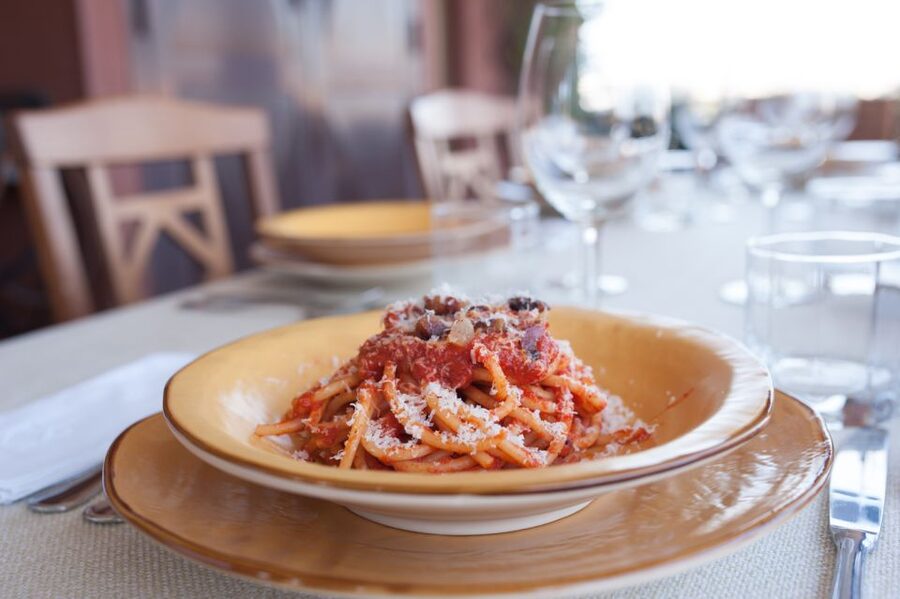
Even though every home’s menu can vary, the flow is consistent, and it’s a good one.
Starter: Antipasto energy
You usually start with something that sets the tone: a starter that’s meant to kick things off casually, but still thoughtfully. Expect it to be home-style Italian, not just a random assortment meant to fill time.
This is also when the conversation begins. You’ll likely talk about ingredients and regional habits while you sip included wine and settle in.
Pasta course: the hands-on moment
This is often where the experience turns from watching to participating. Many hosts build the pasta portion as a lesson, showing technique and then inviting you to help. If you’ve ever wondered how gnocchi or other fresh pasta components actually come together, this is the kind of moment where you can see it step by step.
And yes, the pasta dish is also one you’ll eat right away, which is a big difference from cooking classes where the best part is tasting something similar but not quite the same.
Dessert: sweet, taught, and shared
Dessert is the wrap-up. If tiramisu appears, it’s usually a guided assembly or at least a clear explanation of how the layers are built. If you’ve only eaten tiramisu in restaurants, this part is often a reality check—in a good way—because the process is simpler than you might expect once you see it done in a home kitchen.
Coffee comes with the meal too, so you end the dinner without needing to hunt down an espresso bar.
Why Cesarine Is a Smart Choice (and Not Just Another Food Tour)
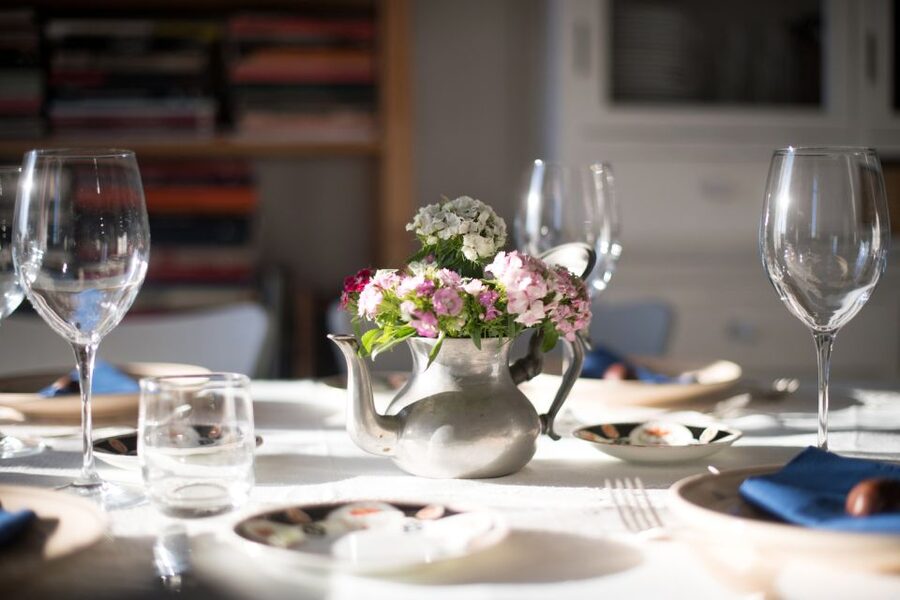
Cesarine is described as Italy’s oldest network of home cooks, available in 500 cities. The point of the network is consistency in spirit: hosts open their own homes and cook from recipes that reflect their region and their family’s tradition.
The word Cesarine is explained as meaning home cook, which is more than branding. It’s a promise about format: you’re not touring a restaurant kitchen. You’re being invited into someone’s real routines, and you’re learning how that family thinks about cooking.
For value, this matters. A $100 price tag can sound steep if you think you’re only buying a meal. But you’re also buying:
- a kitchen-based teaching moment
- the time of a host who is running the evening from start to finish
- included drinks (water, regional wine, coffee)
- a small group setting that keeps it personal
Value and Price: Why $100 Can Still Make Sense
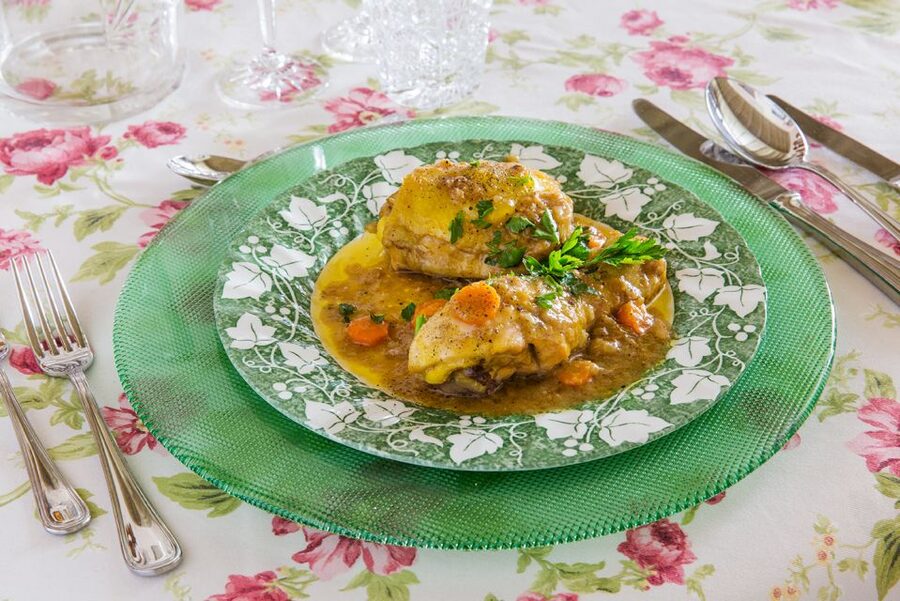
At $100 per person for 2.5 hours, this isn’t a budget dinner. It’s priced more like a curated experience than a standard restaurant meal. One review even suggested it costs more than a typical restaurant 3-course dinner, and that lines up with how the experience is built.
Here’s how I’d judge value before booking:
- If you want food plus teaching plus hosting, it can feel like a good deal.
- If you only want a fast meal with minimal conversation, you’ll probably compare it to restaurant pricing and feel it’s too much.
Where it wins is the “you’re in the room” factor. The cooking demo isn’t an extra afterthought. It’s central, and the included drinks make it easier to relax while you learn.
Who This Works Best For (And Who Might Prefer Something Else)
This experience is a strong fit if:
- you like home-cooked food over restaurant sets
- you want to ask questions while someone cooks
- you enjoy small group settings (up to 8 people)
- you’re traveling with a partner, or planning a special occasion
- you want regional Roman flavor, not just generic Italian dishes
It might be less ideal if:
- you hate meeting people at private residences
- you’re short on time and don’t want to manage directions to a residential address
- you need very specific dietary accommodations and can’t confirm them with the organizer ahead of time
Practical Tips Before You Go
This is the part that keeps the evening smooth.
- Plan to arrive on time. You’re ringing a doorbell and being welcomed in as a group.
- Check your dietary needs early. The experience can cater to different dietary requirements, but it needs confirmation through the organizer.
- Bring an open mind for conversation. These meals are built around talking as much as eating.
- If you’re booking for a busy travel day in Rome, pick your time slot carefully. Lunch or dinner usually starts around 12:00PM or 7:00PM, with flexibility possible.
Should You Book This Cesarine Home Dinner in Rome?
If you want a Rome dinner that feels like a story, not a transaction, I’d book it. This is one of those experiences that gives you both food and context: where recipes come from, how they’re made, and what hospitality looks like in a Roman home.
Book it especially if you’ll enjoy a small group, like hands-on moments, and want included wine and coffee without extra planning. If you’re the type who needs a predictable restaurant-style setup, or you dislike residential meeting points, you may want to stick with a traditional meal instead.
FAQ
How long is the Rome home dining experience?
The experience lasts 2.5 hours.
Is it lunch or dinner?
It typically starts at 12:00PM or 7:00PM, and tour times are flexible with advance requests.
What’s included in the price?
You get a 3-course lunch or dinner, drinks (water, wine, and coffee), and a cooking demo.
How many people are in the group?
It’s a small group limited to 8 participants.
What drinks are served during the meal?
Included drinks are water, a selection of red and white wines from regional cellars, and coffee.
What languages will the host use?
The instructor/host speaks English and Italian.
Where do we meet?
You meet at the host home. After you book, the exact address is shared, and you ring the doorbell when you arrive.
Can dietary requirements be accommodated?
The experience can cater to different dietary requirements, but you must confirm details directly with the service organizer after booking.
Is free cancellation available?
Yes. You can cancel up to 24 hours in advance for a full refund.
Is there a pay-later option?
Yes. You can reserve now and pay later, meaning you pay nothing today.
More Dinner Experiences in Rome
- Rome: Gourmet Food Tour with Dinner & Barolo Wine
★ 4.9 · 2,347 reviews - Pasta Making & Wine Tasting with Dinner in Frascati from Rome
★ 5.0 · 1,326 reviews - Rome Food Tour: Hidden Gems of Trastevere with Dinner & Wine
★ 5.0 · 1,166 reviews - Rome: Pasta Making with Wine Tasting and Dinner in Frascati
★ 4.9 · 979 reviews - Rome All in One: Trastevere Food Tour, Dinner & Drinks
★ 4.9 · 838 reviews - Night Tour of Rome with Local Pizza Dinner and Gelato Experience
★ 4.5 · 780 reviews
More Dining Experiences in Rome
- Rome: Gourmet Food Tour with Dinner & Barolo Wine
★ 4.9 · 2,347 reviews - Pasta Making & Wine Tasting with Dinner in Frascati from Rome
★ 5.0 · 1,326 reviews - Rome Food Tour: Hidden Gems of Trastevere with Dinner & Wine
★ 5.0 · 1,166 reviews - Rome: Pasta Making with Wine Tasting and Dinner in Frascati
★ 4.9 · 979 reviews - Rome All in One: Trastevere Food Tour, Dinner & Drinks
★ 4.9 · 838 reviews - Night Tour of Rome with Local Pizza Dinner and Gelato Experience
★ 4.5 · 780 reviews
More Tour Reviews in Rome
- Vatican Museums, Sistine Chapel & St. Peter’s Basilica Tour
★ 4.3 · 73,970 reviews - Vatican Museums, Sistine Chapel & St Peter’s Basilica Guided Tour
★ 4.5 · 39,149 reviews - Rome: Colosseum, Palatine Hill and Roman Forum Guided Tour
★ 4.8 · 32,814 reviews - Rome: Guided Tour of Colosseum, Roman Forum & Palatine Hill
★ 4.7 · 27,897 reviews - Rome: Colosseum & Forum with Audio Guide App -Optional Arena
★ 4.2 · 24,770 reviews - Rome: Colosseum, Roman Forum and Palatine Hill Guided Tour
★ 4.5 · 23,903 reviews
Just added to our Rome reviews





Dinner Experiences, compared.
 ★ 4.9Gourmet Food Tour with Dinner & Barolo WineFrom $772,347 reviews
 ★ 5.0Pasta Making & Wine Tasting with Dinner in Frascati from RomeFrom $451,326 reviews
 ★ 5.0Rome Food Tour: Hidden Gems of Trastevere with Dinner & WineFrom $521,166 reviews
 ★ 4.9Pasta Making with Wine Tasting and Dinner in FrascatiFrom $35979 reviews
 ★ 4.9Rome All in One: Trastevere Food Tour, Dinner & DrinksFrom $93838 reviews
 ★ 4.5Night Tour of Rome with Local Pizza Dinner and Gelato ExperienceFrom $237780 reviews
 ★ 4.1Italian Opera Concert and Traditional DinnerFrom $94453 reviews
 ★ 5.0Rome Pantheon: Fine Food & Wine Pairing Dinner with SommelierFrom $145283 reviews
Browse the lists this tour appears in