
Reviewed · COLOSSEUM & ANCIENT ROME TOURS
Rome: Colosseum, Roman Forum, and Palatine Hill
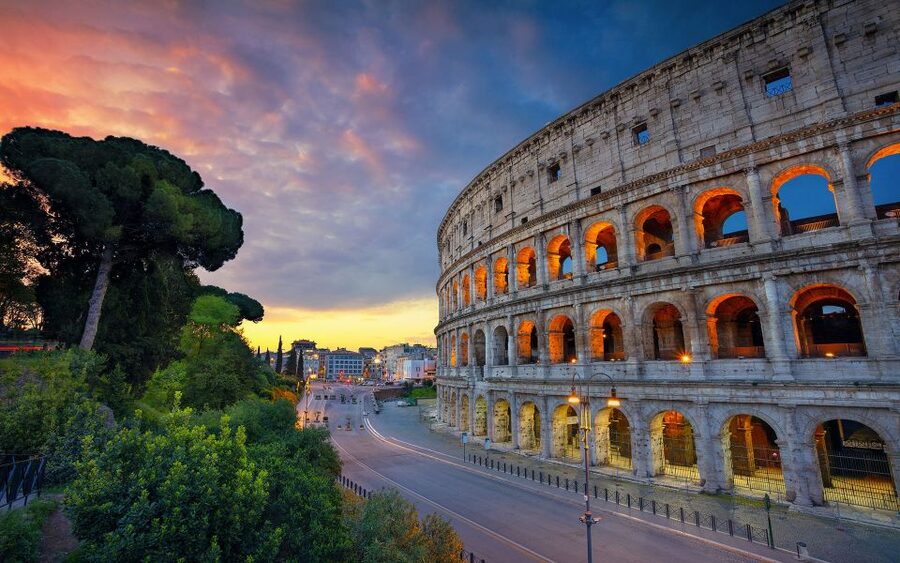
That first look at the Colosseum hits hard. In just 2.5 hours, you get a historian-led route that turns ruins into stories, with expert guidance as you move from arena to viewpoints to Rome’s civic heart.
I especially love two things: the way guides like Sandro (and also Tania, Sara, Sarah, and Alessandra) make the site feel alive, with vivid explanations and plenty of humor, and the fact that the tour includes real entry across multiple major areas—not just photos from the sidewalk.
One possible drawback to plan for: Rome’s heat and crowds can feel intense, and food and drinks aren’t included, so you’ll want to come ready for a warmer-than-you-expect walk.
In This Review
- Key highlights to look forward to
- What this tour is good at: turning monuments into a clear route
- Entering the Colosseum: more than a bucket-list photo
- Colosseum pacing: how to handle the crowd + heat
- Palatine Hill: the “wow” views and the ruler’s neighborhood
- House of Augustus and frescoes: why this stop is worth your time
- The Roman Forum: elections, speeches, and the daily machinery of Rome
- Roman Forum strategy: how to get more from tight time
- Included access and value: what you’re actually paying for at $84
- Meeting point and getting there: My City Tour office
- What to bring (and what to skip)
- Who this tour suits best
- Quick comparison: when to choose this vs. going solo
- Should you book this Colosseum, Forum, and Palatine Hill tour?
- FAQ
- How long is the Rome Colosseum, Roman Forum, and Palatine Hill tour?
- What is included in the price?
- Where do I meet the group?
- Is there a hotel pickup or drop-off?
- What language is the live guide speaking?
- What should I bring?
- What items are not allowed during the tour?
- What is the cancellation policy?
Key highlights to look forward to
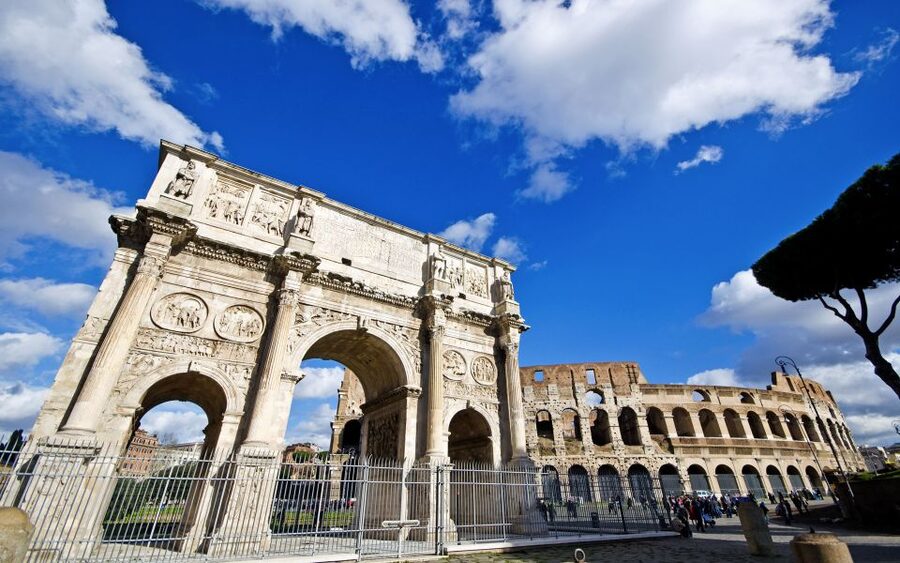
- Arena-to-Forum storytelling that links the Colosseum to elections, speeches, and public life in the Roman Forum
- Spectacular Palatine Hill viewpoints with ruins spread below you
- House of Augustus + frescoes that give context for how rulers lived (not just where they ruled)
- Specific architecture details, including where the Colosseum has crumbled from past earthquakes
- Strong guide energy, with multiple guides praised for humor, pacing, and stopping in the shade when needed
What this tour is good at: turning monuments into a clear route
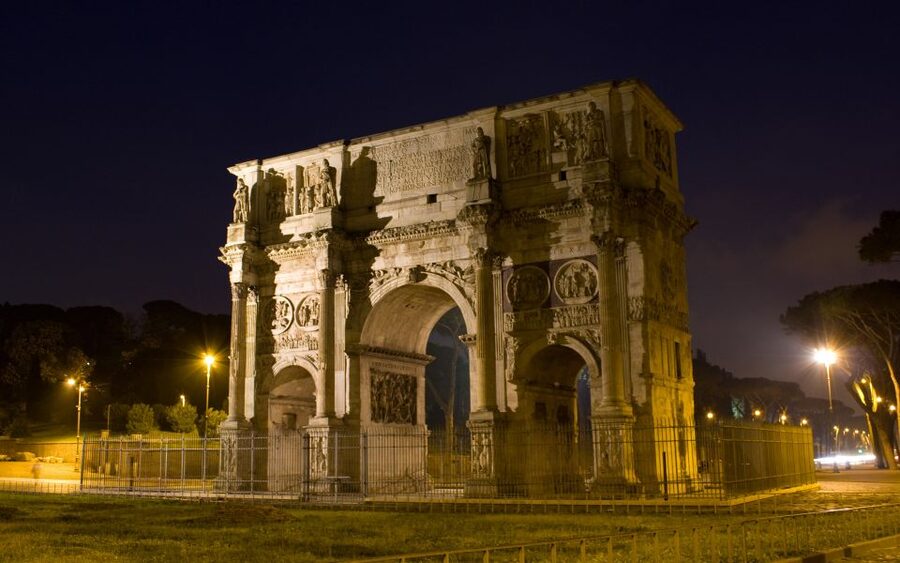
This is a group walking tour built for people who want the big three—Colosseum, Roman Forum, and Palatine Hill—without getting lost in a maze of ticket counters and confusing entry points. The duration is a brisk 2.5 hours, which sounds short until you realize the sites are packed with history and photo stops.
You’re traveling with a live English guide, and that matters here. These places are vast, and on your own you can end up staring at stone and guessing what you’re looking at. With a guide leading the way, you get a narrative thread: how the Colosseum functioned, how the Forum ran public life, and how Palatine Hill sat at the center of power.
At the same time, you should know what you’re signing up for. This is not a slow, sit-down museum tour. You’ll walk, you’ll stand, and you’ll be exposed to sun at times. If you want long breaks, this might feel a little fast.
Still on ancient Rome? A few more we rated
- Rome: Colosseum, Palatine Hill and Roman Forum Guided Tour
★ 4.8 · 32,814 reviews - Rome: Guided Tour of Colosseum, Roman Forum & Palatine Hill
★ 4.7 · 27,897 reviews - Rome: Colosseum & Forum with Audio Guide App -Optional Arena
★ 4.2 · 24,770 reviews - Rome: Colosseum, Roman Forum and Palatine Hill Guided Tour
★ 4.5 · 23,903 reviews
Entering the Colosseum: more than a bucket-list photo
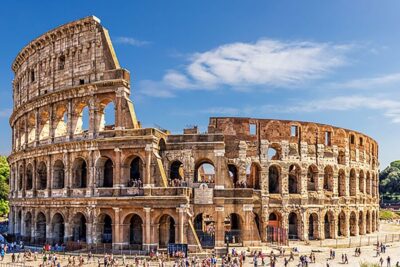
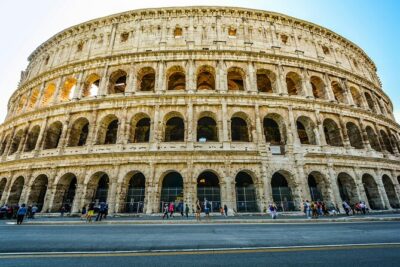
The Colosseum is impressive no matter what. But the best part of a guided visit is learning what you’re actually seeing and why it matters. Your tour starts by getting you inside with access included, then pushing you to view the building from multiple angles instead of treating it like one big photo stop.
You’ll hear the Colosseum’s story in phases, which helps you connect the dots. One theme the guides emphasize is how the arena worked for Romans under different rulers and how the site changed across centuries. That long sweep of time is what makes it feel less like a static ruin and more like a living timeline.
A few details that tend to land well in a guided walkthrough:
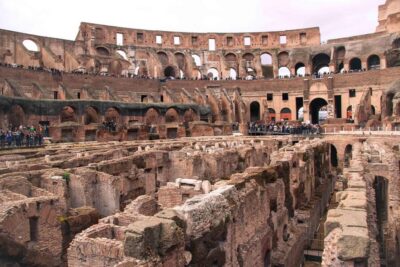
- You notice areas where the Colosseum has crumbled over time, including references to damage from past earthquakes.
- You get the sense of what the structure was designed to do—stage crowds, manage spectators, and host events at massive scale.
- You’re encouraged to walk in ways that recreate the classic viewpoint shifts visitors often miss on a self-guided route.
Guides get praised for making this feel lively. Sandro, for example, is specifically remembered for bringing people close to the arena’s past, with story energy about the spectacle of gladiators and lions. Even if your guide isn’t using the exact same wording, that kind of interactive, character-based explaining is a common strength on this tour.
Colosseum pacing: how to handle the crowd + heat
Because it’s a group tour, you’ll need to match the pace. That’s a good thing when you’re trying to cover three major sites, but it does come with tradeoffs.
Here’s what I’d plan around:
- Wear shoes you can trust for walking on uneven stone and lots of steps.
- Expect some exposure to sun. Even though guides often manage timing, you’re still in open-air ruins.
- Food and drinks aren’t included, so bring water. Don’t assume you can stop at a convenient café during the middle of the tour.
If you’re sensitive to heat, it helps to know that guides are often attentive to comfort. One standout detail from the experience is that Sara, for example, handled a hot day by stopping in the shade when possible. Still, your best strategy is practical: bring water, wear a hat, and keep a light layer for sun-shade switching.
Palatine Hill: the “wow” views and the ruler’s neighborhood
After the Colosseum, you head to Palatine Hill, where the vibe changes fast. Instead of being surrounded by stone walls, you’re elevated above the ruins. The walk up is part of the experience because the viewpoints are the payoff.
From the top of Palatine Hill, you get spectacular views—this is where you start to understand how large the ancient city really was. It’s also where the tour’s storytelling becomes more political. Palatine Hill isn’t just pretty scenery; it’s tied to the idea of residence, authority, and power.
One of the most specific stops here is the House of Augustus, plus a look at a wide collection of frescoes. Seeing wall paintings in this context helps you imagine how rulers wanted their messages to be read—not only through speeches or laws, but through daily visual life.
Even if you don’t consider yourself a Roman history person, this is a smart transition. The Colosseum is public spectacle. The Forum is civic action. Palatine is private power. When you link those three, Rome starts to feel less like separate attractions and more like one system.
House of Augustus and frescoes: why this stop is worth your time
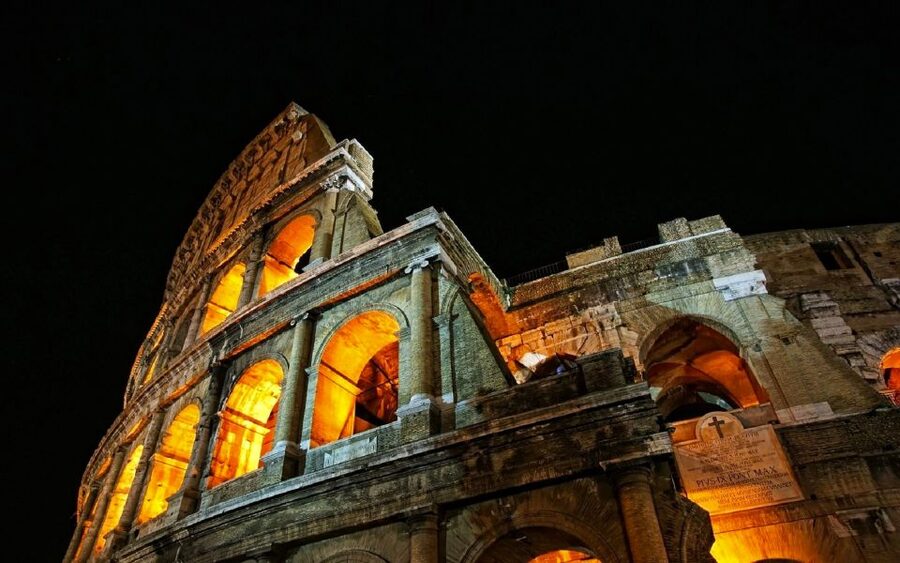
The House of Augustus isn’t just a name on a map. It’s the kind of place that gives your brain a new hook: art, decoration, and imagery tied to leadership.
The frescoes give you a direct glimpse into how the elite communicated, styled ideas, and presented authority. That’s why this stop adds value even for visitors who usually skip the “smaller” rooms on a tour. You’re not just moving through corridors—you’re building context for how power looked and felt.
If you’re the type who likes details (or you’re traveling with someone who does), this is where the guide’s explanations can make a real difference. The tour is designed to help you notice things you’d likely miss without narration.
The Roman Forum: elections, speeches, and the daily machinery of Rome
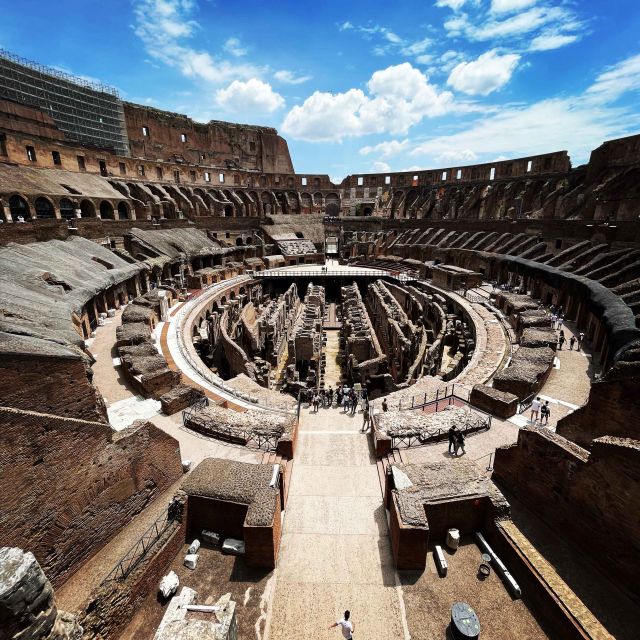
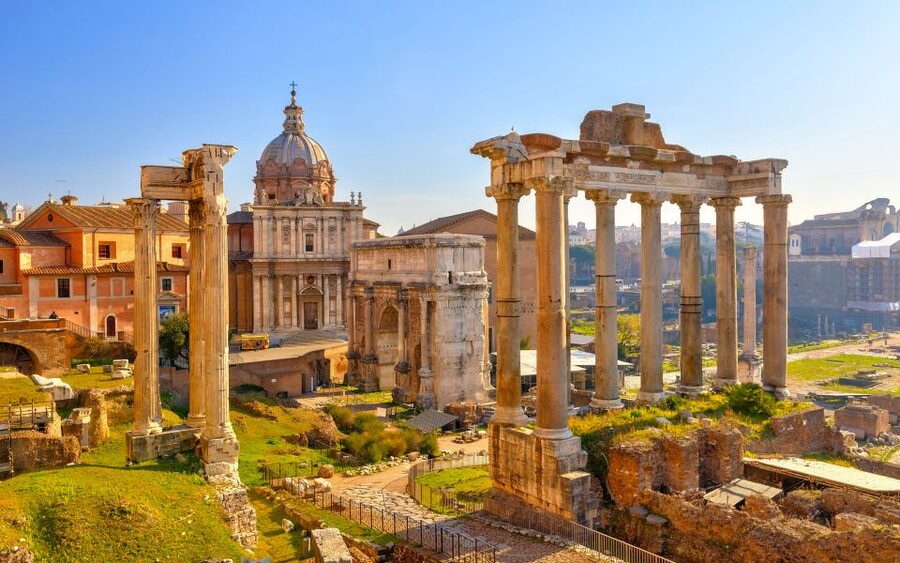
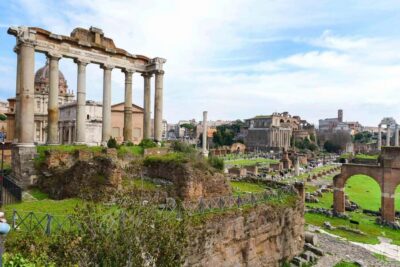
Then comes the Roman Forum, and it’s one of the most satisfying transitions of the whole tour. The Colosseum is where big events happened. Palatine Hill is where influence gathered. The Forum is where public life ran.
You’ll explore areas that were once the stage for triumphal processions and elections, plus a space used for public speeches. That combination helps you feel how politics wasn’t a behind-closed-doors activity. It was public, loud, and spatial—built into the layout of the city.
As you walk, your guide helps you connect the Forum to what visitors often imagine as Roman governance: debate, visibility, ceremony, and power displays. It’s not only about emperors and wars; it’s about how Roman society functioned day to day.
A standout architectural stop is the Temple of Romulus within the Forum. It’s a great example of how the Forum contains layered meaning. Even if the temple itself is only one piece of stone among many, the guide framing helps you understand why it mattered in that civic landscape.
Roman Forum strategy: how to get more from tight time
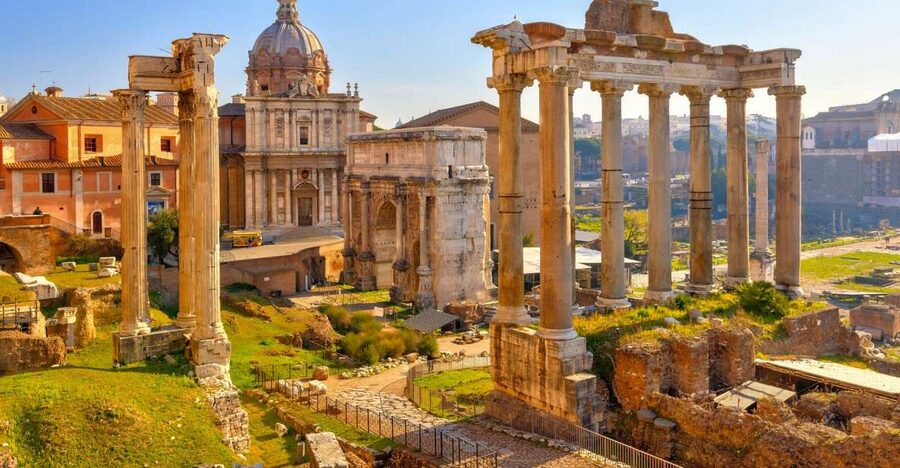
The Forum can feel crowded and confusing if you let it. With the guide leading, you’ll stay oriented—what you’re seeing, what it likely looked like in use, and why it connects to the rest of the route.
Because the total duration is 2.5 hours, you won’t have unlimited time to linger in every corner. What that means in practice: show up ready to walk, listen, and capture a few key photos rather than trying to photograph everything at once.
If you really love architecture, you’ll appreciate the way guides direct attention to the Forum’s structures and the logic of the space. If you love stories, you’ll appreciate the way the guide links the Forum’s events to the kind of public persuasion Romans used.
Included access and value: what you’re actually paying for at $84
At $84 per person for a 2.5-hour guided tour, the value isn’t just “someone tells you facts.” You’re paying for three major pieces of included access: Colosseum entry, Palatine Hill access, and Roman Forum access, plus a tour guide.
The included access is important because these are not casual stroll sites. They require entry management, and moving through them efficiently helps you spend your limited time where it counts—inside the historic areas, not outside trying to sort tickets.
What’s not included:
- Hotel pickup and drop-off
- Food and drinks
So the real cost depends on your setup. If you’re already near the meeting point, it’s straightforward. If you have to factor in time and transit costs from your hotel, consider that.
Also, given the guide praise for entertainment and clarity, you’re likely buying a higher quality experience than a basic “see-it-all” pass. Multiple people highlight how the guide choice can make or break the day, and in this tour, the guide is a central part of the product.
Meeting point and getting there: My City Tour office
You’ll meet at the office of My City Tour and start there. Since this is a walking tour through timed-entry sites, the biggest practical risk is losing minutes before you even reach the entry.
I’d treat the meeting point like a flight departure:
- Arrive a little early
- Know what the office looks like from the map/confirmation
- Don’t assume you can wander over at the last second
One caution worth noting: there’s at least one negative experience tied to organization and ticket timing, including waiting around after arriving early. That’s not the dominant story, but it’s enough that I’d follow the safe plan above.
What to bring (and what to skip)
This tour asks you to bring:
- Your passport or ID card (including for children)
And it also lists items you can’t bring:
- Weapons or sharp objects
- Pets (assistance dogs allowed)
- Sprays or aerosols
On a practical level, I’d also bring:
- Water
- Sun protection (hat, sunscreen)
- Comfortable shoes
The tour isn’t about shopping; it’s about walking and listening, so travel-light works in your favor.
Who this tour suits best
This experience is a strong fit if:
- You want the three biggest Ancient Rome stops in one hit
- You like a live English guide who tells stories instead of dumping dates
- You enjoy seeing more than one side of the same monument (Colosseum viewpoints, then elevated Palatine views)
It may be less ideal if:
- You need lots of downtime between stops
- You struggle with heat and long outdoor walking without frequent breaks
- You prefer ultra-flexible pacing rather than a set group route
If you’re traveling with a family, the tour includes entrance and guiding, which usually helps keep kids and teens engaged—especially when guides use humor and keep people moving.
Quick comparison: when to choose this vs. going solo
If you’re the type who loves reading signs and going at your own pace, solo can work. But with three heavy hitters packed into 2.5 hours, you’ll likely miss the “why” without guidance.
This tour is built for people who want:
- a guided narrative thread
- a structured route across connected sites
- included access so you’re not fighting logistics mid-day
If that sounds like you, this is a good use of time.
Should you book this Colosseum, Forum, and Palatine Hill tour?
Yes—if you want an efficient, guide-led way to understand the heart of Ancient Rome, this tour is a solid bet. I’d book it for the combination of included entry and the consistently praised guide performance, including names like Sandro and Tania that people specifically remember for making the story fun and clear.
Just go in with realistic expectations: it’s a short walking window, and you’ll be outside a lot. Bring water, dress for the sun, and arrive on time at the My City Tour office so you don’t lose momentum.
If you want Rome’s biggest monuments with meaning, this route does the job.
FAQ
How long is the Rome Colosseum, Roman Forum, and Palatine Hill tour?
The tour lasts 2.5 hours.
What is included in the price?
The price includes a tour guide and access to the Colosseum, Palatine Hill, and the Roman Forum.
Where do I meet the group?
You meet at the My City Tour office to start the tour.
Is there a hotel pickup or drop-off?
No. Hotel pickup and drop-off are not included.
What language is the live guide speaking?
The tour is in English.
What should I bring?
Bring your passport or ID card. Children also need a passport or ID card.
What items are not allowed during the tour?
Weapons or sharp objects are not allowed, and pets are not allowed (assistance dogs are allowed). Sprays or aerosols are also not allowed.
What is the cancellation policy?
You can cancel up to 24 hours in advance for a 50% refund.
More Tour Reviews in Rome
- Vatican Museums, Sistine Chapel & St. Peter’s Basilica Tour
★ 4.3 · 73,970 reviews - Vatican Museums, Sistine Chapel & St Peter’s Basilica Guided Tour
★ 4.5 · 39,149 reviews - Rome: Colosseum, Palatine Hill and Roman Forum Guided Tour
★ 4.8 · 32,814 reviews - Rome: Guided Tour of Colosseum, Roman Forum & Palatine Hill
★ 4.7 · 27,897 reviews - Rome: Colosseum & Forum with Audio Guide App -Optional Arena
★ 4.2 · 24,770 reviews - Rome: Colosseum, Roman Forum and Palatine Hill Guided Tour
★ 4.5 · 23,903 reviews
Ancient Rome, Kept Going
- Rome: Colosseum, Palatine Hill and Roman Forum Guided Tour
★ 4.8 · 32,814 reviews - Rome: Guided Tour of Colosseum, Roman Forum & Palatine Hill
★ 4.7 · 27,897 reviews - Rome: Colosseum & Forum with Audio Guide App -Optional Arena
★ 4.2 · 24,770 reviews - Rome: Colosseum, Roman Forum and Palatine Hill Guided Tour
★ 4.5 · 23,903 reviews - Rome: Colosseum Arena Floor, Palatine & Forum Guided Tour
★ 4.5 · 20,180 reviews - Rome: Colosseum Arena, Palatine Hill & Forum Guided Tour
★ 4.7 · 14,510 reviews
Just added to our Rome reviews





Colosseum & Ancient Rome Tours, compared.
 ★ 4.8Colosseum, Palatine Hill and Roman Forum Guided TourFrom $5232,814 reviews
 ★ 4.7Guided Tour of Colosseum, Roman Forum & Palatine HillFrom $5527,897 reviews
 ★ 4.2Colosseum & Forum with Audio Guide App -Optional ArenaFrom $4124,770 reviews
 ★ 4.5Colosseum, Roman Forum and Palatine Hill Guided TourFrom $5923,903 reviews
 ★ 4.5Colosseum Arena Floor, Palatine & Forum Guided TourFrom $4120,180 reviews
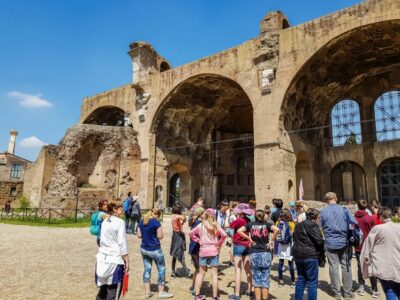 ★ 4.7Colosseum Arena, Palatine Hill & Forum Guided TourFrom $8414,510 reviews
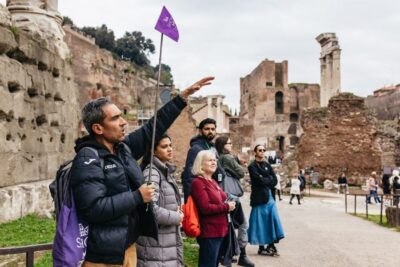 ★ 4.6Colosseum,Forum & Palatine Tour + Optional Arena FloorFrom $4513,169 reviews
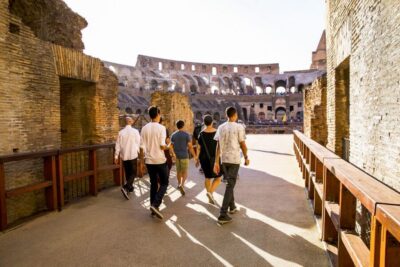 ★ 4.7Colosseum: Underground and Ancient Rome TourFrom $16012,691 reviews