
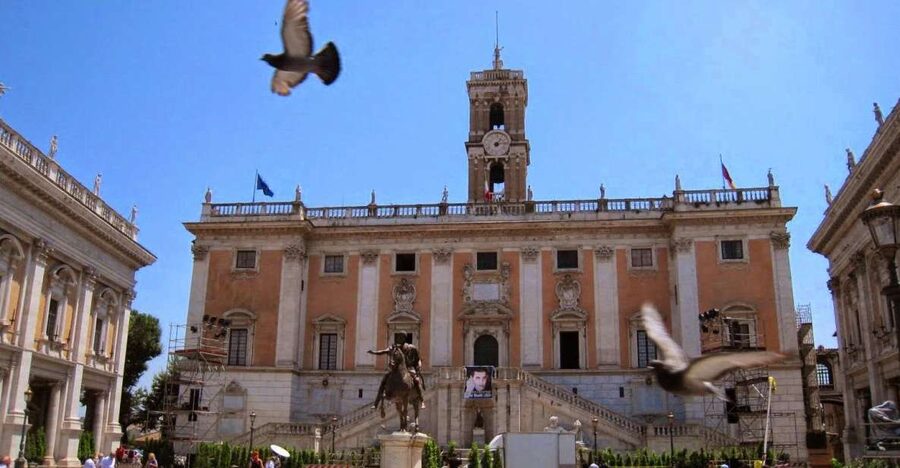
Reviewed · MUSEUMS
Rome: Capitoline Museums Private Guided Tour
Rome’s ancient art, explained in human scale. This private Capitoline Museums tour is built for fast, satisfying meaning: you skip the ticket line, meet your guide at the entrance, and get an art historian to connect major works to the city’s big story. Two things I really like are the chance to see the original equestrian statue of Marcus Aurelius up close, and the Pinacoteca Capitolina’s serious painting collection with big names like Caravaggio and Titian.
One possible catch: walking frames aren’t allowed, and you’ll be on your feet for about 2.5 hours in a mix of galleries and museum spaces.
In This Review
- Key highlights at a glance
- Rome in 2.5 hours: what this private museum tour really delivers
- Meeting at the Capitoline Museums entrance (and why timing helps)
- Palace of the Conservatives: where the big sculpture moments begin
- Pinacoteca Capitolina: painting in the oldest public collection spotlight
- Back downstairs: Marcus Aurelius and the temple ruins setting
- The underground Tabularium tunnel: quick Roman Forum views with purpose
- New Palace: inscriptions, sarcophagi, and the later famous statues
- Guide quality makes the difference (and you’ll see it here)
- Price and value: what you’re paying for at $201.65 per person
- Who this tour suits best (and who might want to rethink it)
- Should you book Rome: Capitoline Museums Private Guided Tour?
- FAQ
- How long is the Capitoline Museums private guided tour?
- Where do we meet the guide?
- Is this tour private?
- What’s included in the price?
- Does the tour include hotel pickup or drop-off?
- What languages are available?
- Is there time to see the Roman Forum?
- What are some major works you’ll see?
- What should I bring and wear?
Key highlights at a glance
- Skip-the-line entry plus a live art historian guide so you spend time looking, not waiting
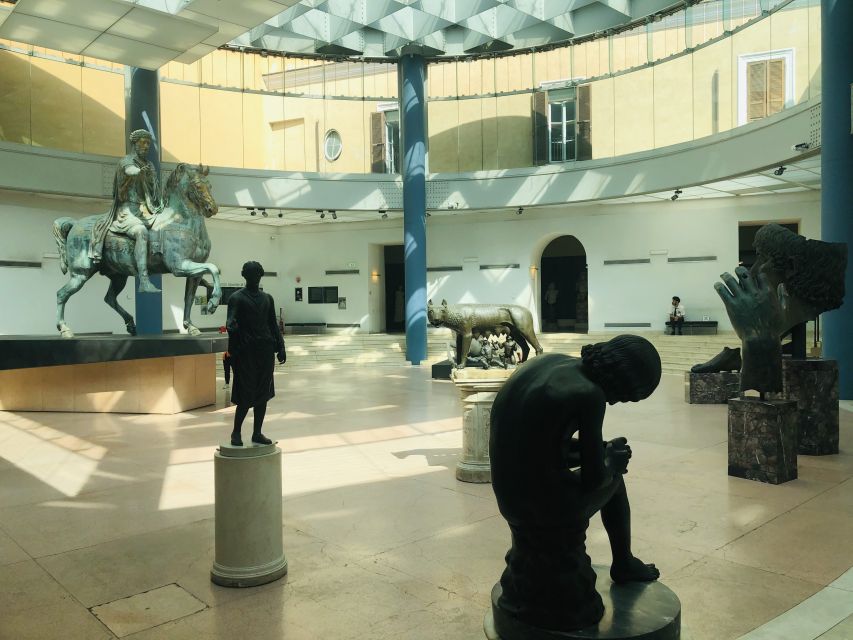
- Marcus Aurelius and the Tabularium route for Roman Forum views without the usual scramble
- Sculpture hits in the Palace of the Conservatives like the Spinario and Capitoline Wolf
- Pinacoteca Capitolina paintings featuring artists such as Caravaggio and Guido Reni
- Two historic museum seats in one tour: Palace of the Conservatives and the New Palace
Rome in 2.5 hours: what this private museum tour really delivers
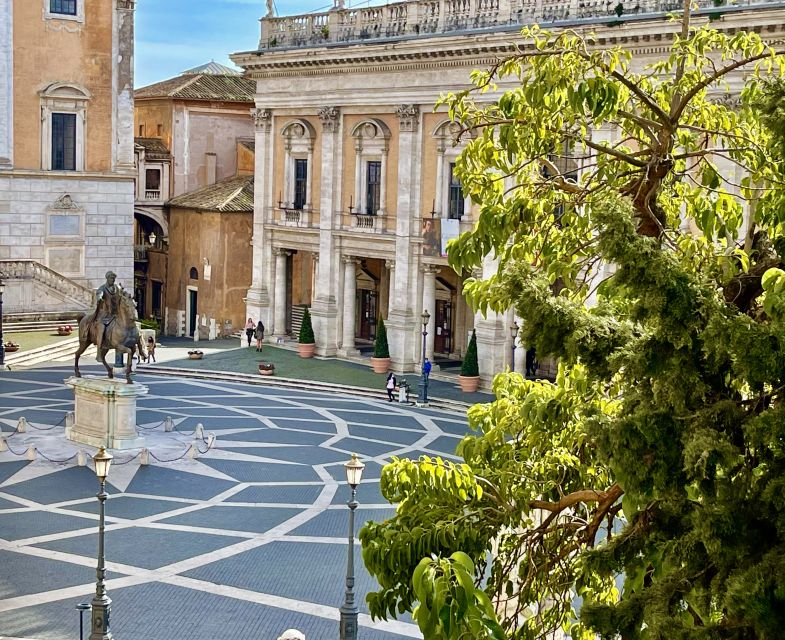
If you only have a short window in Rome and you don’t want museum time to feel like random wandering, this is a smart format. You get a private guide, a set route through the Capitoline Museums, and the chance to focus on the works that most strongly shape how Rome tells its own story.
The Capitoline Museums sit on a hill that’s basically a stage set for Rome’s identity. You’re looking at ancient sculpture and inscriptions, but also at medieval, Renaissance, and Baroque art that shows how later Romans kept reinterpreting the ancient world. That makes the museum feel less like a storage room and more like a timeline you can walk through.
The value here is the combination: skip-the-line access, included entry, and a professional art historian guiding you scene-by-scene. Without that, you can still enjoy the collections—but with a guide, the “why it matters” clicks faster.
Worth a look next to this Rome booking:
- Vatican Museums, Sistine Chapel & St Peter’s Basilica Guided Tour
★ 4.5 · 39,149 reviews - Rome: Colosseum, Palatine Hill and Roman Forum Guided Tour
★ 4.8 · 32,814 reviews - Rome: Guided Tour of Colosseum, Roman Forum & Palatine Hill
★ 4.7 · 27,897 reviews - Rome: Colosseum & Forum with Audio Guide App -Optional Arena
★ 4.2 · 24,770 reviews
Meeting at the Capitoline Museums entrance (and why timing helps)
The tour starts at the Capitoline Museums entrance, and your guide waits for you holding a sign with your name. That sounds simple, but in a busy site like this, it matters. You don’t have to hunt for a meeting point while lines and crowds shift around you.
Also, the tour is designed around a practical pace: about 2.5 hours total. You’ll cover two historic museum areas and still make time for Roman Forum views. This is the kind of scheduling that works well for first-timers who want the “greatest hits” without turning the day into a marathon.
One more practical detail: dress code is smart casual, and comfortable shoes are a must. You’ll be moving through galleries and changes in floor level, so you’ll feel it if your shoes are more fashion than support.
Palace of the Conservatives: where the big sculpture moments begin
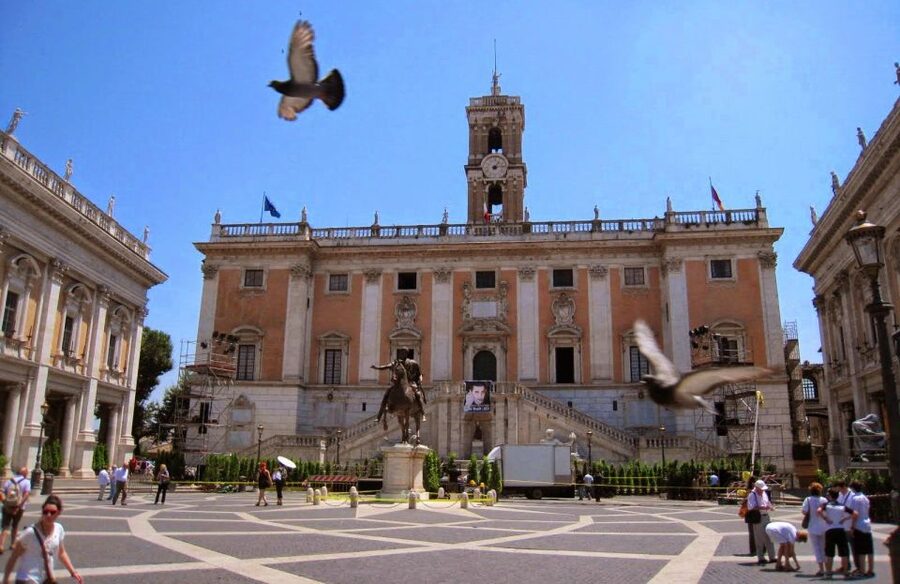
The route starts in the courtyard of the Palace of the Conservatives, one of the museum’s two historic seats. Right away, you get a sense of scale and engineering: the courtyard includes the remains of a colossal acrolith representing Constantine. Even if you’re not an expert, it’s the sort of artifact that makes you stop and think about how Rome used art to project power.
From there, you move through a tight cluster of famous works. One highlight is the Capitoline Brutus bust—an example of how Republican-era themes could be reimagined later to fit new political moods. Another is the Spinario, the Greco-Roman Hellenistic bronze of a boy withdrawing a thorn from his foot. The pose is simple, but it’s one of those pieces that rewards close looking because you can see the realism in a small, everyday action.
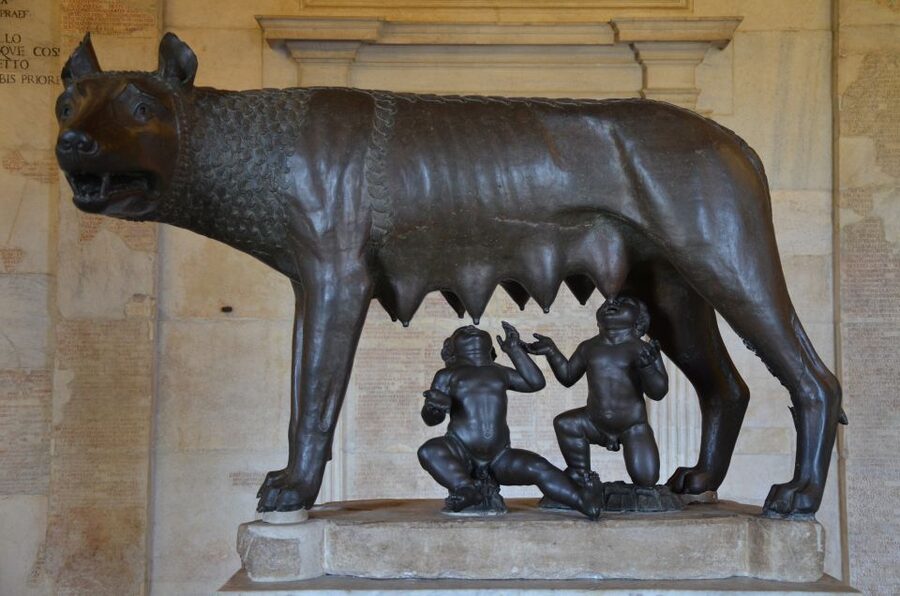
Then there’s the Capitoline Wolf, the bronze she-wolf linked to the myth of Romulus and Remus. This statue isn’t just “an object”—it’s a symbol of Rome’s self-mythmaking, and seeing it in the museum’s context helps you understand why the Eternal City leans so hard on origin stories.
A standout for collectors and history nerds is the Castellani collection, with about 700 Greek and Etruscan vases. That number alone is impressive, but the real value is that it widens the story. You start to see how Roman identity wasn’t built in isolation—it absorbed and reworked surrounding cultures.
Pinacoteca Capitolina: painting in the oldest public collection spotlight
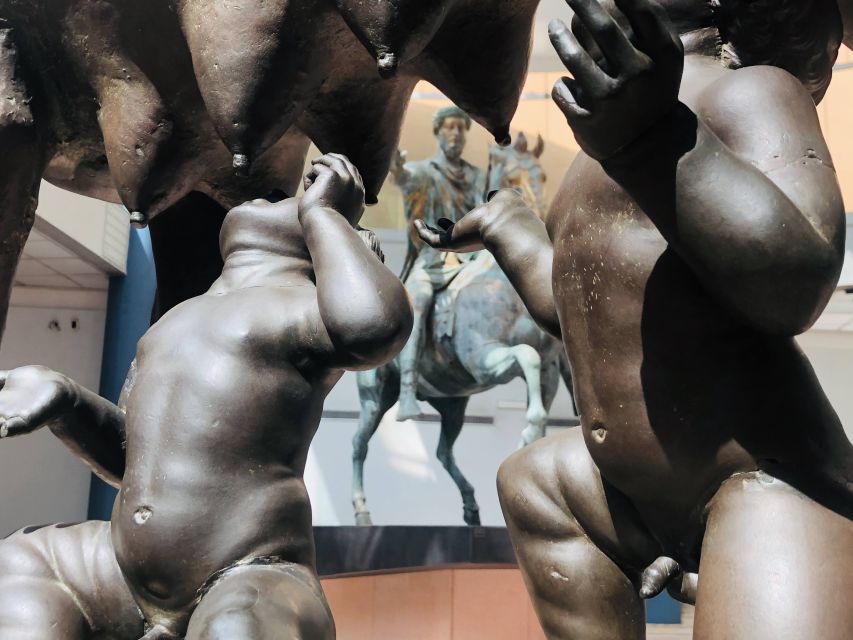
After the sculpture and artifacts, you’ll move up to the second floor for the Pinacoteca Capitolina. This matters because painting often gets treated like the “side dish” in Rome when the main course is usually ancient ruins and marble statues. Here, the museum makes painting part of the main narrative.
The Pinacoteca is described as the oldest public collection of paintings, and you’ll see work by Caravaggio, Guido Reni, the Carracci circle, Guercino, and Domenichino. You can also expect examples by Veronese and Titian, plus Tintoretto, Rubens, and Pietro da Cortona.
What a guide does well here is connect styles to moments in time. You don’t just see paintings; you learn how artists used light, drama, and composition to meet the tastes and politics of their era. It’s especially useful if you’re the kind of visitor who likes to know what you’re looking at, even if you don’t memorize dates.
You’ll also see frescoes and statues tied to Renaissance and Baroque Rome, which helps bridge the jump from ancient material to later religious and political art.
Worth a look next to this Rome booking:


Back downstairs: Marcus Aurelius and the temple ruins setting
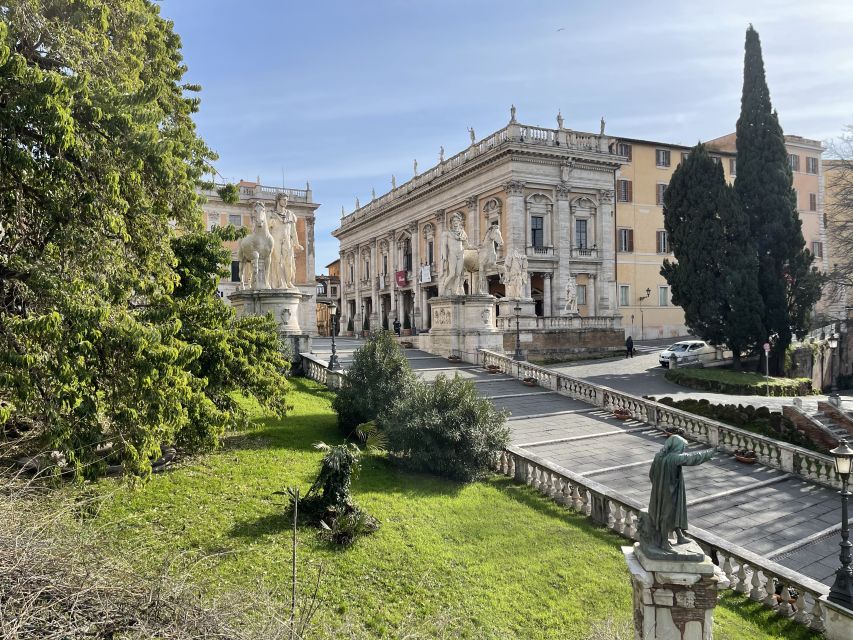
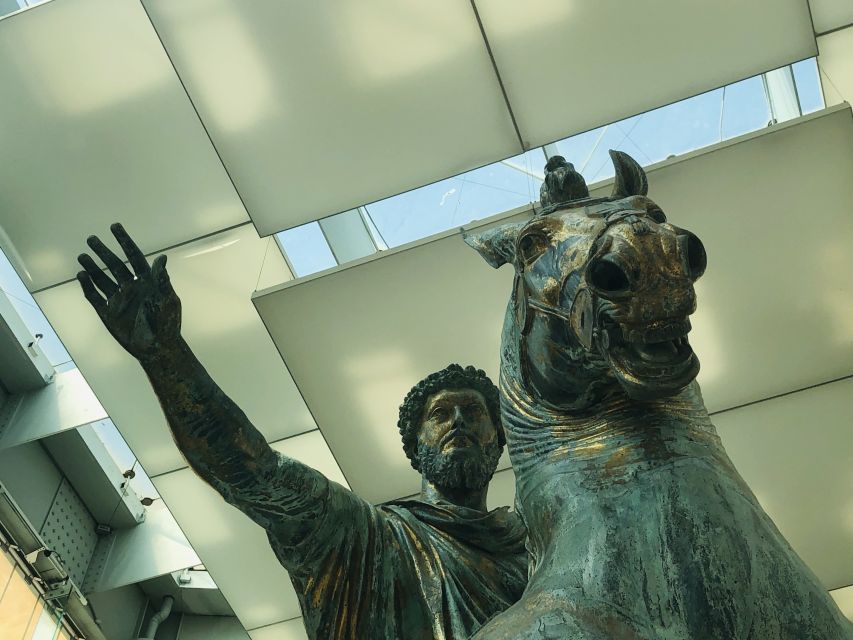
One of the tour’s strongest “wow” moments happens on the ground floor. The guide leads you to the exedra with the equestrian statue of Marcus Aurelius. This is not a generic statue stop. It’s one of those famous works you hear about for a reason, and standing in the right space makes it hit harder than photos ever do.
In the same area, you’ll also appreciate ruins of ancient temples still visible in the structure of the building. That detail is a reminder that the museum isn’t sitting in a blank field—it’s wrapped around layers of Rome’s built environment. The buildings around you are part of the story, not just a container.
If you’re the type who gets museum fatigue, this is a nice pacing reset. After floors of sculpture and painting, you’re back to something more immediate and open-feeling.
The underground Tabularium tunnel: quick Roman Forum views with purpose
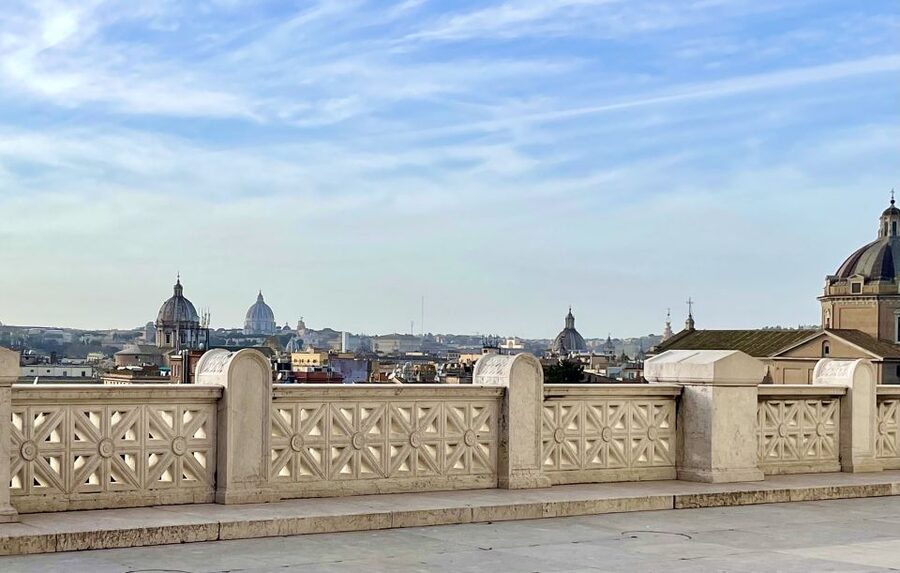
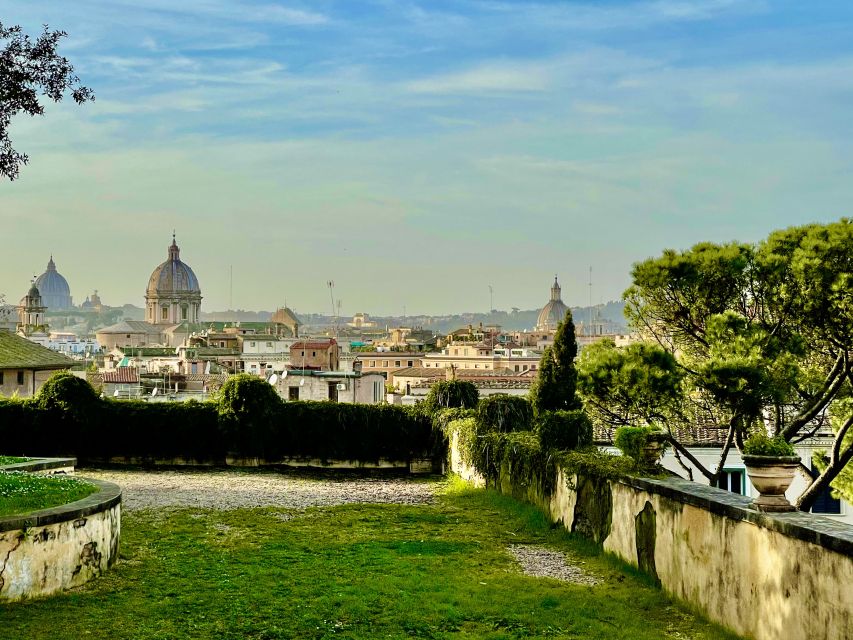
The route then takes you through an underground tunnel that crosses the Tabularium. This isn’t just an architectural trivia moment. It’s how you get magnificent views of the Roman Forum without wasting time walking and repositioning outside.
You’ll have about 20 minutes of scenic viewing on the way to the next museum seat. That’s a helpful time chunk: enough to orient yourself and spot the Forum’s layout, but not so long that it drains your energy before the final section.
If you want your Forum visit to feel connected rather than random, this is a good way to do it. Your guide can point out what you’re seeing while you’re actually looking at it.
New Palace: inscriptions, sarcophagi, and the later famous statues
After the Forum views, the tour moves to the museum’s second historic seat: the New Palace. This is where the collection expands beyond big signature sculptures into a wider mix of ancient material.
You’ll see statues, inscriptions, sarcophagi, busts, mosaics, and other artifacts. Again, having a guide matters because inscriptions and smaller objects can look like clutter unless someone explains what to focus on.
This is also where you’ll encounter several iconic works, including the Marforio statue, the Dying Gaul, and Cupid and Psyche. These pieces tend to be memorable even for casual museum visitors, because they represent different kinds of storytelling: myth, emotion, political identity, and artistic technique.
A tour like this doesn’t try to treat each object as a “pretty thing.” Instead, it keeps connecting art to the idea of Rome as a place that kept telling stories across centuries.
Guide quality makes the difference (and you’ll see it here)
The tour is led by a professional art historian guide, and that’s not a throwaway label. The best guides handle two jobs at once: they keep the pace moving, and they make the works feel like they belong to a larger system.
One named guide you might encounter is Martin, who’s described as passionate, with the ability to draw connections between art and the events and societies around it. That kind of linking is exactly what turns a museum visit into understanding, not just sightseeing.
There’s also a human side to the guidance that’s worth paying attention to. In one rainy, confusing start, the guide situation was handled quickly so the tour could begin. And during the experience, there was care given when someone felt light-headed—water was taken and the guide even gave extra time. That tells you the guide team isn’t running on autopilot; they’re watching the group.
Price and value: what you’re paying for at $201.65 per person
At $201.65 per person, this isn’t a budget add-on. But it’s also not a “pay extra for nothing” situation. You’re covering museum entry, skip-the-line access, and a live art historian for about 2.5 hours.
For many visitors, the skip-the-line piece is worth real money in time and stress avoided. Add a guide who can explain what you’re seeing without forcing you to read everything yourself, and the value becomes clearer. You’re not just buying access—you’re buying interpretation and efficiency.
What’s not included is hotel pickup and drop-off, so you’ll need to get yourself to the museum entrance. If you’re staying nearby, that’s no big deal. If you’re farther out, build in normal Rome transit time.
The group size is listed as a private group with a maximum of 20. Private doesn’t mean “just you two,” but it does mean you’re not swallowed by a huge mass tour. For most people, that strikes a good balance.
Who this tour suits best (and who might want to rethink it)
This is a strong match if you want:
- A guided museum route focused on major masterpieces
- A blend of ancient sculpture and painting
- Roman Forum views that don’t require a separate, time-heavy route
It’s also a great fit for art lovers who feel happier when the guide gives context in plain language. And if you’re visiting on a tight schedule, the 2.5-hour structure keeps you from losing the day to museum zig-zagging.
The main “rethink” case is mobility-related. Since walking frames aren’t allowed, you should consider whether you can comfortably handle the walking and museum transitions for the full duration.
Should you book Rome: Capitoline Museums Private Guided Tour?
Yes, if you like your Rome with a plan. This private tour gives you the Capitoline Museums’ core masterpieces—Marcus Aurelius, the Spinario, the Capitoline Wolf, and key works in the New Palace—plus the Pinacoteca’s big painting names. You also get Forum views through the Tabularium route, which is exactly the kind of time-saver first-timers appreciate.
I’d skip it only if you prefer a completely self-directed museum visit and you’re comfortable reading background info on your own for hours. Otherwise, the guide-led structure is the point: you’ll see more, understand more, and leave with the works tied together in your head instead of floating separately.
FAQ
How long is the Capitoline Museums private guided tour?
The tour lasts about 2.5 hours total.
Where do we meet the guide?
You meet at the Capitoline Museums entrance. The guide waits with a sign showing your name.
Is this tour private?
Yes. It’s described as a private group with a maximum of 20 persons per booking.
What’s included in the price?
It includes the Capitoline Museums entry ticket, skip-the-line access, and a professional art historian guide.
Does the tour include hotel pickup or drop-off?
No. Hotel pickup and drop-off are not included.
What languages are available?
The live tour guide is available in English and Italian.
Is there time to see the Roman Forum?
Yes. There are scenic views on the way, and the route includes a passage through a tunnel that provides views of the Roman Forum.
What are some major works you’ll see?
You can expect highlights such as Marcus Aurelius, the Spinario, the Capitoline Wolf, the Pinacoteca Capitolina paintings, and sculptures like Marforio, the Dying Gaul, and Cupid and Psyche.
What should I bring and wear?
Bring a passport or ID card and wear comfortable shoes. The dress code is smart casual. Oversize luggage is not allowed.
More Guided in Rome
- Vatican Museums, Sistine Chapel & St Peter’s Basilica Guided Tour
★ 4.5 · 39,149 reviews - Rome: Colosseum, Palatine Hill and Roman Forum Guided Tour
★ 4.8 · 32,814 reviews - Rome: Guided Tour of Colosseum, Roman Forum & Palatine Hill
★ 4.7 · 27,897 reviews - Rome: Colosseum & Forum with Audio Guide App -Optional Arena
★ 4.2 · 24,770 reviews - Rome: Colosseum, Roman Forum and Palatine Hill Guided Tour
★ 4.5 · 23,903 reviews - Rome: Colosseum Arena Floor, Palatine & Forum Guided Tour
★ 4.5 · 20,180 reviews
More Tours in Rome
- Vatican Museums, Sistine Chapel & St. Peter’s Basilica Tour
★ 4.3 · 73,970 reviews - Vatican Museums, Sistine Chapel & St Peter’s Basilica Guided Tour
★ 4.5 · 39,149 reviews - Rome: Colosseum, Palatine Hill and Roman Forum Guided Tour
★ 4.8 · 32,814 reviews - Rome: Guided Tour of Colosseum, Roman Forum & Palatine Hill
★ 4.7 · 27,897 reviews - Rome: Colosseum, Roman Forum and Palatine Hill Guided Tour
★ 4.5 · 23,903 reviews - Rome: Colosseum Arena Floor, Palatine & Forum Guided Tour
★ 4.5 · 20,180 reviews
More Tour Reviews in Rome
- Vatican Museums, Sistine Chapel & St. Peter’s Basilica Tour
★ 4.3 · 73,970 reviews - Vatican Museums, Sistine Chapel & St Peter’s Basilica Guided Tour
★ 4.5 · 39,149 reviews - Rome: Colosseum, Palatine Hill and Roman Forum Guided Tour
★ 4.8 · 32,814 reviews - Rome: Guided Tour of Colosseum, Roman Forum & Palatine Hill
★ 4.7 · 27,897 reviews - Rome: Colosseum & Forum with Audio Guide App -Optional Arena
★ 4.2 · 24,770 reviews - Rome: Colosseum, Roman Forum and Palatine Hill Guided Tour
★ 4.5 · 23,903 reviews
Just added to our Rome reviews





Museums, compared.
 ★ 4.5Vatican: Museums & Sistine Chapel Entrance TicketFrom $38144,003 reviews
 ★ 4.3Vatican Museums, Sistine Chapel & St. Peter’s Basilica TourFrom $7273,970 reviews
 ★ 4.5Vatican Museums, Sistine Chapel & St Peter’s Basilica Guided TourFrom $2239,149 reviews
 ★ 4.3Vatican Museums, Sistine Chapel and Basilica TourFrom $7316,039 reviews
 ★ 4.4Vatican Museums & Sistine Chapel Skip-the-Line Entry TicketFrom $4313,838 reviews
 ★ 4.7Vatican Museums, Sistine Chapel & Basilica TourFrom $7213,217 reviews
 ★ 4.3Vatican Museums & Sistine Chapel Guided TourFrom $11812,117 reviews
 ★ 4.2Vatican Museums & Sistine Chapel Skip-The-Line TicketFrom $4111,708 reviews