
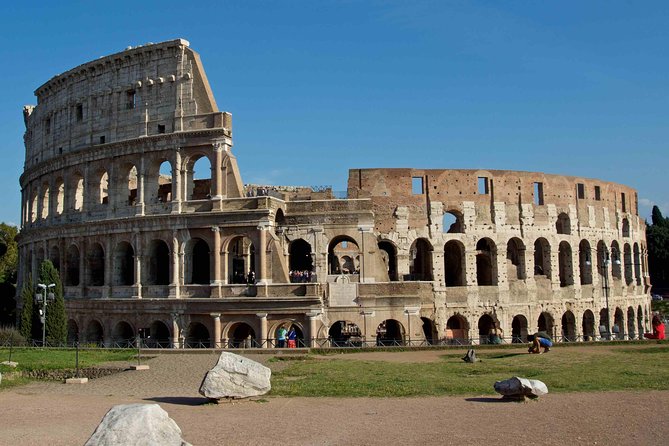
Reviewed · HISTORICAL TOURS
Rome by Day, Beauty and History Unique Photo Tour and Workshop
Rome looks different when you shoot with a pro. This smartphone-friendly photo workshop turns Rome’s best sights into a real shooting plan, not just a checklist. You’ll start on the move, guided step by step by Giulio D’Ercole through Rome’s famous streets and monuments.
I love that the format is built for your level. You get practical help with exposure, camera settings, composition, and visual storytelling, all while you’re taking pictures. And if you’re bringing a non-photographer partner, they can still join without feeling like dead weight.
One possible drawback: the pacing is brisk, with several stops timed for quick picture-making (about 10 to 20 minutes each). If you want long museum-style wandering at every location, you may feel rushed.
In This Review
- Key highlights at a glance
- Rome With a Camera Coach in Your Pocket
- The 4-Hour Photo Workshop That Teaches You How to See
- St. Peter’s Square: Fast Shot Plans for a Huge Space
- Castel Sant’Angelo and the Bridge of Angels From New Angles
- Piazza Navona and the Pantheon: People + Architecture in One Frame
- Chiesa di Sant’Ignazio di Loyola: Baroque Details That Reward Patience
- Victorian Ala Brasini and a Rome Skyline Angle
- Piazza del Campidoglio: Michelangelo’s Terrace and Marco Aurelio
- Mercati di Traiano and the Fori Imperiali: Lines, Ruins, and Scale
- Teatro di Marcello and the Antico Quartiere Ebraico: The Backstreets of Rome
- Campo de’ Fiori: Market Energy for Your Final Frames
- Practical Value: Price, Group Size, and What’s Actually Included
- Should You Book This Rome Photo Tour?
- FAQ
- Do I need a DSLR to join?
- How long is the tour?
- Is there a limit on group size?
- Can non-photographing people join?
- What kind of photography help will I get?
- What’s included in the price?
- Are there extra photo purchases?
- What if I don’t have a camera?
- Is there a dress code?
- What happens if the weather is bad?
Key highlights at a glance
- Smartphone welcome: no DSLR required, iPhone and Android photographers fit right in
- Hands-on workshop: you learn exposure, settings, composition, and storytelling while walking
- Small group: max 4 people, so you get real attention instead of a quick photo stop and run
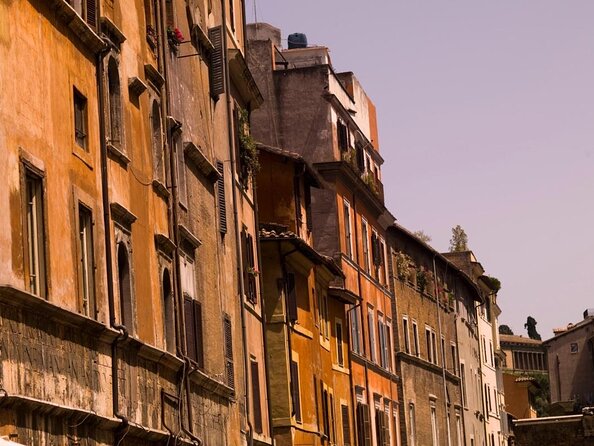
- Big icons plus side streets: grand squares, baroque churches, ancient ruins, and alley corners
- Non-photographers can come: partners/family can join with arrangements for those not shooting
- Dress code matters: knees and shoulders covered for worship sites and select interiors
Rome With a Camera Coach in Your Pocket
If you’re traveling with an iPhone or Android, this tour is built for you. You do not need a DSLR, and that instantly changes the vibe. Instead of fiddling with gear, you focus on seeing: how to frame Rome so it looks like a memory, not a postcard.
The guide is Giulio D’Ercole, a professional photographer running the walk with a friendly, no-pressure style. The emphasis is on what you can control right now—angle, timing, and composition—plus how to adjust your exposure and settings as light changes across Rome.
I also like that the group stays tiny. With a maximum of 4 travelers, the “group photo herd” problem goes away. You can ask questions, and the guidance doesn’t get stuck behind the person who arrived with a 14-step camera process.
Worth a look next to this Rome booking:
- Rome in a Day Tour with Vatican, Colosseum and Historic Center
★ 4.5 · 1,042 reviews - Rome Food Tour in the Historic Centre with 8+ Food Tastings
★ 5.0 · 1,000 reviews - Rome: Forbidden History Walking Tour & Pub Crawl with Drinks
★ 4.9 · 688 reviews - Rome: Guided Bar Crawl with Drinks & Dark History
★ 4.9 · 444 reviews
The 4-Hour Photo Workshop That Teaches You How to See
The first portion is a hands-on workshop as you walk through iconic squares and streets. The goal is simple: you learn techniques that help you take better pictures immediately, even if you only have a phone camera.
You’ll practice visual storytelling—how to arrange a scene so it communicates place and mood. That usually means: deciding what’s foreground, what’s main subject, and what background detail supports the story. You also get tips for composition and how to think through your shot before you press the button.
This is also where Giulio adjusts to skill level. The tour works for beginners who want a starting point and for more advanced photographers who want reminders (or a sharper way to frame a familiar monument). It’s not just lecture. You’re shooting while learning.
If you’re bringing someone who won’t take photos, arrangements can be considered so they still get a real experience—Rome time, not boredom time.
St. Peter’s Square: Fast Shot Plans for a Huge Space
St. Peter’s Square is one of those places where you can get great results fast—or end up with flat, repetitive images if you don’t plan. You’ll spend about 20 minutes there, moving through different angles for columned porticos, fountains, sculptures, the Swiss guards, and the basilica facade.
The key here is learning how to handle scale. When you’re photographing a massive square, your job is to give the viewer a sense of distance. That often comes down to choosing a viewpoint where architectural lines lead the eye, and where you include just enough human detail to show size without turning your photo into a blur-fest.
Practical tip: think before you shoot. If you get one or two strong compositions early in the session, you’ll have a better time trying variations instead of constantly restarting.
Also, this is one of the stops where the dress code can matter. For places of worship and select interiors, you need knees and shoulders covered. Shorts or sleeveless tops can mean refused entry, and that can cut into your photo time.
Castel Sant’Angelo and the Bridge of Angels From New Angles
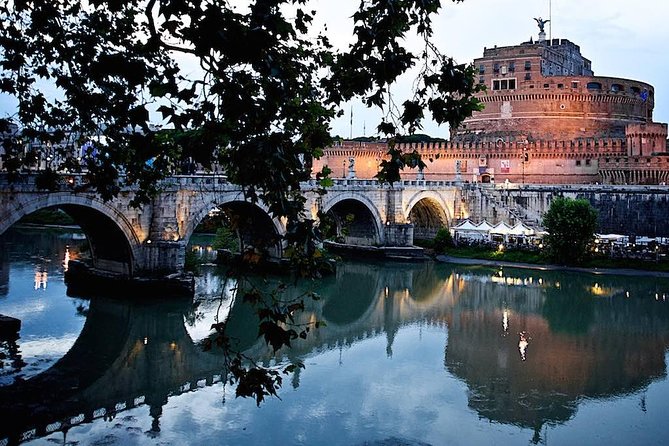
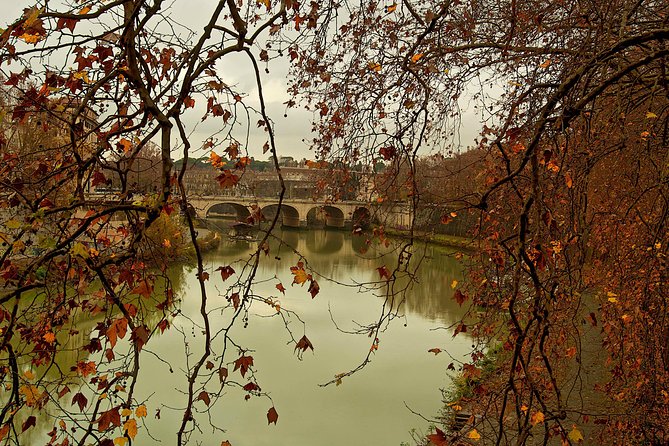
Castel Sant’Angelo and the Bridge of Angels are built for photographers. You get shots of the fortress, plus the bridge connection, and you also take pictures from the river shores. That means you’re not stuck with one “famous view.” You can work with different perspectives as the light and river reflections shift.
This stop is short (about 15 minutes), so treat it like a sprint. Aim for at least one classic “subject postcard” image and one more creative frame that uses the bridge or river viewpoint as the composition engine.
If you like dramatic lines and layered depth, this is a good moment to practice. Fortresses and bridges naturally create geometry, and Giulio’s coaching on composition and camera settings helps you turn that geometry into a photo that feels intentional.
The upside: even with tight timing, the location gives you multiple compositions without needing long detours.
Worth a look next to this Rome booking:

Piazza Navona and the Pantheon: People + Architecture in One Frame
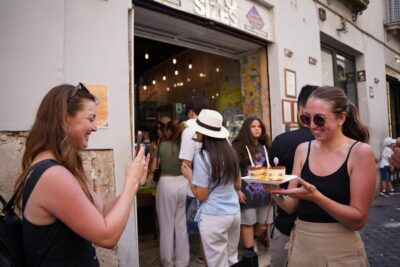
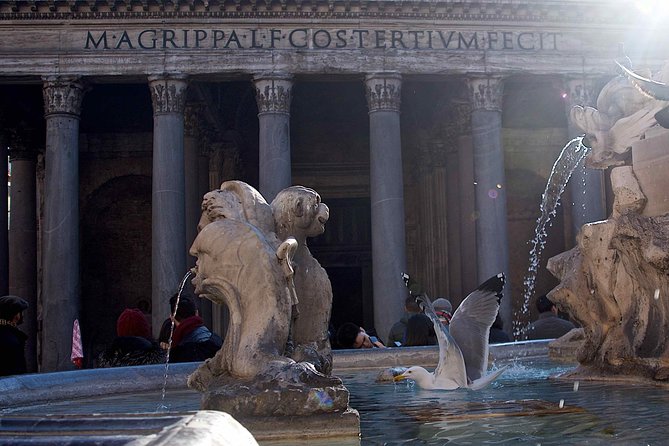
Piazza Navona is where Rome feels alive. You’ll take photos of fountains, churches, the square itself, and people moving through the scene. Then you’ll work the Pantheon area with shots of the square, the fountain, people, and the Pantheon from outside—about 20 minutes here.
These two stops teach a useful skill: balancing architecture with real human moments. Rome photography isn’t only about buildings. It’s about scale, activity, and how visitors interact with the space.
Composition-wise, you can play with:
- symmetry (especially useful around the Pantheon area)
- leading lines through the square
- framing people without losing the monument as the main subject
A possible drawback is obvious: these are popular areas. That can mean more foot traffic and more competing visuals. But with Giulio guiding the shot choices, you’re more likely to get frames that feel grounded in place, not chaotic.
Chiesa di Sant’Ignazio di Loyola: Baroque Details That Reward Patience
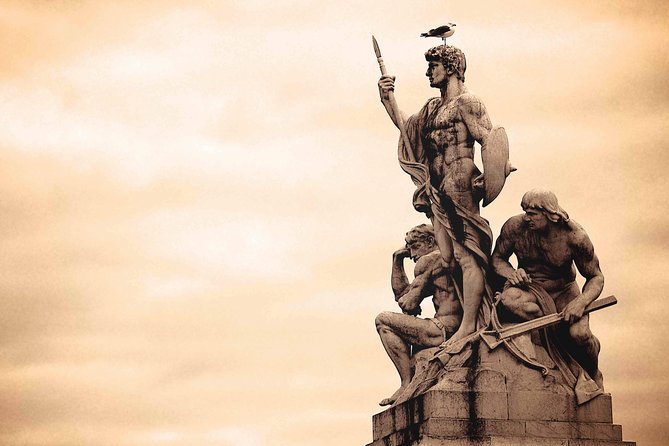
Chiesa di Sant’Ignazio di Loyola is a shorter stop (about 15 minutes), but baroque churches usually reward close attention. You’ll focus on sculptures, frescoes, and baroque art.
This is where the workshop approach pays off. Instead of hunting only big, obvious angles, you learn how to spot photo opportunities in texture and detail—corners, reliefs, and surfaces that catch light.
Because timing is limited, keep your expectations realistic. You’re not doing a slow-art-stroll. You’re learning how to extract strong images quickly: one or two detail shots, then one wider framing that captures what makes the church feel distinct.
As with other worship sites, remember the dress code. Cover knees and shoulders, or you may risk losing access.
Victorian Ala Brasini and a Rome Skyline Angle
Next you’ll head toward the Complex of the Victorian Ala Brasini. You’ll photograph the monument, sculptures, and the landscape feel of the area, plus Rome’s skyline views—around 20 minutes.
This stop is different from the more “everyone takes the same photo” classics. It’s more about finding a viewpoint and building a skyline frame that feels like Rome, not just a collection of landmarks.
If you like images with depth—layers of buildings, rooftops, and sky—this is a helpful place to practice. Skyline shots often require exposure awareness because brightness levels vary quickly from foreground to background. That’s exactly the kind of coaching you get in the workshop portion.
If you’re the type who loves shooting “between landmarks,” this stop adds variety without derailing the itinerary.
Piazza del Campidoglio: Michelangelo’s Terrace and Marco Aurelio
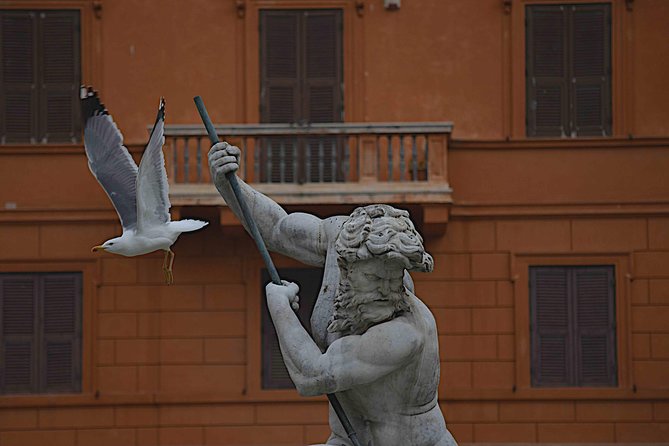
Piazza del Campidoglio is one of Rome’s most iconic viewpoints. You’ll take photos around Michelangelo’s square, the Marco Aurelio statue, building facades, and then get the view over Rome—about 20 minutes.
This is a great stop for learning how to work with viewpoint and geometry. Michelangelo’s design uses perspective tricks, and your photos will improve when you align your frame with those guiding lines.
Also, Marco Aurelio offers a good anchor subject. A statue can give your skyline or facade photo a focal point that makes the whole image feel structured.
The main consideration here is that you’ll want to move smartly. With only 20 minutes, pick your top two shot goals: one architectural viewpoint and one with the statue/foreground element.
Mercati di Traiano and the Fori Imperiali: Lines, Ruins, and Scale
At Mercati di Traiano – Museo dei Fori Imperiali you’ll photograph ancient ruins, Roman forums, Trajan’s markets and column, plus landscape-style views of the area—around 20 minutes.
This is where you’ll see why ruins are such a strong photography subject. They create layered depth: columns, arches, and broken lines that lead your eye. But they also tempt people into blurry, crowded frames if they don’t slow down and choose a viewpoint.
Giulio’s coaching on composition helps you keep the image readable. You’re aiming for photos that show form and scale, not just “cool stones.”
One practical note: you should expect uneven ground and lots of visual inputs. Quick positioning and deliberate framing matter here, especially when your time is limited.
Teatro di Marcello and the Antico Quartiere Ebraico: The Backstreets of Rome
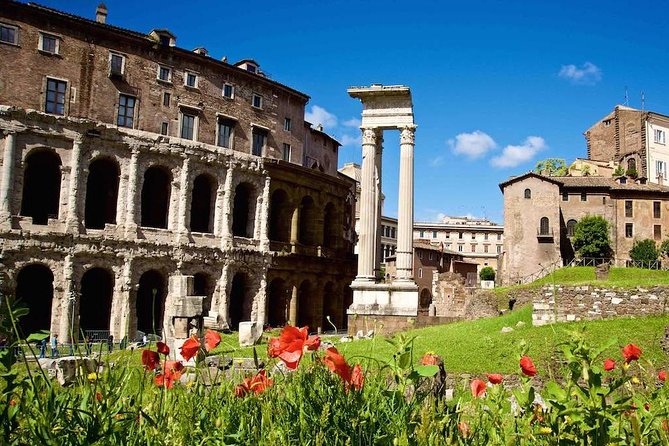
Teatro di Marcello is quick (about 10 minutes), then you’ll move into Antico Quartiere Ebraico for corners, small alleys, and typical shops—around 20 minutes.
This part is a nice break from the mega-monument energy. In smaller streets, the best photos come from angles most people won’t stop for. The alley phase is where your storytelling skills get practical: a doorway, a slice of street, a person moving past, or shop details that place your photo in daily Rome.
The main drawback for this area is simple: if you’re hoping to slow down and wander, you’ll feel the time pressure. But you’ll also get focused instruction on what to look for, which makes your phone camera work harder.
Campo de’ Fiori: Market Energy for Your Final Frames
You’ll end this final photo stretch at Campo de’ Fiori, with about 20 minutes for shots of the typical Roman market and surrounding alleys.
Market scenes can be tricky because there’s motion everywhere. The trick is to keep Rome readable in the frame. Choose either a composition that emphasizes the square’s structure or a tighter crop that tells a small story through a detail and a person’s presence.
This stop is also a good time to apply what you learned earlier. By now you know how Giulio wants you to think: decide your story, then control your framing and exposure decisions to match the light and movement.
From here, the tour ends near the Colosseum area at Piazza del Colosseo, close to the subway stop on Line A.
Practical Value: Price, Group Size, and What’s Actually Included
The price is $215.69 per person for about 4 hours. That’s not a bargain price, but it’s also not a “private driver for your camera” price. What you’re paying for is the combination of a professional photographer guide, real shooting instruction, and a tight route through top photo locations without you spending half the time figuring out where to stand.
The small group size (max 4) is a big part of the value. It’s the difference between generic advice and hands-on coaching while you’re actively shooting.
Included items are straightforward:
- professional photographer guide
- workshop and guided shooting through the sites
- admission tickets are free or included as listed for each stop (and the experience notes that admission tickets are either free or included depending on the location)
What’s not included:
- souvenir photos you may purchase afterward
- and if you arrive with no camera, you can rent Nikon gear plus tripods for 50 euros per kit, paid in cash
Two practical reminders that can save your day:
- Dress code for places of worship: knees and shoulders covered, no shorts or sleeveless tops.
- Expect good weather to matter. If conditions force cancellation, you’ll be offered a different date or a full refund.
Should You Book This Rome Photo Tour?
Book it if you want your Rome photos to look like you planned them, not like you wandered and hoped for the best. This works especially well if you’re using a smartphone and you want quick, usable guidance on exposure, settings, and composition.
I’d skip it if your travel style is slow and you want to linger in places for hours. Timed stops are part of the design, and the best results come when you’re ready to move, shoot, adjust, and go.
If you’re bringing a non-photographer partner, this tour can still work because arrangements are considered so everyone gets something out of the walk.
FAQ
Do I need a DSLR to join?
No. iPhone and Android smartphone photographers are welcome, and the tour is designed for phone shooting.
How long is the tour?
It’s about 4 hours.
Is there a limit on group size?
Yes, the experience has a maximum of 4 travelers.
Can non-photographing people join?
Yes. Non-photographing spouses, partners, and children can be accommodated with arrangements considered.
What kind of photography help will I get?
You’ll get tips for visual storytelling and practical guidance on exposure, camera settings, and composition.
What’s included in the price?
A professional photographer guide is included, along with the guided photo walk and workshop through the listed stops. Admission is free or included depending on the stop.
Are there extra photo purchases?
Souvenir photos may be available to purchase, but they are not included in the base price.
What if I don’t have a camera?
If you have no camera, you can rent Nikon gear plus tripods for 50 euros per kit, paid in cash.
Is there a dress code?
Yes. For places of worship and selected museums, knees and shoulders must be covered. Shorts and sleeveless tops are usually not allowed, and you may be refused entry if you don’t comply.
What happens if the weather is bad?
The experience requires good weather. If it’s canceled due to poor weather, you’ll be offered a different date or a full refund.
More Historical Tours in Rome
- Rome in a Day Tour with Vatican, Colosseum and Historic Center
★ 4.5 · 1,042 reviews - Rome Food Tour in the Historic Centre with 8+ Food Tastings
★ 5.0 · 1,000 reviews - Rome: Forbidden History Walking Tour & Pub Crawl with Drinks
★ 4.9 · 688 reviews - Rome: Guided Bar Crawl with Drinks & Dark History
★ 4.9 · 444 reviews - Rome: Vespa Photo Tour with Historic City Highlights
★ 5.0 · 395 reviews - Twilight Treasures: An Evening Tour Through Rome’s Rich History
★ 4.5 · 263 reviews
More Tours in Rome
- Vatican Museums, Sistine Chapel & St. Peter’s Basilica Tour
★ 4.3 · 73,970 reviews - Vatican Museums, Sistine Chapel & St Peter’s Basilica Guided Tour
★ 4.5 · 39,149 reviews - Rome: Colosseum, Palatine Hill and Roman Forum Guided Tour
★ 4.8 · 32,814 reviews - Rome: Guided Tour of Colosseum, Roman Forum & Palatine Hill
★ 4.7 · 27,897 reviews - Rome: Colosseum, Roman Forum and Palatine Hill Guided Tour
★ 4.5 · 23,903 reviews - Rome: Colosseum Arena Floor, Palatine & Forum Guided Tour
★ 4.5 · 20,180 reviews
More Tour Reviews in Rome
- Vatican Museums, Sistine Chapel & St. Peter’s Basilica Tour
★ 4.3 · 73,970 reviews - Vatican Museums, Sistine Chapel & St Peter’s Basilica Guided Tour
★ 4.5 · 39,149 reviews - Rome: Colosseum, Palatine Hill and Roman Forum Guided Tour
★ 4.8 · 32,814 reviews - Rome: Guided Tour of Colosseum, Roman Forum & Palatine Hill
★ 4.7 · 27,897 reviews - Rome: Colosseum & Forum with Audio Guide App -Optional Arena
★ 4.2 · 24,770 reviews - Rome: Colosseum, Roman Forum and Palatine Hill Guided Tour
★ 4.5 · 23,903 reviews
Just added to our Rome reviews





Historical Tours, compared.
 ★ 4.5Rome in a Day Tour with Vatican, Colosseum and Historic CenterFrom $1921,042 reviews
 ★ 5.0Rome Food Tour in the Historic Centre with 8+ Food TastingsFrom $1181,000 reviews
 ★ 4.9Forbidden History Walking Tour & Pub Crawl with DrinksFrom $61688 reviews
 ★ 4.9Guided Bar Crawl with Drinks & Dark HistoryFrom $77444 reviews
 ★ 5.0Vespa Photo Tour with Historic City HighlightsFrom $33395 reviews
 ★ 4.5Twilight Treasures: An Evening Tour Through Rome’s Rich HistoryFrom $4263 reviews
 ★ 5.0Small-Group Rome to Pompeii & Amalfi: Day of History & SeaFrom $144239 reviews
 ★ 4.7Colosseum, Vatican Museums & Historic Center in a Day228 reviews
Browse the lists this tour appears in