
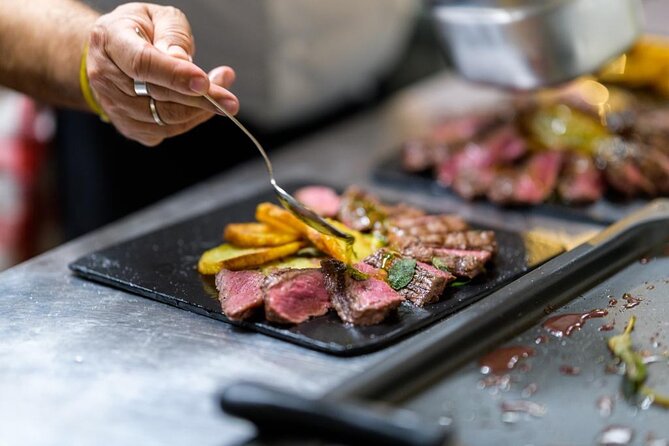
Reviewed · DINNER EXPERIENCES
Rome: Authentic Roman Restaurant Dining Experience
Rome tastes best when someone else handles dinner. This meal at Il Segreto is a straightforward way to eat like Romans do, with chef-made Roman classics, a proper multi-course flow, and the comfort of a pre-booked reservation. I love the Bronze and Gold menu choices (two courses or three), and I love that the beverage plan includes wine options rather than just water and hope. One possible drawback: the experience is timed and menu-led, so you won’t be customizing your plate à la carte.
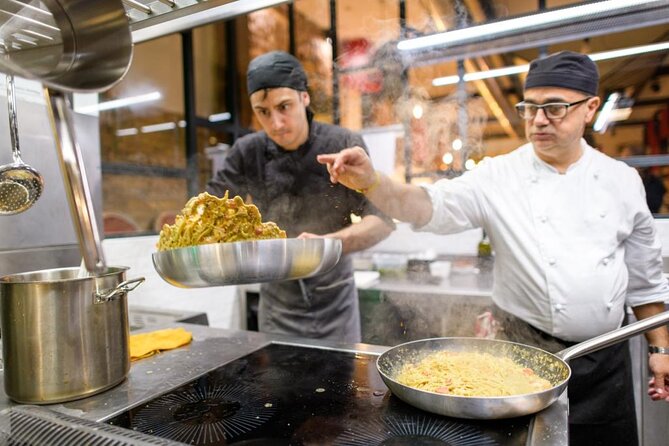
The format is built for an easy evening: you show up, get looked after, then work through your selected courses with English-speaking service in a small room. If you want a Roman meal that feels polished without being stiff, this hits a good balance. I also like that the kitchen is active and you can watch chefs working as your dishes come out.
Location-wise, you’re in the Vatican-side zone, and you’ll typically find it a handy stop before or after other plans. Just keep in mind that if you’re dreaming of an all-night food crawl, 1 hour 15 minutes is the whole run.
In This Review
- Key things to know before you go
- Rome at the Table: Why Il Segreto Feels Like a Real Meal
- Bronze and Gold Menus: Two Courses or Three With Wine
- Bronze: 2 courses, usually the best “quick and classic” pick
- Gold: 3 courses for a more complete sit-down
- What You’ll Eat: Roman Classics, Not Just Roman-Sounding Dishes
- Amatriciana: tomato, pork, and pecorino
- Cacio e pepe: cheese + black pepper done right
- Carbonara: eggs and pecorino with pork
- Meatballs with the chef’s sauce: comforting start energy
- Supplì, calamari, and other starter choices
- The Gold mains: truffle, aged balsamic, or seafood
- Service and Pacing: What 5-Star Looks Like in This Room
- Timing It Right: 1 Hour 15 Minutes That Actually Works
- Near the Vatican: Getting There Without a Headache
- Price and Value: Is $30.04 Worth It?
- Who This Dinner Fits Best (and Who Might Skip It)
- Should You Book This Roman Dinner Experience?
- FAQ
- How long is the Roman restaurant dining experience?
- How much does it cost per person?
- What’s the difference between the Bronze and Gold menus?
- What beverages are included?
- Where do I meet for the experience?
- Is the experience offered in English?
- Is there free cancellation?
Key things to know before you go
- Bronze vs Gold menus let you pick two courses or three courses
- Wine options: Barolo with Gold or Prosecco with Bronze (plus non-alcohol choices)
- Roman favorites like carbonara, cacio e pepe, and amatriciana anchor the menu
- Small groups (max 20) help the service stay attentive
- Chef-visible cooking adds energy while you wait for each course
- English service makes ordering and pacing feel stress-free
Rome at the Table: Why Il Segreto Feels Like a Real Meal
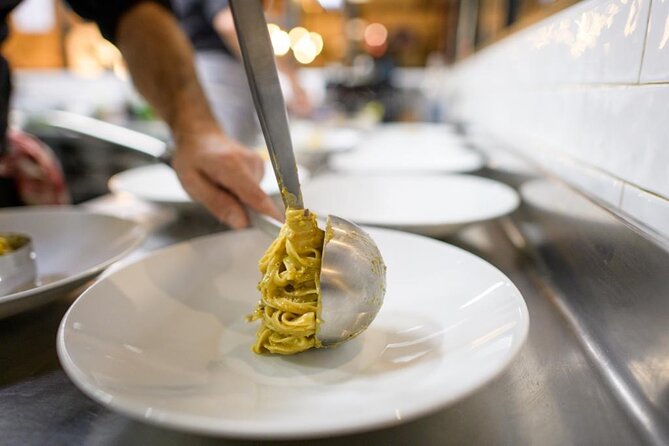
This isn’t a tasting flight that turns dinner into homework. It’s an old-school Roman restaurant set-up: you sit down, you’re served, and each course lands like it’s supposed to. That makes it great value for a short visit, because you’re not piecing together reservations, menus, and timing on your own.
The restaurant also leans into the “you’re in Rome” feel. The menu stays Roman, not tourist-Italian. You’ll see pastas built around pork, cheese, pepper, tomatoes, and eggs—plus mains that go beyond the usual chicken-and-salad routine.
Service style is part of the point. The experience is described as 5-star service, and the details that show up in feedback match that: friendly greetings, attentive pacing, and a wrap-up that feels like someone actually cared about your night. One memorable touch that comes up is a send-off with small extras like limoncello shots, plus leftovers handled neatly.
The only trade-off is the same one you’ll see at many authentic meal experiences: you’re choosing from set options. If you need a lot of menu flexibility, plan to pick the menu option that fits your taste.
Worth a look next to this Rome booking:
- Rome: Gourmet Food Tour with Dinner & Barolo Wine
★ 4.9 · 2,347 reviews - Pasta Making & Wine Tasting with Dinner in Frascati from Rome
★ 5.0 · 1,326 reviews - Rome Food Tour: Hidden Gems of Trastevere with Dinner & Wine
★ 5.0 · 1,166 reviews - Rome: Pasta Making with Wine Tasting and Dinner in Frascati
★ 4.9 · 979 reviews
Bronze and Gold Menus: Two Courses or Three With Wine
Here’s the clean way to choose.
Bronze: 2 courses, usually the best “quick and classic” pick
With Bronze, you’ll pick a main course and then finish with dessert. Your main course choices are classic Roman pasta favorites:
- Paccheri amatriciana (pork, tomato sauce, pecorino cheese)
- Tonnarelli cacio e pepe (cheese and black pepper)
- Rigatoni carbonara (pork, eggs, pecorino cheese, black pepper)
Dessert is cheesecake or chocolate cake. For your beverage, Bronze includes a choice that features Prosecco plus options like soft drink, coffee, or tea.
If you’re on a tight schedule, Bronze keeps things efficient but still gives you a full dinner feel.
Gold: 3 courses for a more complete sit-down
Gold adds a first course plus an upgrade in the beverage. Your first course options include meatballs with the chef’s sauce and the same Roman pasta choices as Bronze (amatriciana, cacio e pepe, carbonara).
Then comes the second course (the part that makes Gold feel like a step up). You’ll choose one:
- Sirloin with cream of Parmigiano and white truffle
- Sirloin with balsamic vinegar aged 12 years
- Roasted octopus with celeriac
- Roasted cod with seasonal vegetables
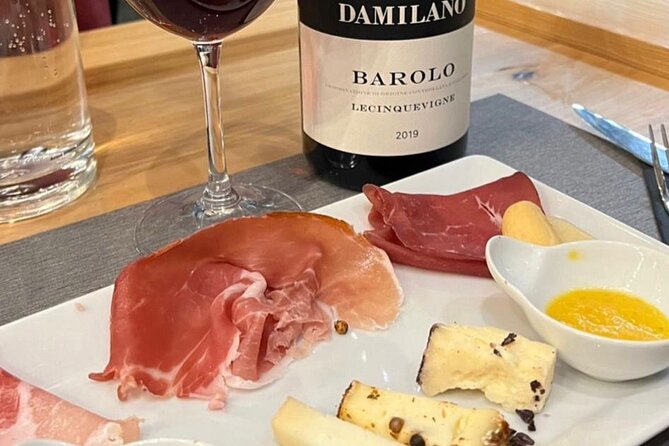
Dessert stays the same: cheesecake or chocolate cake. Beverage is where Gold really changes the mood: you get a glass of Barolo (or you can choose a soft drink, coffee, or tea instead).
Gold is the better fit if you want the full Roman-restaurant arc: pasta into main meat or seafood, then dessert, with wine doing the heavy lifting.
Worth a look next to this Rome booking:
What You’ll Eat: Roman Classics, Not Just Roman-Sounding Dishes
Let’s talk about the menu in practical terms—what each dish usually means, and why it matters in Rome.
Amatriciana: tomato, pork, and pecorino
Paccheri amatriciana is built on a smoky, savory combo: pork with tomato sauce and pecorino cheese. It’s the kind of pasta that makes you understand why Roman comfort food isn’t all about butter and cream. The portioning matters here; the experience is known for being generous, and that helps you feel like you got your money’s worth.
Cacio e pepe: cheese + black pepper done right
Tonnarelli cacio e pepe is simple on paper, but it’s hard to mess up when the kitchen knows what it’s doing. You’re tasting the balance: sharp pecorino notes and black pepper heat, without the dish turning heavy. If you’re the type who likes to judge a restaurant by how it handles “few ingredients,” this is a good test.
Carbonara: eggs and pecorino with pork
Rigatoni carbonara typically means pork, eggs, pecorino, and black pepper—no overthinking required. The biggest thing to look for is texture: the sauce should cling, not turn into scrambled-egg chaos. This menu version is exactly the classic building blocks you want on a Roman night, and the carbonara is a standout in feedback.
Meatballs with the chef’s sauce: comforting start energy
Gold’s first course includes meatballs with the chef’s sauce. This gives you something hearty before pasta or before the main protein choice. If you want an easy entry point, it’s a solid option.
Supplì, calamari, and other starter choices
For the starter choices, you can run into options like:
- The secret of supplì (fried)
- Fried cod fillets in batter
- Smoked salmon marinated with apples
- Fried calamari
This is where the meal gets fun. Fried starters are Rome-friendly because they keep you satisfied without waiting forever for a big plate. Smoked salmon with apples is also a reminder that the restaurant isn’t afraid to add a twist—still Italian, just more interesting than plain old fried seafood.
The Gold mains: truffle, aged balsamic, or seafood
Gold’s second course is where you can steer your evening:
- If you want a more luxurious, aromatic bite, choose the sirloin with cream of Parmigiano and white truffle.
- If you prefer deep, tangy sweetness, pick the sirloin with balsamic vinegar aged 12 years.
- If you want something lighter and very Roman-seasoned, go roasted octopus with celeriac.
- If you’d rather stick with familiar seafood, roasted cod with seasonal vegetables is a safe bet.
Service and Pacing: What 5-Star Looks Like in This Room
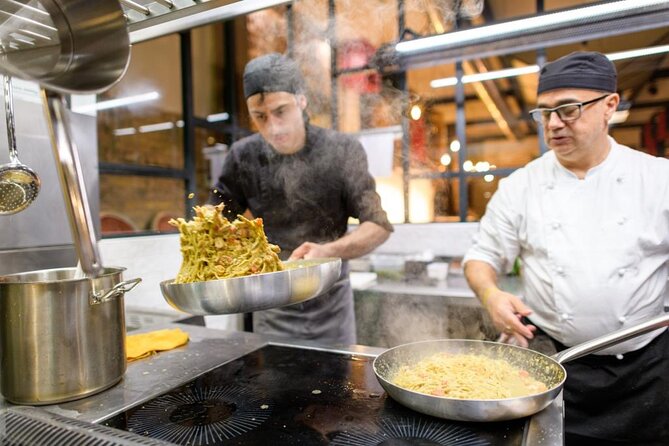
The biggest practical win here is pacing. A lot of meal experiences fail because courses arrive too fast or too slow, and you feel like you’re being herded. Here, the rhythm is part of what people love: you get a clear start, then the courses flow with the expectation that you’ll actually enjoy the next plate, not just survive to the dessert.
You may also notice how the staff keeps things relaxed while staying professional. Feedback specifically calls out waiters like Sid, Patrick, and Jack for being funny, attentive, and warm. Even if you don’t meet those exact names, the point holds: service is set up to feel personal, not robotic.
Another small detail that matters: after dinner, leftovers can be wrapped and you might even get a little final extra like limoncello shots. That’s not required by travel, but it’s a sign that the restaurant treats the whole experience like it ends well, not just with a bill.
Timing It Right: 1 Hour 15 Minutes That Actually Works
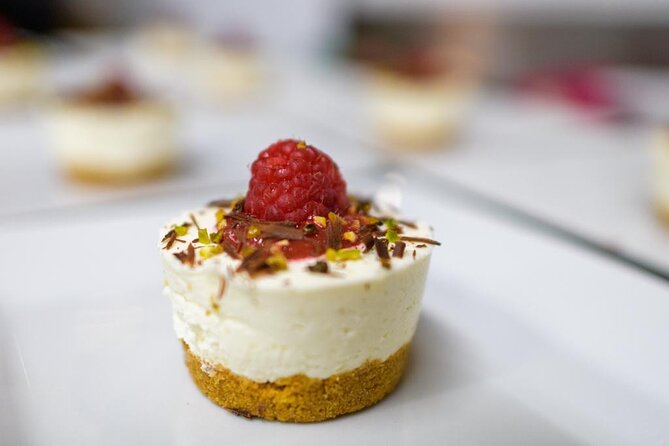
Your meal runs about 1 hour 15 minutes. That’s short enough to fit into a day packed with sights, but long enough to feel like you sat down and had a real dinner.
You also get multiple lunch and dinner slots, which is hugely helpful if you’re coordinating with a Vatican visit. The location makes this a strong plan option:
- Lunch before you head out for museums
- Dinner after a long day when you’re hungry but tired of searching
The fixed menu format is also a time-saver. You’re not hunting for what to order, translating descriptions in your head, and waiting while everyone else decides. Instead, you pick your menu option (Bronze or Gold) and your course choices, and then you’re off.
Possible drawback: because it’s timed and menu-led, it’s not the move for a long, slow, wine-tasting evening. If you want to linger for two hours or more, you’ll likely feel a bit rushed. Plan this when your day can flow around dinner.
Near the Vatican: Getting There Without a Headache
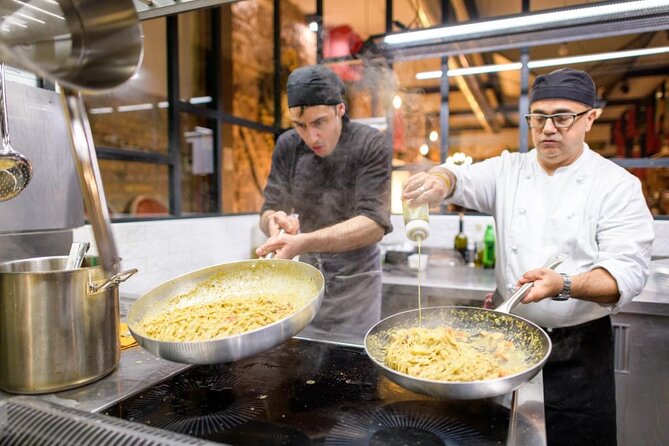
The meeting point is at Il Segreto, Via Candia 71, 00192 Roma. It’s also noted as being near public transportation, which matters in Rome. If you’re relying on buses or metro connections, that’s a big practical advantage.
Also, this is offered in English, which makes a difference when you’re trying to confirm your order quickly. You’ll have a mobile ticket, so you’re not juggling paper.
The room is built for a small group—maximum 20 travelers—so you won’t feel like you’re in a food-court line. That helps with both pacing and service attention.
If you’re traveling with someone who gets stressed when schedules change, this structure is a calming way to eat well without gambling on finding a walk-in table at the right time.
Price and Value: Is $30.04 Worth It?
At $30.04 per person, this is priced for what it includes, not for what you might imagine you’re getting. The value is strongest when you think about three things:
- You’re paying for set-course certainty. In Rome, good meals don’t always come with easy reservations. Pre-booking is part of the cost equation, and it usually pays off in reduced stress.
- You’re paying for two or three courses plus a beverage plan. Bronze includes a beverage choice tied to Prosecco or non-alcohol options. Gold includes Barolo or non-alcohol options. That’s not just “a drink on the side”—it changes the dinner experience.
- You’re paying for service and kitchen execution. The menu includes Roman pasta staples like carbonara and cacio e pepe, plus mains like octopus, cod, and sirloin options on Gold. This is not a bargain-basement meal. It’s trying to deliver a restaurant night, not a snack stop.
If you’re a food-first traveler who wants a reliable Roman dinner in a short window, this is a strong value. If you’re someone who wants full freedom to customize everything, you may find better value elsewhere. But for most visitors, set-course structure is the whole point.
Who This Dinner Fits Best (and Who Might Skip It)
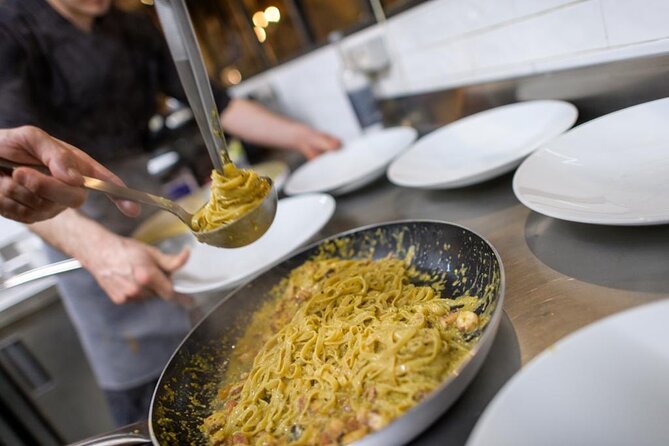
This is a great match if you:
- Want an authentic Roman meal without translating every menu line
- Prefer a pre-booked dinner over hunting for availability
- Like the idea of choosing from Roman classics that a kitchen is clearly set up to execute well
- Want wine with your meal and a service team that keeps things smooth
You might skip it if:
- You want a long evening (this is about 75 minutes)
- You prefer a totally flexible à la carte menu
- You’re extremely picky and need lots of customization
Should You Book This Roman Dinner Experience?
My take: if you want a Roman night that’s low stress and built around classic flavors, this is an easy yes. Bronze is the smarter pick for a quick, classic pasta-and-dessert dinner with Prosecco or non-alcohol options. Gold is the better pick when you want the full progression: Roman pasta starter, a more special main (truffle/aged balsamic or seafood), then dessert with Barolo.
Book it especially if you’re scheduling around the Vatican. Having a fixed, pre-booked dinner beats the “maybe we’ll find something” plan. And with a small group size, English support, and service that’s clearly set up to make the meal feel special, you’re buying more than food—you’re buying a smooth Roman dining experience.
FAQ
How long is the Roman restaurant dining experience?
It’s approximately 1 hour 15 minutes.
How much does it cost per person?
The price is $30.04 per person.
What’s the difference between the Bronze and Gold menus?
Bronze includes 2 courses, while Gold includes 3 courses. Bronze offers a choice of main course plus dessert. Gold adds a choice of first course and then a second course, plus dessert.
What beverages are included?
For Bronze, you get Prosecco and soft drink, or coffee or tea. For Gold, you get a glass of Barolo wine, or a soft drink, coffee, or tea.
Where do I meet for the experience?
The start is at Il Segreto, Via Candia, 71, 00192 Roma RM, Italy, and it ends back at the meeting point.
Is the experience offered in English?
Yes, it’s offered in English.
Is there free cancellation?
Yes. You can cancel for a full refund up to 24 hours in advance of the experience start time.
More Dinner Experiences in Rome
- Rome: Gourmet Food Tour with Dinner & Barolo Wine
★ 4.9 · 2,347 reviews - Pasta Making & Wine Tasting with Dinner in Frascati from Rome
★ 5.0 · 1,326 reviews - Rome Food Tour: Hidden Gems of Trastevere with Dinner & Wine
★ 5.0 · 1,166 reviews - Rome: Pasta Making with Wine Tasting and Dinner in Frascati
★ 4.9 · 979 reviews - Rome All in One: Trastevere Food Tour, Dinner & Drinks
★ 4.9 · 838 reviews - Night Tour of Rome with Local Pizza Dinner and Gelato Experience
★ 4.5 · 780 reviews
More Dining Experiences in Rome
- Rome: Gourmet Food Tour with Dinner & Barolo Wine
★ 4.9 · 2,347 reviews - Pasta Making & Wine Tasting with Dinner in Frascati from Rome
★ 5.0 · 1,326 reviews - Rome Food Tour: Hidden Gems of Trastevere with Dinner & Wine
★ 5.0 · 1,166 reviews - Rome: Pasta Making with Wine Tasting and Dinner in Frascati
★ 4.9 · 979 reviews - Rome All in One: Trastevere Food Tour, Dinner & Drinks
★ 4.9 · 838 reviews - Night Tour of Rome with Local Pizza Dinner and Gelato Experience
★ 4.5 · 780 reviews
More Tour Reviews in Rome
- Vatican Museums, Sistine Chapel & St. Peter’s Basilica Tour
★ 4.3 · 73,970 reviews - Vatican Museums, Sistine Chapel & St Peter’s Basilica Guided Tour
★ 4.5 · 39,149 reviews - Rome: Colosseum, Palatine Hill and Roman Forum Guided Tour
★ 4.8 · 32,814 reviews - Rome: Guided Tour of Colosseum, Roman Forum & Palatine Hill
★ 4.7 · 27,897 reviews - Rome: Colosseum & Forum with Audio Guide App -Optional Arena
★ 4.2 · 24,770 reviews - Rome: Colosseum, Roman Forum and Palatine Hill Guided Tour
★ 4.5 · 23,903 reviews
Just added to our Rome reviews





Dinner Experiences, compared.
 ★ 4.9Gourmet Food Tour with Dinner & Barolo WineFrom $772,347 reviews
 ★ 5.0Pasta Making & Wine Tasting with Dinner in Frascati from RomeFrom $451,326 reviews
 ★ 5.0Rome Food Tour: Hidden Gems of Trastevere with Dinner & WineFrom $521,166 reviews
 ★ 4.9Pasta Making with Wine Tasting and Dinner in FrascatiFrom $35979 reviews
 ★ 4.9Rome All in One: Trastevere Food Tour, Dinner & DrinksFrom $93838 reviews
 ★ 4.5Night Tour of Rome with Local Pizza Dinner and Gelato ExperienceFrom $237780 reviews
 ★ 4.1Italian Opera Concert and Traditional DinnerFrom $94453 reviews
 ★ 5.0Rome Pantheon: Fine Food & Wine Pairing Dinner with SommelierFrom $145283 reviews
Browse the lists this tour appears in