
Reviewed · ROME
Rome: Angels and Demons, the illuminati path
Rome turns into a puzzle on this walk. It’s a tight Angels and Demons route that uses real Rome landmarks as plot anchors, from St. Peter’s Square to Bernini’s church art. I like the way the guide ties the eerie novel tone to what’s actually on the stone and marble, so you’re not just sightseeing, you’re reading the city like a clue trail.
Two big wins for me: the stop-by-stop focus on iconic Roman landmarks, and the human touch of a guide who handles questions well. One potential drawback: it’s only 2 hours, so each location gets a quick, guided highlight rather than long independent time to roam.
In This Review
- Quick hits: what you’ll remember from this Illuminati-style route
- Starting at St. Peter’s Square: the story begins where it feels real
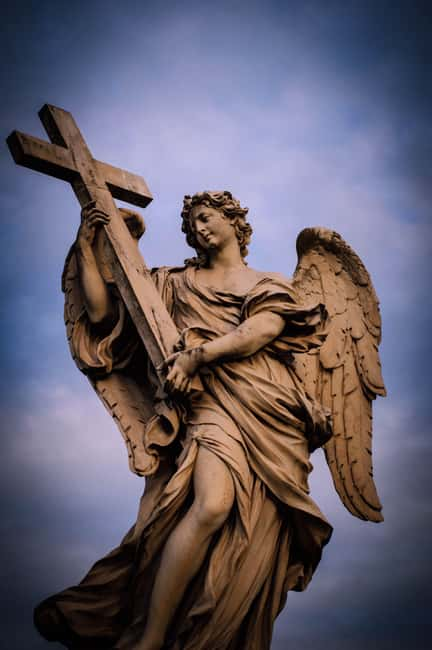
- Castel Sant’Angelo: the Tiber fortress stop you won’t forget
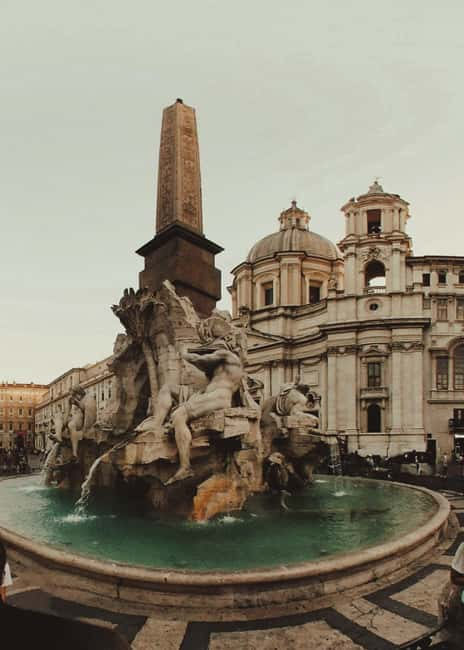
- Piazza Navona and the Four Rivers Fountain: art you can actually see
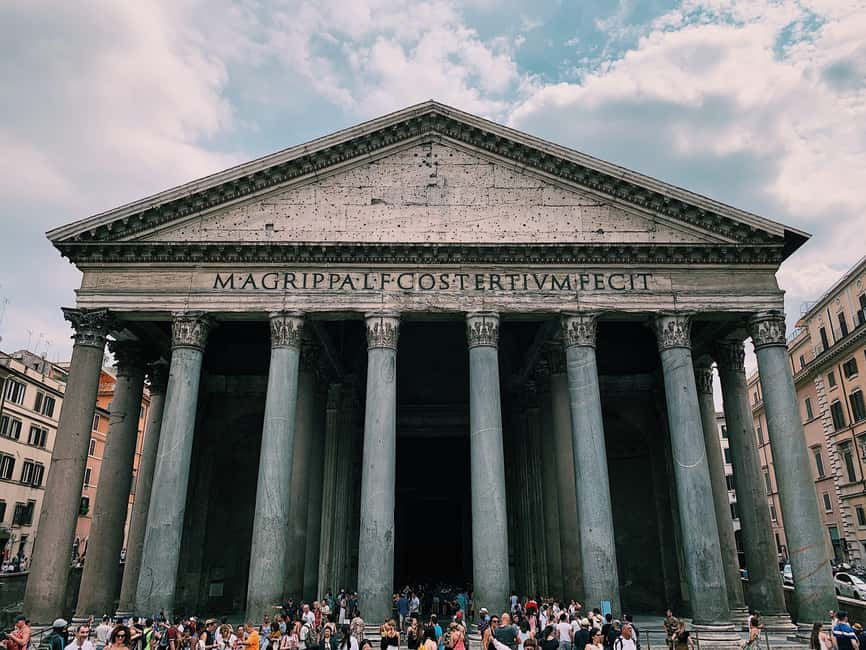
- Pantheon: Agrippa, legends, and a dome you can’t ignore
- Santa Maria della Vittoria: the Bernini finish that ties the mood together
- Price and value for a $66, 2-hour Rome hit
- The guide factor: why this tour can swing from fun to flat
- Who should book this Rome Angels and Demons walk
- Should you book the Angels and Demons path in Rome?
- FAQ
- How much does the Rome: Angels and Demons tour cost?
- How long is the tour?
- Where do we meet?
- Where does the tour end?
- What major sights are included?
- How big is the group?
- What languages are the tours offered in?
- What’s included in the price?
- What’s not included?
- Is there free cancellation and can I pay later?
- Is the tour suitable for wheelchair users?
Quick hits: what you’ll remember from this Illuminati-style route
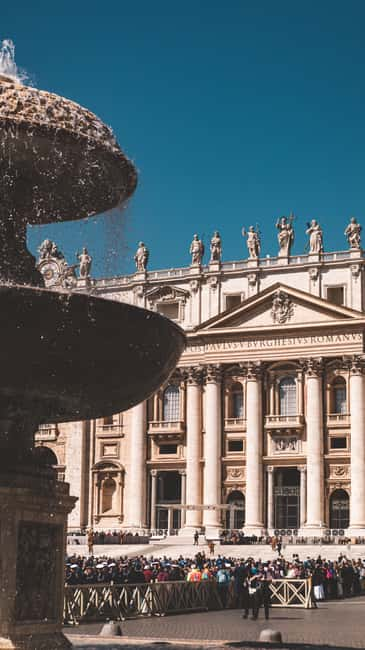
- St. Peter’s Square + Bernini vibes: you start at the spiritual heart with scenes that feel made for the story.
- Castel Sant’Angelo as a “suspense” landmark: a fortress moment with Tiber River drama built in.
- Piazza Navona’s Four Rivers Fountain details: you’ll know what you’re looking at, not just where it is.
- The Pantheon’s dome and Agrippa lore: one of Rome’s most recognizable symbols, explained.
- Santa Maria della Vittoria and Ecstasy of Saint Teresa: a very specific Bernini payoff to close the loop.
Starting at St. Peter’s Square: the story begins where it feels real
You meet at the Obelisco in Piazza San Pietro. Even if you’re not trying to follow every plot beat, this is a powerful way to orient yourself: the space is designed for drama, and the guide leans into that.
You’ll spend time in and around St. Peter’s Square, with a focus on the grand Basilica of St. Peter and the square’s famous Bernini design. The best part here is how the tour uses location to set mood. When the guide explains the role of this holy place in the narrative world, the architecture stops being background and starts acting like evidence.
Practical note: bring comfy shoes and a water plan. You get a bottle of water with the tour, but Rome can still be warm, and your feet do the rest of the work.
Weighing this one up? Here is how a few Rome favourites compare:
- Vatican Museums, Sistine Chapel & St. Peter’s Basilica Tour
★ 4.3 · 73,970 reviews - Vatican Museums, Sistine Chapel & St Peter’s Basilica Guided Tour
★ 4.5 · 39,149 reviews - Rome: Colosseum, Palatine Hill and Roman Forum Guided Tour
★ 4.8 · 32,814 reviews - Rome: Guided Tour of Colosseum, Roman Forum & Palatine Hill
★ 4.7 · 27,897 reviews
Castel Sant’Angelo: the Tiber fortress stop you won’t forget
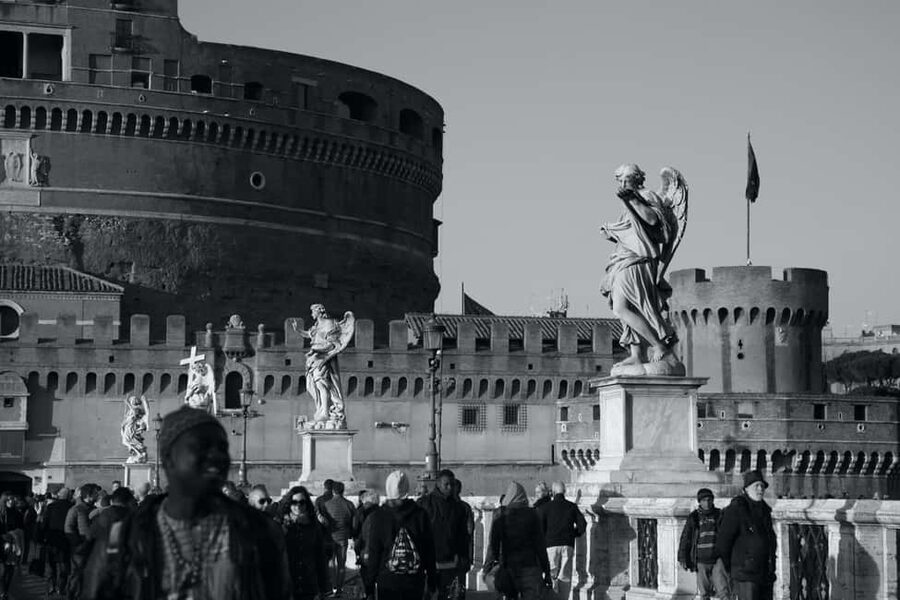
From Vatican-area energy, you head toward Castel Sant’Angelo, where you get a photo moment and guided time at the fortress overlooking the Tiber River. This is one of those Rome stops that feels instantly cinematic. The structure’s scale and position do a lot of the storytelling for you.
In this tour, Castel Sant’Angelo isn’t treated like a random castle. It’s framed as a major plot location: a hiding place and sanctuary during an escape. That framing matters, because it gives you a reason to look at the fortress as more than a landmark. You start noticing the defensive posture, the way the building sits above the river, and why it would make sense as a refuge in a chase.
If you’re a Dan Brown fan, this is the moment where the “thriller geography” clicks. If you’re not, it’s still a strong “how Rome stayed in control” story, told through stone and placement.
Piazza Navona and the Four Rivers Fountain: art you can actually see
Next comes Piazza Navona, one of the most iconic squares in Rome, and a place that feels active even when the crowds are moving slowly. You get a photo stop and a short guided visit, which works because Piazza Navona is built for people-watching and visual reading.
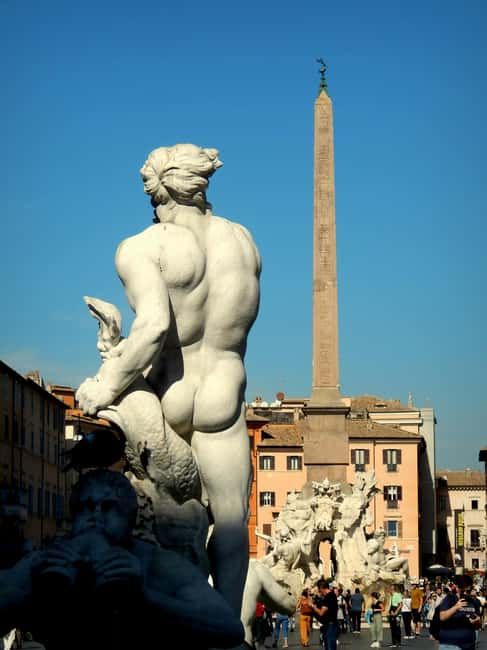
The highlight here is the Fountain of the Four Rivers, designed by Gian Lorenzo Bernini. The guide helps you pay attention to what’s easy to miss when you’re just snapping pictures: the composition, the sculptural drama, and the way the fountain dominates the square visually.
This is also where the tour style is at its best: it connects symbolism and story tone to real artistic choices. Instead of treating the novel themes like fantasy, you’re shown how Baroque art uses motion, contrast, and character-like figures to communicate big ideas.
Quick tip: don’t stand too far back. The fountain is impressive from a distance, but you’ll get more out of it if you’re close enough to spot the details the guide points out.
Pantheon: Agrippa, legends, and a dome you can’t ignore
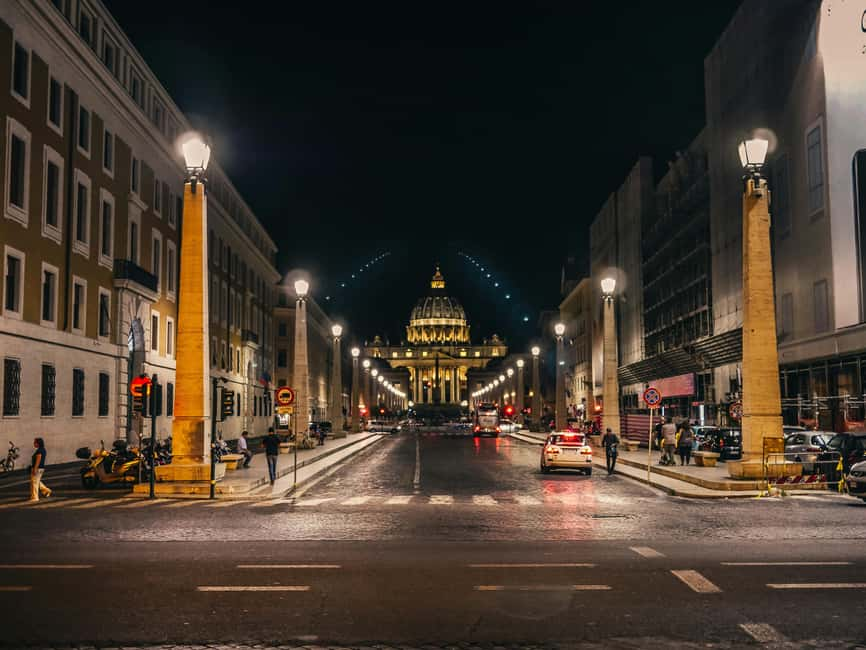
Then it’s the Pantheon, and this stop is the one that tends to win people over even if they came for the thriller angle. You’ll spend time with photo stop + guided visit at a monument that’s both ancient and still functioning as a Roman reference point.
What makes the Pantheon special on this tour is the dual focus: you get the iconic look (that dome) and also the legends and associations the building carries. The guide references Agrippa and the site’s long tradition of stories, and it’s a good reminder that Rome’s “plot points” often have multiple layers: ancient design, later interpretations, and the way people keep re-reading the place.
A dome like this is hard to photograph without it looking weirdly small. But when someone points out what to look for, you suddenly understand how it was made to work—how the interior space feels engineered for awe and scale.
Practical consideration: if you’re hoping for tons of unstructured time inside, this isn’t that kind of tour. Your time is guided, so you’ll see the essentials and the explanations, but you won’t have hours to wander on your own.
Santa Maria della Vittoria: the Bernini finish that ties the mood together
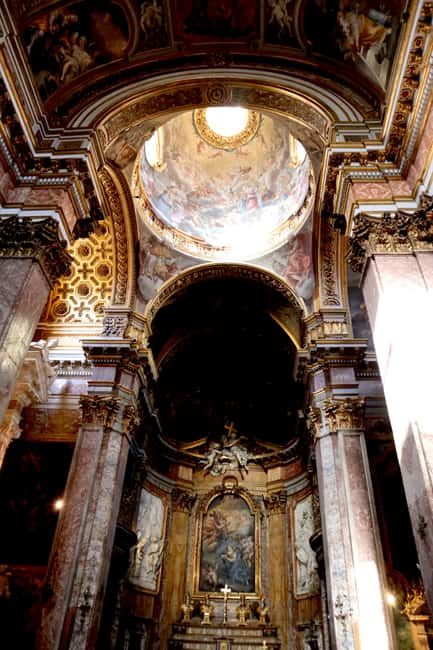
The tour closes at Santa Maria della Vittoria, a famous Baroque church. You spend about 20 minutes here for photo stop and guided visit, and you’ll focus on Bernini’s Ecstasy of Saint Teresa.
This is a smart way to end, because it shifts you from exterior drama into a very specific art moment. Ecstasy is not a subtle subject, and the guide helps you interpret what you’re seeing instead of letting it blur into “pretty Baroque.” Even if you’re not religious, you can still appreciate how theater-like sculpture can communicate emotion—big time.
When the tour finishes, you end in the direction of Repubblica. It’s a useful area for grabbing a drink or gelato afterward, and it’s far enough from Vatican-area chaos that you can reset.
Price and value for a $66, 2-hour Rome hit
At $66 per person for a 2-hour small group (limited to 10 participants), the value depends on what you want.
If you want a quick, guided “best-of” storyline, this is priced for that. You’re hitting multiple world-famous landmarks in one go: St. Peter’s Square, Castel Sant’Angelo, Piazza Navona and the Four Rivers Fountain, the Pantheon, and Santa Maria della Vittoria. That’s a lot of visual big hitters for a short window.
If you want a slow, deep museum-style experience—long time to sit, read, and explore on your own—this will feel too brisk. The tour is designed for momentum. You’re trading extra free time for guided connections, which is exactly why Dan Brown fans tend to like it.
One more value note: you get a bottle of water, and the tour is focused on guided outdoor/exterior viewing plus targeted church time. That keeps the experience simple and efficient.
The guide factor: why this tour can swing from fun to flat
This kind of tour lives or dies on the person holding the group.
In the good-case scenario, the guide is patient and keeps the energy up. There’s an example of a guide named Felice with a calm, question-friendly style. He’s also described as accommodating for a 10-year-old, which tells me the tour can work for families if the guide is able to adjust pacing and language.
In the less-good-case scenario, you might feel like the walking is happening faster than the story details. Since this tour mixes fiction-inspired themes with art-and-architecture interpretation, the guide needs to connect the two clearly. If you’re very strict about that balance, you’ll want to choose based on language comfort and expectation.
Who should book this Rome Angels and Demons walk
This tour is a great fit if:
- You like Dan Brown-style story vibes, but you also want real place-based context.
- You’d rather get a guided “what this means” than do Rome with nothing but a map.
- You enjoy short, high-impact walks that hit several famous sights without committing to a full day.
It might not be your best match if:
- You hate tight timelines and want lots of unscheduled time at each stop.
- You need step-by-step access planning and long interior visits. This tour is built around guided highlights and a short overall duration.
- Mobility is a concern. The tour is listed as not suitable for wheelchair users.
Should you book the Angels and Demons path in Rome?
Yes, if you want a compact, memorable Rome route where the landmarks are explained in a way that fits the thriller mood. Starting at St. Peter’s Square and ending at Santa Maria della Vittoria gives you a complete arc: Vatican scale, fortress suspense, Baroque spectacle, then a focused Bernini payoff.
Before you book, set your expectations: this is not a long-form, slow-history lecture. It’s a 2-hour walking tour with guided stops at major sites, plus the symbolism/story thread that ties them together.
If that sounds like your kind of Rome day, this one is likely worth it.
FAQ
How much does the Rome: Angels and Demons tour cost?
The price is $66 per person.
How long is the tour?
The experience lasts 2 hours.
Where do we meet?
You meet in front of the Obelisco in Piazza San Pietro.
Where does the tour end?
The tour finishes at Repubblica.
What major sights are included?
You visit St. Peter’s Square, Castel Sant’Angelo, Piazza Navona (including the Fountain of the Four Rivers), the Pantheon, and Santa Maria della Vittoria.
How big is the group?
It’s a small group, limited to 10 participants.
What languages are the tours offered in?
The live guide offers English and Italian.
What’s included in the price?
Included items are a bottle of water and exterior visit time.
What’s not included?
Transport and food are not included.
Is there free cancellation and can I pay later?
The tour offers free cancellation up to 24 hours in advance for a full refund, and you can reserve now & pay later.
Is the tour suitable for wheelchair users?
No. It is listed as not suitable for wheelchair users.
More Tour Reviews in Rome
- Vatican Museums, Sistine Chapel & St. Peter’s Basilica Tour
★ 4.3 · 73,970 reviews - Vatican Museums, Sistine Chapel & St Peter’s Basilica Guided Tour
★ 4.5 · 39,149 reviews - Rome: Colosseum, Palatine Hill and Roman Forum Guided Tour
★ 4.8 · 32,814 reviews - Rome: Guided Tour of Colosseum, Roman Forum & Palatine Hill
★ 4.7 · 27,897 reviews - Rome: Colosseum & Forum with Audio Guide App -Optional Arena
★ 4.2 · 24,770 reviews - Rome: Colosseum, Roman Forum and Palatine Hill Guided Tour
★ 4.5 · 23,903 reviews




