
Reviewed · ROME
“Rome: A Timeless Journey Through Classical Splendor”
Rome is a lot. This tour helps you make sense of it fast. You start near the basilica area, then work your way through the classic power-and-glory zones of ancient Rome. You’ll see the Colosseum from a smart angle, learn what Capitoline Hill and Michelangelo’s design changed, and get day-to-day Forum context instead of just stone names.
I like that the route is built for orientation. Rome can feel like a maze of streets and eras. Here, the guide ties sights together so you’re not just taking pictures—you’re following the story. I also love the value: at about $6 for a 1.5–2 hour guided walk, it’s an affordable way to get real context without blowing your budget.
One thing to consider: this is a walking tour with real crowds and outdoor time. If it’s hot or loud, wear good shoes and plan for patience while you listen. Also, bring a mindset of flexibility—some small tours can be affected by minimum-group numbers.
In This Review
- Key points at a glance
- Why the Colosseum area is the best Rome first draft
- Meeting at Piazza di San Marco: getting your bearings without fuss
- Piazza Venezia: a square that explains Rome’s layout
- Campidoglio and Capitoline Hill: Michelangelo’s square over ancient power
- Foro Romano: seeing daily life where empire stories usually go
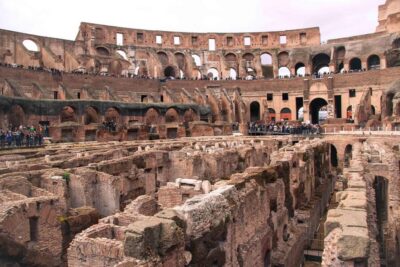
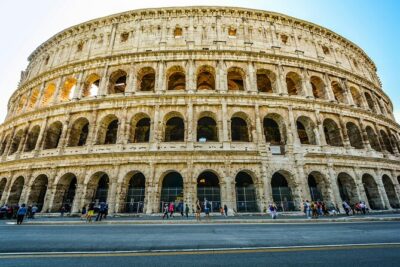
- The Colosseum area finish: gladiator stories and the best photo logic
- Price, guides, and what $6 really buys you
- What I’d expect from the guide experience (and how to get the most out of it)
- How to handle Rome walking days (heat, noise, and your shoes)
- How long is it, and who this tour fits best
- Should you book this Rome Colosseum walking tour?
- FAQ
- How long is the Rome Colosseum walking tour?
- What time does the tour start?
- Where do I meet the guide?
- Where does the tour end?
- Is the tour offered in multiple languages?
- What’s included in the price?
- What’s not included?
- What is the cancellation policy?
Key points at a glance
- Colosseum-area focus that turns scattered monuments into one clear storyline
- Capitoline Hill + Michelangelo’s square for a top-down view of how Rome layers time
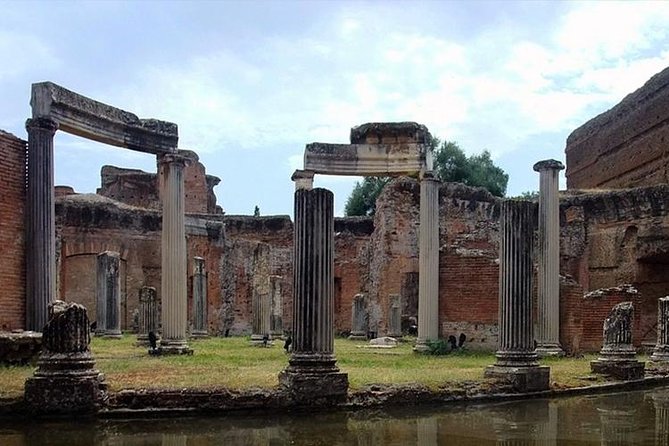
- Foro Romano daily-life context (not just dates and names)
- Small group size (max 30) so questions stay possible
- Available in multiple European languages for broader comfort and clarity
- Great budget pricing for a guided, structured walk
Why the Colosseum area is the best Rome first draft
If you want Rome to click in your head, start where the city stacks its big ideas close together. This tour keeps you in the heart of ancient Rome, centered around the Colosseum area. That matters because Rome’s best monuments don’t sit politely in a museum grid. They’re spread out, and every stop changes the angle of your understanding.
You’ll get the “why” behind what you’re looking at. That’s the difference between seeing a famous amphitheater and actually understanding how gladiators fit into Roman culture. Same for the Forum: once you hear how people lived around it, the stones feel less dead and more like a working civic center.
Weighing this one up? Here is how a few Rome favourites compare:
- Vatican Museums, Sistine Chapel & St. Peter’s Basilica Tour
★ 4.3 · 73,970 reviews - Vatican Museums, Sistine Chapel & St Peter’s Basilica Guided Tour
★ 4.5 · 39,149 reviews - Rome: Colosseum, Palatine Hill and Roman Forum Guided Tour
★ 4.8 · 32,814 reviews - Rome: Guided Tour of Colosseum, Roman Forum & Palatine Hill
★ 4.7 · 27,897 reviews
Meeting at Piazza di San Marco: getting your bearings without fuss
The tour begins at Piazza di S. Marco, 48 (near the basilica san marco). The meeting spot is practical: it’s in the central area and listed as being near public transportation. That’s a big deal on a city where “one bus away” can still mean “three neighborhoods away” on foot.
Starting in this part of the core gives you a gentle warm-up. Instead of launching straight into the loudest crowd chaos, you build momentum along the route toward the grand ancient sites. It’s the kind of start that makes the rest of the walk easier to enjoy.
Tip: arrive a few minutes early. Even when a guide is good, Rome is good at hiding meeting points in plain sight.
Piazza Venezia: a square that explains Rome’s layout
Next up is Piazza venezia. This stop helps you understand how Rome is organized visually. Squares in Rome aren’t just open space; they’re stage settings. They show you where sightlines lead and how key buildings “pull” people through the city.
Think of Piazza Venezia as your map in real life. Once you stand here, the rest of your route feels more logical. You’re not guessing which direction is “toward the old stuff.” You’re moving with purpose.
What you’ll get from a good guide: not a history lecture dump, but the kind of connections that help you read the city later on your own.
Campidoglio and Capitoline Hill: Michelangelo’s square over ancient power
Campidoglio is where the view starts to matter. This is Capitoline Hill, one of ancient Rome’s most important sites, and it’s also home to a square designed by Michelangelo. That blend is a gift for your brain: you get to see how later artists and planners took an ancient location and gave it a new public face.
From this stop, you’ll better understand Rome as a layered city. Ancient power wasn’t wiped out—it was remodeled, reused, and re-framed. When you connect Michelangelo’s design to the hill itself, you start noticing why people keep building on the same commanding ground.
One practical consideration: Campidoglio can get busy. If you want photos, be ready to work with the crowd rhythm rather than fighting it.
Foro Romano: seeing daily life where empire stories usually go
Foro romano is the heart of the “people lived here” lesson. Yes, it’s full of ruins. But the real value of this stop is the daily-life angle. Instead of treating the Forum like a set of isolated attractions, the guide helps you imagine how civic life ran around these spaces.
That changes everything. A lot of visitors arrive with a gladiator mindset only. After hearing the Forum context, gladiators don’t feel random. You start to see entertainment as part of a broader cultural system—politics, public identity, and social status all tangled up together.
If you’re the type who gets bored with “and then this happened in 27 B.C.,” you’re in luck. This tour’s emphasis is on what it meant, not just what year it happened.
The Colosseum area finish: gladiator stories and the best photo logic
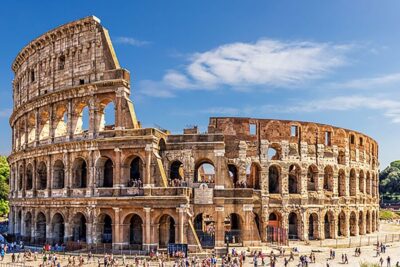
The tour ends at Piazza del Colosseo, in front of the Colosseum. That end point is useful because it puts you exactly where you’ll want to linger on your own afterward, whether that means taking photos or just soaking in the scale.
You’ll also hear about gladiators outside the Colosseum. That’s a smart pairing. The story lands better when your eyes are already on the place. You’re not learning about gladiators from a faraway context. You’re standing in the neighborhood where the spectacle became a Roman language of power.
Photo note (real talk): the Colosseum is photographed from lots of angles, and the best ones often mean waiting for the crowd to shift. Don’t rush. If you’re patient, you’ll get clearer frames and calmer moments.
Price, guides, and what $6 really buys you
At around $6, this tour is positioned as budget-friendly. That price matters because guided orientation is usually what costs real money in Rome. Here, you’re buying structure: a planned walking route, a local guide, and a professional guide.
A small-group max of 30 travelers also helps. It’s not tiny, but it’s not the mega-group slog either. That size keeps the walk manageable and gives your guide a fighting chance to answer questions.
Now for the balanced bit: some people expect “free tour” vibes. If you’re watching for that, look closely at what you actually pay at booking. In similar Rome walk experiences, there can be a small signup fee even when the words free tour appear. With this one, your displayed price is clear, so just plan around that amount.
What I’d expect from the guide experience (and how to get the most out of it)
The guides here seem to win people over with enthusiasm and clear English. I’ve seen feedback praising guides like Riccardo, Pedro, Matteo, Sarah, and Vanessa for explain-it-like-you’re-smart storytelling. One standout detail from past experiences: guides often add practical, human side facts—what daily Roman life might have felt like, not just what emperors ordered.
You also want a guide who can handle the Rome reality: heat, noise, crowds. Feedback around guides taking people from shade to shade or working through the busiest sections suggests they aim to keep the tour moving without turning it into a sprint.
To get maximum value, do this:
- Ask questions when something doesn’t click.
- Use the Forum stop to ask what “daily life” means in that space.
- If you’re on your first day, tell the guide. They can steer you toward what’s worth prioritizing next.
How to handle Rome walking days (heat, noise, and your shoes)
This tour runs in all weather conditions, so treat it like a reliable outdoor plan. That means dress for sun or rain. Bring layers if you can—Rome weather likes to change its mind.
Footwear is non-negotiable. The route is built for walking through dense historic areas. Expect uneven surfaces, curb steps, and a lot of standing while the guide talks.
Also, plan for noise. Piazza Venezia and the Colosseum area draw crowds. If you want great audio, stand where your guide is speaking clearly, not where you’re hiding behind a monument for photos.
Small-but-smart admin tip: the chat function isn’t instant. If something changes (finding the meeting point, late arrival), call or message via WhatsApp as directed.
How long is it, and who this tour fits best
Duration is listed as about 1 hour 30 minutes to 2 hours. That’s a very workable length for a “first or second day in Rome” plan. It’s long enough to learn, short enough that you don’t feel trapped for half a day.
This tour fits best if you:
- want an orientation walk without museum tickets,
- like history with human context (how people lived and what spaces were for),
- are traveling on a tight budget,
- enjoy photo stops but don’t want a full “wander alone” day.
It may be less ideal if you want a quiet, slow pace or if standing for short talks repeatedly sounds exhausting. In that case, you might prefer a more flexible small-group format.
Should you book this Rome Colosseum walking tour?
Yes—if you want your Rome start to feel coherent. This tour is built around the exact area where most first-time confusion happens. You leave with a clearer mental map, a better sense of how spaces relate, and gladiator and Forum context that makes the Colosseum more than a photo backdrop.
Book it especially if you:
- want structured guidance for a short time window,
- like getting your bearings quickly in a crowded city,
- value affordability without going totally DIY.
Skip it (or book with extra planning) if you strongly dislike crowds, don’t tolerate outdoor walking well, or want deep, slow pacing with lots of time at each site.
If you do book, go in with one goal: don’t just look—connect. With the Forum and Capitoline Hill stops, the guide’s job is to help you read Rome like a story. And at this price, that’s a pretty good deal.
FAQ
How long is the Rome Colosseum walking tour?
It runs about 1 hour 30 minutes to 2 hours.
What time does the tour start?
The start time is 12:00 pm.
Where do I meet the guide?
The meeting point is Piazza di S. Marco, 48, 00186 Roma RM, Italy.
Where does the tour end?
The tour ends at Piazza del Colosseo, 00184 Roma RM, in front of the Colosseum.
Is the tour offered in multiple languages?
Yes. It’s available in a range of European languages.
What’s included in the price?
You get a local guide and a professional guide.
What’s not included?
Food and drinks are not included, and tips are not included.
What is the cancellation policy?
You can cancel for a full refund up to 24 hours in advance. If it’s canceled due to not meeting a minimum number of travelers, you’ll be offered a different date/experience or a full refund.
More Tour Reviews in Rome
- Vatican Museums, Sistine Chapel & St. Peter’s Basilica Tour
★ 4.3 · 73,970 reviews - Vatican Museums, Sistine Chapel & St Peter’s Basilica Guided Tour
★ 4.5 · 39,149 reviews - Rome: Colosseum, Palatine Hill and Roman Forum Guided Tour
★ 4.8 · 32,814 reviews - Rome: Guided Tour of Colosseum, Roman Forum & Palatine Hill
★ 4.7 · 27,897 reviews - Rome: Colosseum & Forum with Audio Guide App -Optional Arena
★ 4.2 · 24,770 reviews - Rome: Colosseum, Roman Forum and Palatine Hill Guided Tour
★ 4.5 · 23,903 reviews




