
Reviewed · TOURS
Rome: A Journey Back in Time to the Roman Era, Half Day Tour
Rome gets quieter when you go underground. This half-day Roman adventure trades the Colosseum crowd for curated masterpieces and a calm walk through history, with Museo Nazionale Romano as the anchor and the planetary sundial inside Santa Maria degli Angeli as the finishing twist. I especially like that the tour turns big, intimidating “Ancient Rome” ideas into specific objects you can actually see up close. One thing to plan for: you’ll be doing real walking, and you must dress appropriately for the basilica (no shorts, no miniskirts, no uncovered shoulders), or you may not get in.
I also like the guide-style angle here. In the best versions of this tour, guides like Mohammed or Fabio slow things down and give context that makes the art feel connected to real people and real beliefs, not just name-and-date memorization. The tour runs in English and Italian, lasts about 3 hours, and it operates in all weathers, so you’ll want comfortable shoes ready for whatever the day brings.
In This Review
- Key highlights at a glance
- Half-day Roman time travel: what 3 hours really covers
- Museo Nazionale Romano at Palazzo Massimo alle Terme: art without the overload
- Underground spaces and places of worship: how the tour keeps you oriented
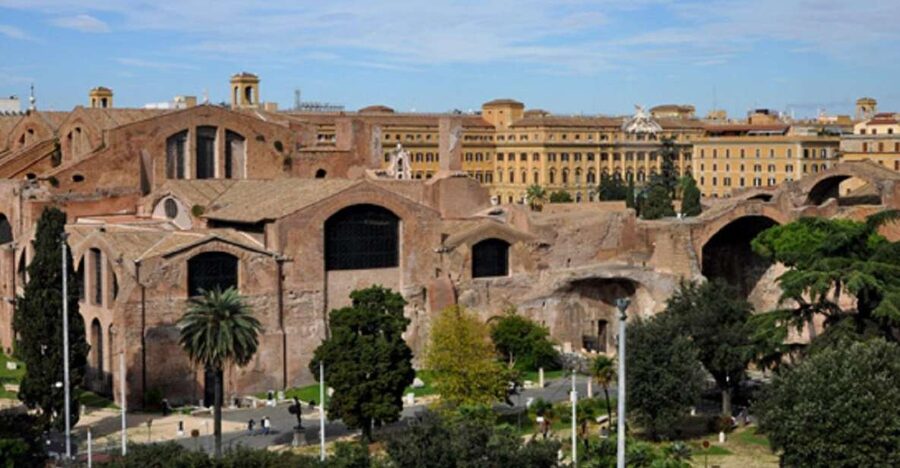
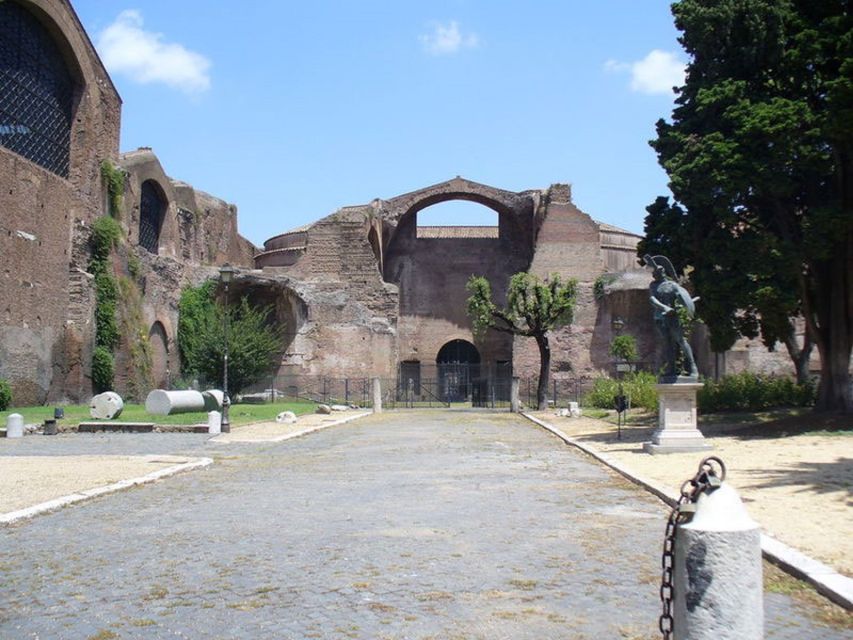
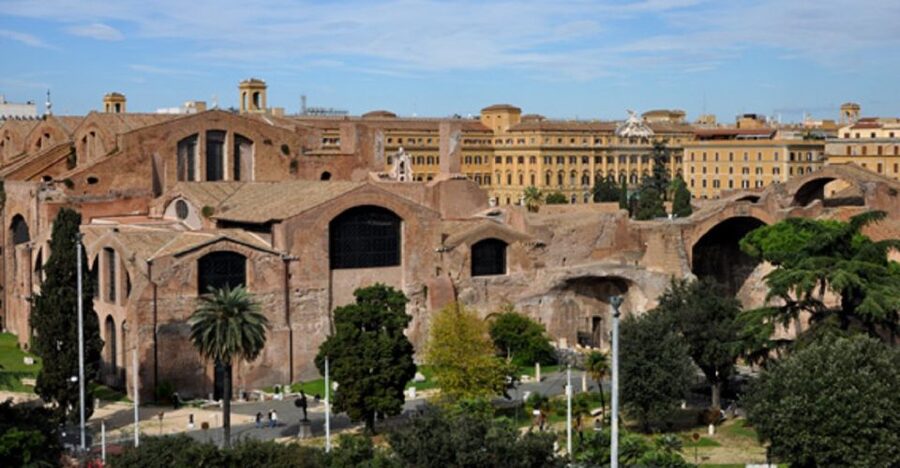
- Terme di Diocleziano: the restored courtyard and the Baths you can picture
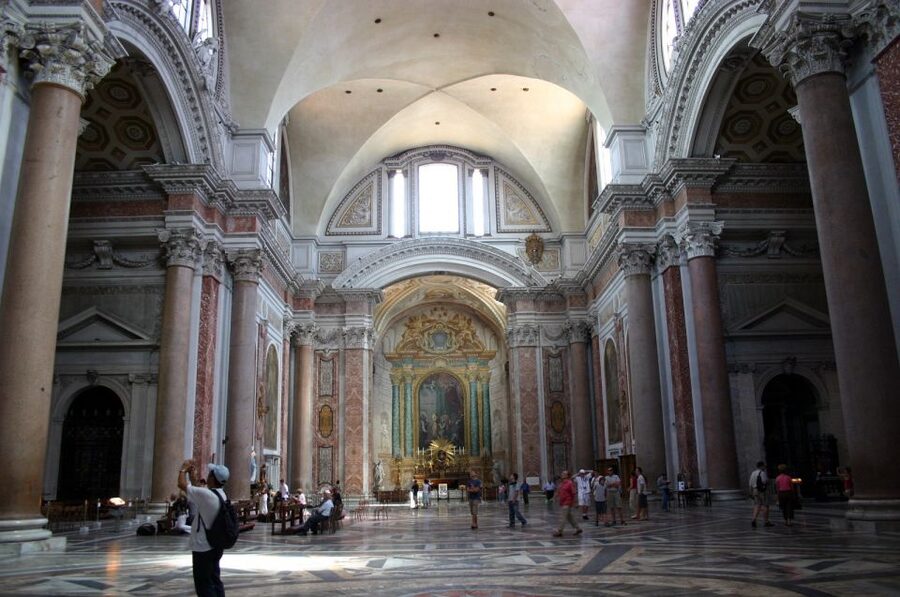
- Santa Maria degli Angeli: dress code matters, and the planetary sundial steals the show
- Price and value: is $167.66 worth it for 3 hours?
- Practical tips for a smoother walk and better photos
- Who should book this Roman-era half-day tour
- Should you book this tour?
- FAQ
- How long is the Rome: A Journey Back in Time to the Roman Era tour?
- What’s included in the price?
- Is hotel pickup provided?
- What languages is the tour offered in?
- What should I wear for the basilica stop?
- Does the tour run in bad weather?
Key highlights at a glance
- Museo Nazionale Romano focus: Roman statues, frescoes, mosaics, and tombs-type material, in a more manageable setting than the big-hit monuments.
- Under-and-around-the-city feel: you move through underground areas and sacred spaces rather than only standing in open squares.
- Diocletian Baths courtyard with Michelangelo ties: the restored courtyard makes the Baths easier to visualize than a pile of ruins.
- Santa Maria degli Angeli + science connection: you finish with the planetary sundial used to track day-night patterns across the seasons.
- Tight timing, big payoff: 3 hours is short enough to avoid fatigue, but long enough for a real guided flow.
- No hotel pickup: meet at the basilica area and keep your day simple.
Half-day Roman time travel: what 3 hours really covers
This is built for people who feel Rome is split into two modes: frantic “famous sites” and slower “what’s actually inside.” You get a guided run through three concentrated stops in roughly a morning block, moving from museum art to the Baths area to Santa Maria degli Angeli.
The good news: you’re not fighting traffic and long transfers. The route is compact, and the emphasis is on what Rome did with art, worship, and science when it was actively shaping everyday life. The not-so-good news: because it’s only about 3 hours, the pace stays active. If you need long pauses to rest your feet, you’ll want to plan extra buffer time before and after.
Weighing this one up? Here is how a few Rome favourites compare:
- Vatican Museums, Sistine Chapel & St. Peter’s Basilica Tour
★ 4.3 · 73,970 reviews - Vatican Museums, Sistine Chapel & St Peter’s Basilica Guided Tour
★ 4.5 · 39,149 reviews - Rome: Colosseum, Palatine Hill and Roman Forum Guided Tour
★ 4.8 · 32,814 reviews - Rome: Guided Tour of Colosseum, Roman Forum & Palatine Hill
★ 4.7 · 27,897 reviews
Museo Nazionale Romano at Palazzo Massimo alle Terme: art without the overload
If you’ve ever felt the Colosseum is so huge it kind of swallows everything else, this is the antidote. The tour’s museum focus is the answer to the question: where did the precious Roman art go?
At Palazzo Massimo alle Terme, you’ll get guided time in the collections that help explain Roman identity through what they collected and displayed. The museum visit isn’t just a checklist. You’re encouraged to look at how Roman art worked across different settings: imperial palaces, villas, everyday spaces, and burial contexts.
Here’s what makes this museum stop especially good for your time:
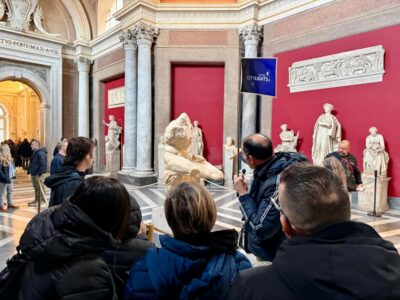
- You’ll see major sculpture examples tied to well-known works, including Myron’s Discobolus (Discus Thrower) and the Old Boxer.
- You’ll encounter wall painting and decorative work like frescoes from the Garden Villa of Empress Livia.
- You’ll also be shown mosaics and burial-related material, helping you connect the dots between “art” and how Romans lived, prayed, and remembered.
A quick reality check: this is a museum, so you’ll be inside for portions of the route. It’s still worth it, because the pay-off is seeing how Roman aesthetics survive behind museum walls instead of only hearing about them from outside ruins.
Underground spaces and places of worship: how the tour keeps you oriented
One of the smarter things about this tour is that it doesn’t treat Rome as just stone. Roman history here is experienced in layers: spaces below street level, sacred interiors, and the way religious buildings framed daily time.
That matters because it changes how you understand what you’re seeing. You stop asking only what the structure looks like and start noticing how it functioned. The tour includes both guided walking and photo stops, which means you can switch modes: look, learn, then quickly reset your brain with photos and short breaks.
If you’re the type who forgets everything the minute you get out your phone, take a different approach: use your camera for key “reference shots” (like inscriptions, ceiling details, or room layouts). That way, you’ll remember what you’re seeing when you’re back at your hotel later.
Terme di Diocleziano: the restored courtyard and the Baths you can picture
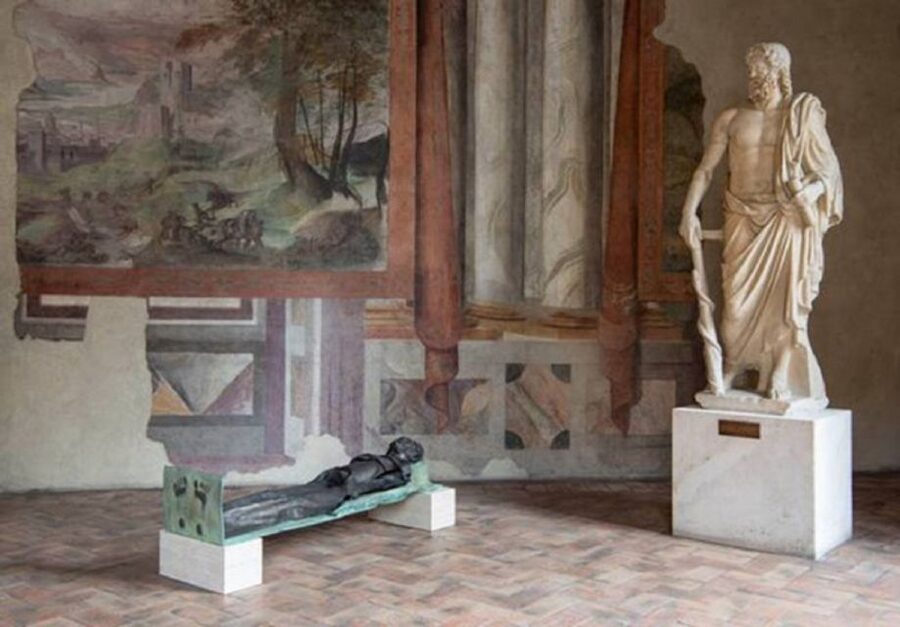
The Baths of Diocletian can feel like a historical blur if you just pass by what’s visible. This stop helps you visualize it.
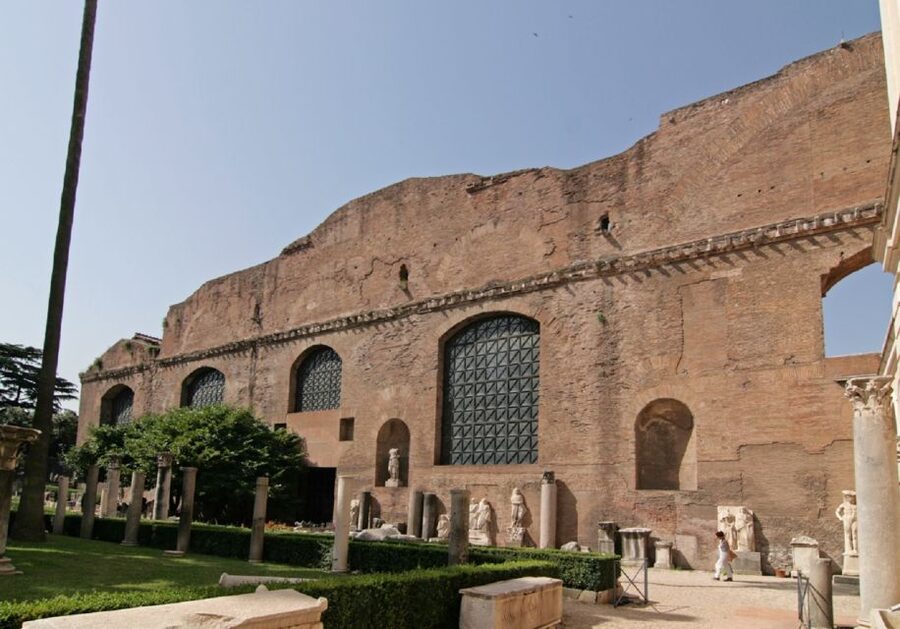
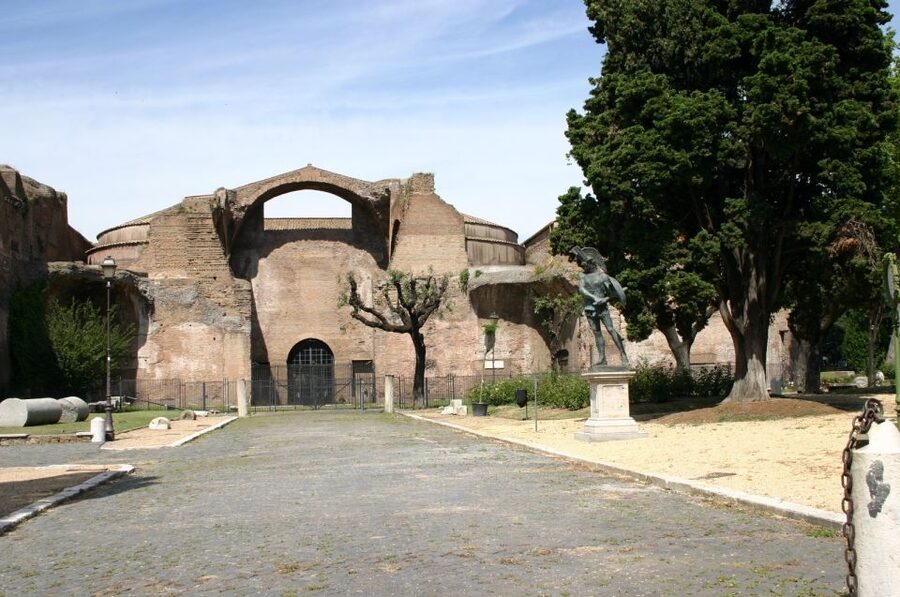
You’ll visit the Terme di Diocleziano area with guided time and walking, including photo breaks so the story can land. The big reason people love this stop is that it’s not only about remnants. The route makes the space feel alive, including an evergreen-wood type area connected to the old thermal grounds.
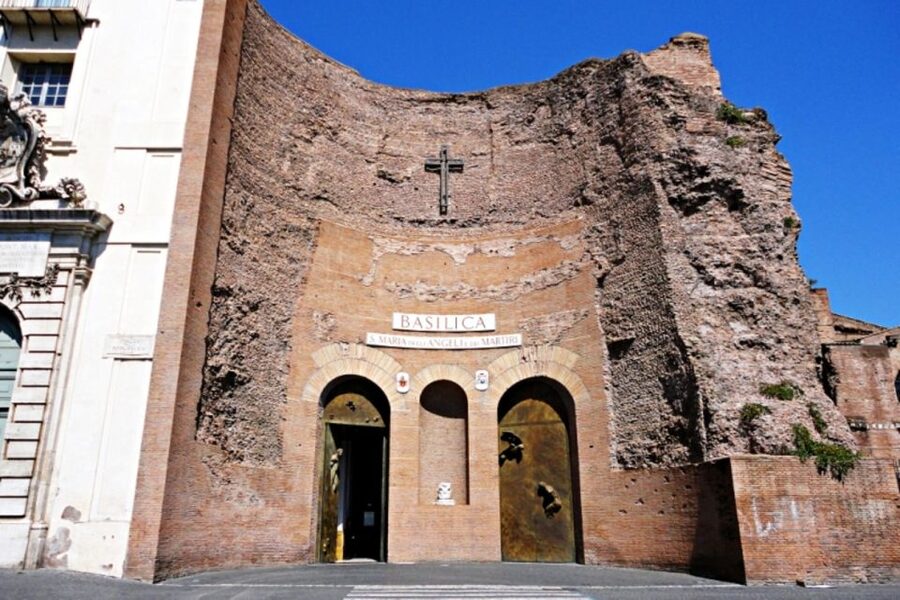
And then there’s the Michelangelo angle. The tour highlights how the huge courtyard was restored by Michelangelo. Even if you don’t know much about Renaissance architects, you’ll feel why that restoration matters: it shows how later Italians didn’t just preserve the past—they re-shaped it into something livable and intelligible for their own era.
What to watch for on the ground:
- Look for how the Bath-era scale affects sightlines. Even if the structures are partial, the space still “reads” like a complex.
- Keep your eyes open for changes in level and form. Baths were about movement, routines, and transitions, not just one room.
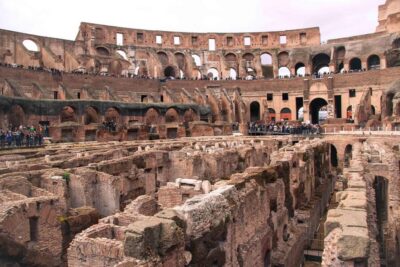
Santa Maria degli Angeli: dress code matters, and the planetary sundial steals the show
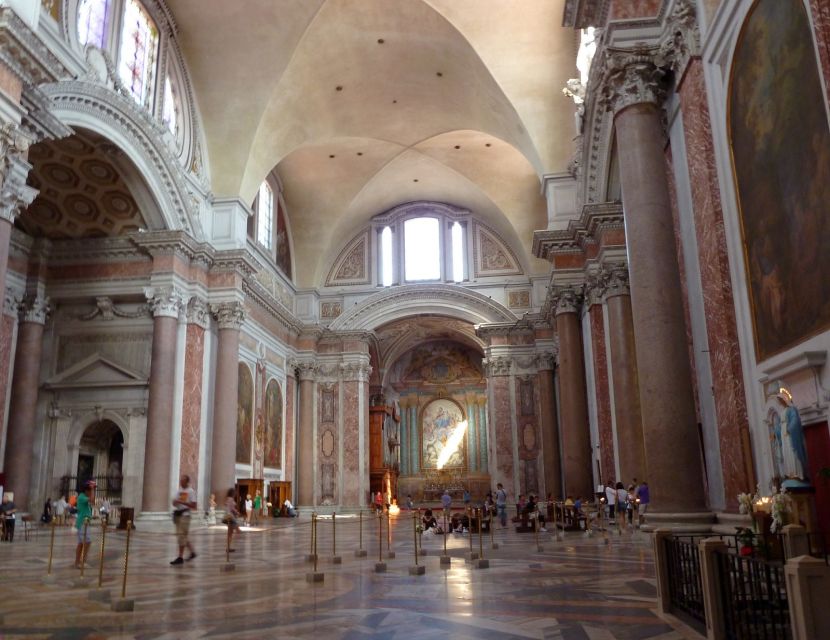
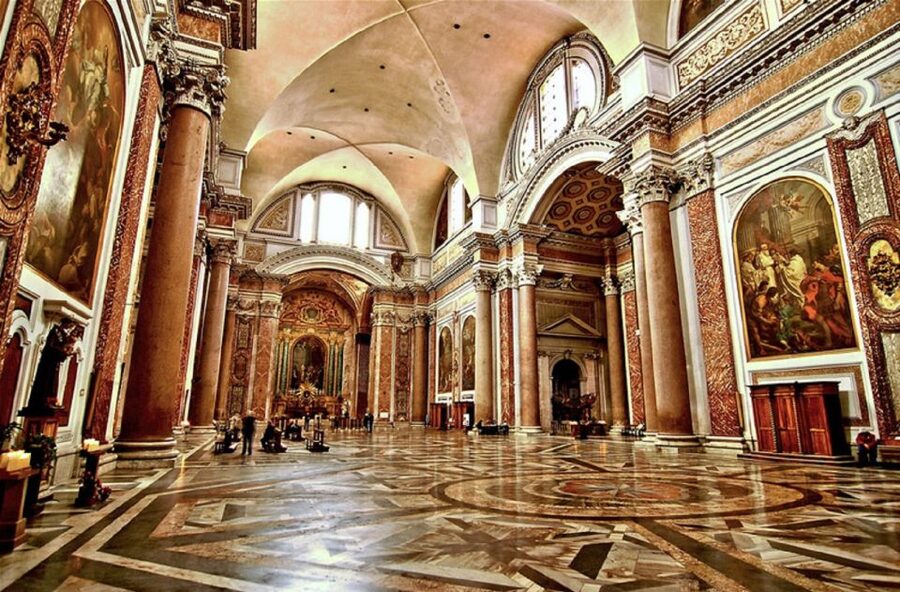
This stop is short, but it has a big payoff because it pulls Rome into the world of timekeeping. The basilica portion centers on Santa Maria degli Angeli, where you’ll see the planetary sundial.
This is the part I’d call the “wait, that’s real” moment of the tour. You’re not just watching art. You’re seeing a device connected to how 17th-century astronomers helped guide the Pope’s calculations for the correct sequence of day and night through the seasons. That’s science, religion, and politics folding together in one place.
Before you go in, plan your clothing so there’s no last-minute scramble. The basilica requires appropriate dress: no shorts, no miniskirts, and uncovered shoulders. This is one of those details that can ruin your day if you treat it casually.
If you want to be practical: wear a light layer you can keep on your shoulders, and choose pants or a long skirt. You’ll feel more comfortable inside and you won’t be stressed during check-in.
Price and value: is $167.66 worth it for 3 hours?
At $167.66 per person for about 3 hours, the value comes down to what’s included and what you avoid.
Included:
- Museum entrance tickets
- A 3-hour professional guide
Not included:
- Pickup and drop-off from your hotel
So you’re paying for guided time plus access to the key sites, not for transport logistics. For a short Rome visit, that’s often where this type of tour makes sense. You get a focused, guided route through three stops that are directly connected by theme: Roman art and Roman life, then a final twist into astronomy and timekeeping.
The best value usually happens if:
- You want a curated alternative to Colosseum-only Rome.
- You prefer guided context to self-guided wandering.
- You can meet the group at the meeting point without needing pickup.
If you’re traveling very budget-first and you’re comfortable reading museum labels on your own, you might be able to do something cheaper. But this tour is priced for convenience, interpretation, and “someone else handles the flow.”
Practical tips for a smoother walk and better photos
This route doesn’t ask for fancy gear, but small choices make it much easier.
Wear:
- Comfortable shoes. You’ll be walking between museum areas and outdoors around the Baths.
- Sunglasses. Rome light can be sharp, especially around open courtyards.
- Bring a camera if you like details, but remember: the real memories come from the objects and the connections your guide points out.
Plan for weather:
- The tour operates in all weathers. Pack a light rain layer if your forecast looks iffy.
Know your limits:
- This tour is not suitable for people with mobility impairments and not suitable for wheelchair users. If your mobility is limited, pick a different Rome plan that’s designed for accessibility.
If you want better photos, do this trick: take one wide shot early at each stop (to capture the space), then take close-ups later after the guide points out what to look for. You’ll photograph what matters, not just what looks pretty on first glance.
Who should book this Roman-era half-day tour
This is a strong fit if you:
- Love Roman art but want it in a setting that feels easier than the biggest monuments.
- Prefer guided context that connects sculpture, frescoes, mosaics, worship, and even astronomy.
- Want a morning plan that’s short enough to keep your afternoon free for wandering.
It’s also ideal if you’re thinking: I’ve already seen the Colosseum photos. Now I want the art and the story.
It’s less ideal if you:
- Need wheelchair-friendly access (this one isn’t).
- Want a slow, sit-down-only experience.
- Are not willing to follow the Santa Maria degli Angeli dress requirement.
Should you book this tour?
I think this is a smart booking for many first-time and return visitors because it targets the part of Rome people often miss: the art and the ideas that survive behind museum walls and inside working sacred spaces. You get sculpture like the Discobolus and the Old Boxer, fresco work tied to Empress Livia, and a final timekeeping moment with the planetary sundial that makes Rome feel even more surprising.
Book it if you want a focused Roman-art and Roman-life hit in about 3 hours, with museum access and a guide already built into the plan. Skip it if your day needs step-free access or if you’d rather do a longer self-paced museum morning.
FAQ
How long is the Rome: A Journey Back in Time to the Roman Era tour?
The tour duration is listed as 3 hours.
What’s included in the price?
The price includes entrance tickets to the museum and a 3-hour professional guide.
Is hotel pickup provided?
No. Pickup and drop-off from your hotel are not included.
What languages is the tour offered in?
The live tour guide is available in English and Italian.
What should I wear for the basilica stop?
The entrance to Santa Maria degli Angeli requires appropriate clothing. Shorts, miniskirts, and uncovered shoulders are not allowed.
Does the tour run in bad weather?
Yes. The tour operates in all weathers.
More Tours in Rome
- Vatican Museums, Sistine Chapel & St. Peter’s Basilica Tour
★ 4.3 · 73,970 reviews - Vatican Museums, Sistine Chapel & St Peter’s Basilica Guided Tour
★ 4.5 · 39,149 reviews - Rome: Colosseum, Palatine Hill and Roman Forum Guided Tour
★ 4.8 · 32,814 reviews - Rome: Guided Tour of Colosseum, Roman Forum & Palatine Hill
★ 4.7 · 27,897 reviews - Rome: Colosseum, Roman Forum and Palatine Hill Guided Tour
★ 4.5 · 23,903 reviews - Rome: Colosseum Arena Floor, Palatine & Forum Guided Tour
★ 4.5 · 20,180 reviews
More Tour Reviews in Rome
- Vatican Museums, Sistine Chapel & St. Peter’s Basilica Tour
★ 4.3 · 73,970 reviews - Vatican Museums, Sistine Chapel & St Peter’s Basilica Guided Tour
★ 4.5 · 39,149 reviews - Rome: Colosseum, Palatine Hill and Roman Forum Guided Tour
★ 4.8 · 32,814 reviews - Rome: Guided Tour of Colosseum, Roman Forum & Palatine Hill
★ 4.7 · 27,897 reviews - Rome: Colosseum & Forum with Audio Guide App -Optional Arena
★ 4.2 · 24,770 reviews - Rome: Colosseum, Roman Forum and Palatine Hill Guided Tour
★ 4.5 · 23,903 reviews
Just added to our Rome reviews





Tours, compared.
 ★ 4.3Vatican Museums, Sistine Chapel & St. Peter’s Basilica TourFrom $7273,970 reviews
 ★ 4.5Vatican Museums, Sistine Chapel & St Peter’s Basilica Guided TourFrom $2239,149 reviews
 ★ 4.8Colosseum, Palatine Hill and Roman Forum Guided TourFrom $5232,814 reviews
 ★ 4.7Guided Tour of Colosseum, Roman Forum & Palatine HillFrom $5527,897 reviews
 ★ 4.5Colosseum, Roman Forum and Palatine Hill Guided TourFrom $5923,903 reviews
 ★ 4.5Colosseum Arena Floor, Palatine & Forum Guided TourFrom $4120,180 reviews
 ★ 4.3Vatican Museums, Sistine Chapel and Basilica TourFrom $7316,039 reviews
 ★ 4.7Colosseum Arena, Palatine Hill & Forum Guided TourFrom $8414,510 reviews