
Reviewed · MUSEUMS
Palazzo Barberini (Bernini Exhibition Is Not Included)
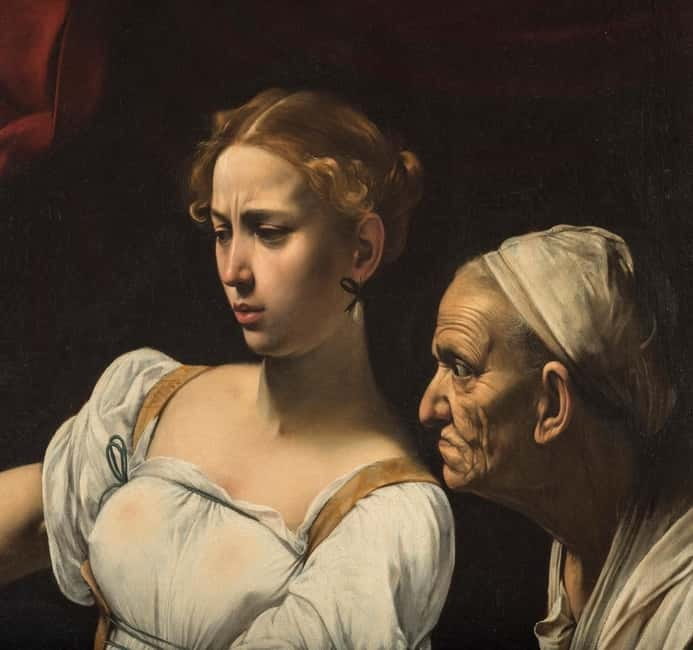
Baroque Rome, minus the stress. Palazzo Barberini is one of those rare visits where the building itself does half the talking, and the Galleria Nazionale d’Arte Antica does the other half with over 1,400 works. I like that the experience is self-guided with an audio guide app, so you can move at your pace instead of marching with a group.
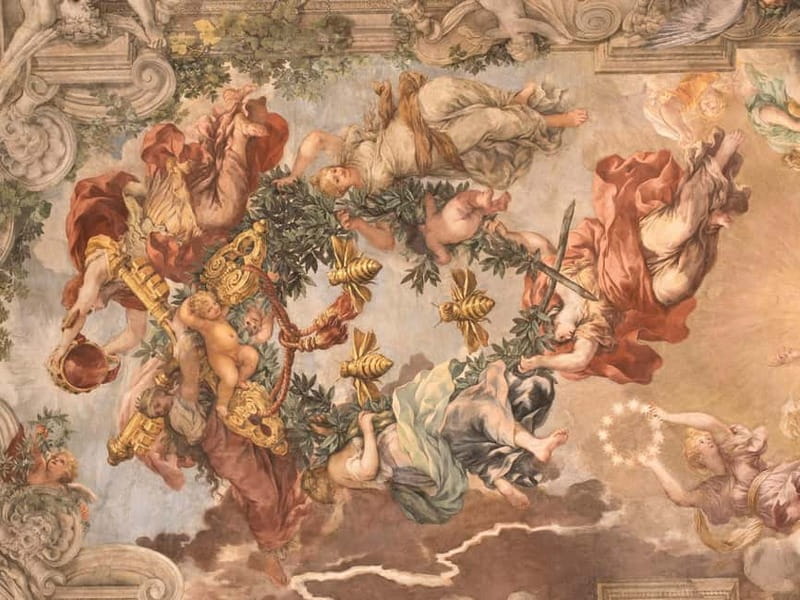
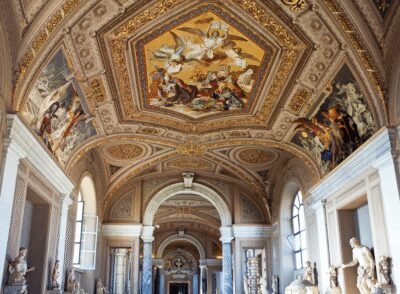
My second favorite part is the room you can’t stop thinking about afterward: the central hall reaching the full height of the building, crowned by Pietro da Cortona’s monumental ceiling fresco. The art lineup also lands serious names—Raphael’s Fornarina is the kind of painting people remember months later.
One consideration: you need to be comfortable using an audio guide on your phone, and ancient walls can make phone signals flaky. If you expected a live guide, you’ll want to adjust your mindset (or at least have the app ready).
In This Review
- Key things to know before you go
- Palazzo Barberini in Rome: why this palace feels like art
- Getting into Palazzo Barberini without wasting time
- The Galleria Nazionale d’Arte Antica: 1,400 works, real pacing
- Raphael’s Fornarina: the painting people talk about
- The central hall and Pietro da Cortona’s ceiling fresco
- Urban VIII, Barberini power, and why Baroque took off
- Corsini Gallery option: stretch your ticket time
- Audio guide reality check: how to use it well
- Practical tips that actually help (shoes, photos, and timing)
- Who this visit is best for (and who should skip it)
- Should you book Palazzo Barberini with the audio app?
- FAQ
- Is Bernini’s Exhibition included with this ticket?
- How long is the Palazzo Barberini visit?
- Do I need to speak Italian to use the audio guide?
- Is Palazzo Barberini open on Mondays?
- Can I take photos inside?
- Is the experience suitable for wheelchair users or mobility impairments?
Key things to know before you go

- Central hall, full-height grandeur: The space is designed to feel theatrical, not just decorative.
- Audio guide app included: You’re not stuck with one route—use the guide to pick what you care about.
- Raphael’s Fornarina: One of the gallery’s most talked-about works for a reason.
- Big collection, manageable visit: 2 hours is enough if you use the audio guide to guide your time.
- Bernini exhibition is not included: Plan for what is covered here—and what isn’t.
- Corsini Gallery access on another day: The ticket stretches your art time in Rome.
Palazzo Barberini in Rome: why this palace feels like art
If you picture Baroque Rome as drama, you’re not wrong—Palazzo Barberini is practically stagecraft in stone. This is the urban villa of the Barberini family, tied to one of the most influential popes of the era: Maffeo Barberini, elected Pope in 1623 as Urban VIII. His role in spreading Baroque wasn’t subtle. He had the clout, the taste, and the political reach to push a style that moved fast—crossing beyond Italy and catching on across Europe.
What you’ll notice right away is how the palace thinks in big gestures. The rooms don’t feel like neutral containers for paintings. They feel like a designed experience: ceilings, walls, and staircases all contribute to the mood. And because the gallery holds such a wide range of art—from the 13th through the 18th century—you get a kind of visual timeline as you move through the spaces.
This is also a good value use of time. You’re buying about 2 hours of entry here, with skip-the-ticket-line service plus an audio guide app. You’re not trapped in a rigid tour script, which matters in a place where the most important moments (like the central hall) are better absorbed slowly.
Worth a look next to this Rome booking:
- Vatican Museums, Sistine Chapel & St. Peter’s Basilica Tour
★ 4.3 · 73,970 reviews - Vatican Museums, Sistine Chapel & St Peter’s Basilica Guided Tour
★ 4.5 · 39,149 reviews - Rome: Vatican Museums, Sistine Chapel and Basilica Tour
★ 4.3 · 16,039 reviews - Vatican Museums & Sistine Chapel Skip-the-Line Entry Ticket
★ 4.4 · 13,838 reviews
Getting into Palazzo Barberini without wasting time
This visit is built around timing and ease. You don’t use your voucher as the entry ticket. Instead, you coordinate a voucher exchange by following instructions from the operator you’re contacted by, and you’ll have assistance at the Touristation Office.
Once you’re past the entry steps, the visit flow makes sense: you start into the gallery spaces and let the audio app steer you. That approach is especially handy in Rome, where “find the museum” can be the longest part of any museum day.
Two more practical notes before you go:
- The gallery is closed on Mondays, so don’t build your schedule around Monday if you want this specific stop.
- Last admission is one hour before closing, so arrive with enough cushion to enjoy the full experience instead of rushing out at the end.
The Galleria Nazionale d’Arte Antica: 1,400 works, real pacing
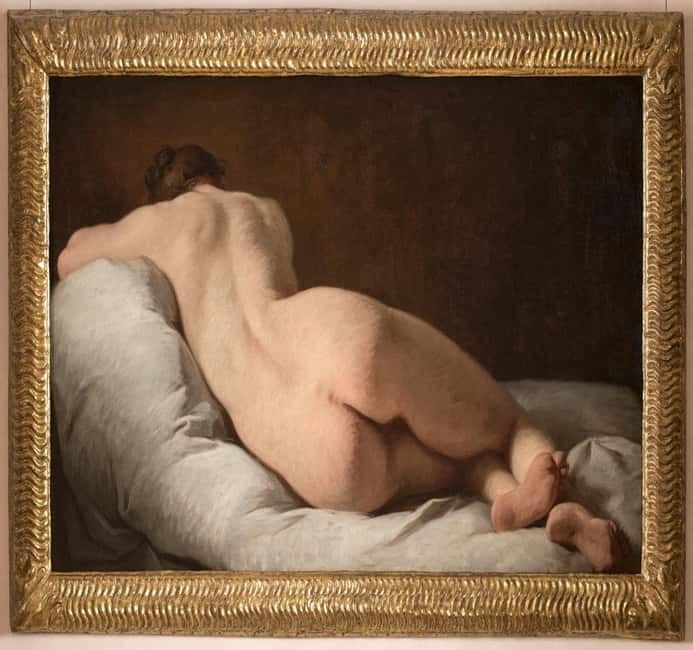
The heart of the experience is the Galleria Nazionale d’Arte Antica, with more than 1,400 works. That’s a lot—on paper. In real life, it can either overwhelm you or become enjoyable, depending on how you manage your time.
Here’s the smart way to do it: don’t try to “see everything.” Use the audio guide to pick the works and rooms you actually want to understand. Because the collection spans centuries, the audio cues help you connect style changes to artists and periods instead of just letting paintings blur together.
You can expect famous names across styles and eras—works connected to artists such as Raphael, Filippo Lippi, Bernini, Borromini, Caravaggio, and others. Even if you’re not an art scholar, the audio will give you the “why” behind each stop: what makes the work significant, what visual details to look for, and how it fits the Baroque world Urban VIII helped shape.
In a 2-hour visit, I’d focus on three goals:
- See the headline works (Raphael’s Fornarina is the obvious one).
- Spend real time in the big architectural moment (the central hall).
- Let the rest be “bonus mode,” guided by the audio.
Raphael’s Fornarina: the painting people talk about

If Raphael’s name grabs you, the gallery has a payoff. Fornarina by Raphael is singled out as a standout for its notoriety, and it’s the kind of work that benefits from being seen up close, not just heard about.
The point of picking a famous painting on a short visit isn’t to “check a box.” It’s to anchor your entire museum experience. When you find a single work you connect with, the rest of the collection starts making more sense—different approaches to beauty, realism, symbolism, and portrait style all echo around it.
Use the audio guide here as your guide to attention. The most common mistake in paintings like this is looking for one dramatic feature and missing the subtler ones. With a guide in your ear, you’re more likely to notice the details the artist used to build mood and meaning.
Also, plan for time to re-look. In museums like Palazzo Barberini, a second glance is often where the understanding clicks.




The central hall and Pietro da Cortona’s ceiling fresco
Now for the moment that turns this visit into a memory: the large central hall. This space occupies the entire height of the building, which means your eyes naturally travel upward. That design matters. Instead of treating art as flat objects on walls, the palace forces you into a vertical experience.
Then comes the ceiling: a monumental fresco by Pietro da Cortona. The guide frames it as one of the best examples of Baroque illusionism, which is museum-speak for this effect: the painted architecture and light trick you into feeling like the space continues beyond the real ceiling.
If you’ve ever walked into a room and felt like someone turned the volume up, that’s the closest practical description. Look up and give your eyes a minute to adjust. Don’t rush. Frescoes like this reward slow looking, and the illusion works best when you’re not scanning the room like a tourist checklist.
If you only have time for one “stop,” make it the central hall.
Urban VIII, Barberini power, and why Baroque took off
A palace visit is more fun when you understand the people behind it. Palazzo Barberini was purchased by Maffeo Barberini, later Urban VIII, and the story helps explain the artistic ambition inside the walls.
Urban VIII is remembered for big historical moments—things like the XIII Jubilee, and controversies around nepotism and the condemnation of Galileo Galilei. But from an art perspective, what matters most for your visit is this: he helped spread Baroque, and the style moved fast from Italy to the rest of Europe.
So when you walk through the gallery and see theatrical presentation and bold visual storytelling, you’re not just looking at decoration. You’re seeing how power uses art. Commissioning and collecting weren’t casual hobbies for elite families. They were part of shaping what a city and a church should feel like.
That context doesn’t replace looking. It makes your looking more meaningful.
Corsini Gallery option: stretch your ticket time
One of the nice value details here is that with the same ticket you can visit the Corsini Gallery on another day. That means you’re not only using your time in Palazzo Barberini. You’re building a second art stop without buying a separate entry deal.
Even if you don’t plan your second day yet, having the option changes how you can pace Palazzo Barberini. You can spend more time here because you know you still have another museum window waiting.
In short: this ticket can turn one museum day into two, depending on how you structure your Rome schedule.
Audio guide reality check: how to use it well
The audio guide app is included, with languages English, German, French, and Italian. It’s also easy to download on your phone, and that’s convenient.
Here’s the practical part. In historic buildings, phone behavior can be unpredictable—especially when you’re deep inside thick walls. Based on what I’d consider common “ancient building” problems, you should:
- Make sure the app is working before you walk into the busiest galleries.
- Bring headphones and expect you might need a moment to find the best signal or settle the app.
- If you rely on streaming audio, have a backup mindset (like making sure you’re not stuck starting from zero mid-room).
And keep your expectations realistic: this is audio-guided, not a live narration tour. You’ll get the structure and explanations, but you won’t get spontaneous Q&A or on-the-fly commentary.
That can be perfect if you like control. It’s less ideal if you want a guide to “talk you through everything” in real time.
Practical tips that actually help (shoes, photos, and timing)
Plan for the simple stuff so you don’t ruin your own pace.
What to bring
- Comfortable shoes (you’ll want them)
- A hat and sunscreen for Rome sunny stretches outside
- Camera (and be ready to look up often)
- Water, especially if you’re doing more than one stop
Photography
- Flash photography is not allowed.
- Photography without flash is allowed.
Also: the gallery route includes rooms with varied lighting. If you’re photographing, rely on steady hand and natural light rather than flash.
And because you only have about 2 hours, think of your visit like this: enter, orient, anchor on a few major works, then let the rest be guided wandering. It’s a smarter use of time than trying to sprint.
Who this visit is best for (and who should skip it)
This is a great fit if you want:
- A self-guided art visit with meaningful context
- Major names without needing a full-day art marathon
- A strong dose of Baroque architecture, especially the central hall and Cortona fresco
It’s less ideal if:
- You need a guided, live-led experience
- You’re sensitive to the idea of using your phone as the guide
- You have mobility impairments or use a wheelchair, since it’s not suitable for wheelchair users or people with mobility impairments
Also note: the Bernini Exhibition is not included. If Bernini is your main reason for coming, check how your day will handle that—don’t assume it’s part of this ticket.
Should you book Palazzo Barberini with the audio app?
Yes, book it if you want a high-impact Rome museum stop in 2 hours, with skip-the-line convenience and an audio guide that helps you look better, not just look faster. The central hall and Pietro da Cortona fresco are the kind of moments you’ll remember when the rest of Rome blurs into “nice buildings.”
I’d pass or rethink if you’re hoping for a live guide or if your plan depends on the Bernini exhibition. Also, plan around Monday closures.
If you like art but also value breathing room, Palazzo Barberini is a strong use of your time. You’ll leave with two things: images in your head from the fresco, and a sense of why Baroque power took hold in Rome in the 1600s.
FAQ
Is Bernini’s Exhibition included with this ticket?
No. Bernini’s Exhibition is specifically not included.
How long is the Palazzo Barberini visit?
The experience is listed at 2 hours.
Do I need to speak Italian to use the audio guide?
No. The included audio guide app is available in English, German, French, and Italian.
Is Palazzo Barberini open on Mondays?
No. The gallery is closed on Mondays.
Can I take photos inside?
Yes, photography is allowed as long as you do not use flash photography.
Is the experience suitable for wheelchair users or mobility impairments?
No. It is not suitable for people with mobility impairments or wheelchair users.
More Museums in Rome
- Vatican Museums, Sistine Chapel & St. Peter’s Basilica Tour
★ 4.3 · 73,970 reviews - Vatican Museums, Sistine Chapel & St Peter’s Basilica Guided Tour
★ 4.5 · 39,149 reviews - Rome: Vatican Museums, Sistine Chapel and Basilica Tour
★ 4.3 · 16,039 reviews - Vatican Museums & Sistine Chapel Skip-the-Line Entry Ticket
★ 4.4 · 13,838 reviews - Rome: Vatican Museums, Sistine Chapel & Basilica Tour
★ 4.7 · 13,217 reviews - Rome: Vatican Museums & Sistine Chapel Guided Tour
★ 4.3 · 12,117 reviews
More Tour Reviews in Rome
- Vatican Museums, Sistine Chapel & St. Peter’s Basilica Tour
★ 4.3 · 73,970 reviews - Vatican Museums, Sistine Chapel & St Peter’s Basilica Guided Tour
★ 4.5 · 39,149 reviews - Rome: Colosseum, Palatine Hill and Roman Forum Guided Tour
★ 4.8 · 32,814 reviews - Rome: Guided Tour of Colosseum, Roman Forum & Palatine Hill
★ 4.7 · 27,897 reviews - Rome: Colosseum & Forum with Audio Guide App -Optional Arena
★ 4.2 · 24,770 reviews - Rome: Colosseum, Roman Forum and Palatine Hill Guided Tour
★ 4.5 · 23,903 reviews
Just added to our Rome reviews





Museums, compared.
 ★ 4.5Vatican: Museums & Sistine Chapel Entrance TicketFrom $38144,003 reviews
 ★ 4.3Vatican Museums, Sistine Chapel & St. Peter’s Basilica TourFrom $7273,970 reviews
 ★ 4.5Vatican Museums, Sistine Chapel & St Peter’s Basilica Guided TourFrom $2239,149 reviews
 ★ 4.3Vatican Museums, Sistine Chapel and Basilica TourFrom $7316,039 reviews
 ★ 4.4Vatican Museums & Sistine Chapel Skip-the-Line Entry TicketFrom $4313,838 reviews
 ★ 4.7Vatican Museums, Sistine Chapel & Basilica TourFrom $7213,217 reviews
 ★ 4.3Vatican Museums & Sistine Chapel Guided TourFrom $11812,117 reviews
 ★ 4.2Vatican Museums & Sistine Chapel Skip-The-Line TicketFrom $4111,708 reviews