
Reviewed · GUIDED
Olympic Stadium Tour with Expert Guide in Rome
Rome runs on football and politics. This Olympic Stadium tour ties matchday energy to the Foro Italico complex with real architectural drama.
What I like most are the two very different “Roman sports” worlds you visit back to back: the Stadio dei Marmi with its white Carrara marble statues, and the inside-stadium route that gets you close to where athletes prepare and wait.
One thing to keep in mind: because the stadium hosts events, field and room access can vary by date, so confirm what your session includes for your specific day.
In This Review
- Key highlights at a glance
- Foro Italico first: marble athletes and the Mussolini obelisk
- Meeting at Obelisco Mussolini: a simple trick to avoid confusion
- Stadio dei Marmi: 60 white statues and the idea of national unity
- Monte Mario gate to the athletes tunnel: where matchday energy kicks in
- Hall of Triumph, press room, and locker rooms
- Price and time: does $66.37 feel fair for Rome?
- Events can change what you see: the one risk worth planning for
- Who should book this Olympic Stadium tour?
- Should you book this Olympic Stadium tour?
- FAQ
- How long is the Olympic Stadium Tour?
- How much does the tour cost?
- What languages are available?
- Where do I meet and where does the tour end?
- Is it a mobile ticket?
- What’s the cancellation policy?
Key highlights at a glance
- Start at Obelisco Mussolini (P.zza Lauro de Bosis), a concrete landmark for your meet-up
- Foro Italico in the 1930s style, including the Tiber views and a 36-meter Carrara marble obelisk
- Stadio dei Marmi’s 60 athlete statues, arranged in crowns for the idea of national unity
- Athletes’ entrance to the players’ path, ending in matchday-style tunnel moments
- Hall of Triumph, press room, and locker room access for behind-the-scenes context
- Small-group feel (max 40) with a guide in English for the stadium portion
Foro Italico first: marble athletes and the Mussolini obelisk
The tour begins at Obelisco Mussolini, so you’re dropped right into the story from word one. From there, you walk through Foro Italico, a monumental sports complex built in the 1930s. It’s not just pretty architecture. It’s sports designed as a message.
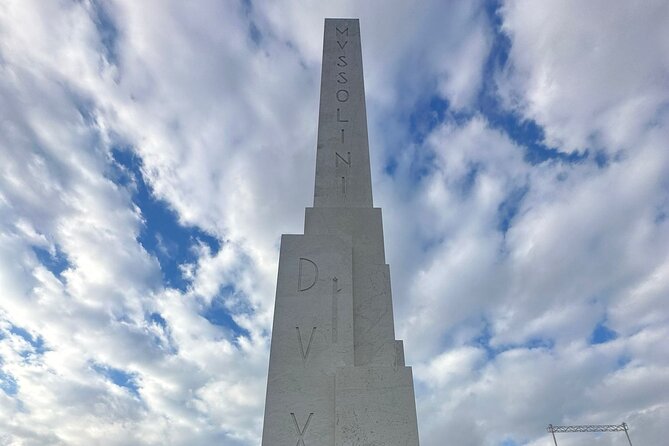
One of the most striking waypoints is the Mussolini Obelisk, a 36-meter Carrara marble monument tied to the symbolism of fascist power. You’ll also see the Tiber River from the area, which helps keep the whole place grounded in real Rome rather than museum-vacuum history.
This section matters because it frames what you’re about to see inside the stadium. You start understanding why these buildings look the way they do, and how sporting spaces were used to create identity. If you like context, this opening walk gives it to you quickly and clearly.
Worth a look next to this Rome booking:
- Vatican Museums, Sistine Chapel & St Peter’s Basilica Guided Tour
★ 4.5 · 39,149 reviews - Rome: Colosseum, Palatine Hill and Roman Forum Guided Tour
★ 4.8 · 32,814 reviews - Rome: Guided Tour of Colosseum, Roman Forum & Palatine Hill
★ 4.7 · 27,897 reviews - Rome: Colosseum & Forum with Audio Guide App -Optional Arena
★ 4.2 · 24,770 reviews
Meeting at Obelisco Mussolini: a simple trick to avoid confusion
Meet-up is at Obelisco Mussolini, P.zza Lauro de Bosis. The end point is at Olympic Stadium, Viale dei Gladiatori, 2, so you’ll finish near the stadium rather than returning to your start.
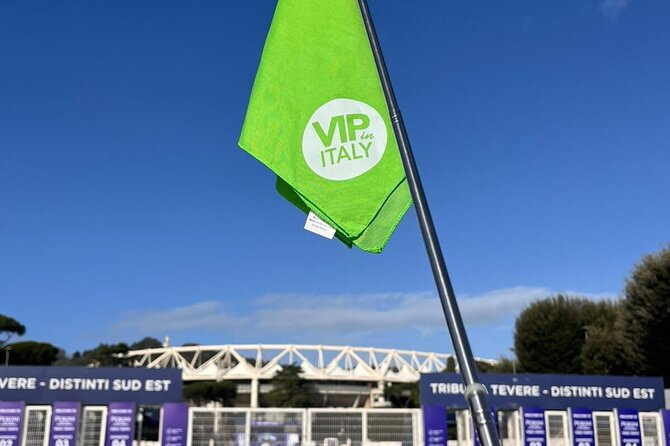
Here’s the practical tip: don’t leave the meeting spot to the last second. One common snag is taxis dropping people at the wrong side of a big complex, which can mean you miss the group start. When you arrive, go to the part of the area marked by the prominent Mussolini obelisk zone and wait there.
The good news is that the tour is near public transportation. That makes it easier to slot into a busy day. Just remember: the “Rome Rome” move—stairs, turns, and crowds—can add time even when things look close on a map.
Stadio dei Marmi: 60 white statues and the idea of national unity
Your first stadium stop is Stadio dei Marmi, a stadium made entirely of white Carrara marble. The feature here is the ring of sixty athlete statues, about four meters high, donated by different Italian provinces.
Those statues aren’t random decoration. They’re arranged in crowns, with the overall theme focused on unity and the athletic ideal. It’s the kind of detail you’d miss if you just photographed from outside. With a guide, you get the meaning behind the layout.
This stop is short—about 10 minutes—but it’s a concentrated visual punch. You’ll get the “wow” moment, plus the explanation of what you’re looking at. The tour info also notes that admission for this part is free, so you’re not paying extra to get the core experience.
A small caution: because the time is tight, arrive ready to move. If you spend five extra minutes hunting for perfect angles, you may feel rushed later when you’re heading into the main Olympic Stadium portion.
Monte Mario gate to the athletes tunnel: where matchday energy kicks in
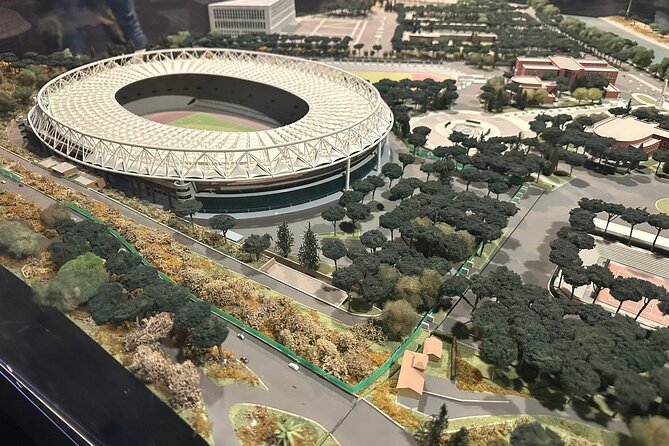
The second big phase is the Olympic Stadium experience, starting with a walk-in feel that’s much more “insider” than a casual visit. You’ll enter through the Monte Mario gate and follow the players’ path, so the architecture starts to feel like choreography.
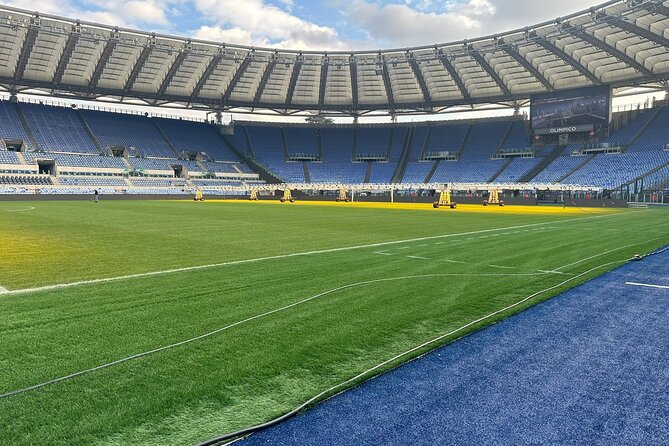
The highlight for football fans is the route to where action happens. You’ll cross the official athletes entrance and walk toward the pitch area via the tunnel. Even if you’re not there for a game, the layout makes you understand the wait athletes describe—step-by-step, corridor by corridor, anticipation building.
This is also where the tour’s “expert guide” value really shows. You’re not just walking. You’re being guided through what each space was for: where athletes arrive, where media stands, where nerves settle before the match. You can almost feel the workflow.
Inside the stadium portion is about 1 hour, and the included admission is noted as part of this stage. The group size stays controlled, with a maximum of 40. That matters because it keeps the pace human and the guide’s explanations audible.
Hall of Triumph, press room, and locker rooms
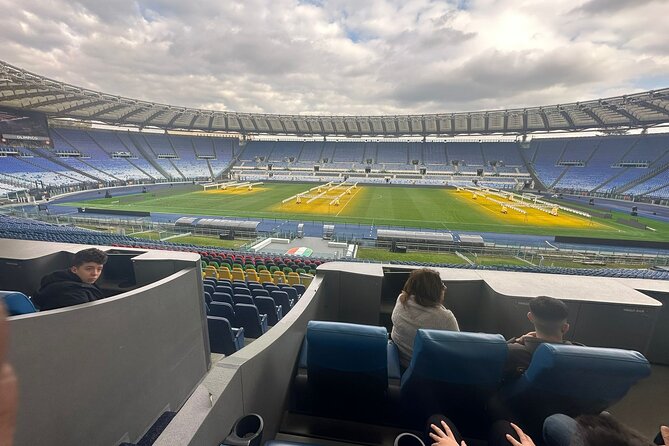
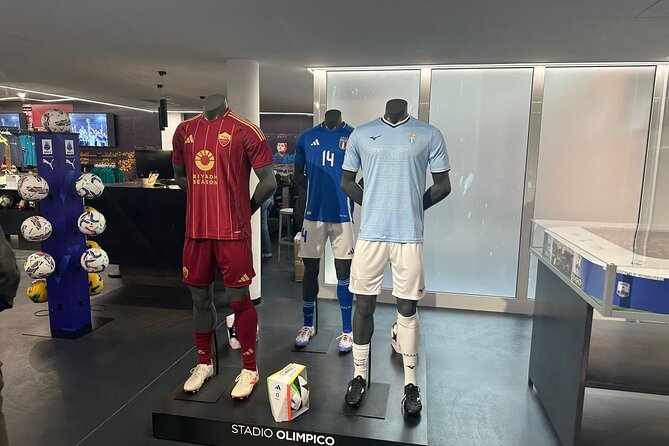
After the main stadium walk and tunnel moments, you’ll visit key matchday spaces, including the Hall of Triumph. That room is about trophies and memorabilia tied to Italian sporting victories. It’s a “celebration room” but with purpose—explaining how sports victories were framed for public pride.
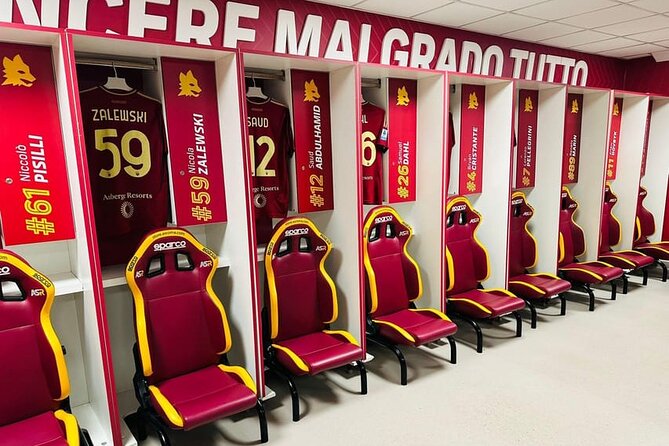
Then you move into practical behind-the-scenes areas: the press room and the locker room. These stops are the ones I’d prioritize if your goal is atmosphere, not just architecture. Locker rooms usually feel more real than exhibits. You’re looking at the spaces where preparation happens, not just the spaces where fans celebrate.
A number of guides on this tour style their explanation as a connection between the past and what the stadium does today. In the supplied tour reports, guides named Angelica, Camilla, Simone, Carlos, and Beatrice are singled out for friendly, funny, and history-connected storytelling. That kind of delivery tends to make the rooms feel less like background and more like a story you’re actively walking through.
One more note: the tour information says the guide inside the stadium is Italian or English. The outside portion is available in Spanish and French as well. So if you want explanations throughout, check that your date offers English for the stadium interior.
Price and time: does $66.37 feel fair for Rome?
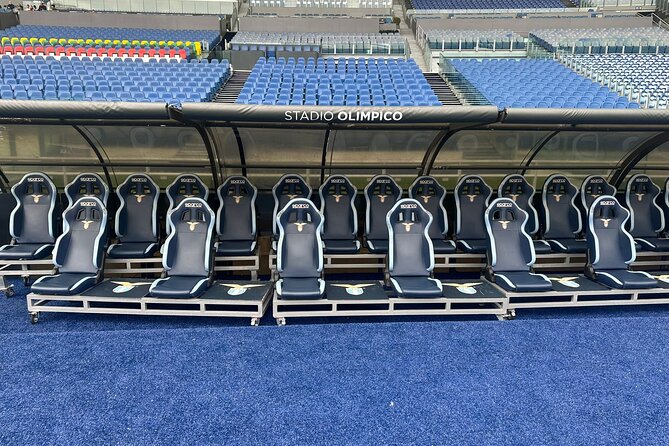
The price is listed as $66.37 per person, with a duration of about 1 hour 20 minutes. For Rome, that’s not cheap, but it’s also not absurd—mainly because this isn’t a “look from the gate” visit.
You’re paying for three things that are hard to fake on your own:
- Access to athlete-oriented areas (like the entrance/tunnel approach) rather than just public viewpoints
- A guided walkthrough that connects the Foros and marble symbolism to the stadium’s modern use
- A timed route that keeps you from burning half a day trying to figure out what’s where
The best value angle here is for people who care about football and want meaning. If you only want pretty views and photos, you might find cheaper options. But if you want the “how matchday works” feeling plus the political-era context, the price starts looking more reasonable.
Also factor in the short total time. In 1h20, you get multiple stops that would normally take longer to piece together. Rome days are packed. This tour is built to fit.
Events can change what you see: the one risk worth planning for
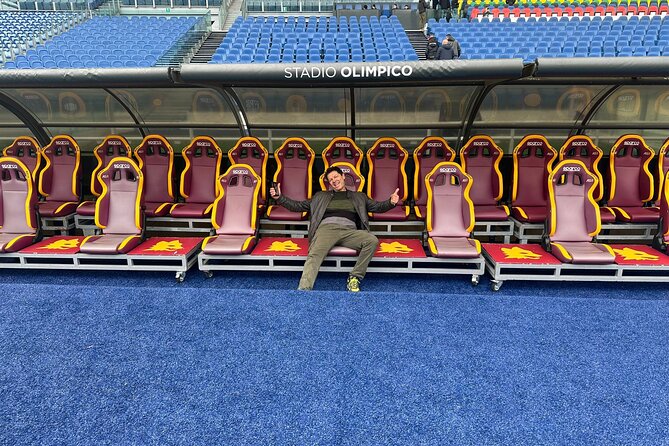
The big practical consideration isn’t the guide. It’s the building schedule.
There’s at least one cautionary example where the stadium was closed for an event, and the access originally expected (like going onto the pitch and seeing specific rooms) didn’t fully happen on the booked date. In that case, the tour focus shifted more toward the outside areas and other internal spaces instead.
So here’s my advice: when you book, treat the “full matchday access” expectation as something that’s subject to venue operations. If your top priority is stepping onto the pitch area, make sure your confirmation details clearly match what you want for your specific date.
That one risk doesn’t mean the tour is bad. It just means you should go in with eyes open and a flexible mindset.
Who should book this Olympic Stadium tour?
This is a strong fit if you’re:
- A football fan who wants more than a souvenir photo
- Someone who likes architecture with context, not just stones and statues
- The kind of person who enjoys hearing how sports spaces were designed and used
It can also work well if you’re traveling with a mix of interests—sports plus Roman history—because the Foro Italico part and the stadium part balance each other.
You might skip it (or at least adjust expectations) if your top goal is only the pitch and nothing else. If that’s you, verify what your session includes before you commit.
Should you book this Olympic Stadium tour?
If you want a guided walk that connects Foro Italico’s marble symbolism to the real matchday flow of the Olympic Stadium, I’d book it. The structure makes sense: start with meaning, then move into the spaces where athletes prepare.
I’d especially recommend it if English is available for the stadium portion on your date, since a large part of the value here is the guide’s storytelling. And do yourself a favor: arrive at the Obelisco Mussolini meet-up point early enough that you’re not sprinting across a stadium complex while the group gets going.
If you’re very strict about pitch access, confirm details for your day and be ready for the possibility of venue restrictions. That’s the only “plan ahead” risk that really matters.
FAQ
How long is the Olympic Stadium Tour?
It runs for about 1 hour 20 minutes.
How much does the tour cost?
The price is $66.37 per person.
What languages are available?
The guide inside the stadium is available in Italian or English. The outside portion of the tour is also available in Spanish and French.
Where do I meet and where does the tour end?
You start at Obelisco Mussolini, P.zza Lauro de Bosis, 00135 Roma RM. You end at Olympic Stadium, Viale dei Gladiatori, 2, 00135 Roma RM.
Is it a mobile ticket?
Yes. The tour includes a mobile ticket.
What’s the cancellation policy?
You can cancel for a full refund up to 24 hours before the experience’s start time. The policy also notes free cancellation for that window.
More Guided in Rome
- Vatican Museums, Sistine Chapel & St Peter’s Basilica Guided Tour
★ 4.5 · 39,149 reviews - Rome: Colosseum, Palatine Hill and Roman Forum Guided Tour
★ 4.8 · 32,814 reviews - Rome: Guided Tour of Colosseum, Roman Forum & Palatine Hill
★ 4.7 · 27,897 reviews - Rome: Colosseum & Forum with Audio Guide App -Optional Arena
★ 4.2 · 24,770 reviews - Rome: Colosseum, Roman Forum and Palatine Hill Guided Tour
★ 4.5 · 23,903 reviews - Rome: Colosseum Arena Floor, Palatine & Forum Guided Tour
★ 4.5 · 20,180 reviews
More Tours in Rome
- Vatican Museums, Sistine Chapel & St. Peter’s Basilica Tour
★ 4.3 · 73,970 reviews - Vatican Museums, Sistine Chapel & St Peter’s Basilica Guided Tour
★ 4.5 · 39,149 reviews - Rome: Colosseum, Palatine Hill and Roman Forum Guided Tour
★ 4.8 · 32,814 reviews - Rome: Guided Tour of Colosseum, Roman Forum & Palatine Hill
★ 4.7 · 27,897 reviews - Rome: Colosseum, Roman Forum and Palatine Hill Guided Tour
★ 4.5 · 23,903 reviews - Rome: Colosseum Arena Floor, Palatine & Forum Guided Tour
★ 4.5 · 20,180 reviews
More Tour Reviews in Rome
- Vatican Museums, Sistine Chapel & St. Peter’s Basilica Tour
★ 4.3 · 73,970 reviews - Vatican Museums, Sistine Chapel & St Peter’s Basilica Guided Tour
★ 4.5 · 39,149 reviews - Rome: Colosseum, Palatine Hill and Roman Forum Guided Tour
★ 4.8 · 32,814 reviews - Rome: Guided Tour of Colosseum, Roman Forum & Palatine Hill
★ 4.7 · 27,897 reviews - Rome: Colosseum & Forum with Audio Guide App -Optional Arena
★ 4.2 · 24,770 reviews - Rome: Colosseum, Roman Forum and Palatine Hill Guided Tour
★ 4.5 · 23,903 reviews
Just added to our Rome reviews





Guided, compared.
 ★ 4.5Vatican Museums, Sistine Chapel & St Peter’s Basilica Guided TourFrom $2239,149 reviews
 ★ 4.8Colosseum, Palatine Hill and Roman Forum Guided TourFrom $5232,814 reviews
 ★ 4.7Guided Tour of Colosseum, Roman Forum & Palatine HillFrom $5527,897 reviews
 ★ 4.2Colosseum & Forum with Audio Guide App -Optional ArenaFrom $4124,770 reviews
 ★ 4.5Colosseum, Roman Forum and Palatine Hill Guided TourFrom $5923,903 reviews
 ★ 4.5Colosseum Arena Floor, Palatine & Forum Guided TourFrom $4120,180 reviews
 ★ 4.7Colosseum Arena, Palatine Hill & Forum Guided TourFrom $8414,510 reviews
 ★ 4.3Vatican Museums & Sistine Chapel Guided TourFrom $11812,117 reviews