
Reviewed · CONCERTS
Musical masterpieces: The best of the Baroque concert
Baroque music hits different in Rome’s churches. I love the live organ and countertenor pairing, and I also love how the church itself works like a set. The one possible drawback: this is a focused concert night, so if you want lots of roaming time or hands-on activities, you’ll have to look elsewhere.
You’ll head to the Chiesa di Santa Maria dell’Anima for an evening performance in English, timed for an easy add-on to day sightseeing. The whole experience runs about an hour, keeps group size to a maximum of 50, and uses a mobile ticket.
In This Review
- Key points at a glance
- Chiesa di Santa Maria dell’Anima: Rome’s Baroque Stage
- The Live Duo: Organ Power Meets Countertenor Magic
- What You’ll Hear: Händel, Vivaldi, Bach, Pergolesi and Böhm
- Best Time to Go and How to Pair It With Rome Sightseeing
- Your Seat and the Sound: Making the Most of a 1-Hour Concert
- Group Size, Language, and Who This Fits
- Value for Money: Included Admission in a Top Church Setting
- Should You Book This Baroque Masterpieces Concert?
- FAQ
- Where does the concert take place?
- How long is the concert?
- Is the concert in English?
- Who performs in the concert?
- What music is included?
- Is admission included?
- How many people are in the group?
- Can I cancel for a full refund?
- Are service animals allowed?
Key points at a glance
- A live organ plus countertenor for a sound you can’t replicate on headphones
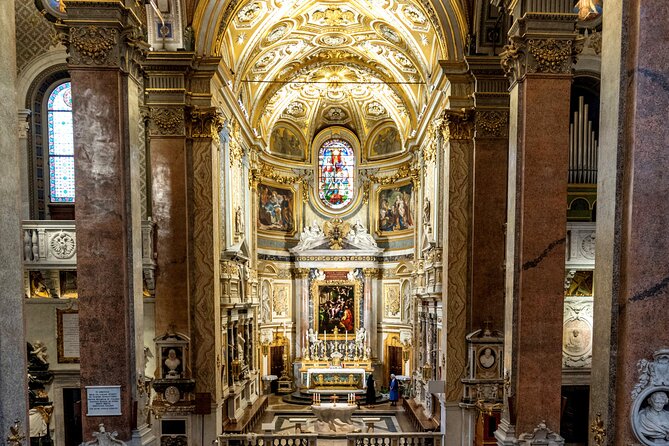
- Chiesa di Santa Maria dell’Anima as a dramatic Baroque backdrop
- English-language program with works by major composers
- A tight, about 1-hour format that fits into an evening schedule
- Small-group vibe (max 50) for a calmer, more connected feel
- Admission ticket included, so you’re not hunting down extra entry steps
Chiesa di Santa Maria dell’Anima: Rome’s Baroque Stage
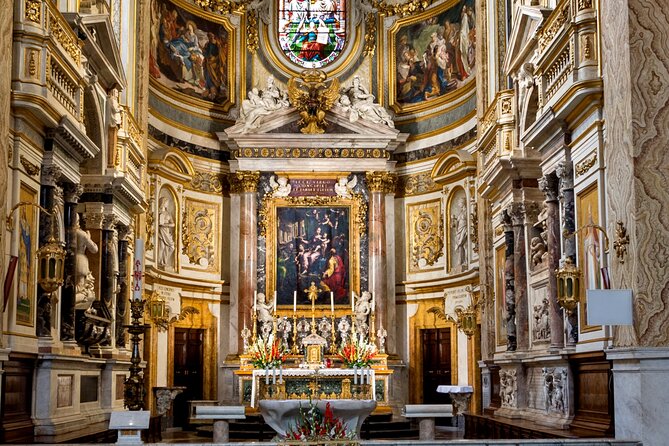
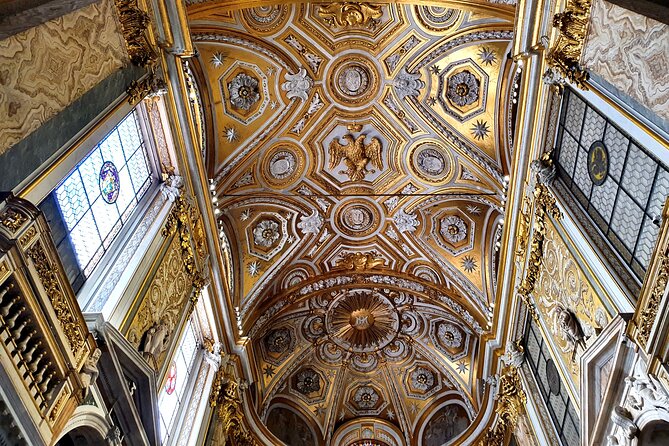
This concert is anchored in one of Rome’s standout Baroque churches: Chiesa di Santa Maria dell’Anima. In practice, that matters more than people think. A live performance in a great church isn’t just “in a pretty building.” The architecture shapes how sound travels, and it also changes your sense of time. More than one listener described feeling as if they were pulled back, with that old-world mood that only works when the setting does its job.
You’re not just watching from the outside in this case. You’re inside the performance space, and the building’s Baroque character turns the music into a full atmosphere. If you enjoy art that you can hear as well as see, this is the sort of stop that makes the city feel cohesive, not chopped into separate boxes like monuments in one column and concerts in another.
One practical note: since the concert is about an hour long, it’s worth arriving with enough time to get settled and stop buzzing around in your head. The point here is attention. Baroque is all about motion: lines, phrasing, balance. The music lands best when you’re not trying to multitask.
Worth a look next to this Rome booking:
- Rome: “The Most Beautiful Opera Arias” Concert
★ 4.3 · 2,495 reviews - Rome: Opera Concert at Palazzo Poli – Fontana di Trevi
★ 4.7 · 1,026 reviews - Rome: The Three Tenors at St. Paul’s Church Concert Ticket
★ 4.7 · 699 reviews - Rome: Italian Opera Night Concert by Candle Glow
★ 4.6 · 630 reviews
The Live Duo: Organ Power Meets Countertenor Magic
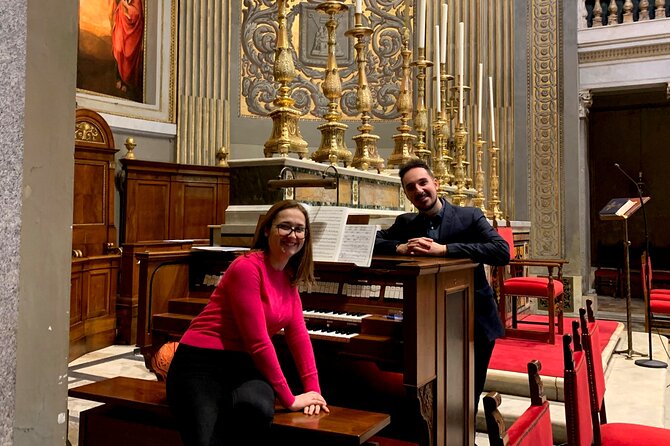
The headline of the evening is the pairing of a live organ with a countertenor. That combination is both musical and slightly magical in a very specific way. The organ brings structure and power. It can sound bright and ceremonial, then suddenly feel intimate when the music turns. A countertenor adds a different color to the blend—one you don’t hear every day unless you go looking for early music specialists.
What I like about this setup is how clearly it matches the Baroque era. Baroque music often needs contrast: loud and soft, flowing and angular, human voice and instrument conversation. The organ and countertenor don’t just perform beside each other. They trade roles. In the best moments, you feel like the church is part of the ensemble.
Also, the performers are described as prestigious artists tied to the Papal Sistine Chappel Choir. That’s not a vague badge. It signals that you’re not rolling the dice on a one-off recital. The style you hear tends to be disciplined: clean articulation, controlled dynamics, and an approach that treats the program as a story, not a random playlist.
If you’re a music fan, this is the kind of concert where you might catch details you normally miss. If you’re not, it still works, because the voice-to-organ contrast is easy to feel even when you’re not reading along with a score.
What You’ll Hear: Händel, Vivaldi, Bach, Pergolesi and Böhm
The program includes works by Händel, Vivaldi, Bach, Pergolesi, Böhm, and more. That list is a strong “greatest hits” of Baroque composers, but it’s also practical for listeners. You get familiar names alongside pieces that keep the evening from feeling like museum audio.
Here’s why that program choice matters for your experience:
- It covers different Baroque flavors. Handel, Vivaldi, Bach, and Pergolesi each bring their own rhythm and mood, even when the style umbrella is the same.
- It supports a live-in-church listening experience. Baroque writing can be crisp and speech-like. In a church, that crispness turns into clarity rather than echo.
- It keeps curiosity alive. Reviews singled out how interesting and somewhat unique the program felt, not just standard background music.
One thing I’d keep in mind: this isn’t billed as casual entertainment. It’s a curated concert night. So if you love hearing the shape of the music—how a line builds or how the organ supports a vocal phrase—you’re in the right place.
And the countertenor voice deserves its own mention. Reviews leaned hard on how rare that sound can feel to the ear, and how it’s part of what made the concert memorable. Even if you already know vocal ranges, this one tends to pull attention fast.
Best Time to Go and How to Pair It With Rome Sightseeing
This is an evening concert, which makes it unusually easy to pair with Rome sightseeing. The biggest advantage of timing is that you get a complete day arc: you explore by day, then you switch to something quieter and more emotional at night.
Here’s a simple way to plan it:
- Do your day sights with a “get some walking in” attitude.
- Save this concert for a time when you want your evening to feel more deliberate.
- Treat it as a highlight, not a filler.
Also, because the concert runs about 1 hour, you’re less likely to get stuck in a schedule spiral. You can still do a post-concert stroll for gelato or a final look at the area’s Baroque street scenes, without losing the whole evening to a long event.
If you’re trying to fit this between major landmarks, don’t overthink it. This experience is designed to work as a standalone cultural moment in the middle of a broader Rome plan. In a city full of “see it now, move on fast,” that’s a real kind of value.




Your Seat and the Sound: Making the Most of a 1-Hour Concert
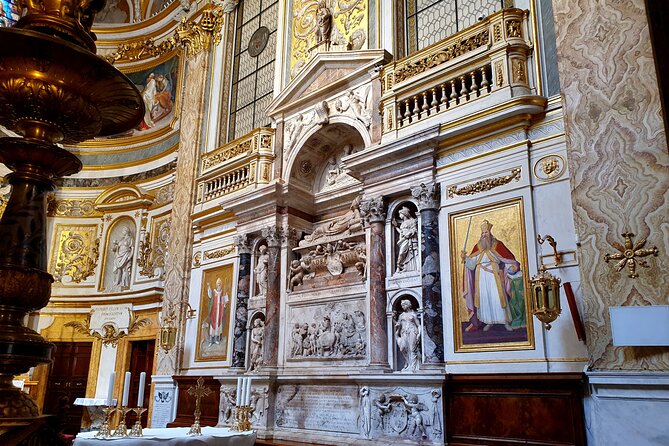
With a concert lasting about an hour, the pacing is tight. Baroque music often benefits from a calm start and full focus, because details build quickly. That’s why your first goal should be to get settled early enough to stop adjusting coats, checking phones, or mentally sprinting to the next thing.
From the listener perspective, a couple elements tend to make this kind of program hit harder:
- Live organ resonance gives the music physical weight.
- Vocal clarity matters even when the room is reverberant; a strong countertenor line helps you track the melody.
- The setting’s atmosphere turns the performance into an experience rather than just sound.
Reviews describe a surreal or ancient-times feeling tied to the church environment. You don’t need to chase that as a goal. Just know that the mood is part of the performance quality. If you show up expecting to listen, not just watch, the hour goes by well.
One small consideration: since this is in a church, it’s still a seated event, so comfort matters. I’d aim for a steady, no-fuss experience: comfortable footwear, and a mindset that lets you sit and enjoy.
Group Size, Language, and Who This Fits
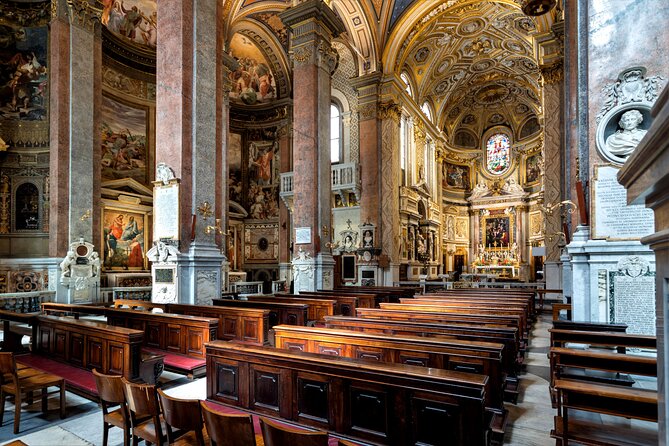
The event caps at 50 travelers, which is a sweet spot for a concert. It’s large enough that you get an audience energy, but small enough that the mood stays cohesive. In practical terms, that tends to mean less chaotic entry and a calmer transition into the performance.
It’s also offered in English, so you don’t have to work to follow the program. Language support is especially helpful in music, where you want your attention on the phrasing and the interplay between voice and organ—not on decoding explanations.
Who this fits best:
- You’re a music lover, especially someone curious about Baroque performance styles.
- You’re an art and architecture person who likes the idea of hearing music inside the building that shaped it.
- You want an evening highlight that feels more “Rome” than “another concert hall.”
If you’re the type who only likes concerts that include lots of spoken narration, you might find this more performance-forward than chat-focused. But if you love the pure listening experience, the hour format is a plus.
Value for Money: Included Admission in a Top Church Setting
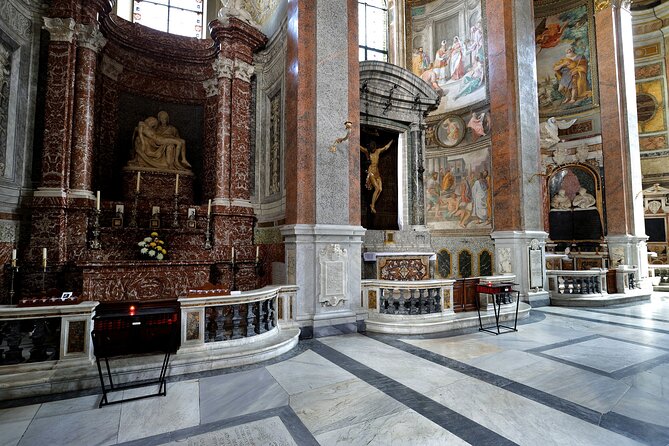
There’s a straightforward value equation here. You get admission included, a live organ and countertenor performance, and a Baroque church interior that’s part of what you paid for. Add in the fact it’s capped at 50, in English, and you’re looking at a compact cultural night that doesn’t require extra logistics.
This is also a good example of where “price” should be judged by what you receive:
- You’re paying for a live specialist performance, not background music.
- The venue is doing work for you, acoustically and visually.
- The duration is efficient. About an hour means you’re not losing most of a night to schedule buffers.
So if you’re deciding between a generic evening activity and something that feels crafted, this leans toward the crafted side. It’s the kind of experience that makes your Rome trip feel more textured, not just longer.
Should You Book This Baroque Masterpieces Concert?
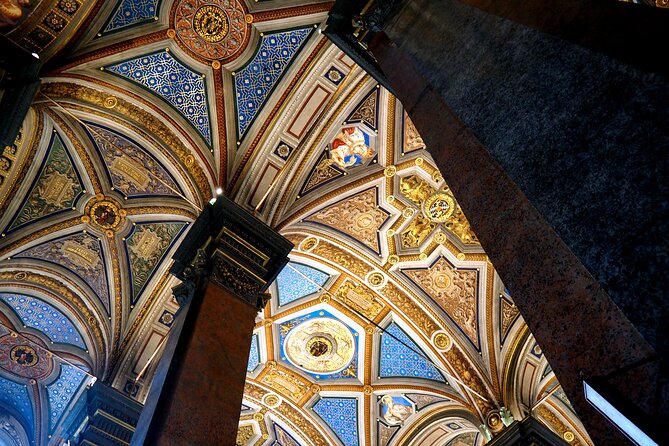
I’d book it if you want an evening in Rome that combines live music with a truly Baroque setting. The standout strengths are the live organ plus countertenor duo, the strong Baroque composer lineup (Händel, Vivaldi, Bach, Pergolesi, Böhm), and the way the church atmosphere turns the concert into something you remember.
I’d think twice only if you’re looking for lots of variety in activities during the same time slot. This is a focused show. There’s not much “wandering” built in. But if you can appreciate one great hour, this is a smart, high-reward choice.
FAQ
Where does the concert take place?
It takes place at Chiesa di Santa Maria dell’Anima in Rome, Italy.
How long is the concert?
The duration is about 1 hour.
Is the concert in English?
Yes. The experience is offered in English.
Who performs in the concert?
The performance features a live organ and a countertenor, performed by prestigious artists of the Papal Sistine Chappel Choir.
What music is included?
The program includes works by Händel, Vivaldi, Bach, Pergolesi, Böhm, and more.
Is admission included?
Yes. Admission ticket is included.
How many people are in the group?
The experience has a maximum of 50 travelers.
Can I cancel for a full refund?
Free cancellation is available up to 24 hours in advance for a full refund.
Are service animals allowed?
Yes, service animals are allowed.
More Concerts in Rome
- Rome: “The Most Beautiful Opera Arias” Concert
★ 4.3 · 2,495 reviews - Rome: Opera Concert at Palazzo Poli – Fontana di Trevi
★ 4.7 · 1,026 reviews - Rome: The Three Tenors at St. Paul’s Church Concert Ticket
★ 4.7 · 699 reviews - Rome: Italian Opera Night Concert by Candle Glow
★ 4.6 · 630 reviews - The Great Opera Arias Concert at Palazzo Poli – Trevi Fountain
★ 5.0 · 533 reviews - Rome: Italian Opera Concert and Traditional Dinner
★ 4.1 · 453 reviews
More Tour Reviews in Rome
- Vatican Museums, Sistine Chapel & St. Peter’s Basilica Tour
★ 4.3 · 73,970 reviews - Vatican Museums, Sistine Chapel & St Peter’s Basilica Guided Tour
★ 4.5 · 39,149 reviews - Rome: Colosseum, Palatine Hill and Roman Forum Guided Tour
★ 4.8 · 32,814 reviews - Rome: Guided Tour of Colosseum, Roman Forum & Palatine Hill
★ 4.7 · 27,897 reviews - Rome: Colosseum & Forum with Audio Guide App -Optional Arena
★ 4.2 · 24,770 reviews - Rome: Colosseum, Roman Forum and Palatine Hill Guided Tour
★ 4.5 · 23,903 reviews
Just added to our Rome reviews





Concerts, compared.
 ★ 4.3“The Most Beautiful Opera Arias” ConcertFrom $402,495 reviews
 ★ 4.7Opera Concert at Palazzo Poli – Fontana di TreviFrom $471,026 reviews
 ★ 4.7The Three Tenors at St. Paul’s Church Concert TicketFrom $41699 reviews
 ★ 4.6Italian Opera Night Concert by Candle GlowFrom $37630 reviews
 ★ 5.0The Great Opera Arias Concert at Palazzo Poli – Trevi FountainFrom $48533 reviews
 ★ 4.1Italian Opera Concert and Traditional DinnerFrom $94453 reviews
 ★ 4.5Concert Ticket – The Most Beautiful Opera Arias by Opera da Camera di RomaFrom $38322 reviews
 ★ 4.7“Opera’s Greatest Hits” Opera Concert with AperitifFrom $40187 reviews
Browse the lists this tour appears in