
Reviewed · MUSEUMS
Leonardo da Vinci Museum Tour with Interactive Activities
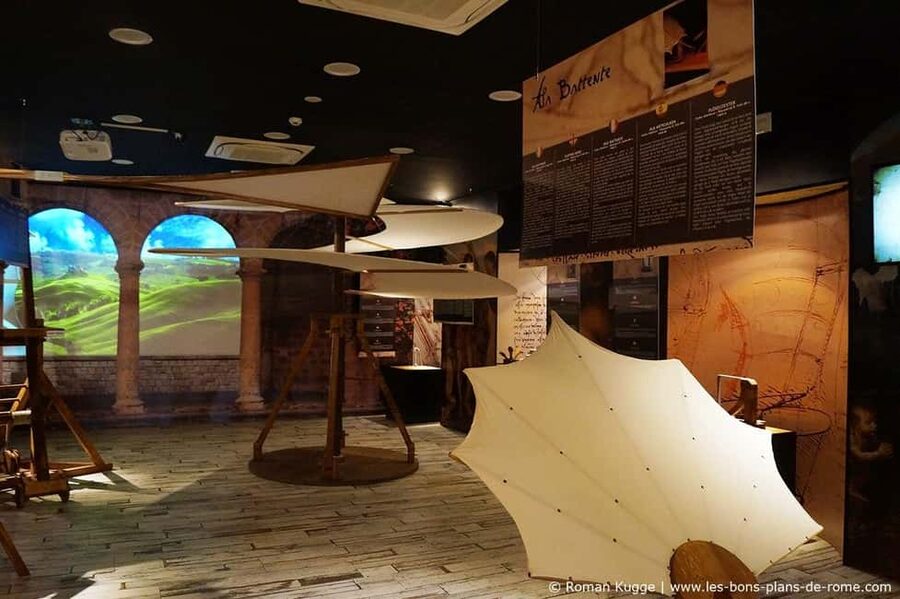
Leonardo’s machines are fun because they teach. In a short, guided stop in Rome, you’ll see 50 full-scale inventions and step into the Room of Mirrors, where da Vinci’s ideas about light turn into a hands-on show. I love how this tour links art and engineering instead of treating them like separate worlds.
Two things really work for me: the interactive replica approach (some models are meant to be handled), and the extra art component with 20 certified reproductions of da Vinci paintings. One clear drawback to consider is that the time is only 1 hour, and the museum itself is described as small—so if you want hours of wandering on your own, this may feel tight.
You’ll meet your guide right at the entrance on Via della Conciliazione, use a separate line to get in fast, and spend your hour getting guided context so the models make sense. The experience is also offered in English, French, and Italian, which helps if you’re juggling your language comfort while traveling.
In This Review
- Key highlights to know before you go
- Where you start: Via della Conciliazione and quick entry
- The “one hour” format: what that speed does well (and what it can’t)
- 50 full-scale replicas: seeing engineering like da Vinci would
- Room of Mirrors: how light studies become a show
- The painting side: 20 certified reproductions you can actually pair with ideas
- What photos you should plan for: helicopter and armored tank moments
- Your guide experience: semi-private learning, and which guides seem to shine
- Price and value: is $41 fair for an hour in a small museum
- Who should book this tour
- Quick accessibility note (because the details conflict)
- Should you book this Leonardo da Vinci museum tour?
- FAQ
- How long is the Leonardo da Vinci Museum tour?
- What is the meeting point for the tour?
- What’s included in the ticket price?
- Can I take photos during the tour?
- What languages is the live guide available in?
- Is this tour suitable for wheelchair users?
Key highlights to know before you go
- 50 full-scale replicas of da Vinci inventions, from flying concepts to robots and submarines
- Room of Mirrors tied to da Vinci’s studies of light, with projections/optics effects
- Interactive models you can handle (not everything, but enough to make it feel alive)
- 20 certified painting reproductions restored by Vatican Museum artists
- Photo moments beside a helicopter model and an armored tank model
- Guide-first learning in a semi-private format that stays focused for a 1-hour visit
Where you start: Via della Conciliazione and quick entry
This tour begins outside the Leonardo da Vinci Museum entrance, at Via della Conciliazione 19, Rome. The practical win is the skip-the-line entrance through a separate entry. For a one-hour experience, that matters more than it would for a full-day visit, because you’re trading time spent waiting for time spent learning.
Show up in comfortable shoes. The museum experience is designed to move at a guided pace, and you’ll want to be steady on your feet. Bring a camera, too, because photography is allowed—just not flash photography. If you’re someone who likes to take lots of photos, you’ll have plenty of chances, but remember: lighting matters and flash is a no.
You also won’t have hotel pickup or drop-off here. So you’ll want to plan your Rome route like you mean it: get yourself to the entrance first, then let the guide handle the museum flow. If you’re traveling with a tight schedule, this format is relatively easy to plug into your day because it’s short and starts at a clear meeting spot.
Worth a look next to this Rome booking:
- Vatican Museums, Sistine Chapel & St. Peter’s Basilica Tour
★ 4.3 · 73,970 reviews - Vatican Museums, Sistine Chapel & St Peter’s Basilica Guided Tour
★ 4.5 · 39,149 reviews - Rome: Vatican Museums, Sistine Chapel and Basilica Tour
★ 4.3 · 16,039 reviews - Vatican Museums & Sistine Chapel Skip-the-Line Entry Ticket
★ 4.4 · 13,838 reviews
The “one hour” format: what that speed does well (and what it can’t)
The entire experience is built around a 1-hour guided visit. That’s a blessing if you’re busy or you don’t want a museum day that stretches beyond your energy level. A good guide can turn a small space into a strong story arc—what da Vinci tried to invent, what he studied, and why his ideas still show up in modern engineering and imaging.
It’s also a risk. If you’re expecting to linger, you might feel the squeeze. Some people felt the museum was small and the time short for the price, and that’s a fair consideration when you’re trying to decide if $41 is worth it for your style of travel.
Here’s how I’d think about it: this is not the tour for someone who wants to “wander and absorb.” It’s for people who want the best parts explained fast—then get out while the experience is still fresh. If you like structured learning, you’ll likely leave feeling like you understood more than you expected.
50 full-scale replicas: seeing engineering like da Vinci would
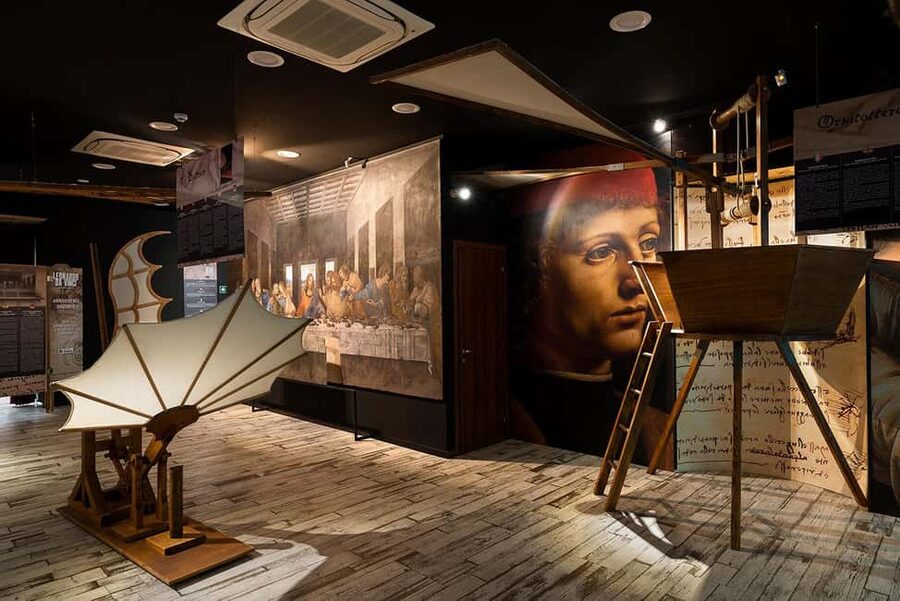
The core of the tour is the lineup of 50 full-scale replicas of da Vinci’s most famous inventions. That phrase full-scale is important. It’s the difference between peeking at models in glass cases and seeing machines at a size where you can genuinely picture how they would move and function.
Expect inventions tied to flight and mechanics—flying-machine concepts are specifically mentioned—plus machines including robots, submarines, and solar-powered devices. Even when a design is centuries ahead of the technology needed to build it, you can still learn a lot by watching how da Vinci thought: structure, motion, gears, proportions, and how to translate an idea from sketch to working parts.
What makes this part of the tour feel special is the hands-on element. The museum notes that some interactive inventions are meant to be handled, and the tour experience is designed to be a hands-on guided activity. In practice, this tends to turn “cool models” into “I get it now” moments—because you’re not only looking. You’re using your senses to understand size and mechanism.
If you’re traveling with kids, this kind of interaction usually lands well because it feels like play with purpose. If you’re traveling solo or as a couple, it still works because it makes the science more memorable.
Room of Mirrors: how light studies become a show
One standout stop is Leonardo’s Room of Mirrors. The tour frames it as a place where da Vinci’s studies of light connect to later ideas like projection and even parallels to photography as a concept. That might sound abstract before you see it, but the whole point of this room is that you experience the optics rather than just hearing the lecture.
I like this segment because it expands the tour beyond “machines.” Da Vinci wasn’t just inventing hardware—he was also studying how humans see. Mirrors, reflections, and light behavior give you a quick path into a big idea: engineering isn’t only metal. It’s also understanding signals, perception, and information.
This also explains why many people treat this tour as more educational than you’d expect from a short museum stop. You’re not only walking past replicas. You’re being guided to the logic behind them—especially the link between experimentation and invention.




The painting side: 20 certified reproductions you can actually pair with ideas
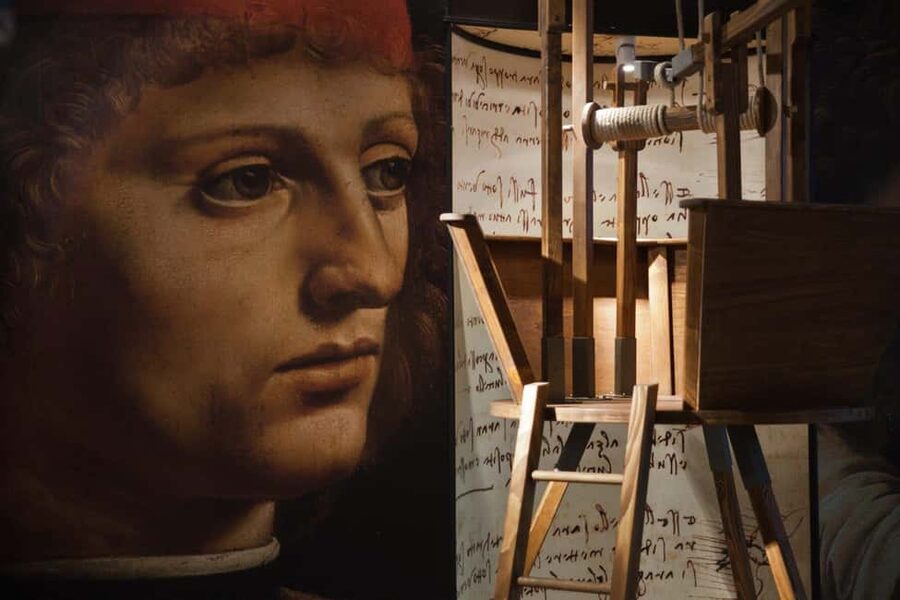
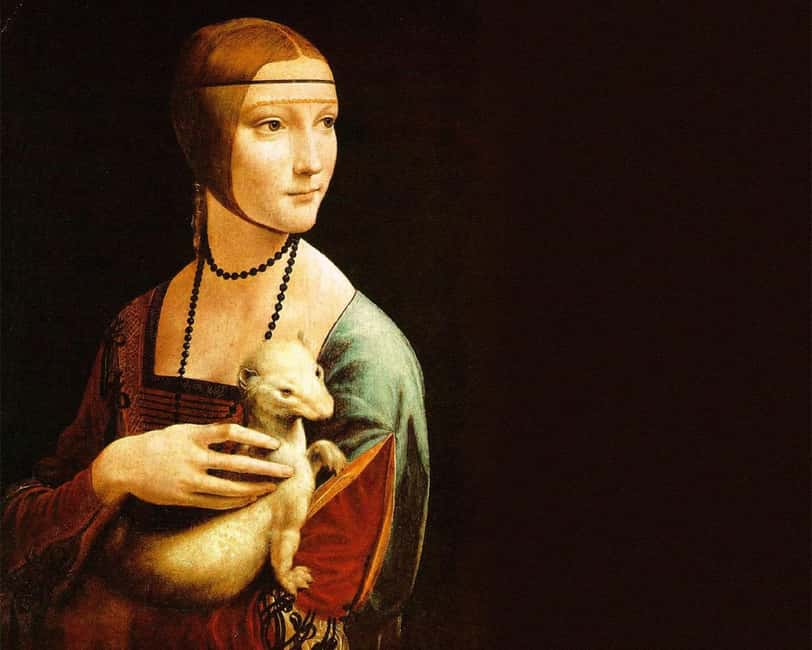
Da Vinci is famous for art, and this tour doesn’t ignore that. You’ll admire 20 certified reproductions of his paintings, described as restored by prominent Vatican Museum artists. That certification and restoration detail matters because it’s meant to signal quality and authenticity of the reproduction work.
Why does that pairing work? Because it helps you see how the man operated across disciplines. If you’ve ever wondered how someone can be a painter and an inventor at the same time, this is a quick way to get your answer: observation, attention to form, and careful study show up in both art and machines.
Just know what this part is (and isn’t). It’s not a deep art-history seminar. It’s a guided add-on within a one-hour visit. If you want museum-level time with masterpieces, you’ll probably need a longer plan in addition to this tour. But if you want one coherent Leonardo experience where art and science speak to each other, this inclusion is a strong value move.
What photos you should plan for: helicopter and armored tank moments
This is a photo-friendly tour, and the info you get leads to better shots than random snapshots. You’ll have memorable photo opportunities beside models of Leonardo’s helicopter and an armored tank.
I suggest thinking about your camera like you’re documenting a story, not just collecting images. Take a quick photo of the helicopter model first, then look around for how the guide connects its design to the era’s engineering logic. Same with the armored tank. Those two models act like anchors: once you photograph them, your brain locks in the theme of “da Vinci predicted future machine categories.”
Also remember: no flash photography. That means you’ll likely rely on ambient indoor lighting. If your camera struggles indoors, switch to portrait mode or a higher ISO setting ahead of time so you’re not fumbling once you’re already in the room.
Your guide experience: semi-private learning, and which guides seem to shine
The tour is described as semi-private and personalized, with an expert live guide. You’ll get guidance in English, French, or Italian. In a short format, the guide is the difference between a collection of machines and a real understanding of the ideas.
The review details you should pay attention to are about how guides communicate. For example, Naomi was praised for strong English without accent and for making the tour feel interactive and worth the money. Carla was also singled out as amazing, with detailed, knowledgeable, and friendly information. On the other hand, there were complaints about limited guide knowledge and the time feeling too short.
So here’s the practical takeaway: if you value strong interpretation, pick the time slot you can where the language you want is likely available, and arrive a touch early so you start the tour calm and ready. If you’re prone to getting frustrated when you don’t feel like you’re getting deep explanations, you may want to set expectations: this is guided, but it’s still only an hour.
Price and value: is $41 fair for an hour in a small museum
Let’s talk money plainly. The price is $41 per person for 1 hour, and it includes the skip-the-line ticket plus an expert guide. That bundled value can be good because waiting time and museum entry fees are often what quietly add up on day tours.
But value is personal. Some people felt it was too expensive for the amount of time and that the museum is small. That critique usually lands when someone expected a longer museum visit, more hands-on time, or more expansive galleries.
Here’s how I’d decide if it’s worth it for you:
- If you want a Leonardo-focused crash course with interactive moments and clear explanations, $41 can feel fair because you’re buying a guided experience, not just a ticket.
- If you want hours of independent browsing or detailed art and engineering depth, you might find the one-hour cap limiting.
My advice: treat this as an efficient way to get your bearings in Leonardo’s world. If it sparks your curiosity, you can follow up later with a longer, self-guided plan elsewhere in Rome. If it doesn’t, at least you’ll have gotten the best highlights without losing half a day.
Who should book this tour
This tour fits best if you:
- Like hands-on science and engineering rather than only reading labels
- Want a fast, guided introduction to Leonardo that connects art and technology
- Travel with family members who enjoy interactive exhibits
- Prefer learning in a semi-private format rather than a big group scramble
It may be less ideal if you:
- Want long museum wandering or lots of time with paintings
- Get cranky when a guided plan moves quickly
- Are relying on accessibility features and want guaranteed wheelchair suitability (see the note below)
Quick accessibility note (because the details conflict)
The information provided says the experience is wheelchair accessible, but it also lists it as not suitable for wheelchair users. That’s a contradiction, and it’s important. If accessibility is a key concern for you, contact the operator or confirm directly before booking so you know what will work on-site for your situation.
Should you book this Leonardo da Vinci museum tour?
I’d book it if you want a short, focused Leonardo hit with touchable replicas, the Room of Mirrors, and guided context that makes the inventions and art feel connected. The skip-the-line entry and semi-private style also help you get more out of a limited time window.
Don’t book it if you’re expecting a long museum day or deep, slow-paced study. At $41 for one hour, you’re paying for efficiency and guidance. If that matches your travel style, you’ll likely walk away impressed. If you prefer to linger, you might feel the clock working against you.
If you’re on the fence, here’s a useful rule: if you enjoy interactive exhibits and guided explanation, this is the right kind of Leonardo experience. If you don’t, you might prefer to visit at your own pace.
FAQ
How long is the Leonardo da Vinci Museum tour?
The tour lasts 1 hour.
What is the meeting point for the tour?
Meet your guide just in front of the Leonardo da Vinci Museum entrance at Via della Conciliazione 19, Rome.
What’s included in the ticket price?
Your ticket includes an expert live guide for a semi-private tour, skip-the-line museum entry, access to 50 full-scale replicas, and 20 certified reproductions of Leonardo’s paintings.
Can I take photos during the tour?
Yes, photography is allowed, but flash photography is not allowed.
What languages is the live guide available in?
The tour guide is available in English, French, and Italian.
Is this tour suitable for wheelchair users?
The information provided says the experience is wheelchair accessible, but it also lists it as not suitable for wheelchair users. Because of that contradiction, it’s smart to confirm details with the operator before booking.
More Museums in Rome
- Vatican Museums, Sistine Chapel & St. Peter’s Basilica Tour
★ 4.3 · 73,970 reviews - Vatican Museums, Sistine Chapel & St Peter’s Basilica Guided Tour
★ 4.5 · 39,149 reviews - Rome: Vatican Museums, Sistine Chapel and Basilica Tour
★ 4.3 · 16,039 reviews - Vatican Museums & Sistine Chapel Skip-the-Line Entry Ticket
★ 4.4 · 13,838 reviews - Rome: Vatican Museums, Sistine Chapel & Basilica Tour
★ 4.7 · 13,217 reviews - Rome: Vatican Museums & Sistine Chapel Guided Tour
★ 4.3 · 12,117 reviews
More Tours in Rome
- Vatican Museums, Sistine Chapel & St. Peter’s Basilica Tour
★ 4.3 · 73,970 reviews - Vatican Museums, Sistine Chapel & St Peter’s Basilica Guided Tour
★ 4.5 · 39,149 reviews - Rome: Colosseum, Palatine Hill and Roman Forum Guided Tour
★ 4.8 · 32,814 reviews - Rome: Guided Tour of Colosseum, Roman Forum & Palatine Hill
★ 4.7 · 27,897 reviews - Rome: Colosseum, Roman Forum and Palatine Hill Guided Tour
★ 4.5 · 23,903 reviews - Rome: Colosseum Arena Floor, Palatine & Forum Guided Tour
★ 4.5 · 20,180 reviews
More Tour Reviews in Rome
- Vatican Museums, Sistine Chapel & St. Peter’s Basilica Tour
★ 4.3 · 73,970 reviews - Vatican Museums, Sistine Chapel & St Peter’s Basilica Guided Tour
★ 4.5 · 39,149 reviews - Rome: Colosseum, Palatine Hill and Roman Forum Guided Tour
★ 4.8 · 32,814 reviews - Rome: Guided Tour of Colosseum, Roman Forum & Palatine Hill
★ 4.7 · 27,897 reviews - Rome: Colosseum & Forum with Audio Guide App -Optional Arena
★ 4.2 · 24,770 reviews - Rome: Colosseum, Roman Forum and Palatine Hill Guided Tour
★ 4.5 · 23,903 reviews
Just added to our Rome reviews





Museums, compared.
 ★ 4.5Vatican: Museums & Sistine Chapel Entrance TicketFrom $38144,003 reviews
 ★ 4.3Vatican Museums, Sistine Chapel & St. Peter’s Basilica TourFrom $7273,970 reviews
 ★ 4.5Vatican Museums, Sistine Chapel & St Peter’s Basilica Guided TourFrom $2239,149 reviews
 ★ 4.3Vatican Museums, Sistine Chapel and Basilica TourFrom $7316,039 reviews
 ★ 4.4Vatican Museums & Sistine Chapel Skip-the-Line Entry TicketFrom $4313,838 reviews
 ★ 4.7Vatican Museums, Sistine Chapel & Basilica TourFrom $7213,217 reviews
 ★ 4.3Vatican Museums & Sistine Chapel Guided TourFrom $11812,117 reviews
 ★ 4.2Vatican Museums & Sistine Chapel Skip-The-Line TicketFrom $4111,708 reviews