

Reviewed · MUSEUMS
Leonardo da Vinci Experience Museum Admission
Leonardo’s ideas turn up in Rome, fast. What makes this museum fun is the self-paced way you move through da Vinci’s inventions, machines, and art right by St. Peter’s. I especially like the guaranteed access and the flexible timing that lets you fit it around Vatican plans. One thing to consider: the site is fairly compact, and many displays are reproductions and models rather than original artifacts.
You get a prepaid voucher and can use it at the ticket redemption point near the basilica, then go in during opening hours on your schedule. The experience is built around an English audio guide (with other languages too), so you can slow down for the optics and mechanisms or skim if you’re short on time.
If you’re expecting big, gallery-style rooms like the top Vatican Museums halls, you might be surprised. A few visitors also flag issues like tight space and sometimes less-than-great audio quality through the devices, so it’s smart to plan this as a quick, hands-on side visit rather than your main “Rome museum day.”
In This Review
- Key Things to Know Before You Go
- Guaranteed Entry Near St. Peter’s Basilica
- Self-Guided Audio Guide: The Best Way to Do It
- Room I: Flying Machines and The Last Supper Reproduction
- Room II and Room III: War Machines, Music, and Optics
- Room IV: Everyday Objects Created by Principles
- Room V: Paintings Reproductions and Final Room Wrap-Up
- How Long It Takes (and When to Visit)
- Pair It With the Vatican Museums (or Use It as a Break)
- Price and Value: Is $19.22 Worth It?
- Small Space Reality Check (What Might Bug You)
- Who Should Book This Admission Ticket?
- Should You Book This Admission Ticket?
- FAQ
- What is included with the Leonardo da Vinci Experience admission?
- Where do I redeem my ticket voucher?
- How long should I plan to spend inside?
- What are the opening hours?
- Is there a guided tour with a person?
- Can I visit at any time during opening hours?
- Does it have an English option?
- Is hotel pickup or drop-off included?
Key Things to Know Before You Go
- Guaranteed admission to the Leonardo da Vinci Experience during opening hours
- Self-guided with an audio guide available in English (plus several other languages)
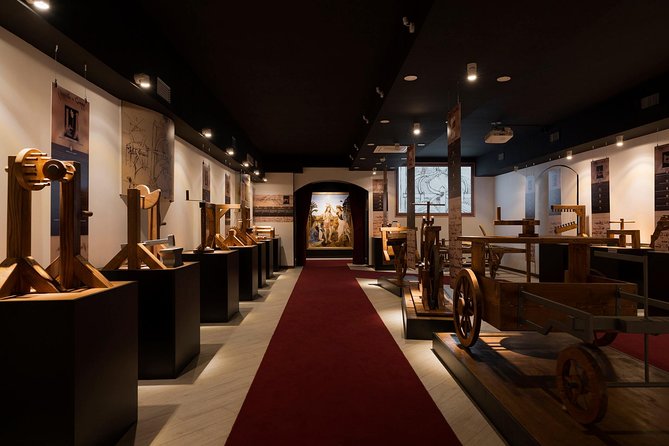
- Five rooms covering flying machines, war machines, perspectives/optics, everyday principles, and painting reproductions
- Location near St. Peter’s Basilica at Via della Conciliazione 19, easy to pair with Vatican sights
- Compact museum layout, so build time for pacing but don’t expect a huge complex
- Reproductions and models are part of the experience, so manage expectations if you want originals
Guaranteed Entry Near St. Peter’s Basilica
This is a smart ticket if you want Leonardo da Vinci without turning it into a whole production. The museum is staged in Vatican City and sits just a short walk from St. Peter’s Basilica, with a nearby ticket redemption point at Via della Conciliazione 19.
What I like most is the practical promise: your prepaid admission means you’re guaranteed access. Instead of stressing about timed slots or lining up for a chance to get in, you can pick a moment that matches your Vatican plans (or just your energy level).
Opening hours run daily, with the listed schedule from 9:00 AM to 6:00 PM (for the period shown). That flexibility matters because Rome days rarely go exactly to plan—lines, weather, and “one more stop” moments are real.
Worth a look next to this Rome booking:
- Vatican Museums, Sistine Chapel & St. Peter’s Basilica Tour
★ 4.3 · 73,970 reviews - Vatican Museums, Sistine Chapel & St Peter’s Basilica Guided Tour
★ 4.5 · 39,149 reviews - Rome: Vatican Museums, Sistine Chapel and Basilica Tour
★ 4.3 · 16,039 reviews - Vatican Museums & Sistine Chapel Skip-the-Line Entry Ticket
★ 4.4 · 13,838 reviews
Self-Guided Audio Guide: The Best Way to Do It
This isn’t a guided tour with a person herding you along. You’ll use the provided audio guide and explore at your own pace, moving room to room.
In my opinion, this format is the right match for how the exhibits are set up. The museum is interactive and hands-on, which means you’ll learn more by stopping when something clicks, not by waiting for a tour narration to catch up. You’ll also be able to choose how deep you go—quick highlights or more detail—without feeling rushed.
The audio guide is available in many languages, and English is included. One helpful review detail: there’s a way to use the audio device by interacting with the exhibits to get explanations. The sound quality doesn’t get perfect marks every time, though, so if you’re picky about audio, consider bringing your own headphones if allowed where you’re using the device.
Room I: Flying Machines and The Last Supper Reproduction
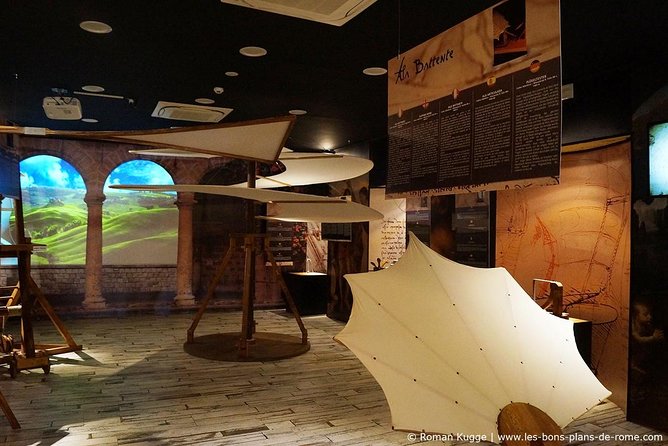
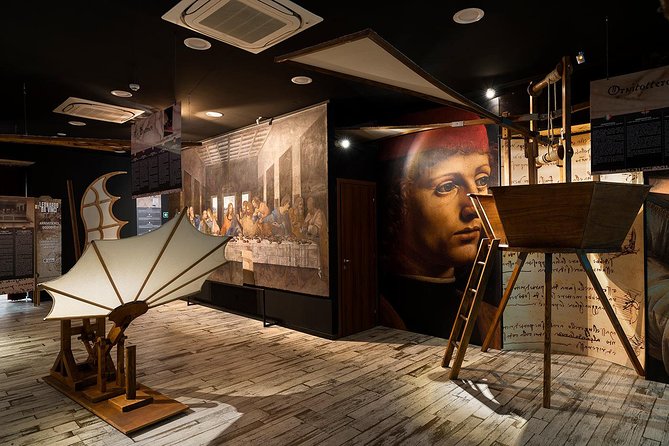
Room I is where da Vinci the inventor grabs you first. You’ll see flying-machine concepts, including a prototype hang glider idea, alongside a life-size reproduction of The Last Supper.
Even if you know the famous painting already, I like how it’s used here. It’s not just “look at art,” it’s “watch genius at work,” with da Vinci’s creativity shown as both artist and engineer. The room structure is also friendly for short attention spans, since you get a mix of big visuals and practical mechanical thinking.
Hands-on elements show up in this early part, so it’s a good room to start with if you want an easy win. If you’re traveling with kids or teens, this is often the quickest section to spark curiosity because it feels like stepping into an inventor’s workshop.
Room II and Room III: War Machines, Music, and Optics
Room II shifts to a darker theme: artillery and war machines. You’ll encounter drawings and concepts such as a multi-directional gun machine with twelve barrels, plus a catapult idea.
This section can feel like a wake-up call. It’s a reminder that da Vinci’s notebooks weren’t only sketches of peaceful tools and graceful art. The museum’s payoff is that you get the mechanical thinking explained in a way that’s easier than reading a dense textbook.
Then Room III goes into perspectives—basically how you see and how you design. Here you’ll find devices tied to music and optics, including a projector concept and a perspectograph, plus a Room of Mirrors.
I particularly like Room III because it connects art technique to engineering. Perspective isn’t just for painters—it’s a practical science. If you’ve ever been impressed by Renaissance drawings and wondered how it was engineered, this is the part that gives you a sensible answer.
One caution: the museum can feel close in some areas, so if you’re sensitive to crowds or narrow pathways, you may want to time your visit for a calmer hour.




Room IV: Everyday Objects Created by Principles
Room IV is the most “usable in real life” section, and it’s a good pivot from big fantasy inventions. You’ll see everyday objects shown as outgrowths of da Vinci’s ideas—things like a bicycle concept, spring principles, and a life preserver.
This room helps you see the museum’s message: genius isn’t only about machines that never get built. It’s about the logic behind them, the principles that later inventors can use and adapt.
If you’re the type who likes connecting ideas to modern life, this is a section where your brain will quietly start doing math. You’ll notice how a spring or a mechanical concept can translate into multiple inventions, not just one.
A practical note: because the museum is compact, Room IV is usually where you decide whether you want to slow down for every device or keep moving and save energy for the art room.
Room V: Paintings Reproductions and Final Room Wrap-Up
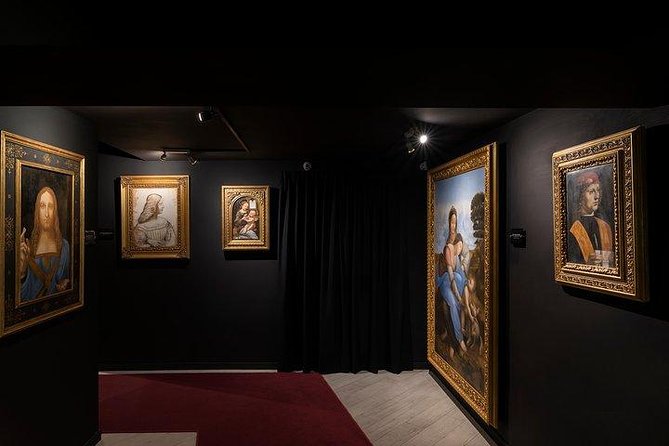
Room V is where the museum turns fully toward artwork. It includes 20 works of art and features reproductions of some of Leonardo’s most famous paintings.
This is where expectations matter. The museum is built around reproductions and modeled concepts, not a gallery of original Renaissance paintings. That’s perfectly fine for a short, focused experience, but if you came for authentic masterpieces, you may feel underwhelmed.
Still, I think the room works as a satisfying finish. By the time you reach the art, you’ve already learned how Leonardo thought like an engineer—so the paintings don’t feel detached. You get a closing reminder that da Vinci’s creativity wasn’t separated into boxes.
How Long It Takes (and When to Visit)
The experience is listed at about 1 to 2 hours. That range is realistic because you can move quickly through the rooms or spend time interacting with the displays and using the audio guide at your own pace.
Some visitors report it taking around half an hour to get through, especially if you focus on the main ideas and skip extra interactions. If you’re reading carefully or stopping to test hands-on parts, plan closer to the full 1 to 2 hours.
Timing-wise, I recommend you treat this as a midday or late-afternoon reset if you’re planning to do the Vatican earlier. Rome walking adds up fast, and a short, self-guided museum can help you break up the day without losing momentum.
Crowd levels seem to vary. One person describes a calm and quiet atmosphere; another notes there can be kids running around. If quiet is a priority for you, pick a time that isn’t peak family time.
Pair It With the Vatican Museums (or Use It as a Break)
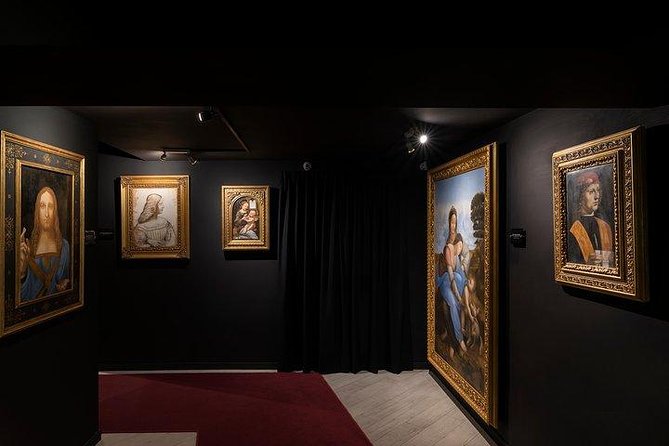
This admission ticket is best used as a connector in your Vatican-area day. Since it’s near St. Peter’s Basilica, it’s easy to tack on after a Vatican Museums visit or as a lighter alternative when you need a breather.
Here’s a practical way to plan it:
- If you’re doing the Vatican Museums and St. Peter’s on the same day, I’d place this museum between them or right after St. Peter’s.
- If you’re only doing one big Vatican ticket, use this as the second “anchor” so you still get a full creative payoff from Leonardo without committing to another huge museum.
Because the timing is flexible, you can move it to match your energy. That’s a real advantage in Rome, where even a well-planned day can go off-script.
Price and Value: Is $19.22 Worth It?
At $19.22 per person, this isn’t a bargain museum, but it can be good value for what you’re getting: guaranteed entry, a multi-language audio guide, and interactive rooms that don’t require a guided group.
You’re paying for convenience and for a format that’s easy to enjoy—especially if you want a self-paced activity near the Vatican. If you’re pressed for time and can’t fit in a bigger museum, this ticket can be a smart “I still want something creative” stop.
The value depends on your expectations. If you want original paintings, you might feel like you paid too much for reproductions. If you’re excited by inventions, optics, and mechanical thinking (even in model form), the price starts to feel more reasonable.
I’d also weigh your travel style. For families, this setup is often easier than long, quiet galleries because kids can touch and test. For adults who love learning how things work, Room III (perspectives/optics) tends to be the payoff moment.
Small Space Reality Check (What Might Bug You)
The biggest drawback is the size. The museum is described as small and, in some cases, cramped. If you don’t like tight layouts, especially with other visitors nearby, you may want to go earlier in the day.
Audio quality is another mixed point. The audio guide should help you get the explanations, but some reviews mention the sound or the presentation through the device wasn’t great. That doesn’t mean it’s unusable—just that you shouldn’t assume it’ll feel like a top-notch theater.
Finally, remember that some models may include notes that they might not have been built or used exactly as shown by Leonardo. That’s part of the concept of recreating what da Vinci imagined, but if you’re strict about authenticity, you’ll want to know that upfront.
Who Should Book This Admission Ticket?
I think this works best for:
- Families who want an interactive, short museum stop
- Adults who enjoy inventions, mechanisms, and “how does this work?” thinking
- Visitors who want a Leonardo-themed activity close to St. Peter’s without committing to more big-ticket museum time
It might be less satisfying if:
- You came hoping for original Renaissance paintings and authentic artifacts
- You strongly dislike smaller spaces or want a quiet, wide-open museum layout
- You’re very sensitive to audio quality and presentation
Should You Book This Admission Ticket?
Book it if you want a high-convenience Leonardo experience near St. Peter’s, with flexible timing and a self-guided format that lets you go at your own pace. The guaranteed admission piece is especially valuable on busy Vatican days.
Skip or downgrade your expectations if your main goal is original artworks. Treat it more like an interactive “ideas in action” stop than a traditional fine-art museum.
If you’re deciding last minute: pick it when you need something creative that won’t take over your entire day, and pair it neatly with Vatican time either before or after your main sights.
FAQ
What is included with the Leonardo da Vinci Experience admission?
Your ticket includes entrance to the Leonardo da Vinci Experience Museum plus an audio guide that’s available in multiple languages, including English.
Where do I redeem my ticket voucher?
You redeem at Via della Conciliazione 19, 00193 Roma RM, Italy.
How long should I plan to spend inside?
The experience is listed at about 1 to 2 hours, depending on how much time you spend in each room and with the audio guide.
What are the opening hours?
Opening hours are listed as 9:00 AM to 6:00 PM daily for the period shown.
Is there a guided tour with a person?
No tour guide is listed as included. It’s a self-guided experience with the audio guide.
Can I visit at any time during opening hours?
Yes. The timing is flexible, so you can visit at any time during the museum’s opening hours.
Does it have an English option?
Yes. English is offered, and the audio guide includes English among multiple available languages.
Is hotel pickup or drop-off included?
No. Hotel pickup and drop-off are not included.
More Museums in Rome
- Vatican Museums, Sistine Chapel & St. Peter’s Basilica Tour
★ 4.3 · 73,970 reviews - Vatican Museums, Sistine Chapel & St Peter’s Basilica Guided Tour
★ 4.5 · 39,149 reviews - Rome: Vatican Museums, Sistine Chapel and Basilica Tour
★ 4.3 · 16,039 reviews - Vatican Museums & Sistine Chapel Skip-the-Line Entry Ticket
★ 4.4 · 13,838 reviews - Rome: Vatican Museums, Sistine Chapel & Basilica Tour
★ 4.7 · 13,217 reviews - Rome: Vatican Museums & Sistine Chapel Guided Tour
★ 4.3 · 12,117 reviews
More Tour Reviews in Rome
- Vatican Museums, Sistine Chapel & St. Peter’s Basilica Tour
★ 4.3 · 73,970 reviews - Vatican Museums, Sistine Chapel & St Peter’s Basilica Guided Tour
★ 4.5 · 39,149 reviews - Rome: Colosseum, Palatine Hill and Roman Forum Guided Tour
★ 4.8 · 32,814 reviews - Rome: Guided Tour of Colosseum, Roman Forum & Palatine Hill
★ 4.7 · 27,897 reviews - Rome: Colosseum & Forum with Audio Guide App -Optional Arena
★ 4.2 · 24,770 reviews - Rome: Colosseum, Roman Forum and Palatine Hill Guided Tour
★ 4.5 · 23,903 reviews
Just added to our Rome reviews





Museums, compared.
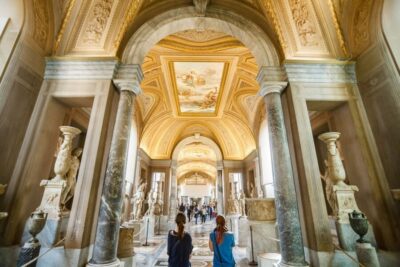 ★ 4.5Vatican: Museums & Sistine Chapel Entrance TicketFrom $38144,003 reviews
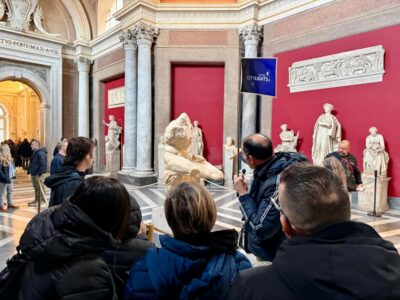 ★ 4.3Vatican Museums, Sistine Chapel & St. Peter’s Basilica TourFrom $7273,970 reviews
 ★ 4.5Vatican Museums, Sistine Chapel & St Peter’s Basilica Guided TourFrom $2239,149 reviews
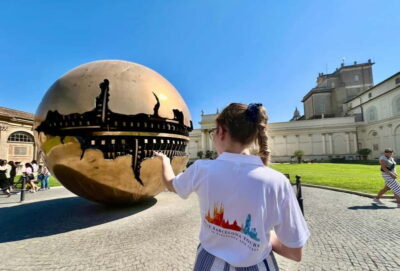 ★ 4.3Vatican Museums, Sistine Chapel and Basilica TourFrom $7316,039 reviews
 ★ 4.4Vatican Museums & Sistine Chapel Skip-the-Line Entry TicketFrom $4313,838 reviews
 ★ 4.7Vatican Museums, Sistine Chapel & Basilica TourFrom $7213,217 reviews
 ★ 4.3Vatican Museums & Sistine Chapel Guided TourFrom $11812,117 reviews
 ★ 4.2Vatican Museums & Sistine Chapel Skip-The-Line TicketFrom $4111,708 reviews