

Reviewed · ROME
Learn to Make Gelato in Rome — Small Group, Family-Friendly
Gelato lessons beat Rome souvenirs every time. In this small group workshop, you learn real gelato technique inside a working Roman gelateria lab near Castel Sant’Angelo, with an English lesson that works for adults and kids.
I love the hands-on rhythm: you build from a simple gelato base and then learn how flavors are added so the texture stays smooth. I also love the family-friendly setup, including aprons and gloves, plus instructors such as Giulia, Joel, or Joelle who are known for keeping kids engaged. One drawback to keep in mind: at about one hour and one included gelato, it’s more of a fun taste-and-make class than a long, full meal-style experience.
In This Review
- Key things to know before you book
- Where this gelato workshop fits in Rome (and why the location matters)
- Inside the gelateria lab near Castel Sant’Angelo
- What you learn to make: the gelato base and then the flavor step
- The hands-on flow: step-by-step, short, and kid-manageable
- Tasting: your chosen gelato plus the batch you make
- Why the instructors make or break this class
- Price and value: what $90.02 buys you in real Rome time
- Family-friendly in a way that actually works
- Logistics that matter (and the one thing to watch)
- Who should book this gelato class (and who might skip it)
- Should you book this gelato-making class in Rome?
- FAQ
- How long is the gelato-making class?
- Where does the class start?
- What time does it start?
- Is the class offered in English?
- What’s included in the price?
- How big are the groups?
- What about transportation?
- Can kids participate?
- Is free cancellation available?
Key things to know before you book
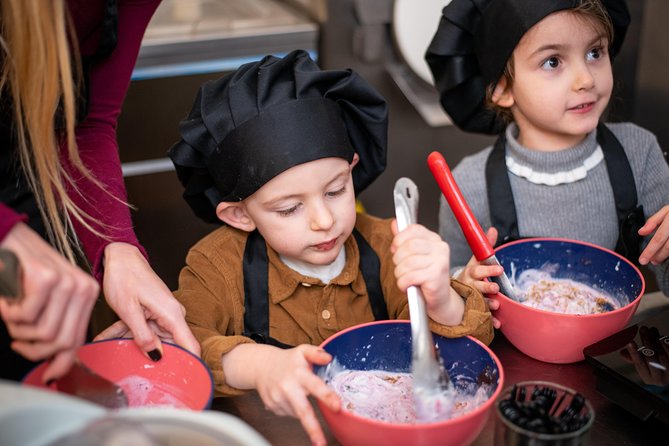
- Small groups (max 10) mean more time watching and helping at the counter
- Hands-on gelato-making focuses on how smooth texture happens, not just eating dessert
- English instruction keeps it easy to follow step-by-step without language stress
- Family-friendly pacing works for kids and teens, not just adults
- You get to taste gelato of your choice, plus what you make
- Apron and gloves included so you can jump in without scrambling for gear
Where this gelato workshop fits in Rome (and why the location matters)
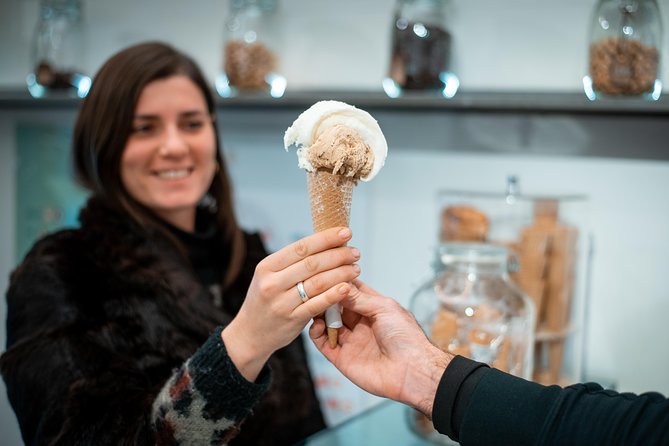
Rome has a lot of “quick hit” food experiences. This one is different because you’re not only tasting—you’re learning how gelato is made in a real gelateria space. The meeting point is on Via dei Banchi Vecchi 108, close to major sights and easy public transport routes. Even if your day is already packed, this class tends to feel like a reset: sweet, practical, and hands-on.
The timing also helps. It starts at 10:30 am and runs about an hour. That’s early enough that you’ll still have energy to enjoy the rest of your day, but late enough that you won’t feel like you’re dragging kids out before they’ve had caffeine and breakfast.
And because the group is capped at 10 travelers, you avoid the “watch from the sidelines” problem that can happen with larger cooking demos. In a small room, questions are easier, and you’re more likely to get real guidance while you’re working.
Weighing this one up? Here is how a few Rome favourites compare:
- Vatican Museums, Sistine Chapel & St. Peter’s Basilica Tour
★ 4.3 · 73,970 reviews - Vatican Museums, Sistine Chapel & St Peter’s Basilica Guided Tour
★ 4.5 · 39,149 reviews - Rome: Colosseum, Palatine Hill and Roman Forum Guided Tour
★ 4.8 · 32,814 reviews - Rome: Guided Tour of Colosseum, Roman Forum & Palatine Hill
★ 4.7 · 27,897 reviews
Inside the gelateria lab near Castel Sant’Angelo
You’ll meet at the address provided and then head into the gelateria’s lab area. Expect a compact, working setup where people normally make gelato for the shop, not a staged classroom. That matters. When you learn in the same environment where gelato is actually produced, it’s easier to understand what counts: timing, consistency, and technique.
You’re given practical gear—an apron and gloves. That sounds minor, but it changes the vibe. It signals this is a make-it-with-your-hands activity, not a lecture with a spoon at the end.
Since instruction is in English, you should feel comfortable asking questions about texture, ingredients, and what makes gelato different from more basic ice cream. The class includes an introduction to gelato—what it is, what’s inside, and what methods get you that signature smooth result.
What you learn to make: the gelato base and then the flavor step
The class revolves around mastering the gelato foundation, then building from there. Gelato’s texture isn’t magic. It’s technique, especially around how the mixture is prepared and then turned into a smooth final product.
A key part is starting with the base. Several instructors are noted for teaching the base first—often in the style people describe as a feor de latte approach. Once you understand the base, the rest makes sense: flavors aren’t just dumped in at random. They’re added and handled in a way that protects the texture and helps the final gelato taste clean, not icy or heavy.
You also learn the method behind flavoring—how gelato gets its character. That’s where the class becomes useful after you leave. The next time you’re walking past gelaterias in Rome, you’ll have a better eye for what you’re really tasting.
One highlight mentions sorbet-style texture as part of the techniques. Even if the class output is primarily gelato-focused, you’ll still pick up principles that help you understand why some frozen desserts feel lighter or different on the tongue.
The hands-on flow: step-by-step, short, and kid-manageable
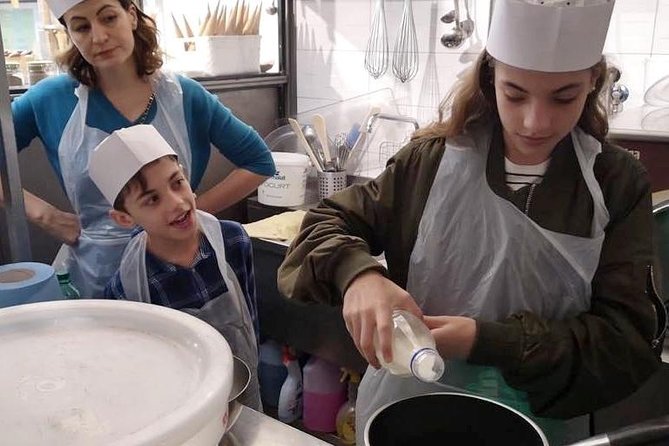
This isn’t a marathon cooking day. It’s a one-hour workshop with a clear sequence, so everyone can participate without losing patience. In practice, that usually means a mix of explanation, demonstrations, and then doing the steps yourself.
Here’s the practical picture for what you’re likely to experience:
- You start with an overview of gelato characteristics, ingredients, and methods.
- You learn the process step-by-step with a professional gelato maker.
- You get hands-on help while your group moves through the steps.
- Then you taste what you made.
In workshops like this, the best part is the transfer from theory to action. It’s one thing to hear that the base matters. It’s another thing to physically work with it and see how it behaves. You also get tips and secrets—those little technique details that separate real gelato from the kind that tastes like sweet dairy ice.
For families, the short format is a big plus. Kids get a clear start and finish. Teens don’t have to sit through a long demo waiting for their turn. And if you’ve got different ages, the small group helps you keep everyone included.




Tasting: your chosen gelato plus the batch you make
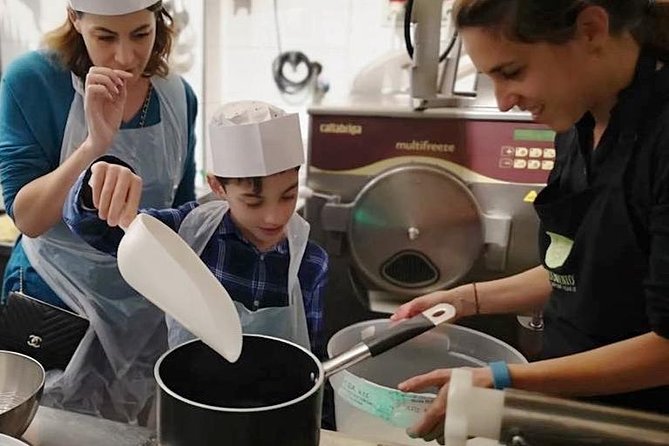
The inclusions are straightforward. You get one gelato, plus the experience includes tasting your own creation. There’s also a tasting session where you choose an ice cream flavor you want to try.
That choice piece matters more than it seems. It keeps the experience from feeling like a forced “one size fits all” dessert class. You can pick something you’re curious about, then compare it to what you made.
The sample menu suggests your included gelato may come as two flavors with a brioche bun. Think of it as a tasty bonus that keeps the class feeling like a real gelateria stop, not just a lab session ending with a sad spoon.
And tasting isn’t only about the sugar rush. It’s the learning moment. You’ll connect flavors to techniques—how the base holds up, how flavor addition changes the final taste, and why some gelato should feel smoother on the palate.
Why the instructors make or break this class
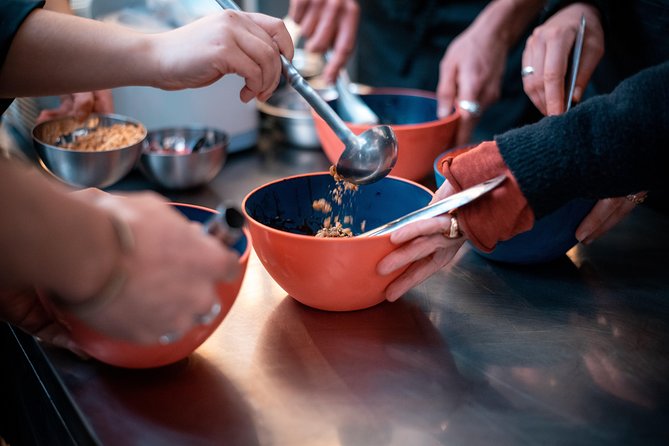
In a one-hour gelato lesson, personality matters. The instructors associated with this workshop—like Giulia, Joel, and Joelle—are praised for being kind and professional, with a special ability to manage kids without losing the plot for adults.
You’ll want to pay attention to how the instructor explains the steps. A good teacher doesn’t just say what to do. They translate it into simple actions you can perform. That’s especially important for kids. If your group includes younger children, you’ll likely appreciate a host who can keep directions clear and repeat key points without making it feel stressful.
There’s also a real-world practical note from the experience: some instructors have been careful with allergies. The safest approach is to still let the provider know about any allergy needs when you book, so they can advise what’s possible in their setup.
Price and value: what $90.02 buys you in real Rome time
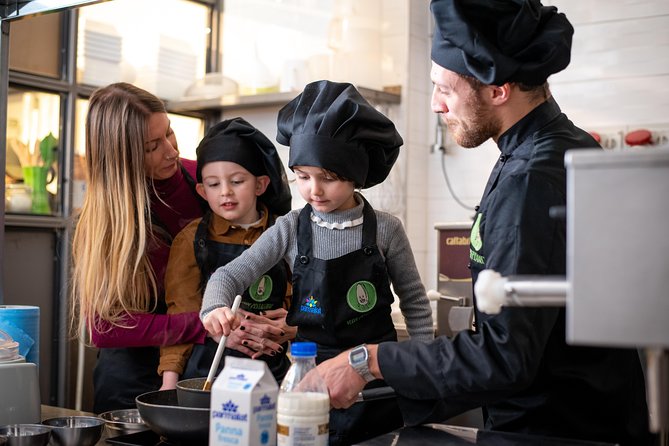
Let’s talk money. At $90.02 per person, this class isn’t cheap for a one-hour activity. So you should ask: what exactly are you buying?
You’re paying for several things at once:
- A small group setting (max 10), which increases attention and hands-on time
- A professional gelato maker teaching step-by-step technique
- Gear (apron and gloves) and a structured learning session
- A meaningful food payout: tasting your own gelato plus an included gelato of your choice
Is it a bargain? Not really. But it can be good value if you treat it as a mini-food education experience. You’re not just eating; you’re learning to recognize quality gelato, understand how flavors are built, and take home a useful skill for future gelato stops.
If you’re the kind of traveler who likes experiences that upgrade your next meal—this can pay off fast. If you’re expecting a long cooking session with multiple finished products, you might feel the short time limit.
My practical advice: think of it as one high-quality dessert moment plus skill-building, not as an all-day culinary workshop.
Family-friendly in a way that actually works
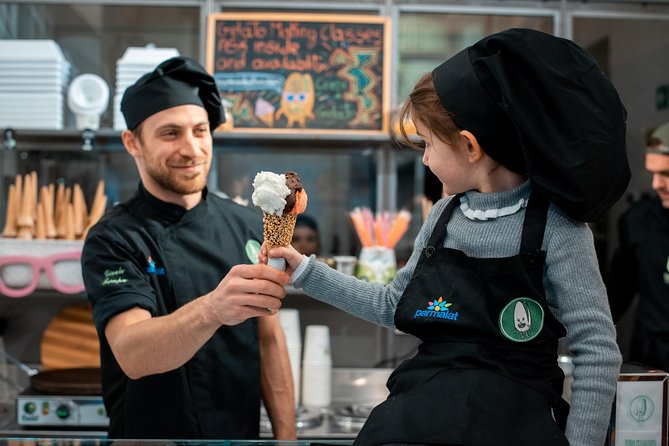
This is labeled family-friendly, and the format supports that. It’s short. It’s hands-on. And it ends with eating what you made, which is usually the fastest way to win over kids.
The best part is that the class isn’t pitched as “kid stuff.” It’s serious enough to feel authentic, while still being playful and manageable. Even with a mix of teen and tween ages, the small group structure makes it easier for kids to ask questions and feel like participants, not observers.
If you’re planning a day around this, build in a little margin. Kids get excited and may have questions while you’re cooking, and the whole point is to keep the session moving at a pace that works for everyone.
This is also a smart break between Rome’s big-ticket sights. If your schedule is heavy on churches and monuments, a gelato-making lab gives you a totally different kind of Roman experience—one that’s practical and fun instead of standing in the heat for hours.
Logistics that matter (and the one thing to watch)
The basics are simple:
- Start time is 10:30 am
- Duration is about one hour
- You meet at Via dei Banchi Vecchi 108 and finish back there
- English instruction
- Mobile ticket
- Near public transportation
Transport isn’t included, so plan to arrive on your own. The location is central enough that you shouldn’t have trouble, but Rome traffic and walking time can still surprise you, especially with kids.
One thing to watch is that short experiences can be vulnerable to small administrative glitches. There have been rare reports of reservation issues causing trouble on arrival. To protect yourself, keep your confirmation details handy and double-check the booking status before you leave for the class.
Who should book this gelato class (and who might skip it)
This is a good fit if:
- You want an authentic food activity in Rome that’s not just sightseeing
- You like hands-on lessons and want a real technique takeaway
- You’re traveling with kids or teens who need an engaging, shorter activity
- You care about quality and want to learn how to choose better gelato afterward
- You’d enjoy learning from instructors who manage both adults and children well
You might skip it if:
- You’re on a tight budget and $90 per person feels hard to justify
- You expected a longer cooking session or multiple included gelatos
- Your group prefers food experiences that are mostly about tasting rather than making
Should you book this gelato-making class in Rome?
Yes—if you want a fun, practical Roman experience that mixes hands-on cooking with a real gelato payoff. The small group size, English instruction, and focus on technique (not just eating dessert) are the big reasons this can be worth your time.
If you’re deciding between this and another activity, I’d weigh it like this: choose it when you want to come away with skill, not just a photo. Skip it when you want a bargain or a long multi-course cooking day.
Book it especially if you’re traveling with kids who get restless. An hour in a gelateria lab beats another hour standing in line—every time.
FAQ
How long is the gelato-making class?
The class runs for about 1 hour.
Where does the class start?
You start at Via dei Banchi Vecchi, 108, 00186 Roma RM, Italy.
What time does it start?
The start time is 10:30 am.
Is the class offered in English?
Yes, the lesson is offered in English.
What’s included in the price?
The price includes an apron and gloves, plus 1 gelato. The experience also includes tasting your own gelato.
How big are the groups?
The group is capped at a maximum of 10 travelers.
What about transportation?
Transport is not included.
Can kids participate?
Yes. The experience is described as family-friendly and suitable for kids.
Is free cancellation available?
Yes. You can cancel up to 24 hours in advance for a full refund.
More Tour Reviews in Rome
- Vatican Museums, Sistine Chapel & St. Peter’s Basilica Tour
★ 4.3 · 73,970 reviews - Vatican Museums, Sistine Chapel & St Peter’s Basilica Guided Tour
★ 4.5 · 39,149 reviews - Rome: Colosseum, Palatine Hill and Roman Forum Guided Tour
★ 4.8 · 32,814 reviews - Rome: Guided Tour of Colosseum, Roman Forum & Palatine Hill
★ 4.7 · 27,897 reviews - Rome: Colosseum & Forum with Audio Guide App -Optional Arena
★ 4.2 · 24,770 reviews - Rome: Colosseum, Roman Forum and Palatine Hill Guided Tour
★ 4.5 · 23,903 reviews




