
Reviewed · ROME
I Virtuosi dell’opera di Roma: La Traviata at St. Paul Within the Walls
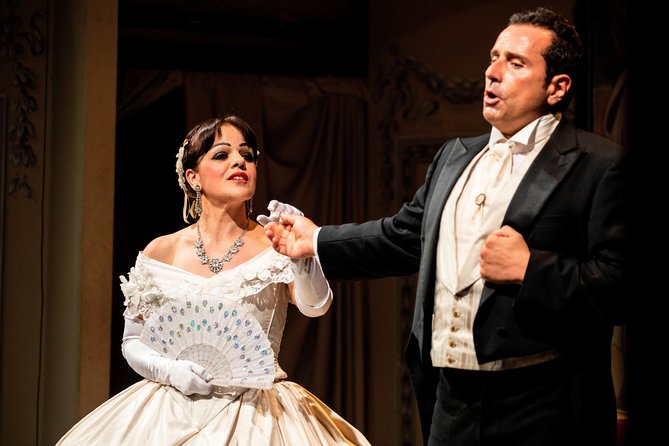
Opera in a church. That’s the hook. I Virtuosi dell’Opera di Roma brings La Traviata to the beautiful St Paul within the Walls, turning a famous Verdi tragedy into an up-close evening of drama and music.
I love two things most: the chance to hear Italian opera music in a setting that feels distinctly Roman, and the way this show works well even if you’re new to opera. You’ll get a complete evening-length experience (not just one aria), with a small-team feel that makes the performance feel human, not distant.
The main drawback to weigh is comfort. In warm weather, the church can run hot, and your seat choice really affects whether you can relax and fully enjoy the performance.
In This Review
- Key things to know before you go
- Why La Traviata hits harder at St Paul within the Walls
- Getting seated in a church: sightlines and sound
- The show format: what you’ll actually hear
- Temperature and comfort: the real-world constraint
- Logistics that matter: time, tickets, and where to be
- Price and value: why this can be a smart Rome night
- Who should book—and who should skip it
- A practical game plan for your best experience
- Should you book I Virtuosi dell’Opera di Roma in St Paul within the Walls?
- FAQ
- Where is the performance held?
- What opera will you see?
- How long is the show?
- What time does it start?
- What’s the dress code?
- Can I cancel for a full refund?
Key things to know before you go
- Small group feel: bookings are capped at 10 people, so the atmosphere stays personal.
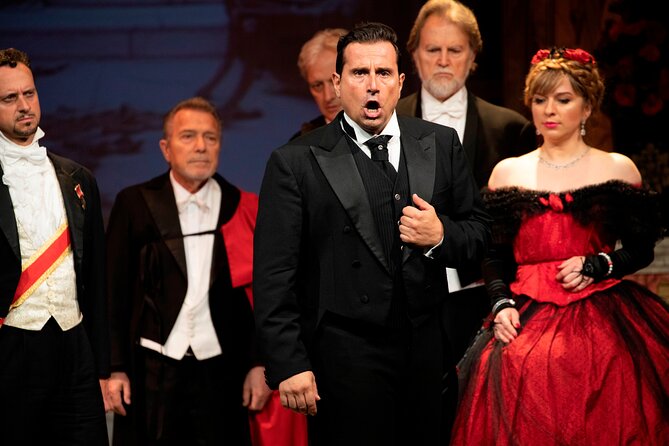
- A famous score, not background music: La Traviata is a real full-work opera concert experience.
- A church, not a theater: sightlines and stage visibility depend heavily on where you sit.
- Heat is real: St Paul within the Walls has no air-conditioning, so plan for warm evenings.
- Choir and staging are toned down: compared with big opera houses, expect a more intimate musical scale.
- Do a quick story check: knowing the plot fast helps you follow the drama without language skills.
Why La Traviata hits harder at St Paul within the Walls
There’s something about hearing Verdi inside an old Roman church that changes the temperature of the music. St Paul within the Walls has natural acoustics made for voices, and that matters for opera, where emotion rides on breath, phrasing, and dynamics—not just volume.
La Traviata is also a story that rewards attention. It’s the doomed love between Violetta, a well-known courtesan, and Alfredo, a young nobleman. If you don’t speak Italian, you’re still not left out—you can follow the arc through the music, the drama, and the context you pick up before you arrive.
One practical reason I like this format for Rome: it turns your evening into a cultural event without demanding a whole day of planning. You’re not hopping between neighborhoods for museums; you’re going somewhere iconic and letting the music do the talking.
Weighing this one up? Here is how a few Rome favourites compare:
- Vatican Museums, Sistine Chapel & St. Peter’s Basilica Tour
★ 4.3 · 73,970 reviews - Vatican Museums, Sistine Chapel & St Peter’s Basilica Guided Tour
★ 4.5 · 39,149 reviews - Rome: Colosseum, Palatine Hill and Roman Forum Guided Tour
★ 4.8 · 32,814 reviews - Rome: Guided Tour of Colosseum, Roman Forum & Palatine Hill
★ 4.7 · 27,897 reviews
Getting seated in a church: sightlines and sound
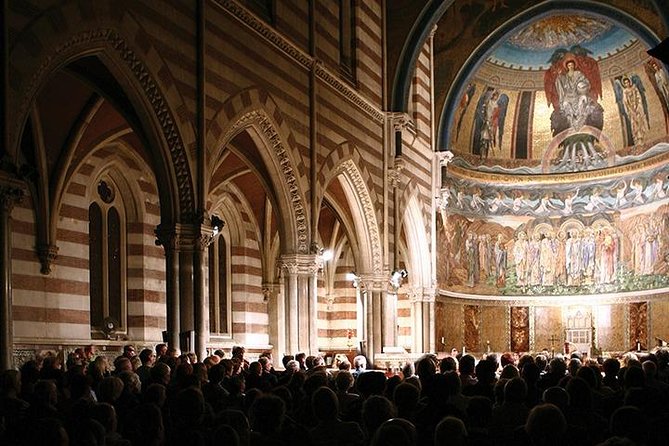
This isn’t a traditional stage setup. You’ll be in a church setting with performance happening low and close to the audience area, and the floor isn’t built like a theater with sloped sightlines.
Here’s the key: if you can, choose seats closer to the front. People who selected cheaper, back-area seating found it harder to see performers clearly. You may end up on folding chairs farther back, and if you’re short, that gap matters more than you’d expect.
Sound is often praised in this venue, but your seat choice can still change your experience. One side of the room can feel clearer; another spot can feel muffled. And because it’s a church (not a purpose-built opera hall), sound can’t be engineered the way it is in modern theaters.
My advice: arrive a bit early and be ready to settle in quickly. In a small group, you get less “buffer time” for lingering, and there’s less room for last-minute seat adjustments.
The show format: what you’ll actually hear
I Virtuosi dell’Opera di Roma focuses on performing opera from the Italian lyrical tradition, and La Traviata is exactly the kind of title that works well as an opera concert. Instead of a big, movie-like spectacle, you’re getting serious singing and music-forward storytelling.
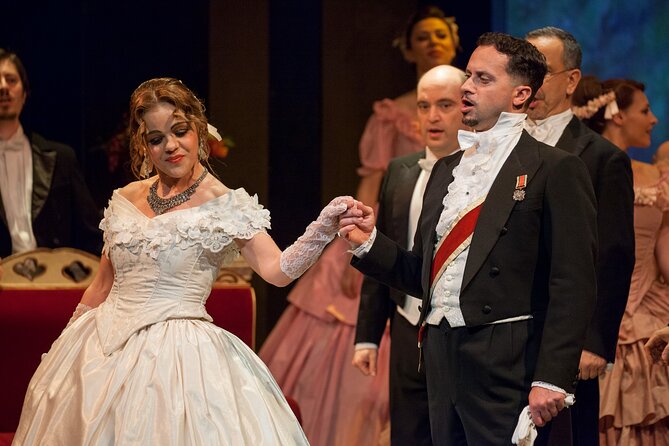
Don’t expect the same scale you’d see at mega houses like La Scala or Covent Garden. The musical presentation is more intimate, with emphasis on solo and duet moments. You’ll likely recognize big emotional highlights—people specifically mention pieces like the Brindisi and Sempre libera—and those songs tend to land because the performers can aim their sound straight at you.
If you want a simple way to prepare, do a quick plot check before you go. The story is tragic but straightforward: a party scene leads into a relationship, pressure from Alfredo’s father pushes Violetta away, she sacrifices herself, and the ending turns on the final bedside confrontation. Even a short synopsis helps you catch what’s happening without needing to translate every lyric.
Also, consider this a great entry point. If you’ve never seen opera live, hearing a famous title in a compact setting is easier than trying to decode a grand production in a huge hall.
Temperature and comfort: the real-world constraint
The church comfort factor deserves its own spotlight. On hot Rome days, St Paul within the Walls can feel unbearably warm because there’s no air-conditioning and limited ventilation.
This affects more than just comfort—it affects attention. When people are sweating and fanning themselves, even a great performance can feel harder to take in. I’d plan as if you’re attending a long indoor event in summer, not an evening stroll.
What helps:
- Dress smart casual, but pick breathable fabrics.
- Bring your own small fan if you run hot.
- Bring water or plan to purchase it on site if available.
If you’re traveling in peak heat, you might want to time your opera night thoughtfully or be flexible about accepting that the venue is more “historic atmosphere” than “modern climate control.”




Logistics that matter: time, tickets, and where to be
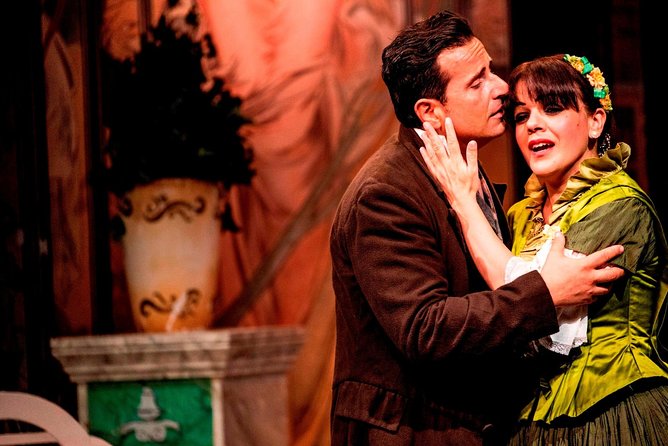
The performance starts at 8:30 pm and runs about 2 hours 20 minutes. That timing is usually perfect for Rome, because it lets you finish sightseeing before you settle in.
Tickets are handled in a simple, old-school way: even with a mobile ticket, your ticket is held at the church for collection on the day of the performance. You’ll collect it at St Paul within the Walls, Via Nazionale 16/A.
Also, there’s a smart casual dress code. That’s good news: you don’t need a formal wardrobe, but you should look presentable. A church setting tends to reward visitors who show respect with clean, comfortable clothing.
Finally, St Paul within the Walls is near public transportation, so you’re not stuck with a long taxi bill. One big win in Rome: you can pair this with an evening near the Termini area without feeling like you’re commuting across the whole city.
Price and value: why this can be a smart Rome night
At $30.04 per person, this is priced for an approachable night out. For that price, you’re buying three things: a well-known opera (La Traviata), a memorable venue, and a live performance from I Virtuosi dell’Opera di Roma.
What makes it good value is the combo. Many “music nights” are either too short, too fragmentary, or not really opera. Here, you’re getting a full evening-length work, and the setting does a lot of the heavy lifting for atmosphere.
That said, value depends on your expectations. If you’re comparing it to a top-tier opera house with huge orchestras, elaborate staging, and perfect theater sightlines, you may feel the difference. But if what you want is a real opera concert experience in a famous church, this price point is hard to beat.
I’d call it especially good for:
- first-time opera viewers
- couples looking for an easy cultural evening
- travelers who want something iconic without paying major-theater prices
- people who want an intimate performance environment
Who should book—and who should skip it
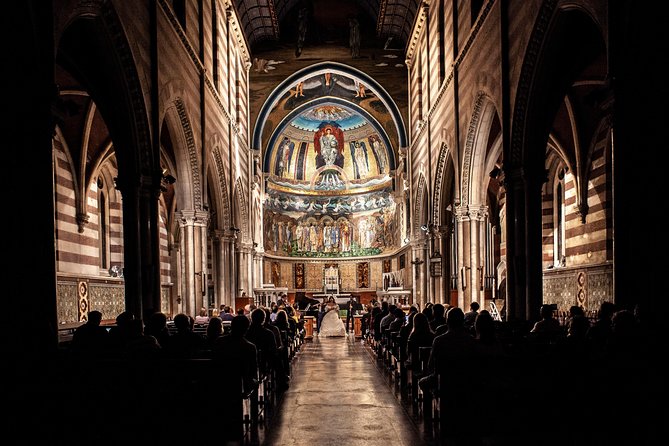
This works best if you want opera that feels close, human, and story-driven.
You’ll likely be happiest if:
- you like Verdi or want an easy on-ramp to opera
- you’re okay with a church setting instead of a traditional theater
- you pick a seat that gives you clear visibility
- you’re comfortable spending an evening in warm indoor conditions (or you’ll plan ahead)
You might rethink it if:
- you’re very sensitive to heat and poor ventilation
- you strongly need clear sightlines to enjoy live performance
- you expect a huge chorus and full, big-house production design
There’s also a viewing reality to accept: no stage height wizardry here. If you’re sitting far back, you may spend part of the show trying to locate performers rather than watching the story unfold.
A practical game plan for your best experience
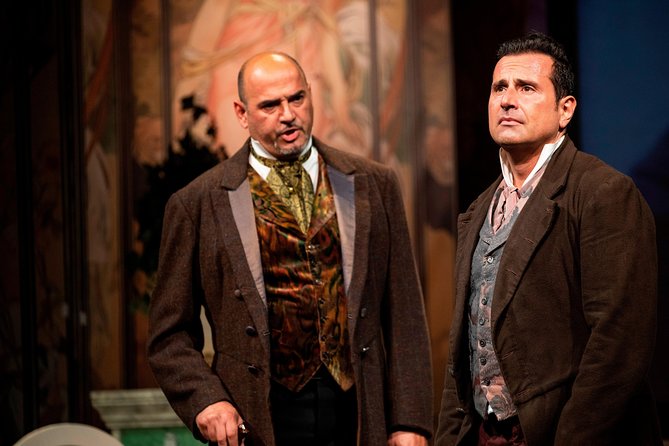
If you want this to feel like a win, don’t treat it like a walk-in concert.
Do this:
- Arrive early enough to settle in without rushing.
- Prioritize front or mid seating for visibility.
- Read a quick La Traviata synopsis so the plot makes sense.
- Bring a small comfort item for warm weather (water and maybe a fan).
One more tip: keep your phone use in check. Even when the show is happening, raised screens can block sightlines, and in a church with fixed seating, you can’t always shift for a better angle.
Should you book I Virtuosi dell’Opera di Roma in St Paul within the Walls?
Book it if you want a Rome opera night that’s affordable, genuinely musical, and tied to one of the city’s most atmospheric settings. The chance to hear La Traviata in St Paul within the Walls is the kind of experience that turns a normal evening into a memory you’ll still describe months later.
Skip or choose carefully if you’re traveling during a very hot stretch and you know you struggle with indoor heat, or if you need a theater-style view from every seat. In that case, your seat choice becomes the difference between a great night and a frustrating one.
If you like opera, or if you want a first live opera that doesn’t intimidate you, this is a strong pick.
FAQ
Where is the performance held?
The opera concert is performed at St Paul within the Walls, Via Nazionale 16/A.
What opera will you see?
The program is Giuseppe Verdi’s La Traviata.
How long is the show?
It runs about 2 hours 20 minutes.
What time does it start?
The start time is 8:30 pm.
What’s the dress code?
Smart casual.
Can I cancel for a full refund?
Yes. You can cancel up to 24 hours in advance for a full refund, and cancellations must be made at least 24 hours before the experience’s start time.
More Tour Reviews in Rome
- Vatican Museums, Sistine Chapel & St. Peter’s Basilica Tour
★ 4.3 · 73,970 reviews - Vatican Museums, Sistine Chapel & St Peter’s Basilica Guided Tour
★ 4.5 · 39,149 reviews - Rome: Colosseum, Palatine Hill and Roman Forum Guided Tour
★ 4.8 · 32,814 reviews - Rome: Guided Tour of Colosseum, Roman Forum & Palatine Hill
★ 4.7 · 27,897 reviews - Rome: Colosseum & Forum with Audio Guide App -Optional Arena
★ 4.2 · 24,770 reviews - Rome: Colosseum, Roman Forum and Palatine Hill Guided Tour
★ 4.5 · 23,903 reviews




