
Reviewed · VATICAN MUSEUMS TOURS
Guided tour of the Vatican Museums and Sistine Chapel in Spanish
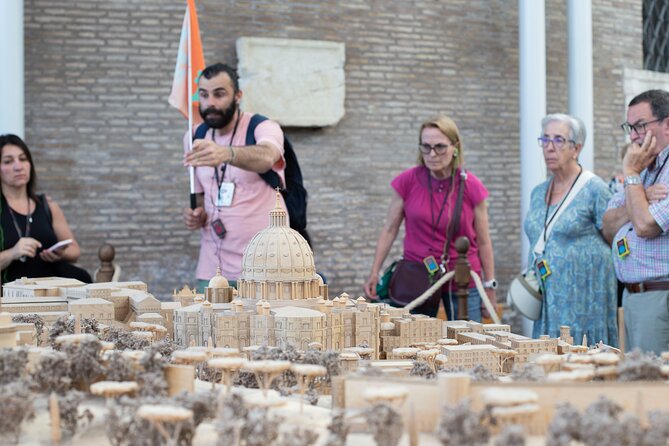
A few steps and you’re in art history’s face. This guided visit lines up Museos Vaticanos and the Capilla Sixtina into one tight, Spanish-led route, with headphone help and entry tickets included. I love that it’s a small group (max 20) and that you get skip-the-queue entry so you spend less time waiting and more time looking. One thing to consider: even with a controlled group, crowds can still feel intense, and the flow through the museums can limit how long you stop in each room.
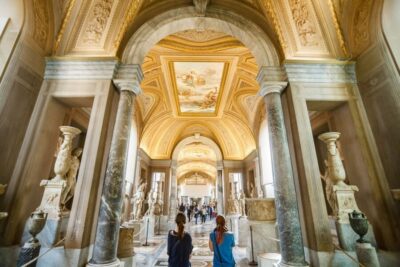
In the Sistine Chapel, you get focused time on the frescoes, and it’s the part people talk about most—because the ceiling images hit hard when you can actually see them, not just glance. In the museums, the guided route hits high-impact stops like Laocoon, the Gallery of Candelabra, and the Maps area. The possible drawback is the schedule depends on crowd conditions for the Raphael Rooms, so you may not always get every room in the way you’d hope.
I like that the tour team gives you practical rules up front too—dress code, what you can’t bring, and the reality that this route isn’t designed around strollers or mobility adaptations. If you want a museum day with lots of free roaming, this one might feel a bit “guided and moving.” But if you want the big masterpieces explained in Spanish, with less friction, it’s a strong pick.
In This Review
- Key things to know before you go
- How the 3-hour flow works (and why that matters)
- The meeting point and end location: what your timing should be
- Sistine Chapel stop: 20 minutes of ceiling focus
- Vatican Museums highlights: the route that hits the big names
- Gardens and Pineapple Courtyard
- Laocoon and ancient sculpture
- Gallery of Candelabra, then Maps and Tapestries
- Raphael Rooms, if crowd flow allows
- Guide in Spanish: what you gain beyond the paintings
- Small group size and the reality of crowds
- Dress code and what you can’t bring (so you don’t get stuck)
- Who this tour fits best (and who may want a different format)
- Is the $110.47 price good value for this experience?
- Should you book this Vatican Museums and Sistine Chapel tour in Spanish?
- FAQ
- What language is the guide?
- How long is the tour?
- How big is the group?
- What is included in the ticket price?
- Where does the tour start and where does it end?
- What should I wear and avoid bringing?
- Is the route accessible for mobility issues or strollers?
- What is the cancellation policy?
Key things to know before you go
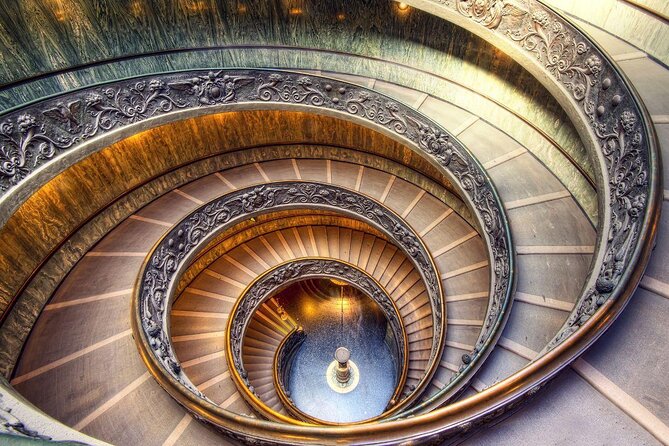
- Spanish guide, headphone support: easier listening and better context while you move through major halls.
- Max 20 people: smaller groups than the typical crowd stampede you see outside.
- Skip-the-queue entry: a big value point for the Vatican Museums.
- Sistine Chapel first (about 20 minutes): you start with the ceiling so the most famous stop stays time-efficient.
- Museums route covers major hits: Pineapple Courtyard, Laocoon, Candelabra Gallery, Maps, Tapestries, and sometimes Raphael Rooms.
- Crowd flow can affect what you fully see: the tour notes that timing can change access to the Raphael Stays.
How the 3-hour flow works (and why that matters)
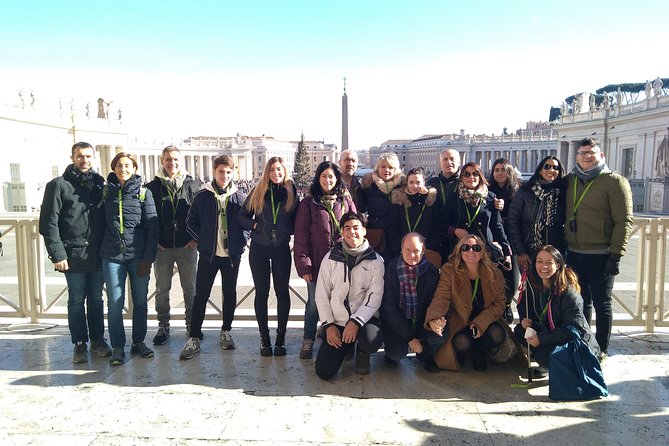
This tour is about 3 hours total, starting at Viale Giulio Cesare, 138 (near public transport) and ending at Saint Peter’s Square. You’re not taking the slow scenic route around the Vatican—you’re taking the workable route that gets you into the museums and then out toward St Peter’s Square.
That matters because the Vatican is famous for two things: iconic art and heavy visitor volumes. A short, guided format won’t turn the crowds into empty rooms. But it often changes your experience from waiting and wandering into seeing and understanding, which is the real win.
Also, you get a mobile ticket and “tailless” entry tickets (meaning the entry process is built to avoid the longest lines). Add headphones, and you’re less dependent on hearing every word over background noise.
Other ways through the Vatican Museums
- Vatican Museums, Sistine Chapel & St. Peter’s Basilica Tour
★ 4.3 · 73,970 reviews - Vatican Museums, Sistine Chapel & St Peter’s Basilica Guided Tour
★ 4.5 · 39,149 reviews - Rome: Vatican Museums, Sistine Chapel and Basilica Tour
★ 4.3 · 16,039 reviews - Vatican Museums & Sistine Chapel Skip-the-Line Entry Ticket
★ 4.4 · 13,838 reviews
The meeting point and end location: what your timing should be
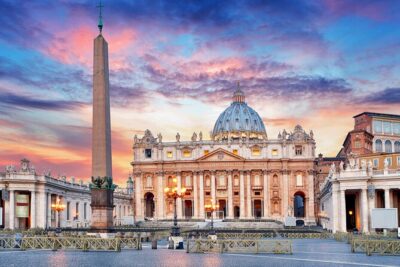
The start point is Viale Giulio Cesare, 138. The tour ends in Piazza San Pietro (Saint Peter’s Square), so you’re not stuck back at the beginning. If you’re planning the rest of your day, think about walking from the Vatican Museum area toward the square after the tour.
The tour also makes one simple request: arrive on time, or a few minutes early. That’s not just politeness. With a timed route and entry windows, late arrivals can eat into your guided time fast.
And one more practical point: the tour doesn’t include transport to the meeting spot. If you’re coming by bus/metro, plan your route so you’re not sprinting. This is the kind of day where arriving calm helps you enjoy.
Sistine Chapel stop: 20 minutes of ceiling focus
You start with the Sistine Chapel and get about 20 minutes. For many people, that’s the right amount of time—enough to look closely, absorb the scale, and make sense of what you’re seeing without turning it into a rushed blur.
This is also the stop where the reviews consistently match your likely priorities: you want time to admire the frescoes, and the chapel is the moment that feels real rather than just another room on a list. When you can actually look at the ceiling paintings, the experience becomes less about ticking a box and more about appreciating the masterwork.
The main consideration is that 20 minutes sounds short until you’re inside and realize the space and rules shape your movement. If you’re the type who wants long, quiet study, you may still wish you had more time. Still, as a guided sampler with context, it’s smart to start here.
Vatican Museums highlights: the route that hits the big names
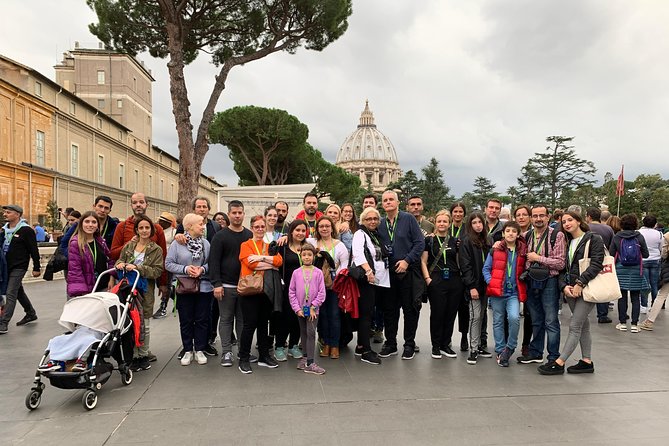
After the chapel, the tour continues with about 2 hours 30 minutes inside the Vatican Museums. The idea here is not to “see everything.” It’s to hit the rooms that people talk about later—sculpture, maps, decorative galleries, and the kind of art that changes how you see power, myth, and storytelling.
Here are the major stops you can expect, in the style of what you’ll notice when you’re there:
Worth a look next to this Rome booking:
Gardens and Pineapple Courtyard
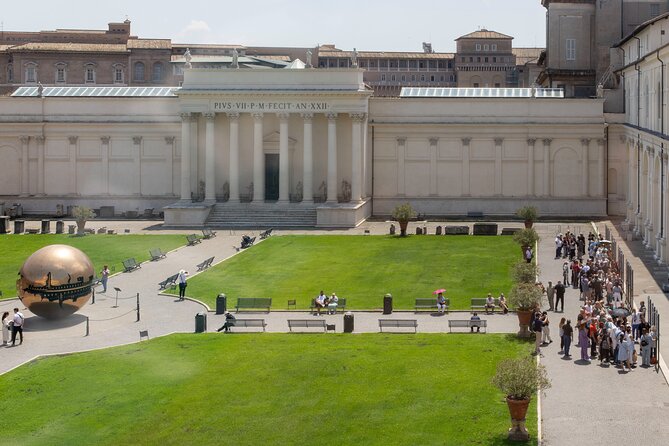
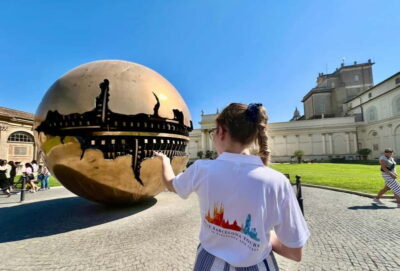
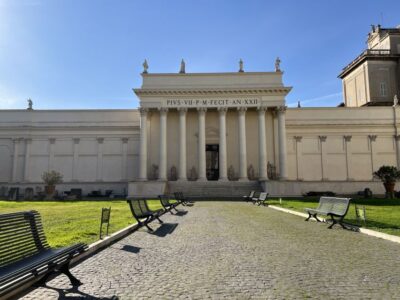
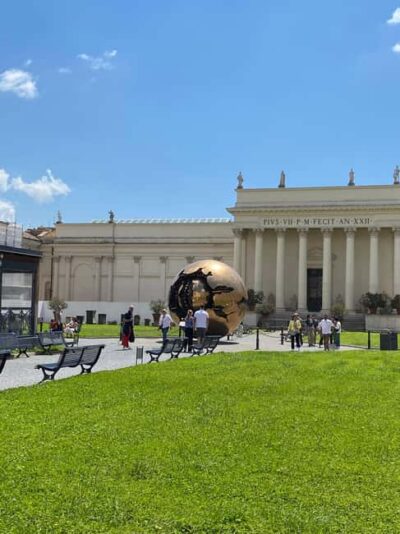
The visit begins with an outdoor-to-indoor rhythm, starting with the gardens and the Pineapple Courtyard. Even if you’re not a garden person, these sections help you reset your eyes. They also give you a breather before the galleries get intense.
The Pineapple Courtyard is a recognizable visual marker, and it can be a nice first “anchor” point. It helps you get oriented so that once you’re in the museums, you’re not feeling totally lost.
Laocoon and ancient sculpture
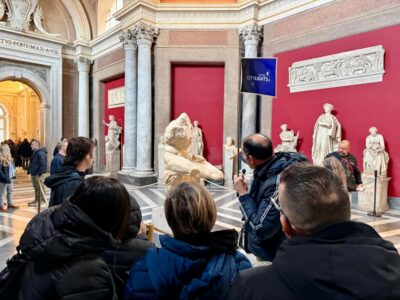
Next comes a standout for art-and-history lovers: the Laocoon. This is the kind of sculpture that makes you pause because it’s not just about subject matter—it’s about movement, emotion, and skill. If you like the way classical art can feel dramatic, this is one of the best early moments to take in.
Gallery of Candelabra, then Maps and Tapestries
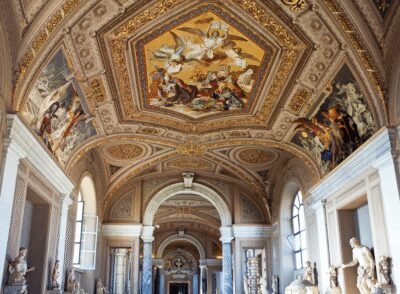
You move through the Candelabra Gallery, then toward the Maps and Tapestries areas. These galleries work well on a guided tour because the guide can explain what you’re seeing and why it was worth building and displaying. Without that context, some visitors just walk through decorative spaces. With context, you start noticing symbolism and design choices.
A practical note: rooms like this can feel long when you’re following a group. If you’re prone to eye fatigue (too much detail, too many walls), bring patience. The best approach is to decide what you’ll look at hardest—like the featured sculptures or the map displays—then let the rest be supportive scenery.
Raphael Rooms, if crowd flow allows
The route also mentions Raffaello Stays / Raphael Rooms when visitor flow allows. That’s important. In the Vatican, timing isn’t fully in your hands. Even with advance planning, crowd levels can change what you access or how much time you get.
So think of this as a bonus when you can get it, not the only reason you book. The core value is the overall guided path through major museum areas plus the Sistine Chapel.
Guide in Spanish: what you gain beyond the paintings
This is a Spanish-guided tour with a professional guide and headphones. That headphone detail is more than comfort. In rooms like these, you want clear narration while you’re walking and turning your head often. It keeps you from missing the key points.
In reviews, guide names come up again and again—Juan-Miguel for standout expertise and crowd management, Elena for strong explanations, and Francesca for helpful, human support when someone needed attention. Monica is also mentioned for professional, friendly dialogue and information across the museum areas. You won’t know which guide you’ll get until day-of, but the pattern is consistent: the guides are doing the work that helps you make sense of what would otherwise be just a flood of statues and ceilings.
If your Spanish is good enough to follow history and art context, you’ll likely get more from the tour than you would with pure self-guided browsing. And if you’re not fluent, headphones plus pacing can still make it easier to catch the main ideas.
Small group size and the reality of crowds
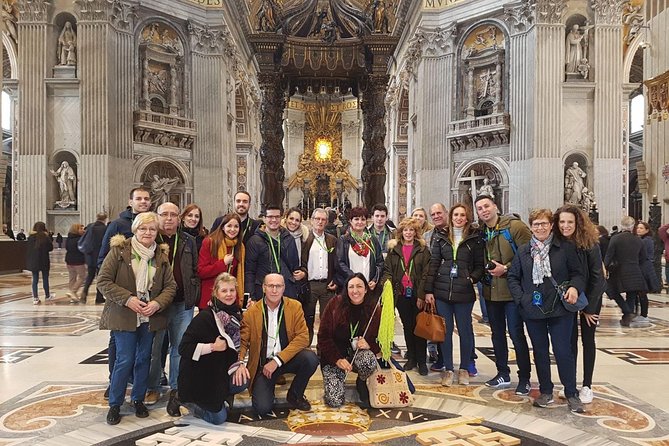
The tour caps groups at max 20 travelers, and that’s a real advantage. It’s easier for a guide to keep you together, answer questions, and manage the room traffic than in larger groups.
Still, it’s the Vatican. Crowds can affect your pace and your ability to linger. Some feedback points out that people can feel herded along, and one review calls out that there were objectively too many people at times. Another mentions that even the guide did their best, but the situation pushes everyone to move faster.
My advice: set expectations like a local. Plan to look hard, take photos when allowed, and accept that the museum flow is part of the experience. The win comes from having context and timing built in, not from expecting a quiet private viewing.
Dress code and what you can’t bring (so you don’t get stuck)
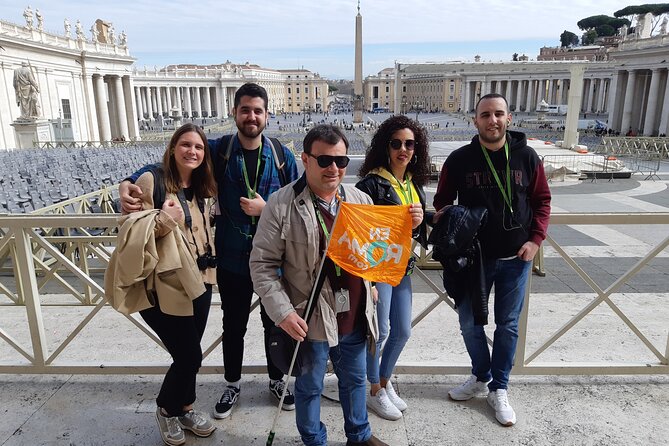
You’ll need to follow the worship-place rules: wear long skirts or long pants and covered shoulders. That’s non-negotiable for entering these spaces, and it’s better to double-check your outfit before you leave your hotel.
Also, the tour states you can’t carry large umbrellas, oversized backpacks, or sharp objects. If you travel with a big bag, you’ll want a small, easy-to-handle setup. The goal is to keep you moving through security without delays.
These rules are a small hassle, but they’re also part of how you get a smoother day overall. The more prepared you are, the less your time gets eaten by onsite problem-solving.
Who this tour fits best (and who may want a different format)
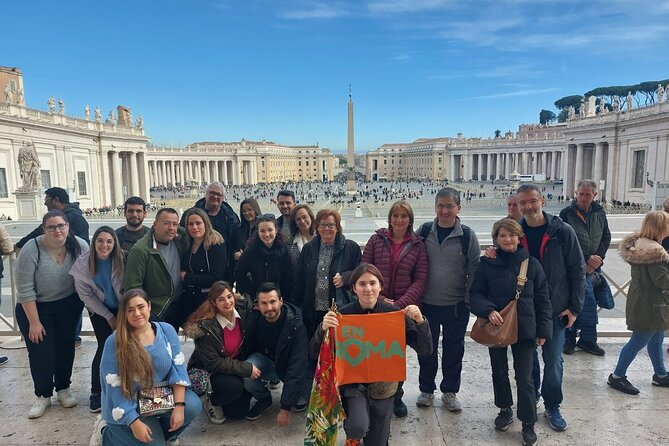
I think this tour fits best if you want:
- A Spanish guide and headphone narration
- Sistine Chapel first, with time to actually look
- A controlled route through key Vatican Museums highlights
- A format that saves time by avoiding the longest Vatican Museums entry queues
It may not be ideal if you:
- Want a lot of free wandering with slow, independent pacing
- Feel strongly frustrated by crowds and tight movement
- Need a route adapted for mobility difficulties or for young children in strollers (the tour notes the itinerary is not adapted for those needs)
If you’re going with older family members, everyone should be aware that it’s a guided walk-through day with a group pace, not a slow sit-and-stay experience. And if you’re a parent, plan around the stroller limitation.
Is the $110.47 price good value for this experience?
At $110.47 per person for about 3 hours, you’re paying for a bundle: Spanish guide, headphones, admission tickets included, and queue avoidance. The price also reflects the reality that the Vatican isn’t a cheap “walk in and go” attraction—entry, timing, and guide labor all matter.
Here’s how I’d judge value: if you were to do this alone, you’d likely spend more time navigating logistics and figuring out what matters most. If you want context and smoother entry, this tour is basically buying you time and interpretation, not just access.
If you hate guided formats or want long free time at each stop, you might feel the cost doesn’t match the pacing. But if you’re there for top hits like Laocoon, the Maps, and the Sistine Chapel frescoes, the bundle feels fair—especially with the small group cap.
Should you book this Vatican Museums and Sistine Chapel tour in Spanish?
Book it if you want a time-efficient, Spanish-led way to see the Vatican’s biggest masterpieces with help from a real guide and headphones. The structure (chapel first, museums right after) is smart for visitors who want results without wasting hours in line. The small group size also makes a noticeable difference.
Skip it or consider a different approach if you want lots of slow, independent lingering or you’re very sensitive to crowd movement. One constant theme here is that the Vatican crowd flow can push you along. If that would ruin your day, you might prefer a slower, self-paced plan instead.
Bottom line: for most people, this tour is a strong “best of the best” route—especially when you travel for art, explanation, and efficiency rather than total freedom of pacing.
FAQ
What language is the guide?
The tour includes a guide in Spanish with headphones to listen more comfortably during explanations.
How long is the tour?
The total duration is about 3 hours (with roughly 20 minutes in the Sistine Chapel and 2 hours 30 minutes in the Vatican Museums).
How big is the group?
This tour is a small group with a maximum of 20 travelers.
What is included in the ticket price?
The tour includes admission tickets, a Spanish professional guide, headphones, and entrances without queues. Tickets are described as tailless, and the tour uses a mobile ticket.
Where does the tour start and where does it end?
It starts at Viale Giulio Cesare, 138, 00192 Roma RM, Italy and ends at Saint Peter’s Square (Piazza San Pietro, 00120 Città del Vaticano, Vatican City).
What should I wear and avoid bringing?
Wear long skirts or long pants and covered shoulders. You cannot carry large umbrellas, oversized backpacks, or sharp objects.
Is the route accessible for mobility issues or strollers?
The information says the itinerary does not follow the route adapted for people with mobility difficulties or for young children in strollers.
What is the cancellation policy?
You can cancel up to 24 hours in advance for a full refund. Within 24 hours, the amount paid is not refunded.
More Tours in Rome
- Vatican Museums, Sistine Chapel & St. Peter’s Basilica Tour
★ 4.3 · 73,970 reviews - Vatican Museums, Sistine Chapel & St Peter’s Basilica Guided Tour
★ 4.5 · 39,149 reviews - Rome: Colosseum, Palatine Hill and Roman Forum Guided Tour
★ 4.8 · 32,814 reviews - Rome: Guided Tour of Colosseum, Roman Forum & Palatine Hill
★ 4.7 · 27,897 reviews - Rome: Colosseum, Roman Forum and Palatine Hill Guided Tour
★ 4.5 · 23,903 reviews - Rome: Colosseum Arena Floor, Palatine & Forum Guided Tour
★ 4.5 · 20,180 reviews
More Tour Reviews in Rome
- Vatican Museums, Sistine Chapel & St. Peter’s Basilica Tour
★ 4.3 · 73,970 reviews - Vatican Museums, Sistine Chapel & St Peter’s Basilica Guided Tour
★ 4.5 · 39,149 reviews - Rome: Colosseum, Palatine Hill and Roman Forum Guided Tour
★ 4.8 · 32,814 reviews - Rome: Guided Tour of Colosseum, Roman Forum & Palatine Hill
★ 4.7 · 27,897 reviews - Rome: Colosseum & Forum with Audio Guide App -Optional Arena
★ 4.2 · 24,770 reviews - Rome: Colosseum, Roman Forum and Palatine Hill Guided Tour
★ 4.5 · 23,903 reviews
The Vatican, A Few More Ways In
- Vatican Museums, Sistine Chapel & St. Peter’s Basilica Tour
★ 4.3 · 73,970 reviews - Vatican Museums, Sistine Chapel & St Peter’s Basilica Guided Tour
★ 4.5 · 39,149 reviews - Rome: Vatican Museums, Sistine Chapel and Basilica Tour
★ 4.3 · 16,039 reviews - Vatican Museums & Sistine Chapel Skip-the-Line Entry Ticket
★ 4.4 · 13,838 reviews - Rome: Vatican Museums, Sistine Chapel & Basilica Tour
★ 4.7 · 13,217 reviews - Skip-the-Line Group Tour of the Vatican, Sistine Chapel & St. Peter’s Basilica
★ 4.5 · 12,779 reviews
Just added to our Rome reviews





Vatican Museums Tours, compared.
 ★ 4.5Vatican: Museums & Sistine Chapel Entrance TicketFrom $38144,003 reviews
 ★ 4.3Vatican Museums, Sistine Chapel & St. Peter’s Basilica TourFrom $7273,970 reviews
 ★ 4.5Vatican Museums, Sistine Chapel & St Peter’s Basilica Guided TourFrom $2239,149 reviews
 ★ 4.3Vatican Museums, Sistine Chapel and Basilica TourFrom $7316,039 reviews
 ★ 4.4Vatican Museums & Sistine Chapel Skip-the-Line Entry TicketFrom $4313,838 reviews
 ★ 4.7Vatican Museums, Sistine Chapel & Basilica TourFrom $7213,217 reviews
 ★ 4.5Skip-the-Line Group Tour of the Vatican, Sistine Chapel & St. Peter’s BasilicaFrom $3012,779 reviews
 ★ 4.3Vatican Museums & Sistine Chapel Guided TourFrom $11812,117 reviews