
Reviewed · TOURS
Games & Treasures Hunts Tour in Rome
Treasure hunt Rome without the meltdown. This Games & Treasures Hunts Tour in Rome keeps young kids focused while you hit big sights fast, and it includes timed Pantheon tickets to help you avoid the worst line. I also love how the whole walk is built around games and quizzes, not lectures. One thing to consider: the timing is tight, so it is not the best choice if you want to linger forever at one monument.
My guide on this style of tour is Maria Claudia, and the vibe is what you hope for with families: art and history explained in a way kids can actually use. The group stays small, with a maximum of 12 people, so questions and game-time stay manageable. You get a mobile ticket, and the route runs between major landmarks, which makes the start and end pretty practical.
If you like a day in Rome that feels organized and not exhausting, you will probably enjoy this. Just know you are covering multiple stops in about two hours, so you will want comfortable shoes and a little patience at crowded corners.
In This Review
- Key highlights that make this tour worth your time
- Why this Rome tour feels different for families
- Price and value: what $105.22 buys you in real life
- The 2-hour route: how it moves from Trevi to Navona
- Stop 1: Fontana di Trevi (about 15 minutes)
- Stop 2: Galleria Alberto Sordi (about 10 minutes)
- Stop 3: Column of Marcus Aurelius (about 10 minutes)
- Stop 4: Piazza di Pietra (about 10 minutes)
- Stop 5: Pantheon (about 15 minutes, timed entry included)
- Stop 6: Sant’ Eustachio (about 10 minutes, ticket free)
- Stop 7: Piazza Navona (about 10 minutes)
- What to expect from the games and quizzes
- Who this tour fits best (and who should skip it)
- Pacing and group size: why it matters on a short tour
- Tickets, mobile pass, and what you should bring
- About your guide: Maria Claudia and a kid-friendly teaching style
- Should you book this Rome treasure hunt tour?
- FAQ
- How long is the Games & Treasures Hunts Tour in Rome?
- What is the price per person?
- Is the tour offered in English?
- What ages is the tour recommended for?
- Are Pantheon tickets included?
- Are snacks included?
Key highlights that make this tour worth your time
- Treasure-hunt format for kids (and adults): facts show up inside games, not speeches.
- Pantheon timed entry: built-in help to reduce time lost in line stress.
- Small group size (up to 12): easier pacing and more attention for families.
- A-list sights in a short window: Trevi, Pantheon, and Piazza Navona without a marathon.
- Final prize and winning team moment: the hunt ends with a payoff kids remember.
- Recommended for ages 6 and up: pitched for that sweet spot of curiosity and stamina.
Why this Rome tour feels different for families
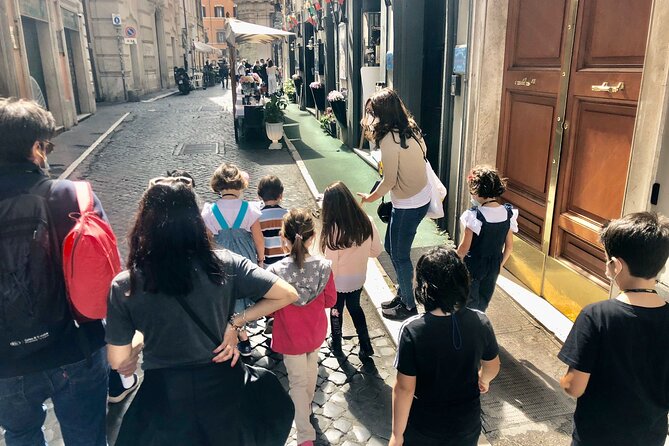
Rome can be intense with kids. Long lines, lots of standing, and artwork that takes time to appreciate. This tour answers that problem with a simple idea: use a treasure-hunt framework so kids have a job while you sightsee.
I like that the games are not random distractions. They guide attention to real places—Trevi, a column tied to Marcus Aurelius, and the Pantheon—so the kids learn without even realizing they are doing schoolwork. You also move in short chunks, which matters when attention spans start to wobble.
Another big plus: the tour is designed to cover major sights quickly before the youngest travelers get overwhelmed. That pacing is a feature, not a flaw, as long as you are okay with shorter stops rather than long wander time.
Weighing this one up? Here is how a few Rome favourites compare:
- Vatican Museums, Sistine Chapel & St. Peter’s Basilica Tour
★ 4.3 · 73,970 reviews - Vatican Museums, Sistine Chapel & St Peter’s Basilica Guided Tour
★ 4.5 · 39,149 reviews - Rome: Colosseum, Palatine Hill and Roman Forum Guided Tour
★ 4.8 · 32,814 reviews - Rome: Guided Tour of Colosseum, Roman Forum & Palatine Hill
★ 4.7 · 27,897 reviews
Price and value: what $105.22 buys you in real life
At $105.22 per person for about two hours, this is not a budget walking tour. But it is also not just sightseeing with a guide. You are paying for a structure that reduces family friction: game-based engagement, short timed stops, and Pantheon entry timed to help you bypass the line.
A quick way to think about the value:
- If you would otherwise spend time herding kids through busy sights, the tour’s pacing saves energy.
- If you need help getting Pantheon entry without wasting half your trip waiting, the timed ticket is a concrete benefit.
- If you want a guided activity that ends with a prize, you are paying for a complete experience, not only narration.
Also, with a maximum of 12 travelers, you are less likely to feel like you are in a huge school bus crowd. That is hard to price, but it changes how enjoyable the walk feels.
The 2-hour route: how it moves from Trevi to Navona
The tour starts at Piazza di Trevi, 89, 00187 Roma RM, Italy at 10:00 am, and it ends at Piazza Navona, 00186 Roma RM. It is an almost stop-by-stop sprint, with each stop around 10 to 15 minutes.
That short timing is intentional. You hit multiple A-list landmarks while the game keeps everyone participating. If you are traveling with kids, you will appreciate the rhythm: brief look, quick prompt, short activity, then move on.
Here is the flow you should expect, stop by stop.
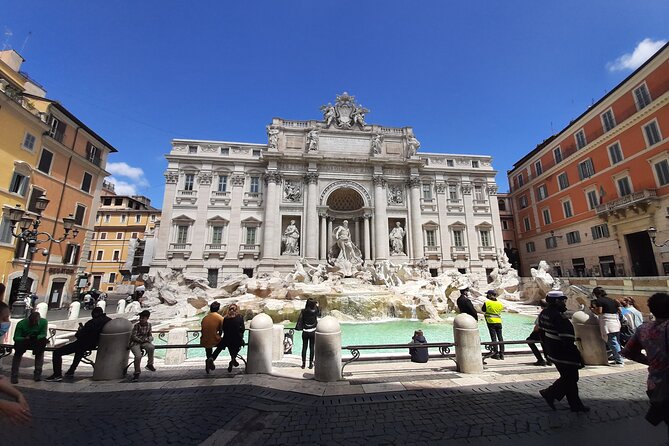
Stop 1: Fontana di Trevi (about 15 minutes)
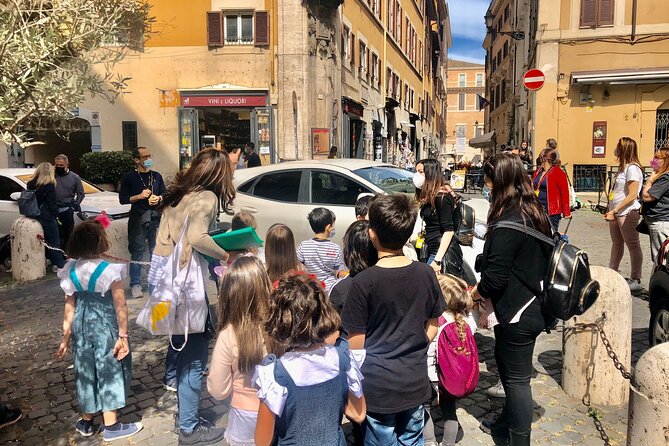
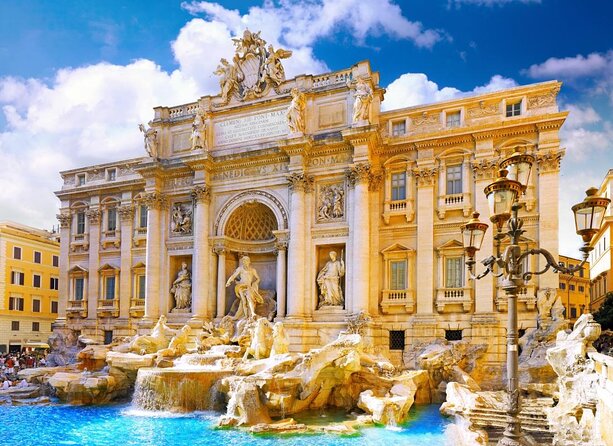
You begin at the Trevi Fountain and get the “secrets” of this famous work of art. This is a smart opener because Trevi is instantly recognizable for kids and adults. It also sets the tone: you are not just walking past a landmark—you are getting prompted to notice details while the tour becomes a game.
The Trevi stop also includes an admission ticket. That matters because it prevents dead time. Instead of trying to figure out entry on the fly, you start with something structured and quick.
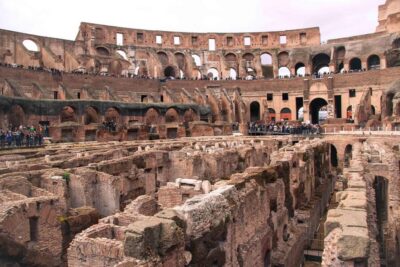
Stop 2: Galleria Alberto Sordi (about 10 minutes)
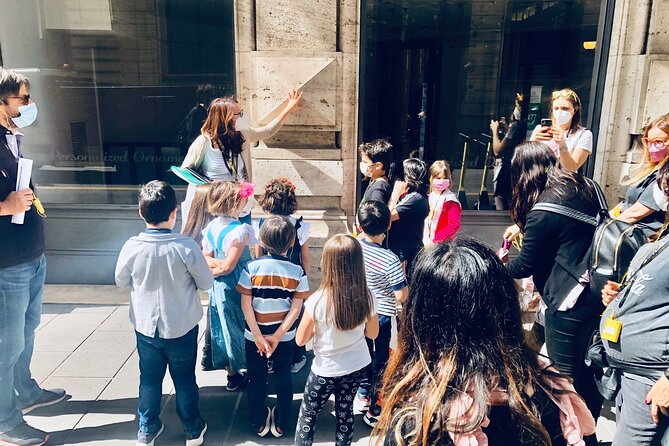
Next you pass through Galleria Alberto Sordi, described as one of Rome’s first modern shopping malls. For families, this stop works because it breaks up the outdoor walking with a different kind of space—and it gives you another game moment.
Expect a quick play with your family right here. It is not meant to be a shopping spree; it is a “keep moving and keep playing” checkpoint. If your kids get restless outside, this indoor break can be a relief.
The stop runs about 10 minutes and includes the admission ticket for this part of the experience.
Stop 3: Column of Marcus Aurelius (about 10 minutes)
Then you get a quiz tied to the Column of Marcus Aurelius, built for Emperor Marcus Aurelius. The key here is the quiz format. Instead of memorizing facts, kids answer the guide’s questions while you look at the monument.
This stop is short, but it is a good example of the tour’s method: place-based learning. The monument is the “answer sheet,” and the game turns observing into participation.
Admission ticket is included for this stop as well, so you spend more time doing the activity and less time handling entry logistics.
Stop 4: Piazza di Pietra (about 10 minutes)
At Piazza di Pietra, you play with a Rome-at-street-level idea: you try to find the ancient Roman street level. Even if you do not become an amateur archaeologist in 10 minutes, you get a way to understand the city’s layers.
For kids, this kind of task is perfect because it turns curiosity into action. You are not just listening; you are looking for something specific.
This is another short stop (about 10 minutes), which helps keep the pace family-friendly.
Stop 5: Pantheon (about 15 minutes, timed entry included)
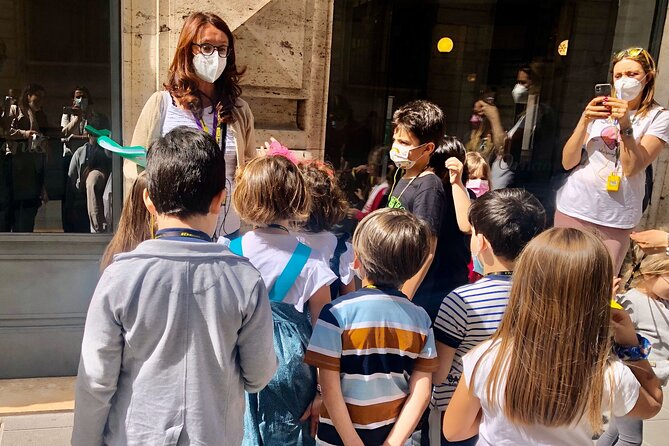
The Pantheon is the “big one.” The tour highlights it as the most impressive ancient Roman monument still standing, and you stand outside the monument and play with it.
Here is the practical win: you get timed Pantheon tickets to bypass the long line to enter. That alone can be worth the price if you have ever lost time to queue chaos in Rome.
One more reason this stop works for families: it is framed as an experience, not a prolonged sit-and-stare. Fifteen minutes is enough for a first encounter without turning into a battle over attention spans.
Stop 6: Sant’ Eustachio (about 10 minutes, ticket free)
Next is Sant’ Eustachio, another square where you listen closely and then find the stug. The wording is a bit garbled, but the intent is clear: there is a guided challenge built into the stop.
This is the kind of place where kids do best with a small job. If your child tends to drift when an adult starts explaining, this stop gives them a role.
It is listed as a free admission ticket for this stop, so it keeps the cost contained while adding another game moment.
Stop 7: Piazza Navona (about 10 minutes)
You finish at Piazza Navona with a last treasure hunt and a celebration for the winning team. This is how you close a kids-focused tour: end with something fun and social, not with “okay everyone, time to go.”
The stop is short (about 10 minutes) and includes an admission ticket. The timing also helps: you end while momentum is still high, rather than winding down slowly and losing the kids.
What to expect from the games and quizzes
The tour is basically a guided activity with built-in structure:
- Prompts and questions happen at each stop.
- Kids participate through quizzes and family play.
- There is a final prize for winners after the hunt.
That means you are not stuck listening for long stretches. You are moving, looking, and responding. Adults usually like it too, because it breaks the “stand and hear” monotony that can happen on standard sightseeing tours.
One practical note: this format works best if your kids are at least somewhat willing to play along. The tour is recommended for kids aged 6 and over, which lines up with the ability to follow simple rules and answer questions without getting frustrated.
Who this tour fits best (and who should skip it)
This is a great fit for:
- Families traveling with kids age 6+ who get tired when the plan is only walking and looking.
- Parents who want to see major landmarks without turning the day into a constant negotiation.
- Groups that like a guide who can teach through games, not long lectures.
It may not be ideal if:
- You want slow, unhurried sightseeing with lots of free time for photos and wandering.
- Your group prefers standalone museum-style visits instead of quick stop-and-respond activities.
If your goal is to get your bearings fast in central Rome while keeping kids engaged, this tour delivers.
Pacing and group size: why it matters on a short tour
The tour caps at 12 travelers, which is a big deal for family experiences. Smaller groups typically mean the guide can keep the game moving and keep everyone from getting lost.
The stop timing is tight—mostly 10 minutes, with a couple at 15. That keeps energy up, but it also means you should expect “see it, learn a bit, move on.” If you want to zoom in on details and spend 30 minutes at one spot, plan a separate time to return.
Also, the tour runs with a clear start and end: Trevi to Piazza Navona. That structure helps you avoid backtracking and helps your day flow.
Tickets, mobile pass, and what you should bring
You’ll use a mobile ticket, which simplifies entry moments during the tour. The tour is offered in English, so if you want a straightforward experience without translation, this is set up for that.
What to bring:
- Comfortable walking shoes for a packed two hours.
- Water if your kids get thirsty fast (snacks are not included).
- A good attitude about short stops and quick challenges.
One practical drawback: the tour does not include snacks. If you are traveling with kids, you will probably want to handle food outside the tour rather than hope everyone stays calm on an empty stomach.
About your guide: Maria Claudia and a kid-friendly teaching style
One review highlight that sticks with me is how strong the guide’s teaching was, especially for mixed ages. Maria Claudia was praised for knowledge of art and history, delivered in a way that helped kids understand without zoning out.
That is the core skill this tour relies on: balancing facts with play. When it works, kids stay focused because the information feels connected to what they are doing in that moment.
If you care about the guide being the difference between a “passive tour” and an actually useful experience, this one looks promising.
Should you book this Rome treasure hunt tour?
Yes, if you want a family-friendly Rome plan that is structured, quick, and fun. This is the kind of tour that gets you to the landmarks that matter—Trevi, the Pantheon, Piazza Navona—without dragging kids through hours of quiet wandering.
You should book if:
- Your kids are 6+ and enjoy games or challenges.
- You want timed Pantheon entry help to reduce line time.
- You prefer a small group experience (up to 12).
Skip it if you want leisurely pacing, lots of free time at each stop, or a deep, slow museum-style visit. In that case, you will enjoy Rome more by going at your own speed and booking separate, longer experiences.
FAQ
How long is the Games & Treasures Hunts Tour in Rome?
It runs for about 2 hours.
What is the price per person?
The price is $105.22 per person.
Is the tour offered in English?
Yes, it is offered in English.
What ages is the tour recommended for?
It is recommended for kids aged 6 and over.
Are Pantheon tickets included?
Yes. The tour includes entrance ticket to the Pantheon, and it also provides timed Pantheon tickets to bypass the long line to enter.
Are snacks included?
No. Snacks are not included.
More Tours in Rome
- Vatican Museums, Sistine Chapel & St. Peter’s Basilica Tour
★ 4.3 · 73,970 reviews - Vatican Museums, Sistine Chapel & St Peter’s Basilica Guided Tour
★ 4.5 · 39,149 reviews - Rome: Colosseum, Palatine Hill and Roman Forum Guided Tour
★ 4.8 · 32,814 reviews - Rome: Guided Tour of Colosseum, Roman Forum & Palatine Hill
★ 4.7 · 27,897 reviews - Rome: Colosseum, Roman Forum and Palatine Hill Guided Tour
★ 4.5 · 23,903 reviews - Rome: Colosseum Arena Floor, Palatine & Forum Guided Tour
★ 4.5 · 20,180 reviews
More Tour Reviews in Rome
- Vatican Museums, Sistine Chapel & St. Peter’s Basilica Tour
★ 4.3 · 73,970 reviews - Vatican Museums, Sistine Chapel & St Peter’s Basilica Guided Tour
★ 4.5 · 39,149 reviews - Rome: Colosseum, Palatine Hill and Roman Forum Guided Tour
★ 4.8 · 32,814 reviews - Rome: Guided Tour of Colosseum, Roman Forum & Palatine Hill
★ 4.7 · 27,897 reviews - Rome: Colosseum & Forum with Audio Guide App -Optional Arena
★ 4.2 · 24,770 reviews - Rome: Colosseum, Roman Forum and Palatine Hill Guided Tour
★ 4.5 · 23,903 reviews
Just added to our Rome reviews





Tours, compared.
 ★ 4.3Vatican Museums, Sistine Chapel & St. Peter’s Basilica TourFrom $7273,970 reviews
 ★ 4.5Vatican Museums, Sistine Chapel & St Peter’s Basilica Guided TourFrom $2239,149 reviews
 ★ 4.8Colosseum, Palatine Hill and Roman Forum Guided TourFrom $5232,814 reviews
 ★ 4.7Guided Tour of Colosseum, Roman Forum & Palatine HillFrom $5527,897 reviews
 ★ 4.5Colosseum, Roman Forum and Palatine Hill Guided TourFrom $5923,903 reviews
 ★ 4.5Colosseum Arena Floor, Palatine & Forum Guided TourFrom $4120,180 reviews
 ★ 4.3Vatican Museums, Sistine Chapel and Basilica TourFrom $7316,039 reviews
 ★ 4.7Colosseum Arena, Palatine Hill & Forum Guided TourFrom $8414,510 reviews