
Reviewed · ROME
Explore Christian Rome and the Underground of San Clemente
Rome has churches above and below churches. This small-group, 3-hour walk through Christian Rome links the underground at San Clemente with the Holy Stairs area and ends with Michelangelo’s Moses.
What I really like is the way the tour turns Rome’s famous buildings into a story you can follow. I love the underground “layer-cake” at Basilica di San Clemente al Laterano, including the altar linked to Mithras, and I love how the route mixes that with major art at Basilica di San Pietro in Vincoli.
One thing to plan for: the dress code. No shorts, miniskirts, or bare shoulders are allowed in the basilicas, and the tour runs rain or shine, so you’ll want comfortable shoes and a backup plan for wet weather.
In This Review
- Key highlights you should care about
- Christian Rome Underground: seeing faith in layers, not lines
- Starting at Laterano Caffè and St John Lateran’s big job as Rome’s cathedral
- Basilica di San Clemente al Laterano: the three-level church people don’t expect
- Santi Quattro Coronati: Constantine’s story and those fresco discoveries
- Scala Santa (Holy Stairs): a revered moment near St. John in Lateran
- San Pietro in Vincoli: Michelangelo’s Moses and the chains tradition
- Timing, walking pace, and the clothing rules that can make or break your day
- Languages, guides, and why the storytelling can change the tour
- Price of $167.66: what you’re paying for and where the value shows up
- Who should book this Christian Rome underground tour
- Should you book? The quick decision guide
- FAQ
- How long is the tour?
- Where does the tour start?
- Where does the tour end?
- What key sites are included?
- Is San Clemente ticket access included?
- What languages are available for the guide?
- What should I wear to enter the basilicas?
- Does the tour run in bad weather?
- Can I bring luggage or large bags?
- Is it suitable for wheelchair users or people with mobility impairments?
Key highlights you should care about
- San Clemente’s three levels and the underground spaces that most people never see
- Mithras altar details from the 1st century inside the Christian complex
- Santi Quattro Coronati and Constantine’s story through discovered frescoes
- Scala Santa (Holy Stairs) near St. John in Lateran, included as a stop
- Michelangelo’s Moses at San Pietro in Vincoli, tied to Julius II
Christian Rome Underground: seeing faith in layers, not lines
Rome can feel like a museum you walk through once and move on. This tour gives you a different mental picture: Christianity in Rome didn’t replace earlier beliefs in one clean moment. It grew on top of older spaces, and sometimes you literally step down into earlier centuries.
The “underground of San Clemente” is the emotional center here. You’re looking at a site that functions like a time machine: early structures below, later churches above, and generations of reuse that explain how Rome keeps building without erasing. And because you’re with a guide for the whole stretch, the place stops being a list of impressive names and starts making sense as a sequence.
You’ll also get a route that stays tightly focused on Christian Rome. That matters, because the city can scatter your attention. Here, the stops connect: Lateran as the power center, San Clemente as the layered site, Santi Quattro Coronati as a Constantinian thread, and San Pietro in Vincoli for Michelangelo’s Moses.
Weighing this one up? Here is how a few Rome favourites compare:
- Vatican Museums, Sistine Chapel & St. Peter’s Basilica Tour
★ 4.3 · 73,970 reviews - Vatican Museums, Sistine Chapel & St Peter’s Basilica Guided Tour
★ 4.5 · 39,149 reviews - Rome: Colosseum, Palatine Hill and Roman Forum Guided Tour
★ 4.8 · 32,814 reviews - Rome: Guided Tour of Colosseum, Roman Forum & Palatine Hill
★ 4.7 · 27,897 reviews
Starting at Laterano Caffè and St John Lateran’s big job as Rome’s cathedral
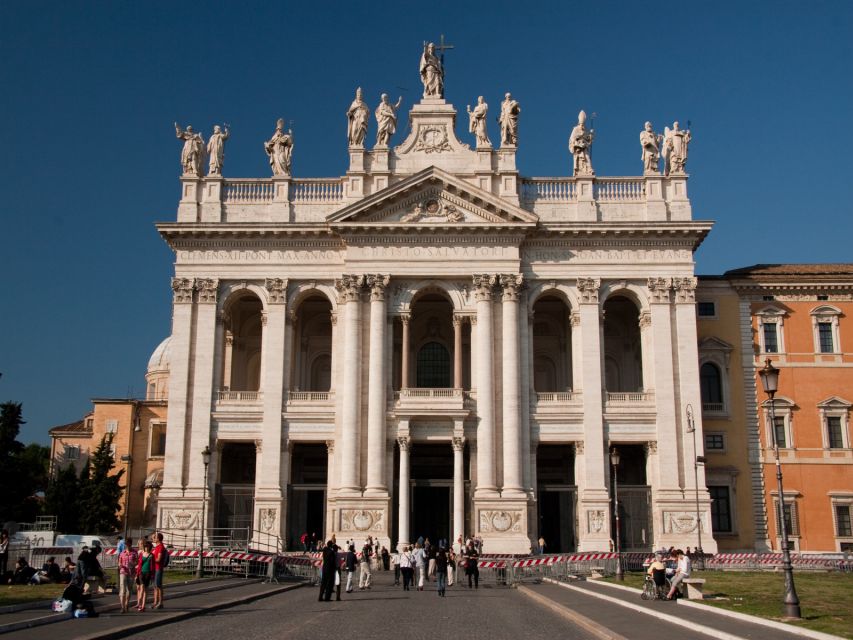
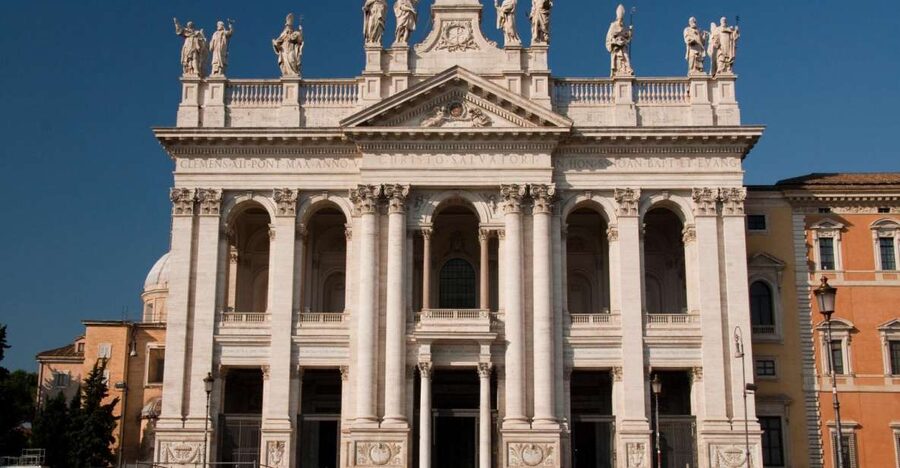
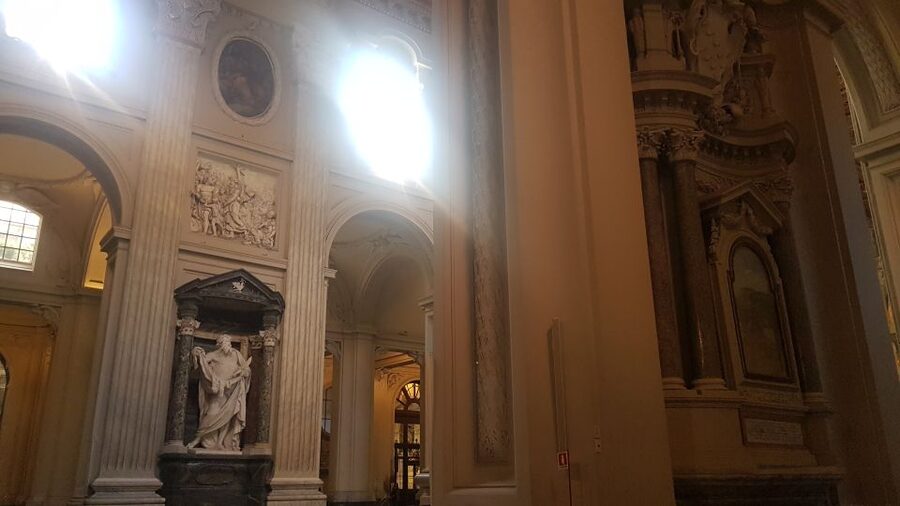
The tour begins near Laterano Caffè, setting you up for the Lateran area. From the start, the point is clear: Basilica di San Giovanni in Laterano isn’t just another church on your map. It’s the oldest of the four papal basilicas and is considered the Church of Rome—often described as the mother church of all churches.
You’ll get a guided visit here, not a quick stop-and-snap. Expect a photo moment and then time inside to understand what this place represents. It’s also the cathedral church, meaning it’s tied to the bishop’s seat, so you’re in a building that anchors Rome’s religious authority.
Dress rules show up fast on the Lateran side, so handle it early. This is one of those places where you don’t want to be thinking about clothing at the last second. If you’re traveling in warmer months, bring something that covers shoulders and lands below the knee or be ready to be turned away.
Basilica di San Clemente al Laterano: the three-level church people don’t expect
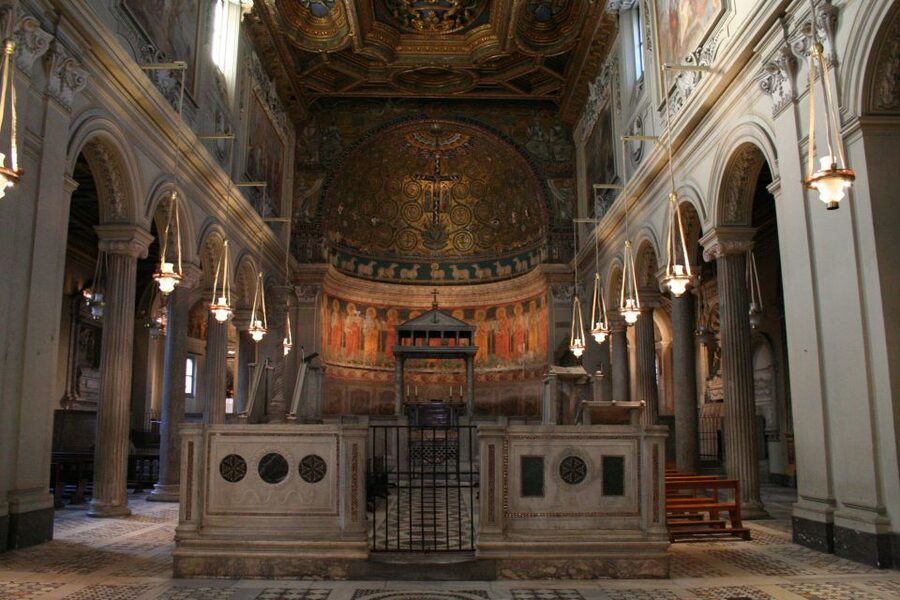
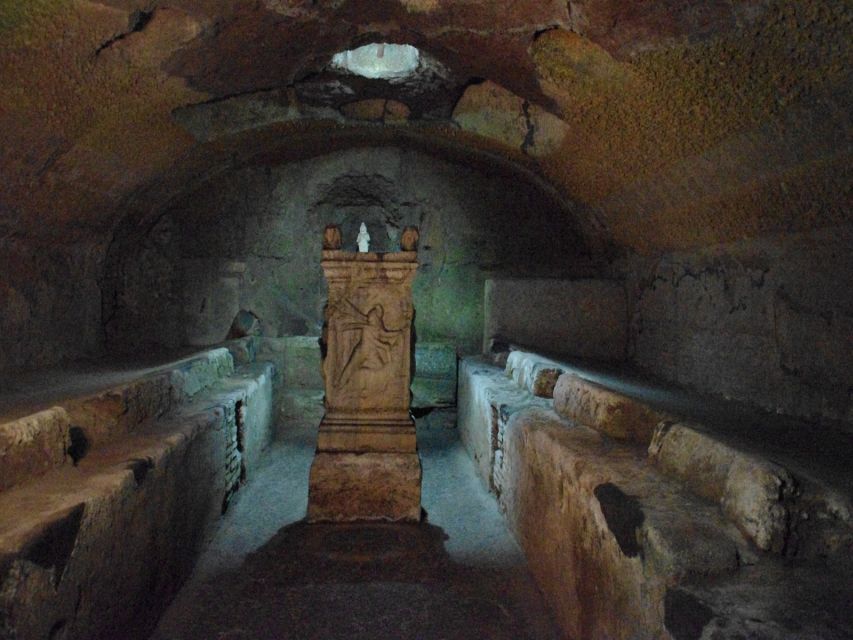
Then comes the star: San Clemente al Laterano and its underground. This is the rare Rome experience that feels like you’re walking through multiple centuries in one building. The basilica is built on three different levels, spanning from the 1st century into the 12th century, and the underground floors can be explored as part of the visit.
You’ll enter with tickets for San Clemente included, and the tour also skips the line, which is a practical win in a city where waiting can steal your energy. Once you’re inside, the value is in the guidance. Even if you’ve read about San Clemente, you’ll enjoy how your guide ties what you see to why it matters.
Here’s what makes the underground so compelling: it isn’t only “Christian vibes.” The site includes an altar connected to Mithras from the 1st century. That detail does a lot of work for you. It explains Rome’s continuity—how sacred space could keep being reused, reinterpreted, and built over.
How long you’ll spend here: about 1.5 hours is planned for San Clemente. That’s enough time to slow down. It also means you won’t feel rushed through the underground sections where the real storytelling happens.
A note that helps you plan your body: this is not a sit-down museum tour. You’ll be walking and shifting your footing as the building’s levels change. Comfortable shoes are not optional if you don’t want to spend the rest of the day nursing your feet.
Santi Quattro Coronati: Constantine’s story and those fresco discoveries
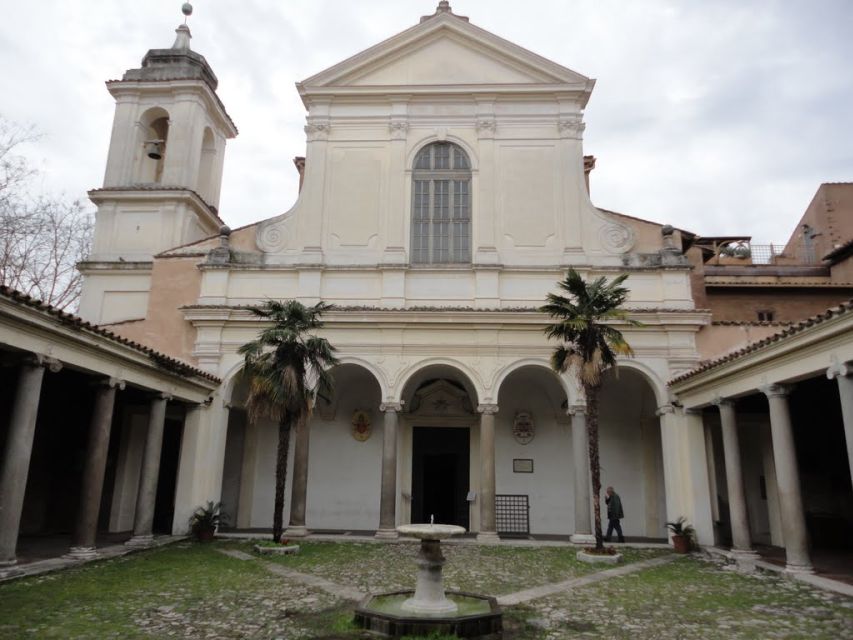
After San Clemente, the route moves to Santi Quattro Coronati, a smaller stop that still has big narrative weight. The church is dedicated to four anonymous saints and martyrs, but the reason this stop earns your attention is what was discovered and what it suggests about the period.
You’ll follow the story of Emperor Constantine here. The guide uses that thread to connect the Lateran area and the Christian “power shift” with art and belief. It’s one of those moments where the tour doesn’t just point at decoration—it explains why certain themes would matter.
The highlight is the fresco discovery from 2002. Scenes include the Zodiac, the Four Seasons, the Liberal Arts, and King Solomon. Those subjects are not random. They help you see early Christian art as part of a wider cultural conversation, not a closed circle.
What I’d watch for while there: take your time reading what the guide points out. Frescoes can look like patterns until you understand the symbolism and the setting. With a live guide, it clicks faster, and you don’t have to guess.
Time-wise, this is a shorter stop, about 15 minutes on the walk-and-see schedule. That’s a good thing for many people: you get the story without turning your tour into a marathon of doors and corridors.




Scala Santa (Holy Stairs): a revered moment near St. John in Lateran
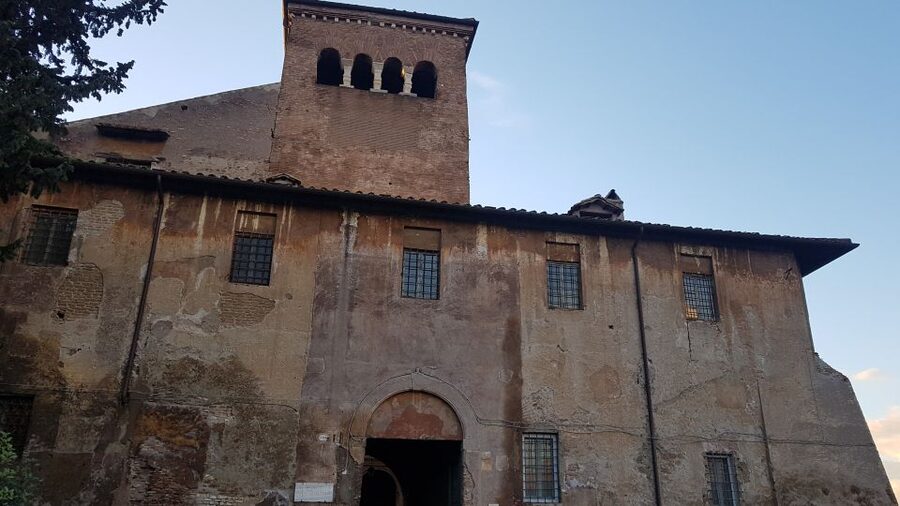
The tour also includes the Sanctuary near St. John in Lateran, with the Scala Santa—often called the Holy Stairs. This is a different kind of “sight” from mosaics and sculptures. It’s devotional space, and the meaning comes from the place’s reputation for religious importance.
Since the route is focused, you’ll likely experience Scala Santa as a planned stop in the Lateran area rather than a long wandering detour. That keeps the flow moving from the cathedral setting into a more intimate, intensely meaningful space.
The best way to enjoy Scala Santa is to treat it as a quiet pause. Even if you’re not deeply religious, you can still respect how people use sacred steps as a form of meditation and reflection. The guide’s explanations are what turn it from a tourist object into an understood tradition.
Plan for comfort. If your body isn’t happy with lots of standing, take advantage of any short moments your guide gives you. In a religious site, you’ll often have limited room to stretch your legs.
San Pietro in Vincoli: Michelangelo’s Moses and the chains tradition
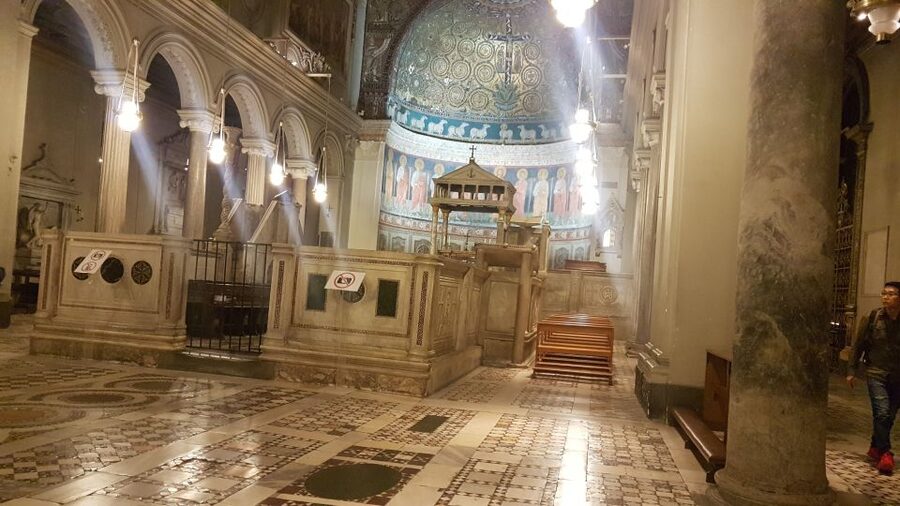
The final “big art” payoff lands at Basilica of San Pietro in Vincoli, where the tour ends. This is where the walking tour earns its keep for people who care about famous sculpture.
The basilica is named for the chains connected to Saint Peter. According to tradition, Helene, Constantine’s mother, brought these chains to Rome. There’s also a tradition involving a miracle in which these chains were joined to other St. Peter chains kept in Rome. Even if you stay skeptical about miracles, you can still appreciate how these stories helped communities build identity around relics.
Then comes the centerpiece: Michelangelo’s Moses. It’s described here as Michelangelo’s most important work, created for the tomb of Pope Julius II. If you’re used to Rome as “ancient ruins,” this is a useful correction. Rome also has Renaissance art power, right inside a functioning church.
This stop is shorter in the schedule (around 15 minutes), but it’s enough time to see the sculpture and have your guide frame why it matters. I’d suggest you slow your own pace once you reach it. Famous works can tempt you to rush. Spend a moment longer than you think you need, and you’ll feel the difference.
The tour finishing here is convenient. It gives you a satisfying closure: you started with a cathedral that anchors Roman Christianity and end with the Renaissance masterwork that keeps that identity visible through art.
Timing, walking pace, and the clothing rules that can make or break your day
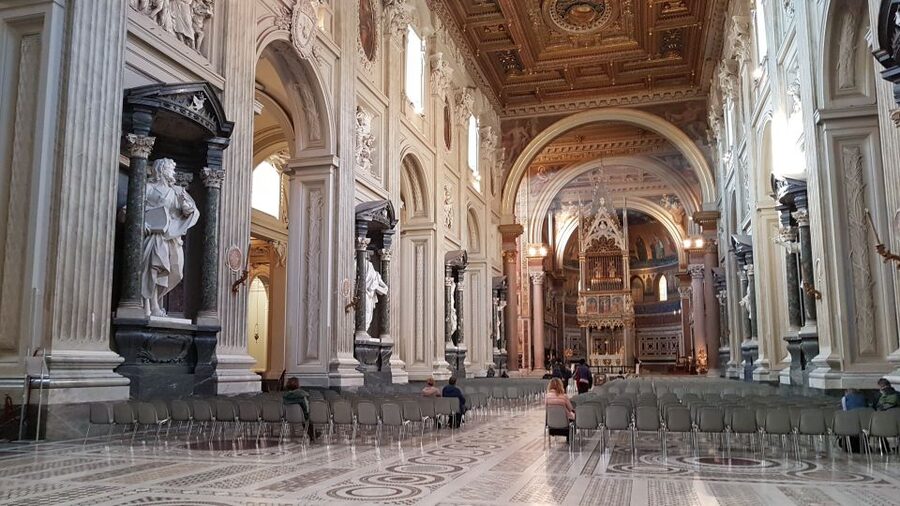
This is a half-day style experience built around 3 hours total. For a city like Rome, that’s a sweet spot. It’s long enough to absorb multiple sites with a professional guide, but short enough that you can still plan another afternoon activity afterward.
Expect a steady walking rhythm across several churches. Nothing here is designed for long bus rides or slow wandering. If you like structure and clear stop-by-stop storytelling, you’re in the right format.
Also: the basilicas have strict entry rules. You’re not permitted to wear shorts, miniskirts, or have uncovered shoulders to enter. If you’re traveling with a lightweight summer outfit, bring a scarf or an extra layer you can throw on quickly. It’ll save you from stress and last-minute decisions.
Weather doesn’t get special treatment. The tour operates rain or shine, so pack for wet conditions. A small umbrella or a hooded layer can help, because church time often means less shelter between stops.
Finally, keep bags simple. Luggage or large bags aren’t allowed. Travel light if you can, and assume you’ll want both hands free for cameras and phones.
Languages, guides, and why the storytelling can change the tour
The tour runs with a live guide in Spanish, English, or French. That matters because Christian Rome is layered, full of names, and sometimes loaded with tradition. A good guide turns it from “interesting facts” into a coherent walk.
The reviews that match this tour format praise guides who don’t just rattle dates. One guide named Roberto is highlighted for extensive knowledge and passion, and another guide named Mohamed is described as exceptional at history, culture, and storytelling. There’s also mention of an archaeologist guide, which can add even more depth at San Clemente.
You don’t need to be a religious scholar to benefit. You just need someone to help you connect what you’re seeing with why it became important. That’s the biggest strength of this kind of small-group tour: it keeps attention on the meaning of the stones, not only on the postcard view.
Price of $167.66: what you’re paying for and where the value shows up
At $167.66 per person, this isn’t the cheapest way to see churches in Rome. But it’s also not just “someone walks with you.” You’re paying for a 3-hour professional guide, plus basilica entrance tickets for San Clemente and inclusion of key stops tied to St John Lateran and Michelangelo’s Moses.
Two value points matter in Rome:
- You get skip-the-ticket-line access for San Clemente, which protects your time and energy.
- You don’t have to piece together multiple locations yourself across a short walking schedule.
If you tried to DIY this route, you’d still spend time figuring out entrances, timing, and explanations. For many people, the guide’s job is the difference between a quick look and real understanding.
It’s also a solid choice if you want a compact route that feels like a coherent theme: Christian Rome above and below ground, with Lateran, Constantine connections, and Renaissance payoff all included.
Who should book this Christian Rome underground tour
I think this tour fits you best if:
- You want Christian Rome, not only ancient Rome.
- You like seeing how buildings connect across centuries.
- You enjoy guided interpretation, especially when the site includes underground layers.
It may be less ideal if:
- You have mobility challenges (it’s listed as not suitable for people with mobility impairments and wheelchair users).
- You want a long, slow, open-ended experience in one place. This tour is focused and scheduled, so it’s not built for hanging around for hours.
Should you book? The quick decision guide
Book this tour if you want a clear 3-hour route that turns San Clemente’s underground into a story, adds Constantine-linked context at Santi Quattro Coronati, and finishes with Michelangelo’s Moses. The format is tight, the themes connect, and the included San Clemente entry plus skip-the-line access keeps it practical.
Hold off if your number-one goal is total flexibility or if strict church dress rules will cause you problems today. With the right clothing and a willingness to walk, though, this is one of the more meaningful ways to see Rome’s Christian layers without wandering in circles.
FAQ
How long is the tour?
It lasts 3 hours.
Where does the tour start?
The meeting point is Laterano Caffè.
Where does the tour end?
It ends back at Basilica of San Pietro in Vincoli.
What key sites are included?
The tour includes St. John Lateran Basilica, San Clemente’s Basilica (including its underground), Santi Quattro Coronati, the Sanctuary near St. John in Lateran with the Scala Santa, and San Pietro in Vincoli to see the Moses.
Is San Clemente ticket access included?
Yes. Basilica San Clemente entrance tickets are included, and you skip the ticket line.
What languages are available for the guide?
Live tour guidance is available in Spanish, English, and French.
What should I wear to enter the basilicas?
You must not wear shorts or miniskirts, and shoulders must be covered.
Does the tour run in bad weather?
Yes. It operates rain or shine.
Can I bring luggage or large bags?
No. Luggage or large bags are not allowed.
Is it suitable for wheelchair users or people with mobility impairments?
No. It is listed as not suitable for people with mobility impairments and wheelchair users.
More Tour Reviews in Rome
- Vatican Museums, Sistine Chapel & St. Peter’s Basilica Tour
★ 4.3 · 73,970 reviews - Vatican Museums, Sistine Chapel & St Peter’s Basilica Guided Tour
★ 4.5 · 39,149 reviews - Rome: Colosseum, Palatine Hill and Roman Forum Guided Tour
★ 4.8 · 32,814 reviews - Rome: Guided Tour of Colosseum, Roman Forum & Palatine Hill
★ 4.7 · 27,897 reviews - Rome: Colosseum & Forum with Audio Guide App -Optional Arena
★ 4.2 · 24,770 reviews - Rome: Colosseum, Roman Forum and Palatine Hill Guided Tour
★ 4.5 · 23,903 reviews




