
Reviewed · COLOSSEUM & ANCIENT ROME TOURS
Domus Tiberiana, Palatine Hill and Roman Forum Guided Tour
Rome’s palace rooms are finally open. This guided tour links Domus Tiberiana with the Roman Forum so you can read ancient Rome in the right order, not like a random sightseeing checklist.
I especially like that you start on Palatine Hill with orientation from a licensed guide, then keep moving toward the Forum’s main stories. I also like the practical rhythm: you get golf-cart help for transfers and then real time to explore key areas at your own pace.
One caution: it is not suitable for wheelchair users, and the site is outdoors with walking on uneven historic ground.
In This Review
- Key highlights worth planning for
- Why Domus Tiberiana Matters After 50 Years Closed
- Starting on Palatine Hill: your best first move
- The Domus Tiberiana walk: seeing Tiberius’ first imperial home
- Moving onward to the Roman Forum: the heart of civic life
- Golf cart transfers and pacing that keeps you from burning out
- The guides make it: Dino’s layered stories, Elaine’s clarity
- Price and logistics: is $111.02 good value?
- What to expect on the day: flow, rules, and what to bring
- Who should book this Domus Tiberiana and Forum tour
- Should you book this tour?
- FAQ
- How long is the Domus Tiberiana, Palatine Hill and Roman Forum guided tour?
- Where do I meet the tour, and how do I use my voucher?
- Are entrance tickets included in the price?
- Does the tour skip the ticket line?
- What languages are available for the live guide?
- Is hotel pickup and drop-off included?
- What ID do I need to bring?
- Is the tour suitable for wheelchair users?
- What is the cancellation policy?
Key highlights worth planning for
- Domus Tiberiana reopened after nearly 50 years, built for Emperor Tiberius
- Skip-the-ticket-line with entrance tickets handled as part of the tour
- Eco-friendly golf-cart ride to save energy on transfers
- Palatine Hill start gives you the big picture before you hit the Forum
- Licensed English/Italian guide who explains what you’re seeing and why it mattered
Why Domus Tiberiana Matters After 50 Years Closed
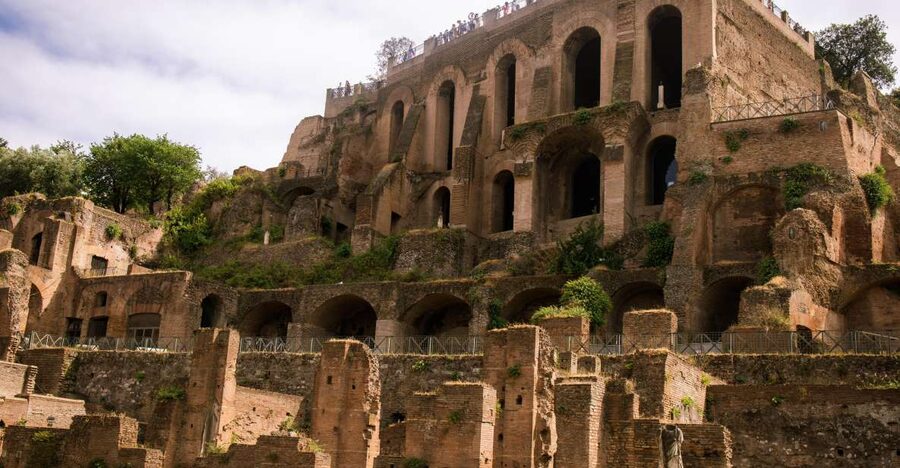
If you only remember one thing about this tour, make it this: Domus Tiberiana is back. After almost 50 years away from public access, this imperial palace complex is reopened, and that changes how you experience the Palatine area. Instead of looking at ruins as pretty leftovers, you’re stepping into a space that once felt like power made physical.
This palace was built by Emperor Tiberius and served as the first imperial residence for the Julio-Claudian dynasty. That matters because Palatine Hill wasn’t just where people lived. It was where rulers staged their authority. When you walk through Domus Tiberiana, you’re seeing the “center of gravity” for early empire Rome, not just individual monuments.
And the best part? You’re not left to guess. A professional guide walks you through the key elements so the layout and the surviving structures make sense. Your brain starts connecting dots fast: who lived here, what this complex represented, and how it fit into the broader imperial shift from Republic-era ideals.
Still on ancient Rome? A few more we rated
- Rome: Colosseum, Palatine Hill and Roman Forum Guided Tour
★ 4.8 · 32,814 reviews - Rome: Guided Tour of Colosseum, Roman Forum & Palatine Hill
★ 4.7 · 27,897 reviews - Rome: Colosseum & Forum with Audio Guide App -Optional Arena
★ 4.2 · 24,770 reviews - Rome: Colosseum, Roman Forum and Palatine Hill Guided Tour
★ 4.5 · 23,903 reviews
Starting on Palatine Hill: your best first move
Palatine Hill can feel like a maze unless you have context. So I like that this tour starts there. You begin on the legendary ground tied to Rome’s earliest stories, then your guide helps you understand what you’re looking at before you move into the Forum.
Think of this as your setup round. Once you know what Palatine represented—royal residence, prestige, control of the city—you’ll interpret the later ruins differently. The same stones start telling a clearer story.
It also helps that you’re not rushing. After the guided segments, you’ll have time to explore at your own pace. That’s important at Palatine, where you might want extra seconds to study a surviving wall detail, stare at the scale, or just catch your breath before continuing.
The Domus Tiberiana walk: seeing Tiberius’ first imperial home
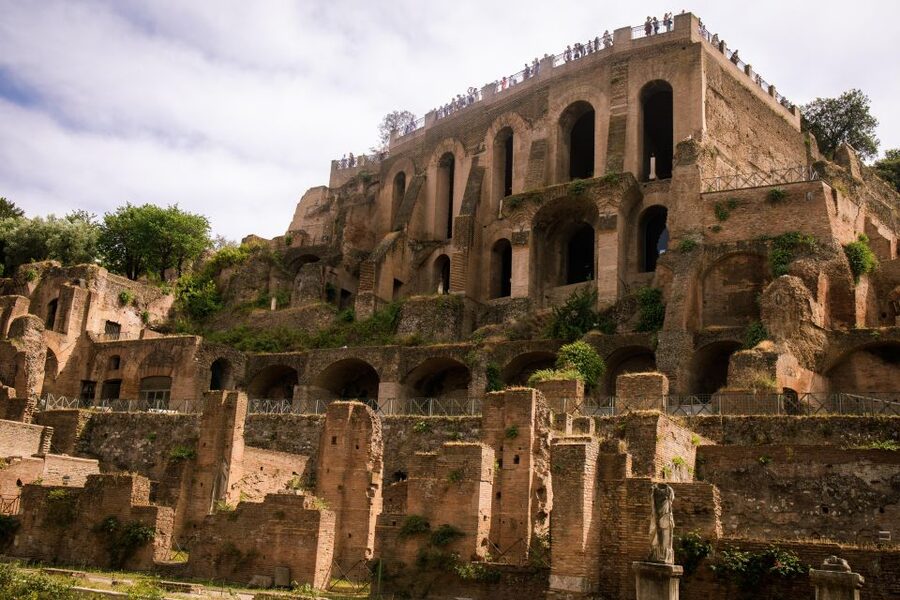
This is the headline stop for a reason. Domus Tiberiana isn’t an average “one-room ruin” moment—it’s a whole imperial palace environment connected to how early emperors lived and displayed dominance.
Tiberius’ palace complex served as a first imperial residence for the Julio-Claudian dynasty, which means it sits right at a turning point in Roman government and identity. In plain terms: once emperors moved from being political figures to living symbols of power, places like this became tools. The design choices, the scale, and the positioning all helped announce that message.
A guide’s job here is huge. Instead of you wandering and hoping for meaning, you get stories that translate the physical space: what the palace would have been like when it was functioning, and how it connected to the rest of imperial Rome.
Also, since this is a reopened site, you’ll get the feeling of standing in a chapter that’s been closed for decades. That perspective can make the experience more vivid, because you’re seeing something newly available rather than something you’ve already seen a thousand times in photos.
Moving onward to the Roman Forum: the heart of civic life
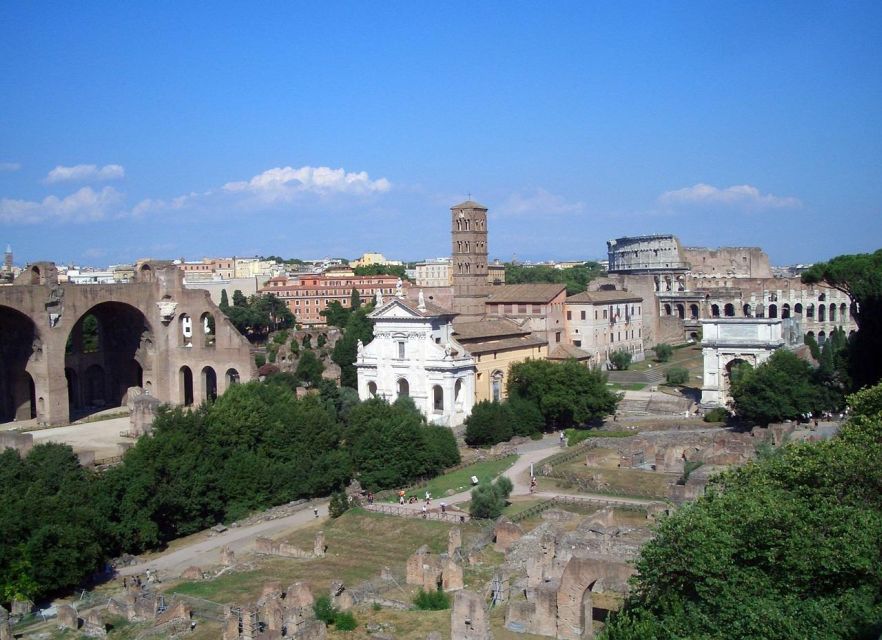
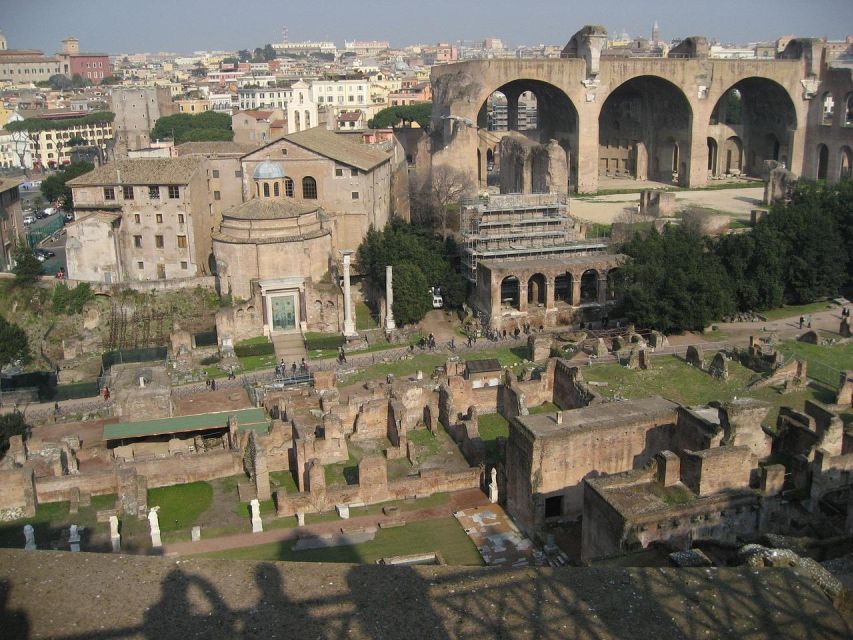
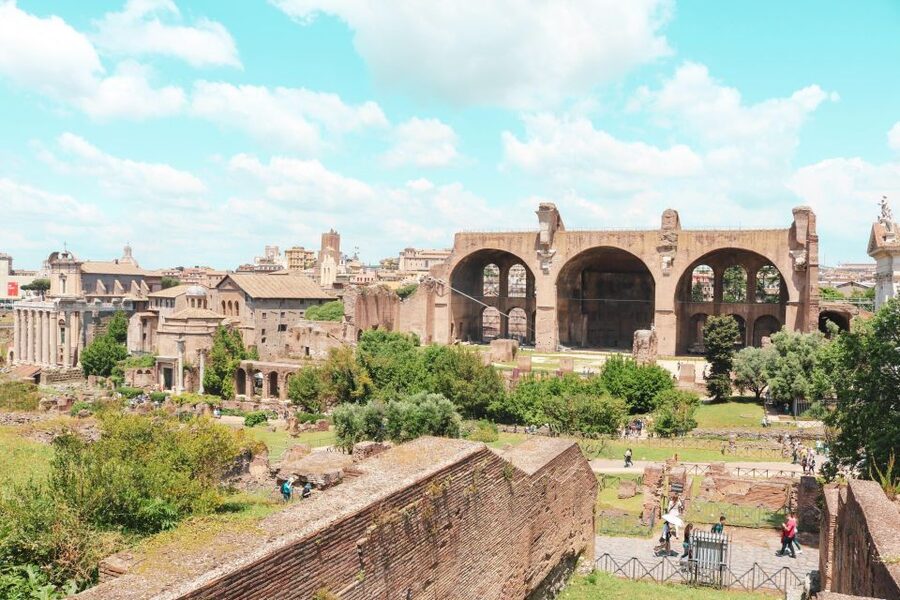
From Palatine, you step into the Roman Forum, which was basically the social and political center of ancient Rome. If Domus Tiberiana is about imperial authority, the Forum is about daily Roman life meeting government and religion all in one place.
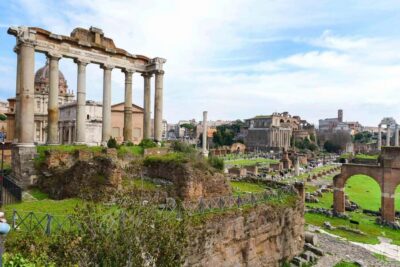
Your guide will walk you through the remnants and explain what you’re seeing—along with the stories that attach to the stones. This is where those anecdotes matter. Without them, the Forum can feel like a pile of columns and wall fragments. With them, you start understanding how the city worked: public decisions, public ceremonies, and public arguments all in the same geographic space.
And here’s a practical point: the Forum is big, and you can’t take it all in one pass. That’s why having your own pace time after guided explanation is smart. You can slow down at the areas your guide highlights most, then wander a little when something grabs your attention.
You’ll also get that “oh, I get it now” effect as the places you saw earlier on Palatine start to make sense relative to the Forum. The tour design encourages that cause-and-effect thinking, which is exactly what you want on a site as layered as this.
Worth a look next to this Rome booking:
Golf cart transfers and pacing that keeps you from burning out
Ancient Rome can drain you fast. That’s why I like that this experience includes a tour around the city in an eco-friendly golf-cart. Transfers take time in Rome, and the cart helps you conserve energy so the walking feels like the point, not the punishment.
The key is balance. You get guided instruction where it counts—so you don’t waste time guessing—and then you get room to breathe while exploring. With a 2 to 2.5 hour total duration, pacing becomes part of the value. You’re not stuck for half a day, and you’re not rushed through the most meaningful zones either.
If you’re planning this day alongside other major sights, the golf-cart piece can be the difference between a trip that feels focused versus one that turns into a sprint between photo stops.
The guides make it: Dino’s layered stories, Elaine’s clarity
A tour like this lives or dies by the guide. And the standout theme here is that the explanations feel personal, not robotic.
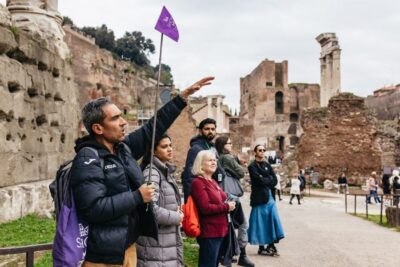
Dino comes up as a top example: people felt that he made the ruins and monuments come alive, and that he knew the layers of history across Forum and Palatine Hill. That’s not just a compliment. It tells you something useful: you’ll likely hear interpretations that connect one area to another, not isolated facts.
Elaine gets praise for making history easy to follow, including for teenagers. If you’re traveling with younger people, that matters. Roman sites can be intimidating because they’re fragmentary. A guide who can translate what’s left into what used to be there helps everyone enjoy the experience, not just the history buffs.
Also, one review notes that a private tour felt especially privileged. Even if your group isn’t private, it’s still a good sign. It suggests the guide style is built around story clarity and attention to what you’re seeing.
Price and logistics: is $111.02 good value?
At about $111.02 per person for a 2 to 2.5 hour guided experience, this isn’t the cheapest option in Rome. But it is priced in a way that makes sense for what you get.
Here’s what you’re paying for:
- A professional licensed guide, not just audio
- Entrance tickets included, along with all fees and taxes
- Skip-the-ticket-line, which saves time at a busy site
- A structured route that combines Palatine Hill, Domus Tiberiana, and the Roman Forum
- Transfers supported by an eco-friendly golf-cart
Time is the real currency on these sites. If you arrive without a guide, you’ll spend more time trying to figure out what you’re looking at, and you’ll miss the meaning that turns ruins into a story. With a guide and skip-the-line access, you buy back time and confidence.
So yes, the price is meaningful—but so is the value. This is the kind of tour that helps you leave with understanding, not just photos.
What to expect on the day: flow, rules, and what to bring
This tour is built around a simple rhythm: you meet, swap your voucher for the tour ticket at the ticket counter, then start from the meeting point at the office. The activity ends back at the meeting point.
Plan for a few practical realities. You need your passport or ID card. Names are required at booking, and they’ll want the right details on hand.
Also, follow the site rules to avoid headaches:
- No pets
- No luggage or large bags
- No mobility scooters
- No alcohol or drugs
- No plastic bottles or glass objects
- No unaccompanied minors
These restrictions might sound fussy, but they’re pretty standard for controlled heritage sites. The upside is a smoother, safer tour flow.
Finally, food and drinks are not included, and hotel pickup and drop-off is not included. If you’re doing this as part of a busy Rome day, I’d plan a snack or water strategy separately so the tour time stays focused.
Who should book this Domus Tiberiana and Forum tour
This one fits best if you want:
- A guided way to understand two of the most important zones on Palatine Hill and the Roman Forum
- A chance to see Domus Tiberiana, now reopened after years closed
- Less guesswork and more explanation, especially if you like your sightseeing with a story
It’s also a good pick for couples and families who want a clear route without committing to an all-day excursion. And if you’re traveling with teens, the guide approach can make the material easier to follow.
You might think twice if you need wheelchair access, since it’s not suitable for wheelchair users. And if you know you hate walking on uneven historic surfaces, you’ll want to pace yourself during the free-explore moments.
Should you book this tour?
I’d book it if you’re the type of traveler who wants to understand what you’re seeing, not just collect landmarks. The reopened Domus Tiberiana alone makes this feel timely, and the guided structure turns Palatine and the Roman Forum from scattered ruins into connected civic and imperial stories.
Skip it only if you already have a strong plan for the Forum area with a trusted guide elsewhere, or if you’re extremely sensitive to walking outdoors. For most people, though, the mix of licensed guiding, skip-the-line access, and a route that actually prioritizes meaning makes the price feel fair.
FAQ
How long is the Domus Tiberiana, Palatine Hill and Roman Forum guided tour?
The tour lasts 2 to 2.5 hours. Starting times vary, so you’ll want to check availability.
Where do I meet the tour, and how do I use my voucher?
You must exchange your voucher at the ticket counter before the tour begins. The meeting point is the provider’s office, and the tour ends back there too.
Are entrance tickets included in the price?
Yes. Entrance tickets are included, along with all fees and taxes.
Does the tour skip the ticket line?
Yes. It includes skip-the-ticket-line access.
What languages are available for the live guide?
The live tour guide is available in English and Italian.
Is hotel pickup and drop-off included?
No. Hotel pickup and drop-off are not included.
What ID do I need to bring?
Bring your passport or an ID card.
Is the tour suitable for wheelchair users?
No. It is not suitable for wheelchair users.
What is the cancellation policy?
You can cancel up to 24 hours in advance for a full refund.
More Tours in Rome
- Vatican Museums, Sistine Chapel & St. Peter’s Basilica Tour
★ 4.3 · 73,970 reviews - Vatican Museums, Sistine Chapel & St Peter’s Basilica Guided Tour
★ 4.5 · 39,149 reviews - Rome: Colosseum, Palatine Hill and Roman Forum Guided Tour
★ 4.8 · 32,814 reviews - Rome: Guided Tour of Colosseum, Roman Forum & Palatine Hill
★ 4.7 · 27,897 reviews - Rome: Colosseum, Roman Forum and Palatine Hill Guided Tour
★ 4.5 · 23,903 reviews - Rome: Colosseum Arena Floor, Palatine & Forum Guided Tour
★ 4.5 · 20,180 reviews
More Tour Reviews in Rome
- Vatican Museums, Sistine Chapel & St. Peter’s Basilica Tour
★ 4.3 · 73,970 reviews - Vatican Museums, Sistine Chapel & St Peter’s Basilica Guided Tour
★ 4.5 · 39,149 reviews - Rome: Colosseum, Palatine Hill and Roman Forum Guided Tour
★ 4.8 · 32,814 reviews - Rome: Guided Tour of Colosseum, Roman Forum & Palatine Hill
★ 4.7 · 27,897 reviews - Rome: Colosseum & Forum with Audio Guide App -Optional Arena
★ 4.2 · 24,770 reviews - Rome: Colosseum, Roman Forum and Palatine Hill Guided Tour
★ 4.5 · 23,903 reviews
Ancient Rome, Kept Going
- Rome: Colosseum, Palatine Hill and Roman Forum Guided Tour
★ 4.8 · 32,814 reviews - Rome: Guided Tour of Colosseum, Roman Forum & Palatine Hill
★ 4.7 · 27,897 reviews - Rome: Colosseum & Forum with Audio Guide App -Optional Arena
★ 4.2 · 24,770 reviews - Rome: Colosseum, Roman Forum and Palatine Hill Guided Tour
★ 4.5 · 23,903 reviews - Rome: Colosseum Arena Floor, Palatine & Forum Guided Tour
★ 4.5 · 20,180 reviews - Rome: Colosseum Arena, Palatine Hill & Forum Guided Tour
★ 4.7 · 14,510 reviews
Just added to our Rome reviews





Colosseum & Ancient Rome Tours, compared.
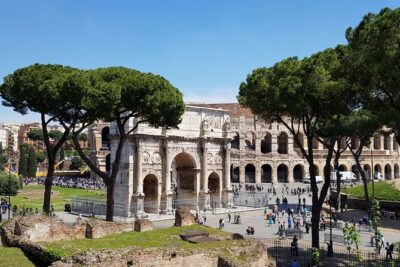 ★ 4.8Colosseum, Palatine Hill and Roman Forum Guided TourFrom $5232,814 reviews
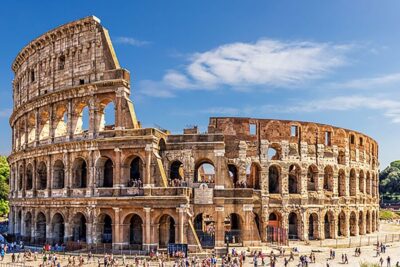 ★ 4.7Guided Tour of Colosseum, Roman Forum & Palatine HillFrom $5527,897 reviews
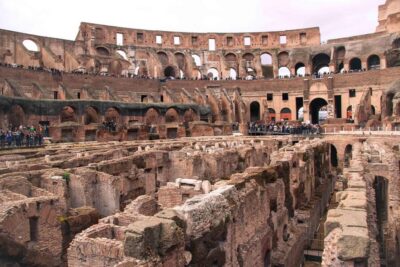 ★ 4.2Colosseum & Forum with Audio Guide App -Optional ArenaFrom $4124,770 reviews
 ★ 4.5Colosseum, Roman Forum and Palatine Hill Guided TourFrom $5923,903 reviews
 ★ 4.5Colosseum Arena Floor, Palatine & Forum Guided TourFrom $4120,180 reviews
 ★ 4.7Colosseum Arena, Palatine Hill & Forum Guided TourFrom $8414,510 reviews
 ★ 4.6Colosseum,Forum & Palatine Tour + Optional Arena FloorFrom $4513,169 reviews
 ★ 4.7Colosseum: Underground and Ancient Rome TourFrom $16012,691 reviews