
Reviewed · TOURS
Dark Heart of Rome: Facts, Legends, and Mystery Tour
Rome feels different after sunset. This 90-minute night walk trades the usual highlights for legends and darker street corners around Campo de’ Fiori and Castel Sant’Angelo. I like how the guide turns history into a story you can follow step-by-step, with that warm Rome evening glow doing half the work.
Two things I especially like: the route takes you to places you wouldn’t naturally wander into on a typical daytime loop, including Via Giulia. And the focus stays on atmosphere plus facts, so you’re not just hearing spooky talk—you’re learning why the city has those shadows in the first place.
One consideration: it’s a walking tour through older streets, so it’s not suitable for wheelchair users and strollers aren’t allowed. Plan for comfortable shoes and expect an evening pace that can feel brisk on cobblestones.
In This Review
- Key things to know before you go
- Rome at night, with the stories turned down low
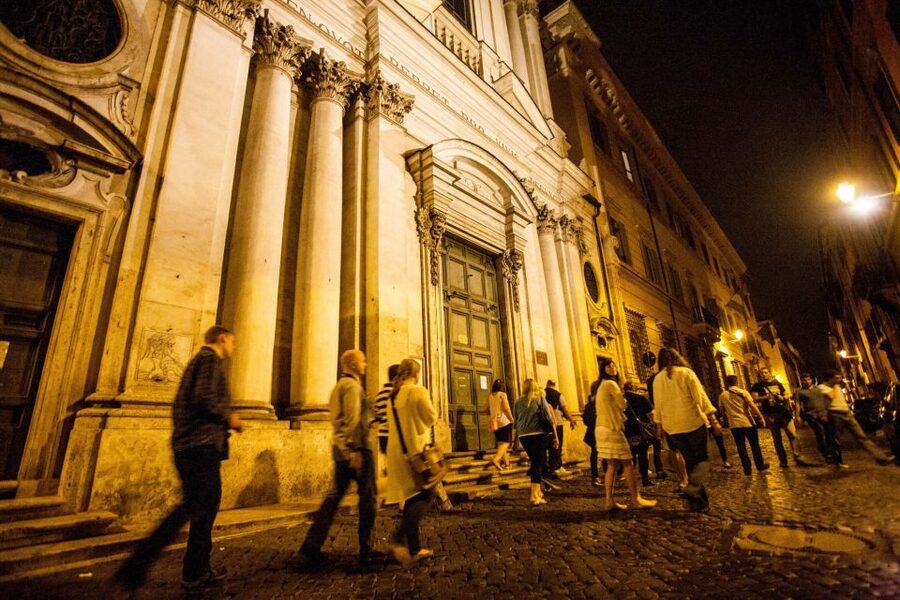
- Where to meet: San Andrea della Valle Church steps
- Campo de’ Fiori after dark: the shadow side of the square
- Corso Vittorio Emanuele II: walking in the city’s old corridor
- Piazza Farnese and its granite basin fountains
- Via Giulia: one of Renaissance Rome’s first planning projects
- Via del Governo Vecchio: the streets that beg for a photo
- Castel Sant’Angelo: Hadrian’s Mausoleum, lit like a legend
- The itinerary flow: how the stops work together
- Price and value: what $14 buys in Rome
- Who this tour is best for (and who should skip)
- Should you book Dark Heart of Rome?
- FAQ
- How long is the Dark Heart of Rome tour?
- How much does the tour cost?
- Where do I meet the tour guide?
- Is the tour guided in English?
- What should I bring?
- Is the tour wheelchair accessible?
- Are strollers allowed?
Key things to know before you go
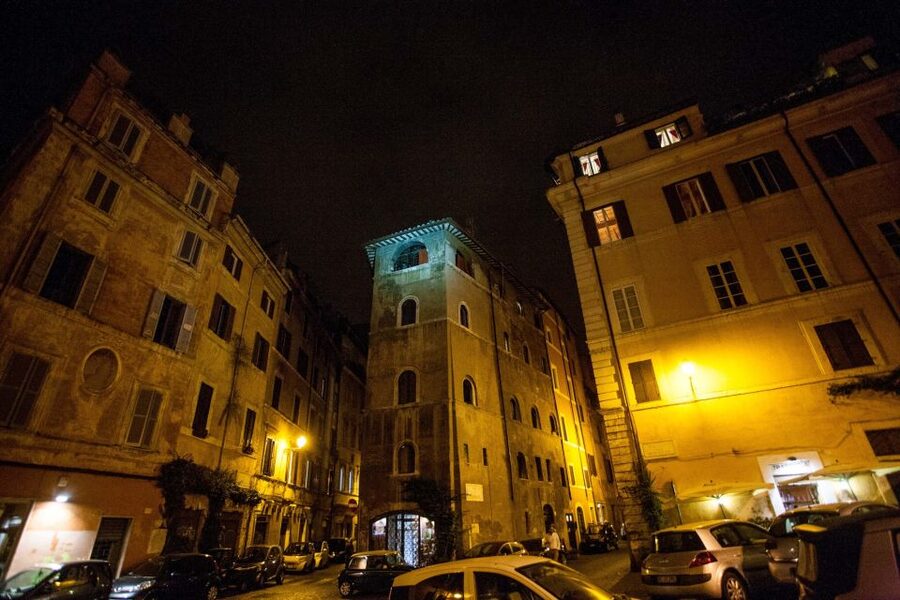
- Nighttime route: see central Rome lit up after the crowds thin.
- Famous dark stop: Campo de’ Fiori, tied to historical public executions.
- Piazza Farnese at dusk: pass fountains set in granite basins.
- Renaissance planning walk: Via Giulia is among the first planned Renaissance projects.
- Hadrian’s legacy: Castel Sant’Angelo, connected to Hadrian’s Mausoleum.
- Photo pauses: built-in time at Via del Governo Vecchio and Castel Sant’Angelo.
Rome at night, with the stories turned down low
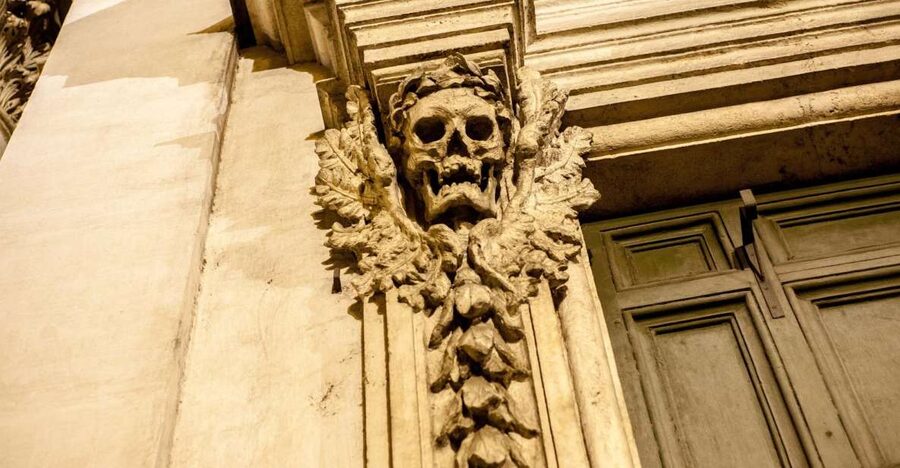
If you’ve only seen Rome in daylight, you’re missing a big part of the city’s personality. This tour leans into that shift: when the sun goes down, the historic center feels older, quieter, and more dramatic. The walk focuses on the darker side of the Eternal City where facts and legends sit so close together you start wondering which one you’re hearing first.
What you’re really paying for isn’t just the route. It’s the how. Many guides credited for this tour are known for clear, easy-to-follow English and for storytelling that’s theatrical without turning the whole thing into a gimmick. People also note good pacing—especially important on a 1.5-hour walk where you still want time to look up, not just keep moving.
The best match for this tour is your curiosity level. If you like the gritty, human sides of history—punishments, power, fear, rumors—this is a strong fit.
Weighing this one up? Here is how a few Rome favourites compare:
- Vatican Museums, Sistine Chapel & St. Peter’s Basilica Tour
★ 4.3 · 73,970 reviews - Vatican Museums, Sistine Chapel & St Peter’s Basilica Guided Tour
★ 4.5 · 39,149 reviews - Rome: Colosseum, Palatine Hill and Roman Forum Guided Tour
★ 4.8 · 32,814 reviews - Rome: Guided Tour of Colosseum, Roman Forum & Palatine Hill
★ 4.7 · 27,897 reviews
Where to meet: San Andrea della Valle Church steps
You start at the steps of San Andrea della Valle Church on Corso Vittorio Emanuele II. It’s about 150 meters from Largo di Torre Argentina, on the left side if you’re heading toward the Tiber River. The church sits near Piazza Vidoni and Piazza Sant’Andrea della Valle.
A practical tip: give yourself buffer time to orient. Rome intersections can be confusing at night, and you want to arrive calm, not sprinting. The guide will be wearing blue attire, so you can spot them quickly once you’re in the right spot.
The tour begins from Piazza Vidoni (listed as 1491), then you’ll head into the historic heart on foot.
Campo de’ Fiori after dark: the shadow side of the square
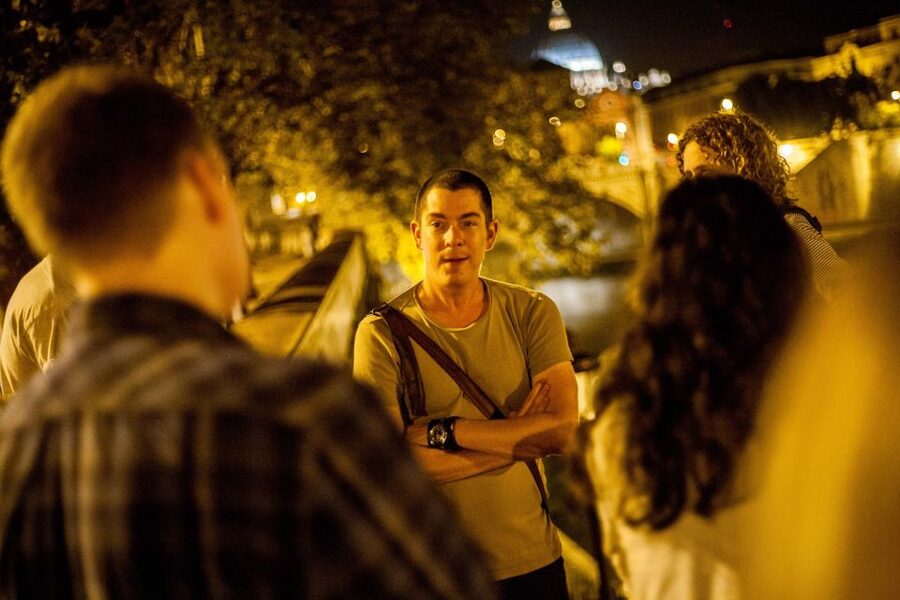
Campo de’ Fiori is one of those places that looks timeless even when you know it has a complicated past. On this walk, it’s more than a pretty square. You’ll go there specifically to hear what once happened in the area—most notably that public executions took place here.
That matters because it changes how you read the space. In daylight, Campo de’ Fiori can feel like a lively, everyday stop. At night, with the stories in your head and the street tones turning hushed, it becomes a stage for Rome’s darker history. You’re learning context, not just collecting a destination photo.
Also, this segment sets the tone for the rest of the tour. You’ll move from the square into nearby winding lanes, so you get used to the pace and the “story map” style.
Corso Vittorio Emanuele II: walking in the city’s old corridor
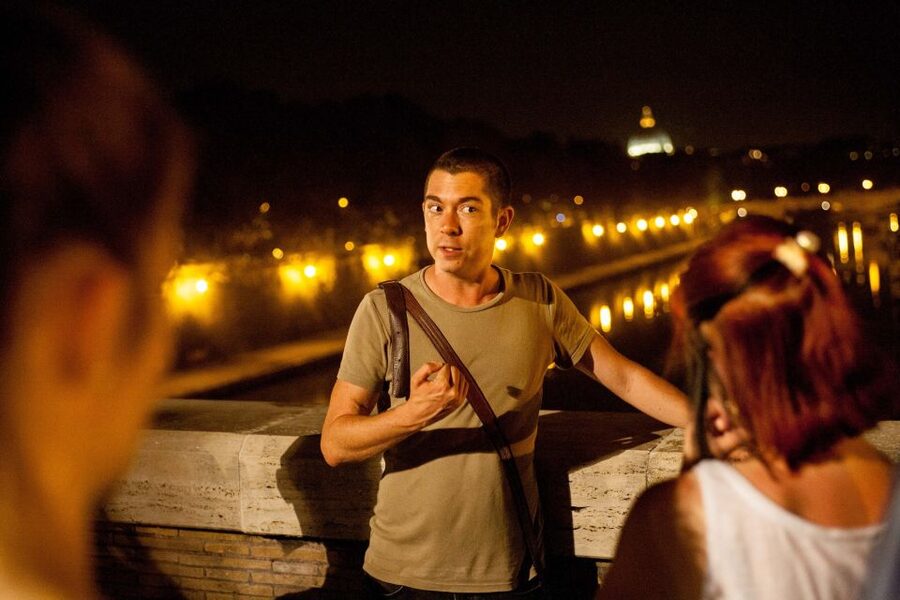
Before you reach your next major stop, the route uses Corso Vittorio Emanuele II as a kind of guide corridor. You’re not just changing streets—you’re transitioning between neighborhoods and eras. The tour uses these connections to keep the story flowing, so each stop feels like it belongs to the same night narrative.
This is a good time to notice lighting. Rome at night isn’t just pretty; it helps you see stone textures, arches, and edges that daylight can flatten. If you like photography, this is where you’ll start catching the small angles that make street scenes look cinematic.
One small downside: if you’re someone who hates walking between highlights, this “in-between” time could feel like filler. For this tour, though, those stretches help the guide build the legend-and-fact rhythm.
Piazza Farnese and its granite basin fountains
Piazza Farnese is one of those Rome squares that feels like a room. It’s known for its grand, controlled design—and during this tour, you’ll pass by it while listening to what the space represents historically and culturally.
You’ll specifically see fountains formed out of granite stone basins, and in the evening light that detail becomes easier to appreciate. It’s not just a landmark. It’s part of the visual language of power and taste in Renaissance Rome—how a city displays wealth, planning, and authority.
If you’ve already done the big museum-style tours, Piazza Farnese can feel like a relief. You’re not standing in line or staring at glass. You’re moving through a working public space, with a guide explaining why the design matters.
Via Giulia: one of Renaissance Rome’s first planning projects
This stop is a standout for me because it’s where the “mystery” side meets city design. Via Giulia is described here as one of the first planning projects of Renaissance Rome, and that framing is useful.
When you walk along it, you’ll see what planned streets can do. Instead of feeling like random growth, the city feels guided—like someone cared about how people would move, where sightlines land, and how buildings present themselves. That kind of planning is a clue to how Rome evolved from older layers into something more organized.
Why this helps your understanding: legends love to attach themselves to places where people had control. Planned streets signal authority, and authority often creates stories—some official, some whispered.
Expect more guided walking here, not just a quick pass-by.
Via del Governo Vecchio: the streets that beg for a photo
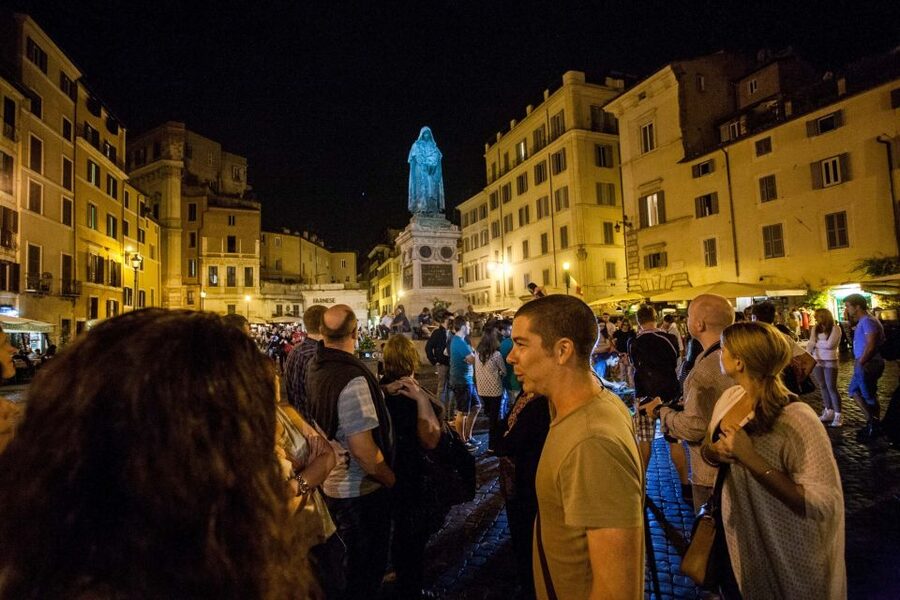
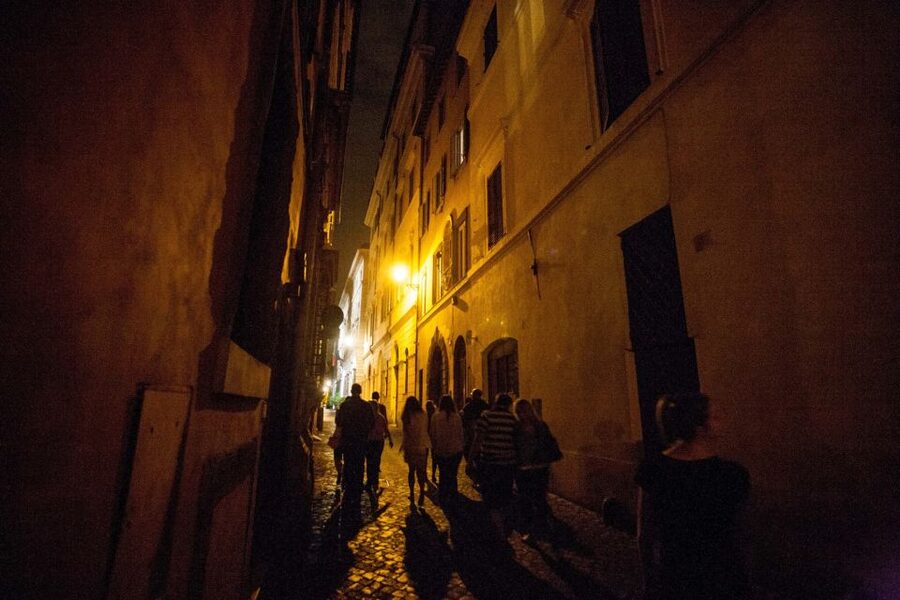
After Via Giulia, you’ll reach Via del Governo Vecchio. The tour includes a photo stop here, plus time with the guide for context. This is one of those streets where the buildings and narrow lanes make you slow down naturally. Even if you don’t consider yourself a “photo person,” you’ll likely want a couple shots, because the angles look dramatic at night.
This is also where the walking tour format really shines. Instead of hearing a legend and moving on immediately, you have a pause that lets you look around while the guide explains what you’re seeing.
A practical consideration: narrow streets and uneven pavement mean you’ll want to keep your footing in mind. Comfortable shoes aren’t optional on this one.
Castel Sant’Angelo: Hadrian’s Mausoleum, lit like a legend
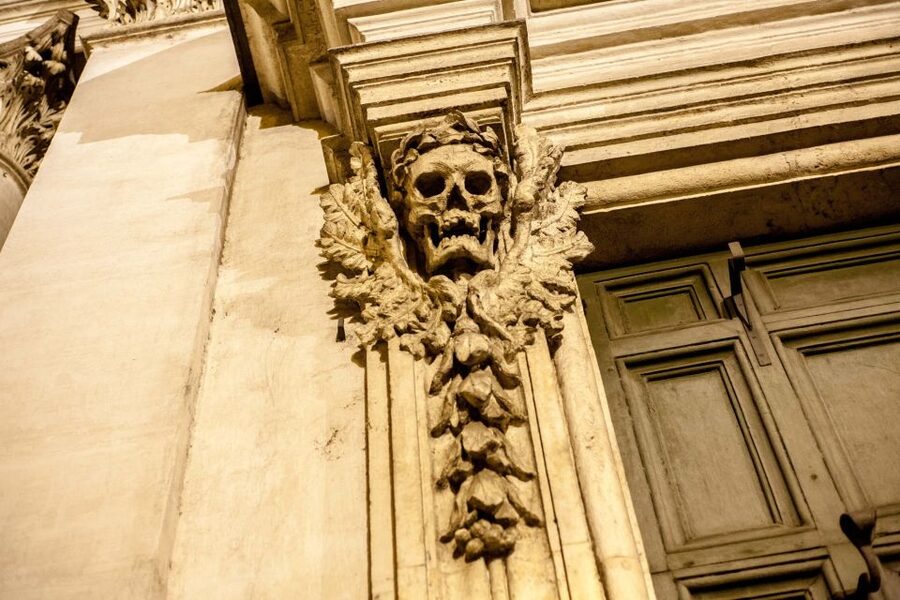
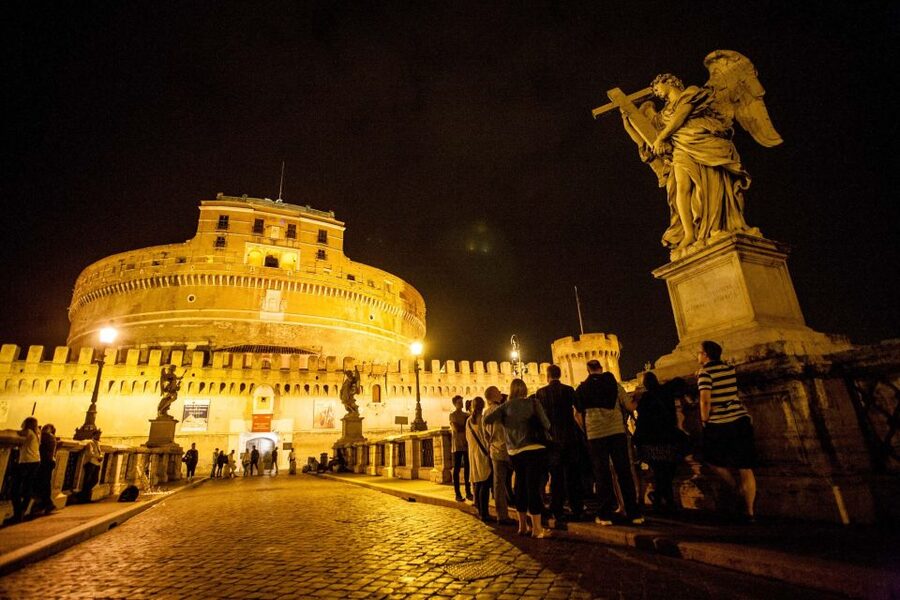
Then you arrive at Castel Sant’Angelo, the site connected to Hadrian’s Mausoleum. On this tour, it’s not just a dramatic backdrop—it’s the closing anchor for the whole night’s theme: power, death, memory, and fear.
You’ll have a photo stop and guided time here, which is perfect. The building is huge, so it’s hard to appreciate in a quick glance. With the guide’s pacing, you can take in details while the story connects Hadrian’s legacy to the surrounding history of Rome.
At night, Castel Sant’Angelo can feel like the city’s warning light: you know it’s impressive, but it also feels heavy. That mood is exactly what this tour is aiming for.
The itinerary flow: how the stops work together
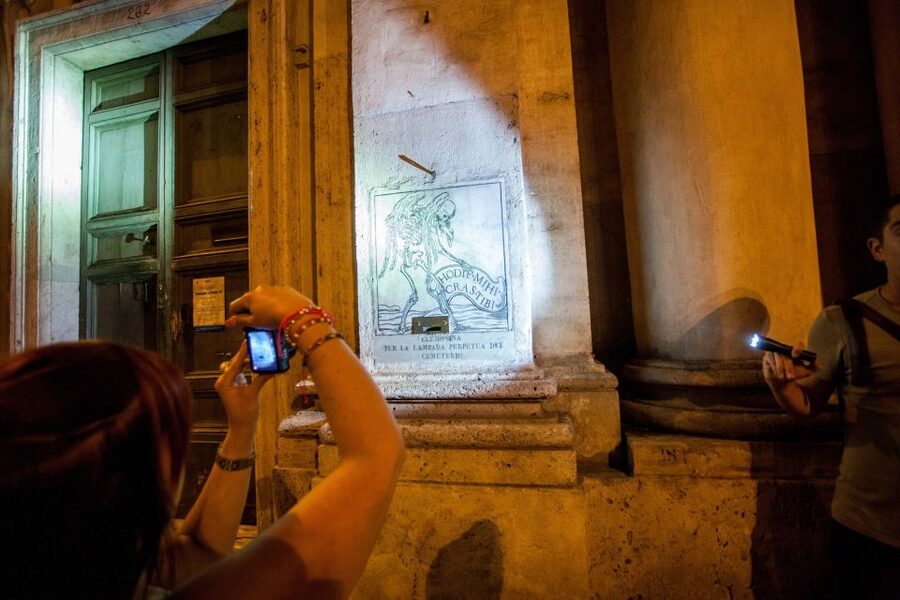
This route is designed like a story arc. You start with a famous square tied to punishment and public events (Campo de’ Fiori), then you move into curated space (Piazza Farnese), then into planned city structure (Via Giulia), and finally into a monumental legacy site (Castel Sant’Angelo).
In other words, you’re not walking random “dark Rome” points. You’re walking Rome’s logic—how squares, streets, and monuments supported the kind of society that produced both records and rumors.
The final finish is at Lungotevere Castello, 50 (so you’ll end by the Tiber near the Castel area). That makes it easy to connect to dinner afterward without feeling like you’ve been dropped somewhere far away.
Price and value: what $14 buys in Rome
At $14 per person for about 1.5 hours with an English-speaking guide, this is good value—especially because you’re getting access to a focused nighttime route rather than another generic sightseeing loop.
Here’s why it’s worth thinking about:
- You’re paying for interpretation: the legends and the connecting history that make the walk feel like more than just moving between monuments.
- You’re seeing “less-obvious” areas that daytime tours often skip.
- You’re in the city when it’s at its most comfortable to walk for many seasons, since evening temperatures are often kinder than midday heat.
The main way you can lose value is if you expected a museum tour with long stops inside major sites. This is a night walk with guided explanation and photo moments, so your payoff is in the street-level experience.
Who this tour is best for (and who should skip)
This tour fits you if:
- You love history with atmosphere—stories about how people lived, feared, and dealt with authority.
- You want a different Rome than the standard Colosseum and Vatican rhythm.
- You enjoy small, walkable itineraries where you can look closely at streets, squares, and monuments.
It’s less ideal if:
- You need wheelchair access or rely on mobility equipment (this tour can’t accommodate wheelchairs or mobility impairments).
- You travel with a stroller (pushchairs and strollers aren’t allowed).
- You dislike walking at night or on uneven stones.
If you’re pairing this with other Rome highlights, it works well as an evening activity. You’ll get a different city mood without stealing your whole day.
Should you book Dark Heart of Rome?
I’d book it if you’re the type of traveler who likes Rome as a living place, not just a checklist. For $14 and a focused 90 minutes, you get a guided walk through Campo de’ Fiori, Piazza Farnese, Via Giulia, and Castel Sant’Angelo—with the added bonus of story-forward guides known for clear English and entertaining delivery (including names like Elizabeta/Elisabetta, Rob, Serena, Alithia, Max, and Amanda).
Skip it if accessibility needs are part of your plan, or if you only want mainstream sights. For everyone else, this is one of the more memorable ways to see Rome when the city feels quietly intense.
FAQ
How long is the Dark Heart of Rome tour?
It lasts about 1.5 hours.
How much does the tour cost?
The price is listed as $14 per person.
Where do I meet the tour guide?
Meet on the steps of San Andrea della Valle Church on Corso Vittorio Emanuele II, about 150 meters from Largo di Torre Argentina on the left-hand side heading toward the Tiber River.
Is the tour guided in English?
Yes, it includes an English-speaking live guide.
What should I bring?
Wear comfortable shoes for an evening walking route.
Is the tour wheelchair accessible?
No. The tour is not able to accommodate guests with wheelchairs or mobility impairments.
Are strollers allowed?
No. Pushchairs and strollers aren’t allowed on these tours.
More Tours in Rome
- Vatican Museums, Sistine Chapel & St. Peter’s Basilica Tour
★ 4.3 · 73,970 reviews - Vatican Museums, Sistine Chapel & St Peter’s Basilica Guided Tour
★ 4.5 · 39,149 reviews - Rome: Colosseum, Palatine Hill and Roman Forum Guided Tour
★ 4.8 · 32,814 reviews - Rome: Guided Tour of Colosseum, Roman Forum & Palatine Hill
★ 4.7 · 27,897 reviews - Rome: Colosseum, Roman Forum and Palatine Hill Guided Tour
★ 4.5 · 23,903 reviews - Rome: Colosseum Arena Floor, Palatine & Forum Guided Tour
★ 4.5 · 20,180 reviews
More Tour Reviews in Rome
- Vatican Museums, Sistine Chapel & St. Peter’s Basilica Tour
★ 4.3 · 73,970 reviews - Vatican Museums, Sistine Chapel & St Peter’s Basilica Guided Tour
★ 4.5 · 39,149 reviews - Rome: Colosseum, Palatine Hill and Roman Forum Guided Tour
★ 4.8 · 32,814 reviews - Rome: Guided Tour of Colosseum, Roman Forum & Palatine Hill
★ 4.7 · 27,897 reviews - Rome: Colosseum & Forum with Audio Guide App -Optional Arena
★ 4.2 · 24,770 reviews - Rome: Colosseum, Roman Forum and Palatine Hill Guided Tour
★ 4.5 · 23,903 reviews
Just added to our Rome reviews





Tours, compared.
 ★ 4.3Vatican Museums, Sistine Chapel & St. Peter’s Basilica TourFrom $7273,970 reviews
 ★ 4.5Vatican Museums, Sistine Chapel & St Peter’s Basilica Guided TourFrom $2239,149 reviews
 ★ 4.8Colosseum, Palatine Hill and Roman Forum Guided TourFrom $5232,814 reviews
 ★ 4.7Guided Tour of Colosseum, Roman Forum & Palatine HillFrom $5527,897 reviews
 ★ 4.5Colosseum, Roman Forum and Palatine Hill Guided TourFrom $5923,903 reviews
 ★ 4.5Colosseum Arena Floor, Palatine & Forum Guided TourFrom $4120,180 reviews
 ★ 4.3Vatican Museums, Sistine Chapel and Basilica TourFrom $7316,039 reviews
 ★ 4.7Colosseum Arena, Palatine Hill & Forum Guided TourFrom $8414,510 reviews