
Reviewed · COLOSSEUM & ANCIENT ROME TOURS
Colosseum with Gladiator Arena, Forum and Palatine in Spanish
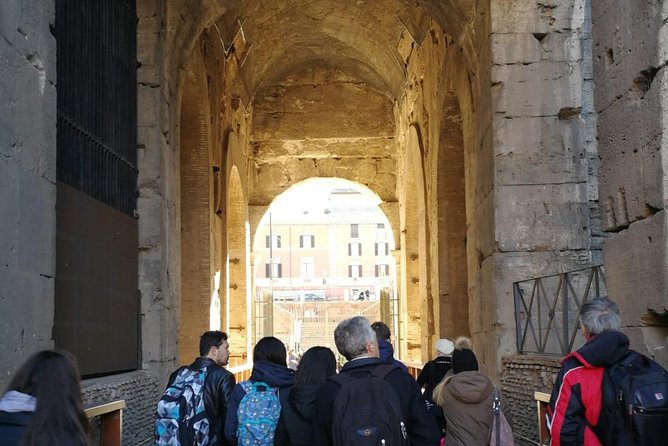
Gladiator gate access changes the Colosseum. This Spanish tour is built around getting you into the Arena quickly and guided through the Gladiator’s Gate, with a semi-private feel that keeps the pace human. You’re not just looking at stone from a distance—you’re seeing the arena space the way it was meant to be seen.
I love two things here: the inside access to the Colosseum arena and the fact that you’re guided through three major sites in one focused block. I also like that the guide energy seems to matter; one standout mention was Tomás, who made the visit fun with humor while still explaining what you’re looking at.
The main thing to watch is the entry paperwork. You’ll need the full names exactly as booked, plus a valid ID or passport that matches, or entry can be refused—so double-check before you go.
In This Review
- Key highlights you’ll care about
- Why This Spanish Colosseum Tour Feels Different Than a Basic Pass
- Meeting Point, Timing, and Group Size (So You Don’t Waste Minutes)
- Stop 1: Colosseum Interior and Arena Through the Gladiator Gate
- Stop 2: Palatine Hill From the Farnese Terrace and Flavia Palace Spaces
- Stop 3: Roman Forum on the Via Sacra With Caesar’s Last Farewell
- Price and Value: What $90.57 Is Really Buying You
- Practical Tips for Smooth Entry (Mobile Tickets and Name Matching)
- What the Best Guides Do Here (And What to Look for)
- Who This Tour Fits Best
- Common Cautions Worth Your Attention
- Should You Book This Spanish Colosseum, Palatine, and Forum Tour?
- FAQ
- What sites are included in the tour?
- How long does the tour last?
- Is this tour in Spanish?
- Are tickets included in the price?
- Do I need to bring a mobile ticket?
- Where do I meet the guide?
- Where does the tour end?
- What documents do I need to enter?
- How many people are in the group?
- Is lunch or bottled water included?
- Can I cancel for a refund?
Key highlights you’ll care about
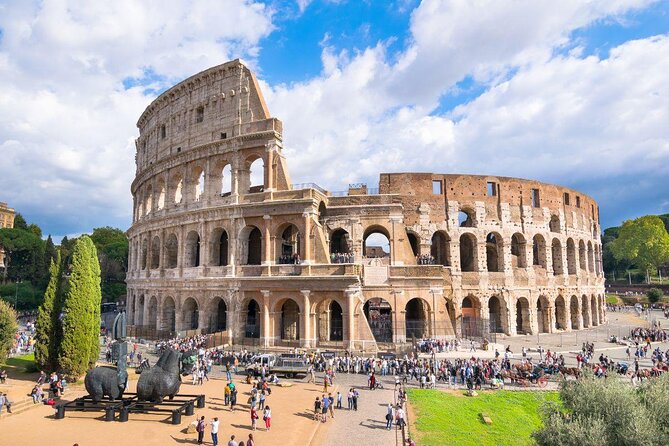
- Gladiator’s Gate access so you reach the arena floor instead of only viewpoints
- Small-group, semi-private format with a maximum of 20 people
- Three sites in ~3 hours with guided time at each: Colosseum, Palatine, Roman Forum
- Spanish-language guiding for clear explanations and better context
- Mobile ticket for easier day-of entry
- All fees and taxes included, and admission tickets are part of the price
Why This Spanish Colosseum Tour Feels Different Than a Basic Pass
Most Colosseum options either teach you nothing or take forever at entry. This one is designed to do the opposite: you get guided time where it counts, and you spend it inside rather than stuck outside.
The big promise is that arena access. When you stand in the Colosseum with the right framing and the right stops, you start to understand how the building worked and why people got swept up by it. The Roman Forum and Palatine then connect the arena story to the Rome that came before and after the games.
I also like the format for practical reasons. A small group means you can actually hear the guide without turning every sentence into a competition. In a place this crowded, that’s not a small detail.
Still on ancient Rome? A few more we rated
- Rome: Colosseum, Palatine Hill and Roman Forum Guided Tour
★ 4.8 · 32,814 reviews - Rome: Guided Tour of Colosseum, Roman Forum & Palatine Hill
★ 4.7 · 27,897 reviews - Rome: Colosseum & Forum with Audio Guide App -Optional Arena
★ 4.2 · 24,770 reviews - Rome: Colosseum, Roman Forum and Palatine Hill Guided Tour
★ 4.5 · 23,903 reviews
Meeting Point, Timing, and Group Size (So You Don’t Waste Minutes)
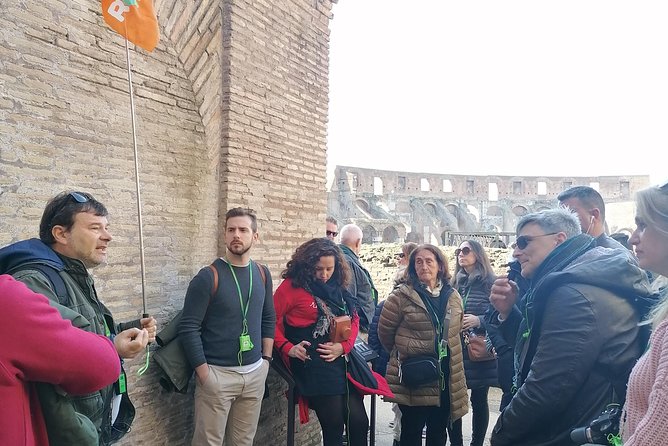
The tour starts at Largo Corrado Ricci, Roma. It ends at Colosseum, Piazza del Colosseo, 1 and you can stay at the Colosseum if you want after the tour.
Total time is about 3 hours, and each stop is roughly an hour. That’s short enough to avoid spending your whole day in a queue-loop, but long enough to feel like you’ve actually visited—especially because you’re not just taking photos from the edges.
Group size is capped at 20 travelers, and it’s described as semi-private. For you, that usually means fewer bottlenecks and better attention from the guide. It won’t feel like a moving cattle train.
Stop 1: Colosseum Interior and Arena Through the Gladiator Gate
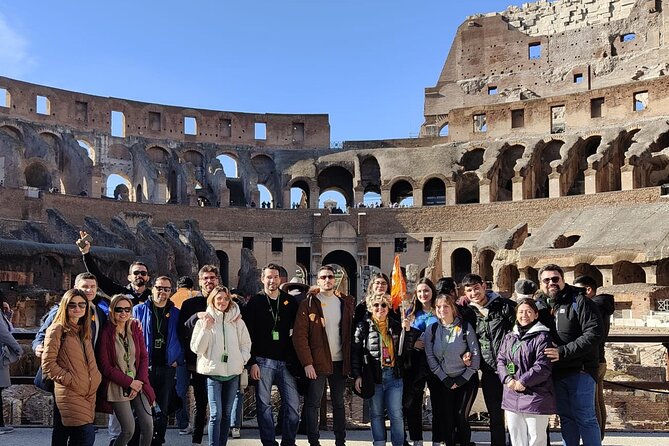
This is the heart of the experience. You enter the Colosseum and go directly toward the gladiator gate route, then spend time in the interior with admission included. The wording emphasizes access through the gladiator gate, and the payoff is clear: you’re in the arena space, not just observing it from the ring.
Why that matters: the Colosseum is all angles and height. From outside, you see scale. From inside the arena, you feel how the crowd could have pressed in, how performers could have been framed, and how the building’s layout guided attention. Even if you know the story already, the physical space helps the details click faster.
You’ll also get guidance for what to look at while you’re there. Instead of guessing what you’re seeing, the guide can point out features and explain the logic of the site. That’s where Spanish really helps—if you’re going to spend money here, you want the meaning to land, not just the narration.
Stop 2: Palatine Hill From the Farnese Terrace and Flavia Palace Spaces
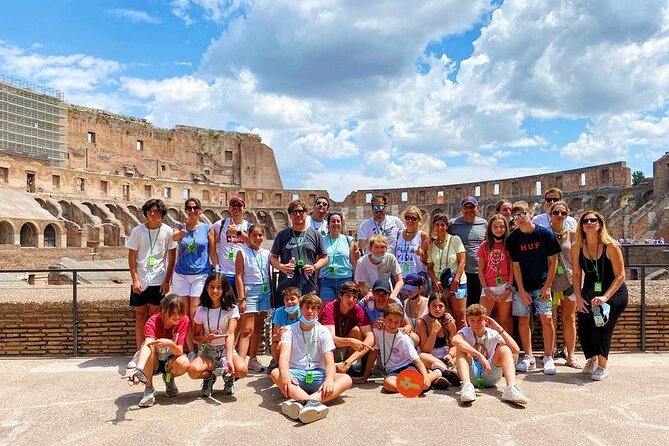
After the Colosseum, you head to Palatine Hill. The viewpoint is described as from the top on the Farnese Terrace, where you’ll contemplate places linked to where Rome was born.
This stop works well because it shifts you from the arena’s drama to Rome’s power base. The Farnese Terrace angle gives you a broader sense of the hill and the surrounding complex, which helps you connect what you saw in the Colosseum to the imperial landscape around it.
The tour also mentions walking in spaces tied to the Flavia dynasty palace and understanding these places as symbols of Roman power. That’s a useful framing. You start to see that the sites aren’t separate attractions—they’re part of one political machine, with the games acting like one of its visible tools.
One practical note: Palatine involves walking on ancient grounds. It’s not “difficult” for most people, but it’s real walking. Wear shoes you trust, especially if you’re visiting on a warm day.
Stop 3: Roman Forum on the Via Sacra With Caesar’s Last Farewell
The Roman Forum stop is focused and specific, not vague. You’ll walk through key areas such as the Temple of Antoninus, the Curia, and the Arches of Triumph of Titus and Septimius Severus, then move along the Via Sacra.
The operator’s description also points out the emotional connection: the Forum as the place where Rome gave its last greeting to Julius Caesar. When you hear that while you’re walking the spaces, you’re more likely to remember the geography instead of treating it as a blur of ruins.
Why this stop is valuable in a short tour: the Forum can feel confusing because there’s so much to see. A guided route helps you build a mental map quickly. The guide can connect buildings, street alignments, and what each spot signaled in Rome’s daily and ceremonial life.
You’ll also pass major basilica spaces (also mentioned in the description). Even if you’re not an architecture specialist, basilicas tend to make you understand how people moved, gathered, and used public space in the Roman world.
Price and Value: What $90.57 Is Really Buying You
At $90.57 per person for a roughly 3-hour Spanish tour, you’re not just paying for entry. You’re paying for guided time across three major sites with admission included. That shifts the value from ticket cost to what your guide is doing with your time.
Here’s the real value math: you get Colosseum access that includes arena-level entry via the gladiator route, then you get guided time on Palatine and the Forum. If you tried to self-plan, you’d likely spend more time managing tickets, routes, and the “what am I looking at?” problem.
The tour also includes all fees and taxes, which reduces the chance of surprise add-ons. The description says lunch and bottled water are not included, so plan for that separately, but the core experience is priced to cover the guided admissions.
So who gets the best value? People who want the highlights without losing a day to logistics. If you love wandering, you’ll still enjoy this—but you might also want extra time on your own after.
Practical Tips for Smooth Entry (Mobile Tickets and Name Matching)
This tour uses a mobile ticket. That’s convenient, but it only works smoothly if everything attached to your booking is correct. The rules are strict: you must provide the full names of all travelers when booking. At the ticket office, failure to present a voucher with all travelers’ full names prior to entry may lead to denied entry.
Also, each traveler must bring a valid passport or ID document that matches the name provided at booking. For you, that means no shortcuts. If you’re traveling with a nickname, a common shortened name, or a mismatch between your booking and ID, fix it early.
I also recommend you take a screenshot or offline copy of your ticket in case cell service is spotty. The tour is near public transportation, so getting there should be manageable, but day-of tech hiccups happen.
Finally, the meeting point matters. The start is Largo Corrado Ricci, and the end is at the Colosseum area. If you’re late, you risk losing the flow—this format works because it moves.
What the Best Guides Do Here (And What to Look for)
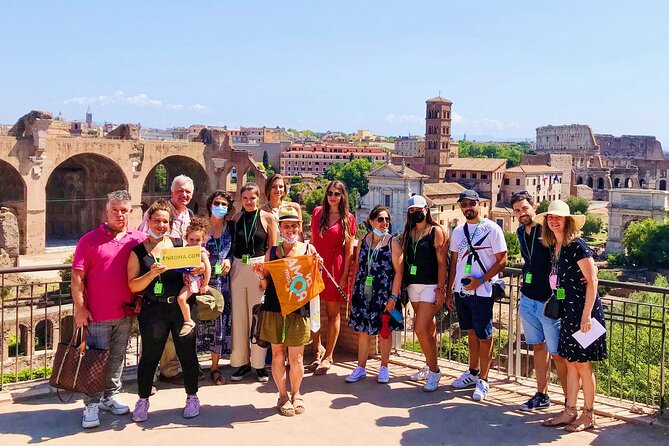
The strongest reviews point to the guide’s delivery: one highlight was Tomás, described as funny and very engaging. That’s not just personality. In a site like the Colosseum plus the Forum, humor and clear explanations help you retain the details without feeling like you’re memorizing a textbook.
You also want a guide who keeps the route tight so you don’t waste minutes. This tour is built for that: quick movement between zones and a guided focus at each stop. When a guide is good, you leave knowing the story and where things sit—so you can keep exploring on your own afterward.
Who This Tour Fits Best
This experience is a great match if you want:
- A Spanish-language guide so the explanations land fast
- Arena access as a priority (not just exterior views)
- A short, organized route across Colosseum, Palatine, and the Forum
- A calmer feel with small groups up to 20
It also suits you if you’re the type who likes context while you walk. The Palatine and Forum stops only really click when you get the “why this spot matters” framing.
If you hate structured tours and prefer to roam freely for hours, you might prefer a slower option with more time per site. Still, you can treat this as your “guided foundation,” then head back out on your own after.
Common Cautions Worth Your Attention
One clear downside category from the feedback is operational hiccups. There’s an account where the guide reportedly didn’t show up and the reservation later wasn’t recognized, leading to a refund request.
I can’t predict that will happen. But I can tell you what to do to protect yourself: confirm the exact meeting point instructions before you go, arrive a bit early, and keep your booking details handy. If you’re traveling in peak season, don’t cut it close.
The other “watch it” item is the name/ID matching rules. That’s not dramatic, but it is the difference between a smooth entry and a stressful one.
Should You Book This Spanish Colosseum, Palatine, and Forum Tour?
I’d book it if you want the Colosseum’s core experience—time inside the arena via the gladiator route—and you also want Palatine Hill and the Roman Forum connected into one coherent walk. The price makes sense because you’re paying for guided interpretation plus admission across all the key stops, in a short 3-hour window.
I’d pause if:
- you’re not comfortable meeting strict name and ID requirements
- you’re hoping for a slow, unstructured day
- you plan to bring only very flexible backup plans for delays (because this tour depends on timing)
If you want an efficient, meaningful Colosseum day in Spanish—with arena access as the headline—this is the kind of tour you’ll feel good about after.
FAQ
What sites are included in the tour?
The tour includes the Colosseum, Palatine Hill, and the Roman Forum. Admission tickets for each stop are included.
How long does the tour last?
The tour lasts about 3 hours (approx.).
Is this tour in Spanish?
Yes, it is described as a Colosseum with Gladiator Arena, Forum and Palatine experience in Spanish.
Are tickets included in the price?
Yes. Admission tickets are included for the Colosseum, Palatine Hill, and the Roman Forum.
Do I need to bring a mobile ticket?
You’ll receive a mobile ticket, and it’s part of the tour setup for day-of entry.
Where do I meet the guide?
The tour starts at Largo Corrado Ricci, Roma RM, Italy.
Where does the tour end?
It ends at the Colosseum area, at Colosseum Piazza del Colosseo, 1, 00184 Roma RM, Italy. You can stay at the Colosseum after the tour if you wish.
What documents do I need to enter?
You need a valid passport or ID document that matches the full names provided at booking.
How many people are in the group?
The tour has a maximum of 20 travelers.
Is lunch or bottled water included?
No. Lunch and bottled water are not included.
Can I cancel for a refund?
Yes. You can cancel up to 7 days in advance for a full refund. If you cancel less than 7 full days before the start time, the amount paid is not refunded.
More Tour Reviews in Rome
- Vatican Museums, Sistine Chapel & St. Peter’s Basilica Tour
★ 4.3 · 73,970 reviews - Vatican Museums, Sistine Chapel & St Peter’s Basilica Guided Tour
★ 4.5 · 39,149 reviews - Rome: Colosseum, Palatine Hill and Roman Forum Guided Tour
★ 4.8 · 32,814 reviews - Rome: Guided Tour of Colosseum, Roman Forum & Palatine Hill
★ 4.7 · 27,897 reviews - Rome: Colosseum & Forum with Audio Guide App -Optional Arena
★ 4.2 · 24,770 reviews - Rome: Colosseum, Roman Forum and Palatine Hill Guided Tour
★ 4.5 · 23,903 reviews
Ancient Rome, Kept Going
- Rome: Colosseum, Palatine Hill and Roman Forum Guided Tour
★ 4.8 · 32,814 reviews - Rome: Guided Tour of Colosseum, Roman Forum & Palatine Hill
★ 4.7 · 27,897 reviews - Rome: Colosseum & Forum with Audio Guide App -Optional Arena
★ 4.2 · 24,770 reviews - Rome: Colosseum, Roman Forum and Palatine Hill Guided Tour
★ 4.5 · 23,903 reviews - Rome: Colosseum Arena Floor, Palatine & Forum Guided Tour
★ 4.5 · 20,180 reviews - Rome: Colosseum Arena, Palatine Hill & Forum Guided Tour
★ 4.7 · 14,510 reviews
Just added to our Rome reviews





Colosseum & Ancient Rome Tours, compared.
 ★ 4.8Colosseum, Palatine Hill and Roman Forum Guided TourFrom $5232,814 reviews
 ★ 4.7Guided Tour of Colosseum, Roman Forum & Palatine HillFrom $5527,897 reviews
 ★ 4.2Colosseum & Forum with Audio Guide App -Optional ArenaFrom $4124,770 reviews
 ★ 4.5Colosseum, Roman Forum and Palatine Hill Guided TourFrom $5923,903 reviews
 ★ 4.5Colosseum Arena Floor, Palatine & Forum Guided TourFrom $4120,180 reviews
 ★ 4.7Colosseum Arena, Palatine Hill & Forum Guided TourFrom $8414,510 reviews
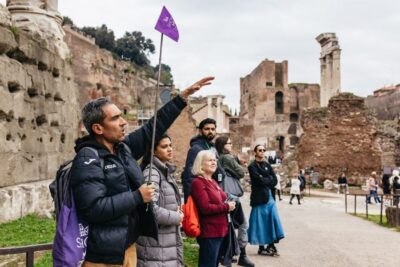 ★ 4.6Colosseum,Forum & Palatine Tour + Optional Arena FloorFrom $4513,169 reviews
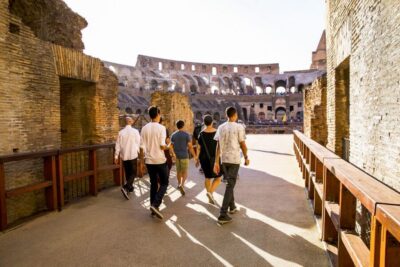 ★ 4.7Colosseum: Underground and Ancient Rome TourFrom $16012,691 reviews