
Reviewed · COLOSSEUM & ANCIENT ROME TOURS
Colosseum Special Access on Arena Floor, Roman Forum and Palaces
Step onto the Colosseum floor. This special-access tour is interesting because you pass through a special access gate and stand where gladiators once entered the arena. I especially like the combination of arena time plus guided context at eye level, not just a quick photo stop.
You also get a small-group feel (up to 24 people) with a guide who uses stories to connect the dots across sites. One thing to plan for: this is a walking-and-stairs day, and some portions of Palatine Hill can be tough if mobility is limited.
In This Review
- Key highlights you’ll care about
- Why this Colosseum special-access tour is good value
- Meeting at the Arch of Constantine and getting in on time
- Walking the arena floor: first and second levels inside the Colosseum
- Palatine Hill: Caesars Palace area and 3,000 years of rebuilding
- Roman Forum: where Roman decisions happened
- Guides make or break it: what the best ones do here
- Pacing: 1 hour 30 at the Colosseum plus smart compression
- Practical tips before you go (so your morning runs smooth)
- Tickets and ID checks
- Timed entry really means timed entry
- Bring the right stuff for a 3-hour walk
- Photos: where the “wow” shots come from
- Who should book this tour
- Should you book this Colosseum special-access on Arena Floor tour?
Key highlights you’ll care about
- Arena-floor special access so you’re inside the Colosseum in a way most visitors can’t do
- First and second levels included, giving you real scale and layout, not just the floor
- Palatine Hill across multiple eras, from ancient foundations to later rebuilding
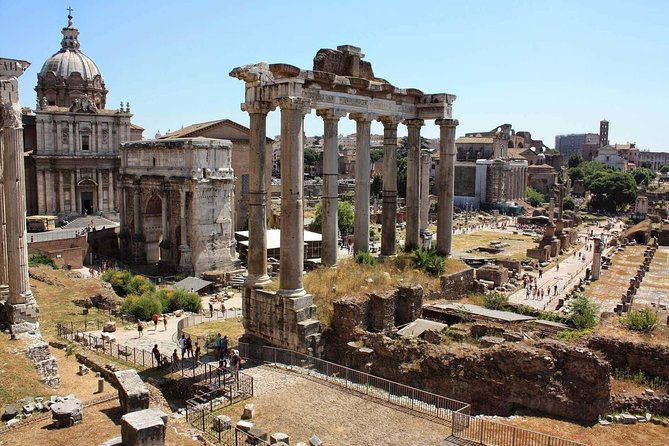
- Roman Forum power centers, including major temples, the Vestal Virgins’ house, and the Senate house
- Forum highlights with clear meaning, so you understand what was decided there and why it mattered
- Max 24 people for a more manageable pace and better guide attention
Why this Colosseum special-access tour is good value
At $84.48 per person for about 3 hours, this isn’t a bargain in the cheapest sense. It is a value in the practical sense: you’re paying for (1) arena-floor access that many self-guided visits don’t include, plus (2) guided visits to three core Roman sites in one go, with admission tickets included.
The payoff for me is how the day is structured around understanding, not just ticking boxes. The Colosseum alone is impressive, but a guide helps you read it—where people sat, how the spectacle was staged, and why the building was designed the way it was. Then the tour carries that same explanation-forward approach to Palatine Hill and the Roman Forum, where you start seeing the bigger political and cultural machine behind the games.
Still on ancient Rome? A few more we rated
- Rome: Colosseum, Palatine Hill and Roman Forum Guided Tour
★ 4.8 · 32,814 reviews - Rome: Guided Tour of Colosseum, Roman Forum & Palatine Hill
★ 4.7 · 27,897 reviews - Rome: Colosseum & Forum with Audio Guide App -Optional Arena
★ 4.2 · 24,770 reviews - Rome: Colosseum, Roman Forum and Palatine Hill Guided Tour
★ 4.5 · 23,903 reviews
Meeting at the Arch of Constantine and getting in on time
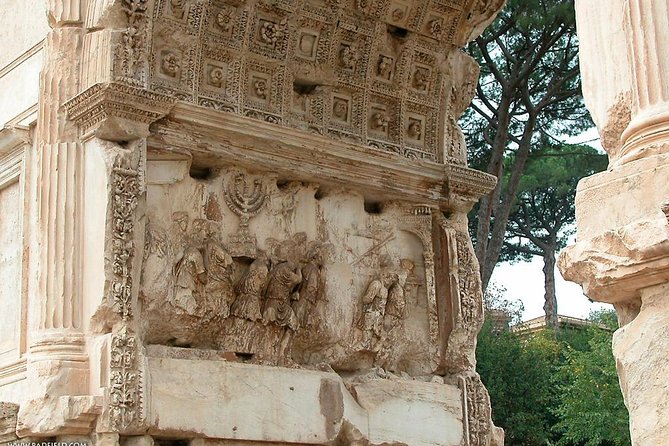
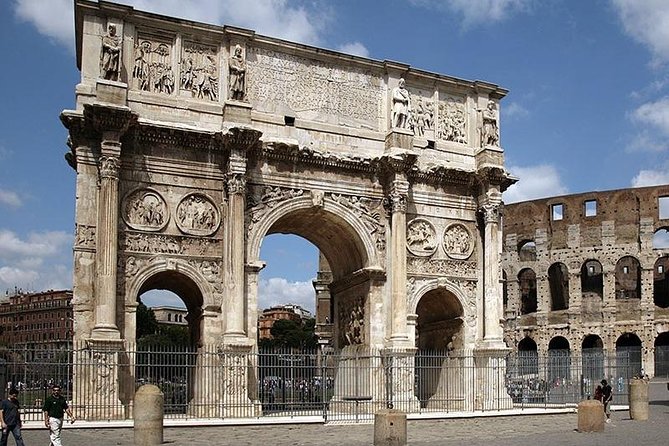
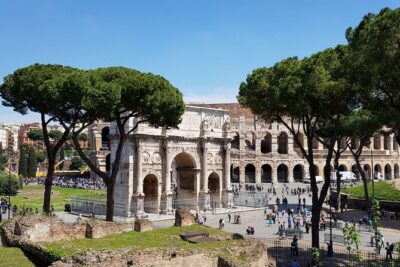
You start at the Arch of Constantine (Piazza del Colosseo). It’s a handy location: you’ll be near the busiest transit and walk corridors, and you can usually find your way to the meeting spot without a long trek across the city.
You’ll also want to arrive early with a buffer. This type of Colosseum entry is time-based, and the access works like clockwork. If you’re late, you may lose your slot, and that can turn a paid, special-access morning into a regular entry situation—or no tour at all. One booking-related lesson from the field: don’t assume you can fix a missed timed entry by swapping in a printed ticket at the last second.
Walking the arena floor: first and second levels inside the Colosseum
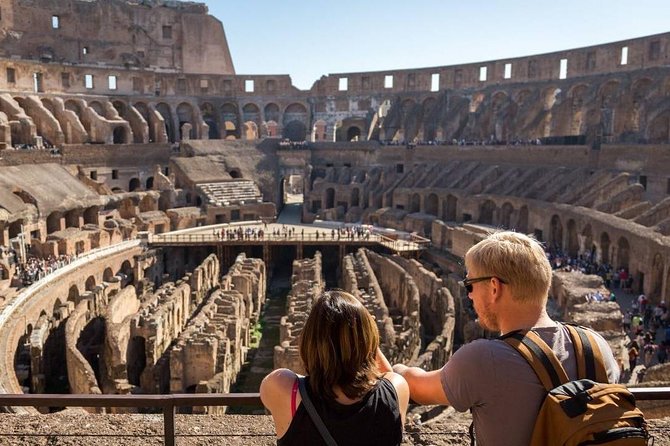
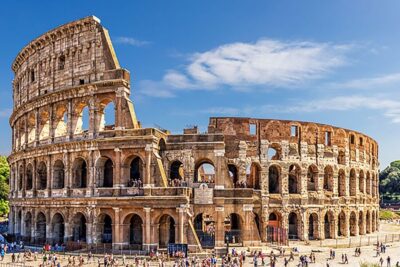
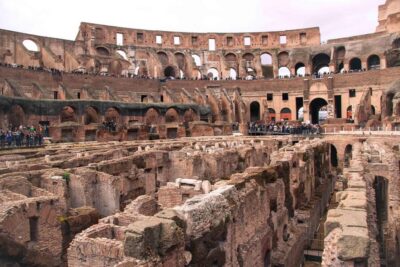
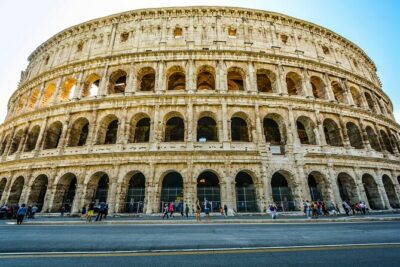
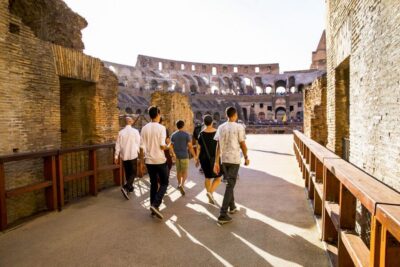
The Colosseum visit is the heart of this experience. You’ll see the first and second levels, then you’ll step out onto the arena floor via the special access gate. Even if you’ve seen the Colosseum before, this shift—from viewing to actually standing on the same level where events unfolded—is the kind of difference that changes how the site feels.
Here’s what to expect during your Colosseum time:
- You’ll get a guided walkthrough that explains how the stadium functioned for huge crowds—Romans who could number around 70,000.
- Your guide ties together the brutality of the games with the political theater behind them. Expect descriptions of animal hunts, executions, and gladiator battles, with context about why Rome put on spectacles like this.
- You’ll also have time for photos, and the better guides in this program are known for moving the group efficiently even when it’s packed.
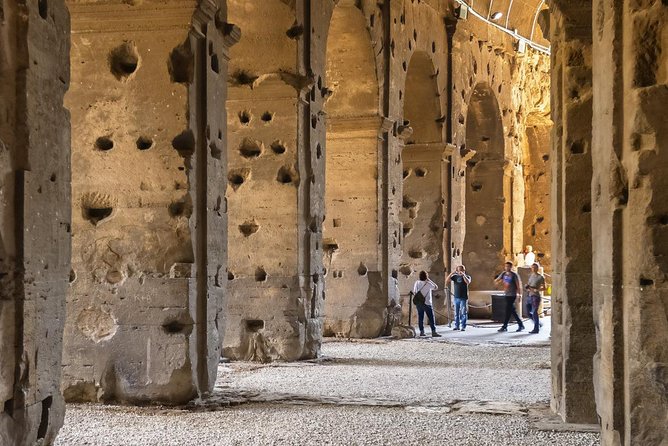
A quick reality check: this is not a “slow stroll” inside stone corridors. You’ll be climbing, turning corners, and working your way through uneven surfaces. If stairs are hard for you, plan to go carefully and let your guide know early what you can handle.
Palatine Hill: Caesars Palace area and 3,000 years of rebuilding
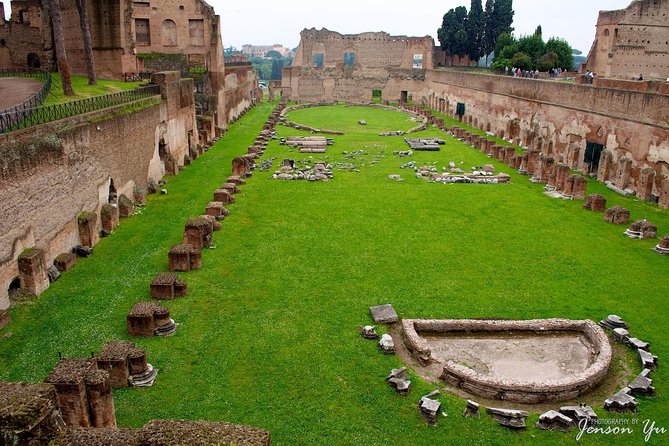
After the Colosseum, you head to Palatine Hill, where the story flips from public spectacle to the people who controlled Rome. Palatine Hill is closely tied to the legend and foundation of the city—Rome’s origins are often placed around nearly 3,000 years ago here.
This stop is shorter, about 45 minutes, so it’s a “high-impact overview,” not a slow museum tour. You’ll walk in the footsteps of emperors and learn about the area known as Caesar’s Palace (often called Cesar’s Palace in tour descriptions). The terrain can also be part of the experience, because the hill itself forces you to understand how Rome used natural elevation and views.
What I find useful about this Palatine stop is the time jump your guide tries to make:
- You’ll encounter structures tied to ancient building phases.
- Then the tour brings you forward through later eras, including Renaissance-era additions and more recent construction associated with Benito Mussolini.
That timeline matters. The Colosseum shows what Rome staged for the masses. Palatine Hill shows the opposite: the power base behind those stages.
Roman Forum: where Roman decisions happened
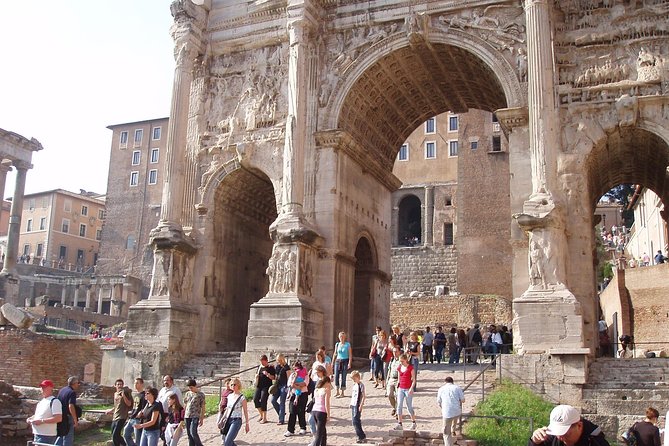
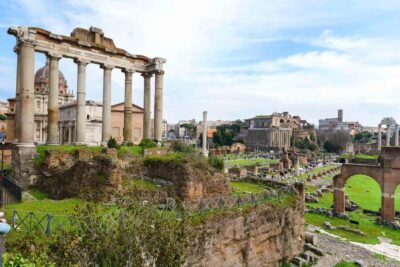
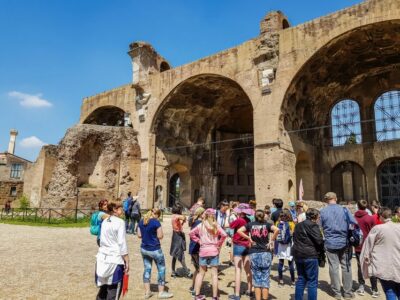
Next comes the Roman Forum, about 45 minutes, and this is where the tour really helps you connect the dots. You’ll get guided visits to key places tied to governance, religion, and elite life.
During this portion, you can expect stops and explanations around:
- major pagan temples and tombs
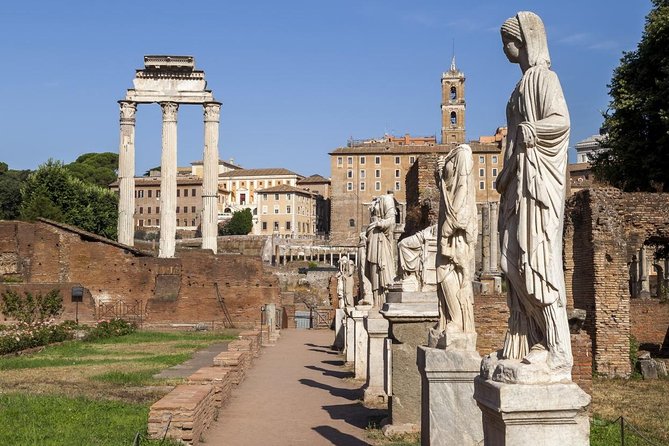
- the house of the Vestal Virgins
- the Senate house
- the tomb of Julius Caesar
The Forum isn’t just a bunch of ruins in a field. Your guide should help you understand it as a center for decisions—where Rome acted out power and authority every day. One of the Forum’s biggest “aha” moments for many people is realizing how tightly religion and politics were interwoven. If you pay attention, those names (Vestal Virgins, Senate house, Julius Caesar) stop being labels and start sounding like systems.
Also, plan for more walking between points. The Forum can feel endless because the modern city has built around it. Ending in the center of the Ancient City (in the Forum area) is a good choice because it keeps you close to food, transit, and other Roman sights after the tour.
Guides make or break it: what the best ones do here
This tour lives or dies by your guide. And in this experience, the strongest guides tend to share a few traits that show up in the way people talk about their time.
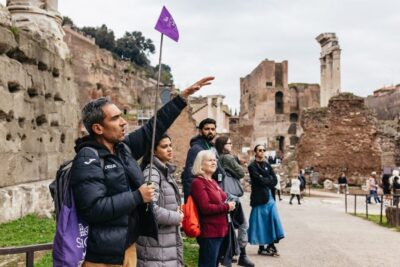
For example, guides like David are repeatedly praised for making the material feel like a real class—fun, organized, and never boring. People also mention guides such as Deborah for pacing that doesn’t rush questions, Eugene for depth of context around the Forum and Colosseum, and Jason for staying on time while still answering questions.
What that means for you: look for a guide who tells you what you’re looking at while you’re looking at it. The best ones also manage the crowd flow so you spend less time stuck waiting behind other groups. Some guides are specifically described as using a strategy to get closer to the front of exhibits even when it’s busy.
Not every guide hits the same note for every person, though. If you’re sensitive to accents or you need highly animated delivery, keep that in mind. English is offered, but the style can vary.
Pacing: 1 hour 30 at the Colosseum plus smart compression
A lot of “major sites in one day” tours feel like a sprint. This one feels more controlled because the time blocks are clear:
- Colosseum: about 1 hour 30 minutes
- Palatine Hill: about 45 minutes
- Roman Forum: about 45 minutes
That structure matters. You get enough time at the Colosseum to see both levels and still get real arena time. Palatine and the Forum are then handled as focused highlights rather than deep, wandering research projects.
If you hate rushed travel, this pacing can work well. If you love slow archaeology reading and want to sit down repeatedly, you may find some parts move fast. The upside is that the tour tends to deliver the core meaning of the sites without turning your day into a half-sleep blur.
Practical tips before you go (so your morning runs smooth)
Tickets and ID checks
You’ll use a mobile ticket. You also need to bring a valid passport or ID document that matches the name used at booking. This isn’t just paperwork theater—Colosseum and Forum entry are controlled, and name mismatches can create trouble at the gate.
Timed entry really means timed entry
Colosseum access is time-based. If something goes sideways—late taxi, lost time on the walk, a missed meeting window—your scheduled entry can expire. The lesson is simple: plan extra time to arrive, and if you’re driving or using a taxi, do not treat it like a flexible appointment.
Bring the right stuff for a 3-hour walk
This experience requires moderate physical fitness. You should expect lots of walking and many stairs, especially with the Colosseum and the hill terrain. I strongly suggest:
- water (and a refill plan if you’re out of bottles)
- comfortable shoes with grip
- sun protection, because you’ll spend time outdoors
- a light layer if weather shifts
There’s also a note for anyone using mobility support: some people found Palatine Hill difficult due to stairs, and when elevators are needed, radio headset signal can become unreliable. If that applies to you, tell the tour team early so they can help you plan your best route.
Photos: where the “wow” shots come from
The biggest photo moment is usually the arena-floor access combined with seeing the seating levels from below. Inside, you’ll also get angles that most visitors don’t get because your access starts in a more special way than regular entry routes.
Who should book this tour
This tour is a strong match if you want:
- arena-floor access and not just a look from outside
- a guided explanation that helps you understand power, religion, and spectacle
- a small-group feel with up to 24 people
- a manageable time window (about 3 hours) that still hits the Colosseum, Palatine Hill, and the Roman Forum
It’s also ideal for first-time Rome visitors who want the big three sites with less stress than stitching them together on your own.
If you’re recovering from recent surgery, have limited mobility, or dislike stair-heavy routes, you’ll need to weigh this carefully. There are clear reports of stair difficulty, and your best option might be a different style of visit that reduces vertical movement.
Should you book this Colosseum special-access on Arena Floor tour?
Yes, if arena-floor access is your priority and you want a guide who makes the sites make sense. I’d book it for the combination of special access, first/second-level views, and the way the day connects Colosseum spectacle to Palatine power and Forum politics.
If you dislike stairs or need very accessible routes, consider whether this format matches your needs before you commit. And if timed entry is stressful for you (taxis running late, tight connections, mobility challenges), plan extra buffer time so the schedule doesn’t bite.
Bottom line: for most people, this is one of the cleaner ways to experience the Colosseum era without feeling lost in the ruins.
More Tour Reviews in Rome
- Vatican Museums, Sistine Chapel & St. Peter’s Basilica Tour
★ 4.3 · 73,970 reviews - Vatican Museums, Sistine Chapel & St Peter’s Basilica Guided Tour
★ 4.5 · 39,149 reviews - Rome: Colosseum, Palatine Hill and Roman Forum Guided Tour
★ 4.8 · 32,814 reviews - Rome: Guided Tour of Colosseum, Roman Forum & Palatine Hill
★ 4.7 · 27,897 reviews - Rome: Colosseum & Forum with Audio Guide App -Optional Arena
★ 4.2 · 24,770 reviews - Rome: Colosseum, Roman Forum and Palatine Hill Guided Tour
★ 4.5 · 23,903 reviews
Ancient Rome, Kept Going
- Rome: Colosseum, Palatine Hill and Roman Forum Guided Tour
★ 4.8 · 32,814 reviews - Rome: Guided Tour of Colosseum, Roman Forum & Palatine Hill
★ 4.7 · 27,897 reviews - Rome: Colosseum & Forum with Audio Guide App -Optional Arena
★ 4.2 · 24,770 reviews - Rome: Colosseum, Roman Forum and Palatine Hill Guided Tour
★ 4.5 · 23,903 reviews - Rome: Colosseum Arena Floor, Palatine & Forum Guided Tour
★ 4.5 · 20,180 reviews - Rome: Colosseum Arena, Palatine Hill & Forum Guided Tour
★ 4.7 · 14,510 reviews
Just added to our Rome reviews



Colosseum & Ancient Rome Tours, compared.
 ★ 4.8Colosseum, Palatine Hill and Roman Forum Guided TourFrom $5232,814 reviews
 ★ 4.7Guided Tour of Colosseum, Roman Forum & Palatine HillFrom $5527,897 reviews
 ★ 4.2Colosseum & Forum with Audio Guide App -Optional ArenaFrom $4124,770 reviews
 ★ 4.5Colosseum, Roman Forum and Palatine Hill Guided TourFrom $5923,903 reviews
 ★ 4.5Colosseum Arena Floor, Palatine & Forum Guided TourFrom $4120,180 reviews
 ★ 4.7Colosseum Arena, Palatine Hill & Forum Guided TourFrom $8414,510 reviews
 ★ 4.6Colosseum,Forum & Palatine Tour + Optional Arena FloorFrom $4513,169 reviews
 ★ 4.7Colosseum: Underground and Ancient Rome TourFrom $16012,691 reviews