
Reviewed · COLOSSEUM & ANCIENT ROME TOURS
Colosseum, Palatine Hill, and Roman Forum: a guided tour of Rome
Three stops, one powerful Roman story. This guided tour strings together the Colosseum, Roman Forum, and Palatine Hill into a clear narrative, with headsets so you don’t miss the details while crowds swirl. I like how the guide turns facts into scenes you can picture, not just dates on a timeline.
What makes it especially good value is the pacing. It’s long enough to slow down at the big symbols, and the guide keeps it interactive, so your questions don’t feel like an interruption. The trade-off? This is a walking-heavy visit and it’s not suitable for people with mobility impairments, so plan accordingly and wear comfortable shoes.
In This Review
- Key Highlights Worth Your Time
- Why This Colosseum, Forum, and Palatine Tour Works
- Meeting at Colosseo Metro Line B (and Why 15 Minutes Matters)
- Priority Skip-the-Line: What It Changes on Arrival
- Roman Forum: From Everyday Politics to Monumental Power
- Palatine Hill: The “Where Rome Began” Stop That Actually Feels Personal
- Entering the Colosseum: Arena Power Without Guesswork
- How Long Is Enough? The 3-Hour Pacing Advantage
- Price and Value: $68 for Tickets, Guide, and Headsets
- What to Bring (and What to Leave Behind)
- Not Everyone Should Book This One
- Should You Book This Guided Tour of Ancient Rome?
- FAQ
- Where do we meet for the tour?
- How long is the guided tour?
- Is the Colosseum skip-the-line entry included?
- Do you provide headsets for the guide?
- What languages are the live guides?
- What should I bring with me?
- What shoes are not allowed?
- Are there restrictions on bags or luggage?
- Who is this tour not suitable for?
Key Highlights Worth Your Time
- Skip-the-line Colosseum entry with a separate entrance, so you start seeing the building sooner.
- Headsets to hear the guide clearly at all three sites.
- Story-first guiding that focuses on gladiators, public life, and imperial power.
- Small-group feel (questions welcome) for a more personal tour pace.
- Three-hour itinerary that gives you real time at the Forum and Palatine Hill, not a drive-by.
Why This Colosseum, Forum, and Palatine Tour Works
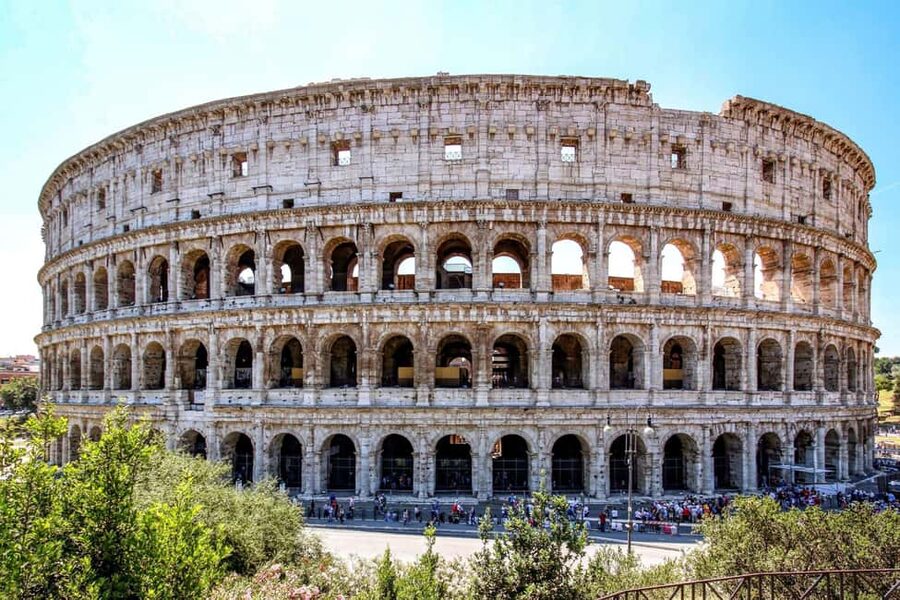
If you’ve ever stood in front of the Colosseum thinking, Now what?, this tour helps you find your footing fast. The guide connects the dots between imperial residences on Palatine Hill, the political and religious engine of the Roman Forum, and the spectacle of the Colosseum.
I also like that it’s not just about the biggest landmark. The Forum and Palatine Hill are where you learn what Rome actually ran day to day—government, belief, and the social status game—before you step into the roar-and-gladiator mythology of the amphitheater.
And yes, the Colosseum still matters. It’s the kind of place where your brain can’t stop visualizing crowds, and your guide’s storytelling gives that visualization somewhere to land.
Still on ancient Rome? A few more we rated
- Rome: Colosseum, Palatine Hill and Roman Forum Guided Tour
★ 4.8 · 32,814 reviews - Rome: Guided Tour of Colosseum, Roman Forum & Palatine Hill
★ 4.7 · 27,897 reviews - Rome: Colosseum & Forum with Audio Guide App -Optional Arena
★ 4.2 · 24,770 reviews - Rome: Colosseum, Roman Forum and Palatine Hill Guided Tour
★ 4.5 · 23,903 reviews
Meeting at Colosseo Metro Line B (and Why 15 Minutes Matters)
You meet at the Colosseo Metro Station exit, Line B. The instruction to arrive at least 15 minutes early isn’t just formalities; it’s how you avoid losing momentum before you even start. You’ll get organized, meet your group, and settle in before heading into the day’s main sights.
This is also the moment to get your questions answered. If you’re juggling which shoes you packed, sunscreen levels, or whether your route to the metro will be a sprint, ask right away—guides can usually steer you better than you can guess.
Priority Skip-the-Line: What It Changes on Arrival
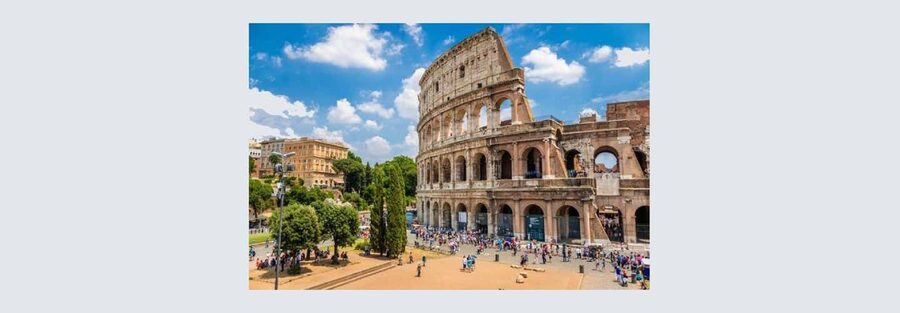
You get priority skip-the-line entrance to the Colosseum, which is a major quality-of-life upgrade in Rome. The amphitheater sits at the center of a lot of visitor demand, and this separate-entrance approach helps you spend less time queued and more time actually looking.
The tour also includes access for the Roman Forum and Palatine Hill, so you don’t waste your day coordinating separate tickets or figuring out routes between sites. It’s one itinerary, one flow, and one guide explaining what you’re seeing.
One small practical note: the tour includes headsets. That matters here because the crowds can make it hard to hear even when you’re close.
Roman Forum: From Everyday Politics to Monumental Power
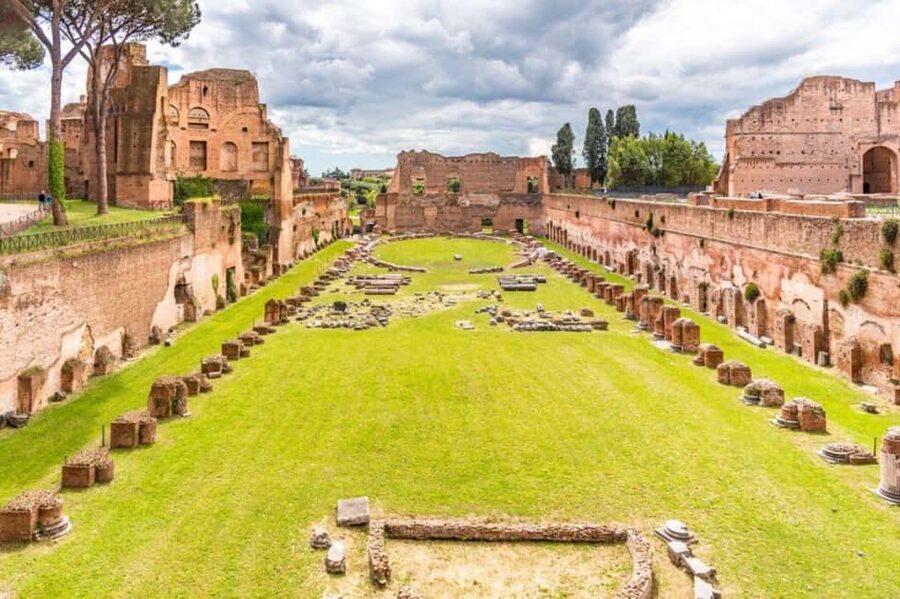
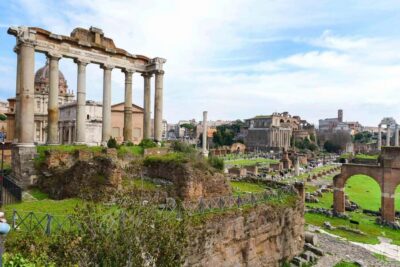
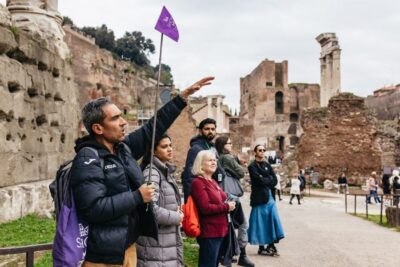
The Roman Forum is where Rome’s public life concentrated, and the guide’s job is to make that obvious within minutes. You’ll move through the remains where prayers, trials, triumphs, and commerce played out for centuries, and you’ll hear how the space changed from early, simpler use into a grand political and religious square.
I love the way this stop reframes the Forum. It’s not just ruins; it’s the stage for speeches, decisions, and daily momentum—things that shaped people’s lives. When you can picture the function of each area, your photos stop looking random and start looking meaningful.
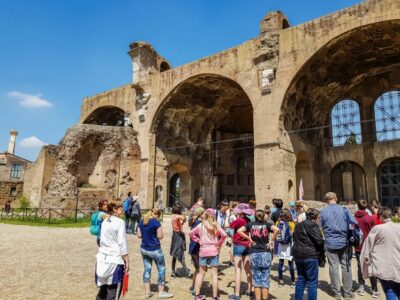
You’ll also have guided time for a photo stop and then a guided walk through key areas like temples and civil basilicas (the kinds of structures that signal religion + law + administration in one place). The pay-off is that you start understanding why the Forum mattered before you reach the Colosseum.
Worth a look next to this Rome booking:

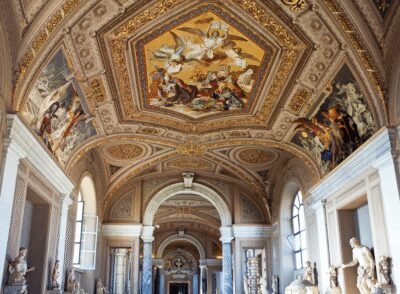
Palatine Hill: The “Where Rome Began” Stop That Actually Feels Personal
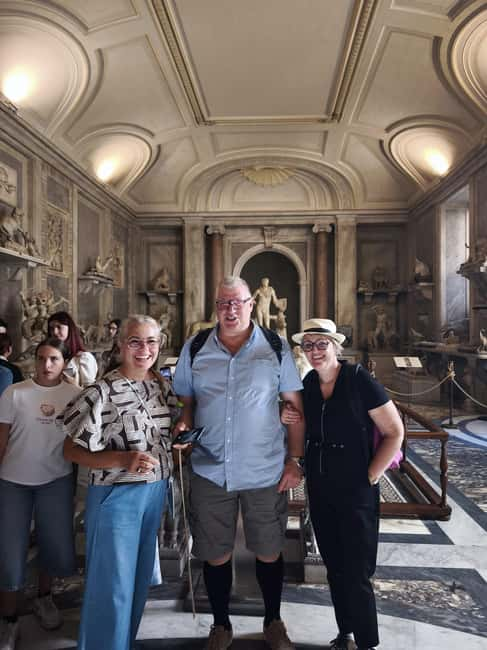
Palatine Hill can be tough to understand if you only read guidebooks. This tour helps because it connects the hill’s layers: legendary origins, early settlement traces, then the later luxury and imperial presence.
You’ll start with the legend of Romulus founding the city in the 8th century BC, and then you’ll walk through remains associated with early structures such as Iron Age-era huts and tombs. Even if you’re not a hardcore archaeology person, it’s a powerful contrast: raw beginnings up on the hill, versus the public bustle in the Forum below.
Then the story shifts. The guide points out how Palatine became the prestigious district where aristocracy lived—think mosaics, gardens, and banquets—followed by the imperial era. Starting with Augustus, emperors chose Palatine as a residence for centuries, and that shift helps explain why the ruins here feel tied to power in a different way than the Forum does.
Practical tip: this is one of the spots where comfortable walking shoes really pay off. You’ll be moving, stopping, looking up, and turning around constantly.
Entering the Colosseum: Arena Power Without Guesswork
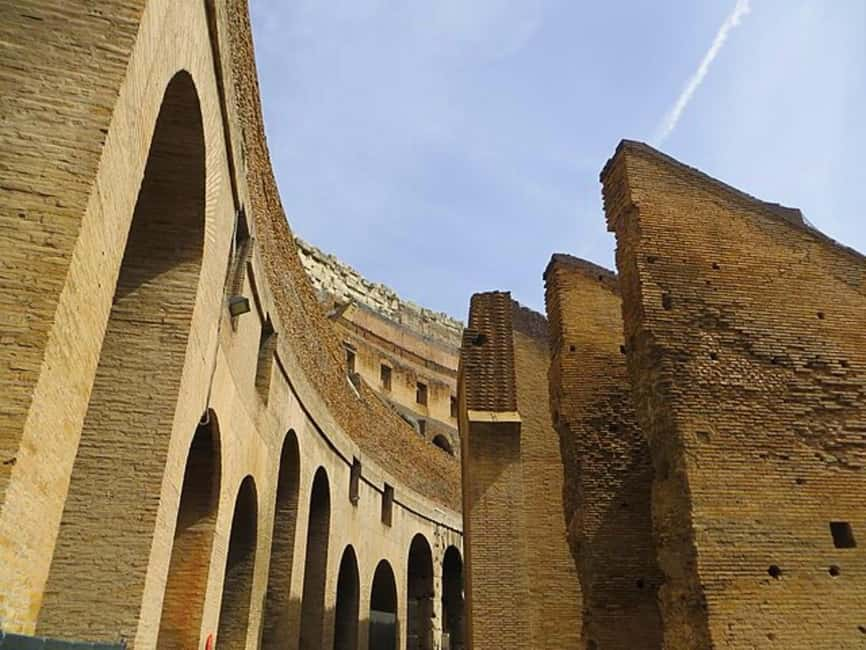
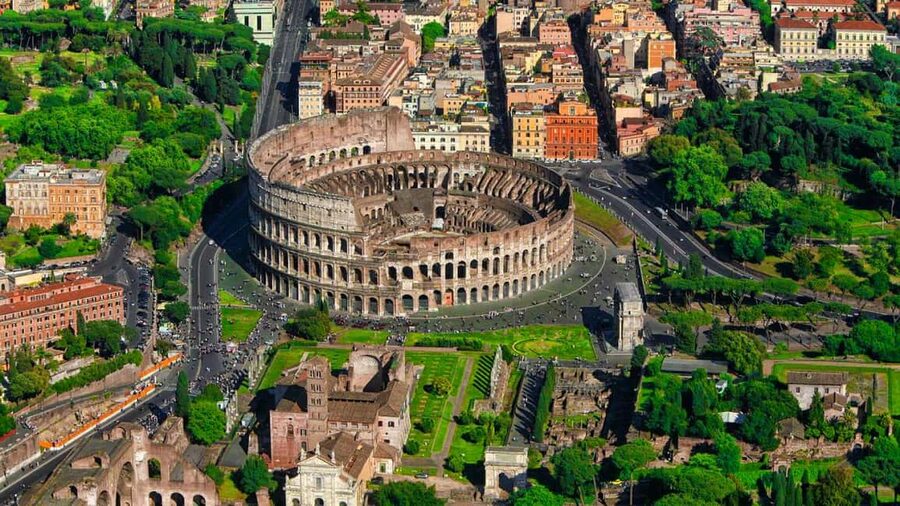
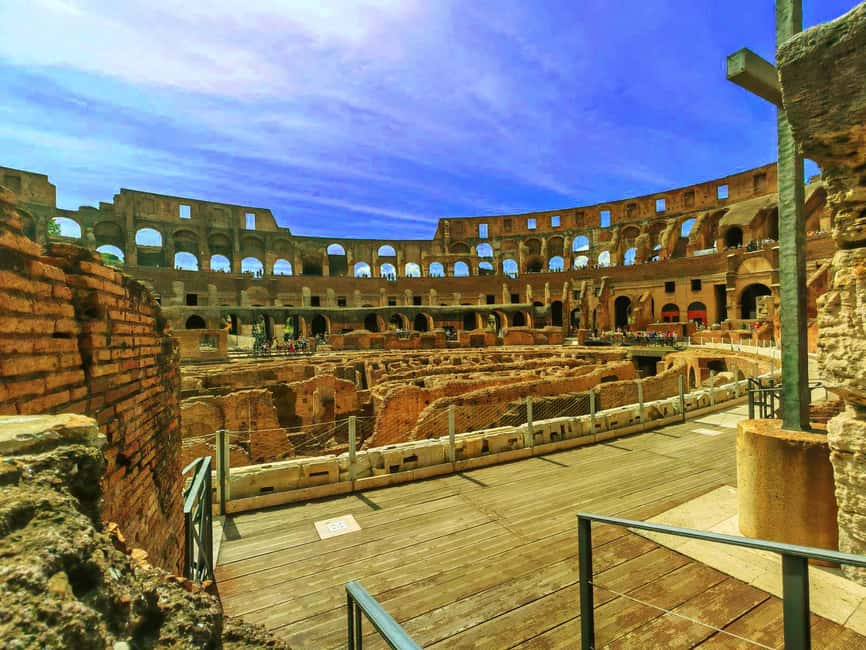
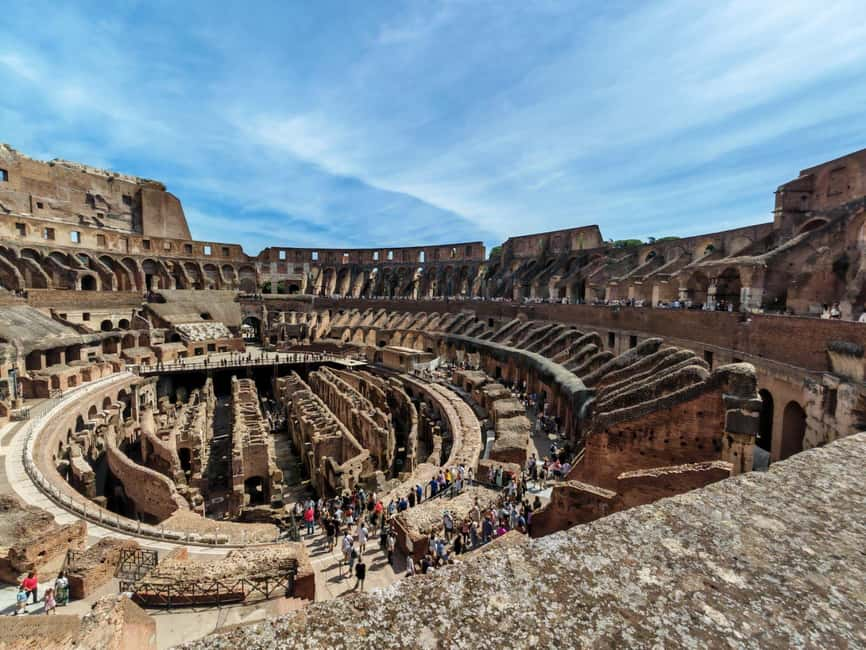
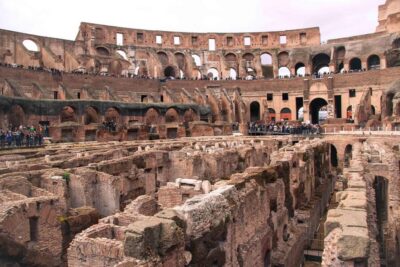
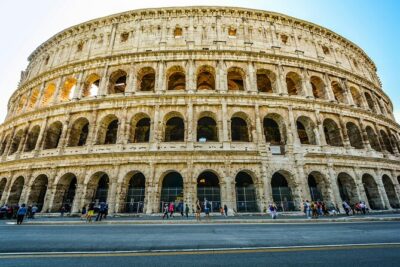
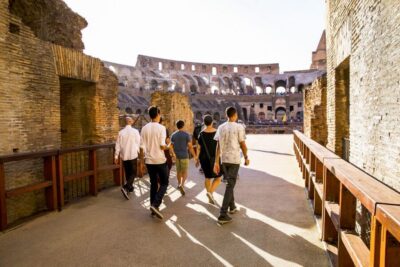
This is the big moment. The tour takes you into the Colosseum, described here as the largest amphitheater of the Roman world, with capacity famously reaching around 50,000 spectators. You can feel why the building keeps pulling people back, even if you’ve seen it in pictures before.
Your guide’s value is how they interpret the arena. Instead of treating it like a static monument, they bring it back to the lived experience: crowd energy, gladiator spectacle, and the way the symbol of Rome’s strength never fully faded.
Because you’re on a guided loop, you’re not wandering while guessing what each section is. That reduces the mental load, and it usually makes your photos better too.
And if you’re traveling with kids or you just like a guide who adjusts to your group, there are accounts of guides—such as Stefania—being flexible and able to adapt explanations. That’s the kind of small-group service you’ll feel, not just hear about.
How Long Is Enough? The 3-Hour Pacing Advantage
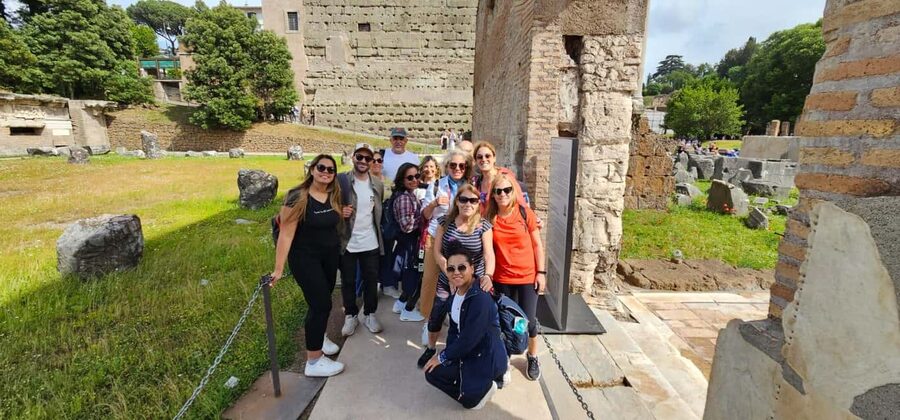
Three hours sounds short until you’re trying to do all three places on your own. Here, that duration is a sweet spot: you get time for photo stops, guided walks, and the major transitions between sites.
Short tours can leave you stuck in constant motion. Longer tours can drag when you’re standing in the same kind of ruin for too long. This one lands in the middle: long enough to actually look, short enough that you don’t lose the day to logistics.
It also helps you avoid the common Rome problem of over-planning and under-seeing. You’ll come away with a clearer story arc, not just three separate “I was there” stamps.
Price and Value: $68 for Tickets, Guide, and Headsets
At $68 per person for a 3-hour guided visit, the pricing makes sense if you’re honest about what costs you don’t always count. You’re paying for more than a ticket: you’re getting priority skip-the-line entry, access for the Forum and Palatine Hill, headsets, and a live professional guide.
If you tried to DIY this, you’d likely spend time comparing ticket types, searching routes between sites, and then trying to interpret what you’re looking at. Here, that interpretation is handled for you, and headsets mean you can follow the guide even in busy areas.
Small groups (with room for questions) also add value. They’re not just “nice to have”—they affect whether you understand what you’re seeing or just walk through it in silence.
What to Bring (and What to Leave Behind)
For this tour, I’d pack for comfort and hearing. Bring ID or passport, comfortable shoes, and a hat if you’re visiting in warmer weather. Biodegradable sunscreen is specifically recommended, which is practical advice for standing outside and staying in the sun longer than you expect.
Also bring the right documents. The tour notes that the park entrance tickets are personal and sell out, and you must send participant details (name, surname, date of birth) right after booking exactly as they appear on your document.
Leave at home anything that could slow you down at security. No luggage or large bags, no drones, no weapons or sharp objects, and no glass objects. High-heeled shoes are also not allowed—so if your shoe choices are on the edge, choose comfort over style.
Not Everyone Should Book This One
This tour isn’t suitable for everyone. It’s not recommended for people with mobility impairments, babies under 1 year, or people over 95 years.
If you know you’ll need frequent slow-down breaks or you’re sensitive to walking distances, it’s smart to compare alternatives before committing. The best tours are the ones you can enjoy without fighting your body for every step.
If you do book, go in with the right mindset: this is a “walk and learn” day, not a sit-and-watch museum afternoon.
Should You Book This Guided Tour of Ancient Rome?
Book it if you want the fastest path to meaning. If you’re excited about the Colosseum but you also care about understanding how Rome worked—politics, religion, status, and imperial life—this pairing of Colosseum + Forum + Palatine does a lot of heavy lifting for you.
Don’t book it if your main goal is to wander slowly on your own with minimal structure. This tour is built around guided time, headsets, and a set route, so the payoff depends on you being willing to keep moving and listening.
If you’re trying to decide, here’s my simple test: if you’d rather have one expert connect the dots than spend hours piecing the story together yourself, then $68 for three focused stops with skip-the-line access is a strong deal.
FAQ
Where do we meet for the tour?
You meet at the Colosseo Metro Station exit, Line B.
How long is the guided tour?
The tour lasts 3 hours.
Is the Colosseum skip-the-line entry included?
Yes. Priority skip-the-line entrance tickets to the Colosseum are included.
Do you provide headsets for the guide?
Yes. Headsets are included so you can follow the commentary clearly.
What languages are the live guides?
The live tour guide is available in Spanish, French, and Italian.
What should I bring with me?
Bring your passport or ID card, comfortable shoes, a hat, and biodegradable sunscreen. If you’re traveling with children, bring their ID or passport.
What shoes are not allowed?
High-heeled shoes are not allowed.
Are there restrictions on bags or luggage?
Yes. Luggage or large bags are not allowed.
Who is this tour not suitable for?
It’s not suitable for people with mobility impairments, babies under 1 year, or people over 95 years.
More Tours in Rome
- Vatican Museums, Sistine Chapel & St. Peter’s Basilica Tour
★ 4.3 · 73,970 reviews - Vatican Museums, Sistine Chapel & St Peter’s Basilica Guided Tour
★ 4.5 · 39,149 reviews - Rome: Colosseum, Palatine Hill and Roman Forum Guided Tour
★ 4.8 · 32,814 reviews - Rome: Guided Tour of Colosseum, Roman Forum & Palatine Hill
★ 4.7 · 27,897 reviews - Rome: Colosseum, Roman Forum and Palatine Hill Guided Tour
★ 4.5 · 23,903 reviews - Rome: Colosseum Arena Floor, Palatine & Forum Guided Tour
★ 4.5 · 20,180 reviews
More Tour Reviews in Rome
- Vatican Museums, Sistine Chapel & St. Peter’s Basilica Tour
★ 4.3 · 73,970 reviews - Vatican Museums, Sistine Chapel & St Peter’s Basilica Guided Tour
★ 4.5 · 39,149 reviews - Rome: Colosseum, Palatine Hill and Roman Forum Guided Tour
★ 4.8 · 32,814 reviews - Rome: Guided Tour of Colosseum, Roman Forum & Palatine Hill
★ 4.7 · 27,897 reviews - Rome: Colosseum & Forum with Audio Guide App -Optional Arena
★ 4.2 · 24,770 reviews - Rome: Colosseum, Roman Forum and Palatine Hill Guided Tour
★ 4.5 · 23,903 reviews
Ancient Rome, Kept Going
- Rome: Colosseum, Palatine Hill and Roman Forum Guided Tour
★ 4.8 · 32,814 reviews - Rome: Guided Tour of Colosseum, Roman Forum & Palatine Hill
★ 4.7 · 27,897 reviews - Rome: Colosseum & Forum with Audio Guide App -Optional Arena
★ 4.2 · 24,770 reviews - Rome: Colosseum, Roman Forum and Palatine Hill Guided Tour
★ 4.5 · 23,903 reviews - Rome: Colosseum Arena Floor, Palatine & Forum Guided Tour
★ 4.5 · 20,180 reviews - Rome: Colosseum Arena, Palatine Hill & Forum Guided Tour
★ 4.7 · 14,510 reviews
Just added to our Rome reviews





Colosseum & Ancient Rome Tours, compared.
 ★ 4.8Colosseum, Palatine Hill and Roman Forum Guided TourFrom $5232,814 reviews
 ★ 4.7Guided Tour of Colosseum, Roman Forum & Palatine HillFrom $5527,897 reviews
 ★ 4.2Colosseum & Forum with Audio Guide App -Optional ArenaFrom $4124,770 reviews
 ★ 4.5Colosseum, Roman Forum and Palatine Hill Guided TourFrom $5923,903 reviews
 ★ 4.5Colosseum Arena Floor, Palatine & Forum Guided TourFrom $4120,180 reviews
 ★ 4.7Colosseum Arena, Palatine Hill & Forum Guided TourFrom $8414,510 reviews
 ★ 4.6Colosseum,Forum & Palatine Tour + Optional Arena FloorFrom $4513,169 reviews
 ★ 4.7Colosseum: Underground and Ancient Rome TourFrom $16012,691 reviews