Reviewed · ROME
Caravaggio: Art on Footsteps-Masterpieces in Rome’s Churches
Caravaggio hits harder in churches. This walking tour takes you straight to the places where the paintings were made, with an expert guide connecting the art to Caravaggio’s intense life and choices. You’ll focus on bold light-and-shadow scenes in active churches, plus a route that strings together three major stops without wasting time.
I love two things most. First, the Saint Louis of the French stop is built around Caravaggio’s Saint Matthew cycle, so you get a real sense of how he narrates emotion across three paintings. Second, guides such as Silvia and Martina are praised for turning each scene into a story you can actually follow, with English delivery that stays clear even when the church gets busy.
One drawback to consider: this experience runs longer than a quick museum visit, and church rules are strict. Plan for covered knees and shoulders, no sandals, and expect schedules to shift a bit because these are working churches.
Caravaggio where he painted it, not just copies: you’ll stand in the churches tied to the works, including the Cerasi Chapel.
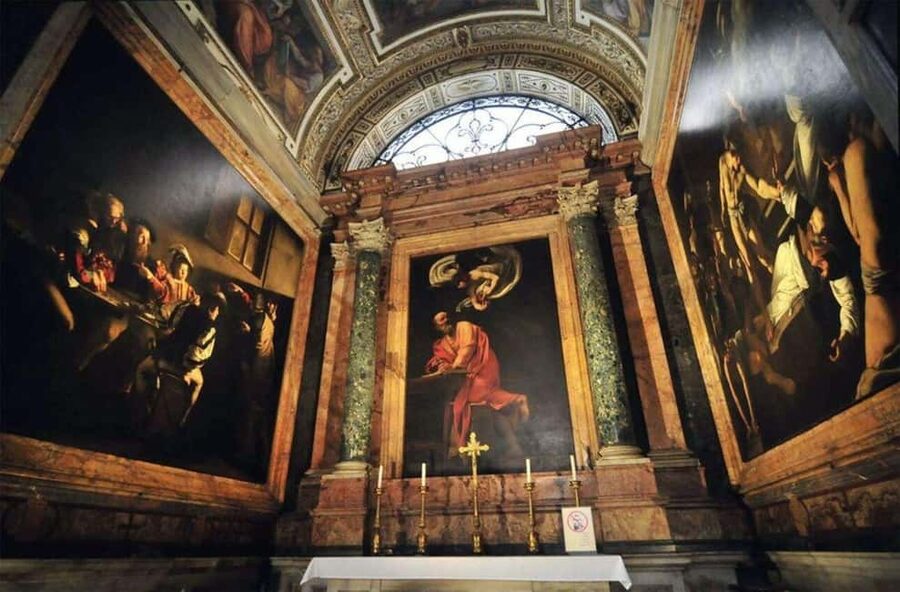
The Saint Matthew trio gets real context: Calling of Saint Matthew, Inspiration of Saint Matthew, Martyrdom of Saint Matthew, taught as a set.
You’ll hear the guide clearly: headsets/radios are included if needed, which matters in crowded worship spaces.
A calmer stop off the main circuits: Sant’Agostino is presented as quieter and more intimate, letting the art hit personally.
Small group size (max 15): easier pacing, less shoulder-to-shoulder time, and more chances to ask questions.
Caravaggio’s life story is part of the artwork: run-ins with the law and his sudden death are woven into what you’re seeing.
In This Review
- Caravaggio in Rome’s churches: why this route works
- How the day feels: small group pacing and clear audio
- Church of St. Louis of the French: the Saint Matthew cycle in three acts
- Practical tip for this stop
- Basilica di Sant’Agostino: a quieter pause with a lesser-known Caravaggio
- A small expectation to set
- Church of Santa Maria del Popolo and the Cerasi Chapel showdown
- What to look for in the Cerasi Chapel
- Caravaggio’s turbulent life: why the stories matter here
- What you’ll actually learn by looking longer at each painting
- Price and value: is $125 per person worth it?
- Who this tour suits best (and who should choose differently)
- Should you book Caravaggio: Art on Footsteps?
- FAQ
- How long is the Caravaggio: Art on Footsteps tour?
- How much does it cost?
- Where does the tour start and does the meeting point change?
- What churches are included?
- Are tickets or access to the churches included?
- What language is the tour guide available in?
- What should I bring and wear?
- What’s included in the tour price?
- What is not included?
- Are there rules about food, drink, or other items?
Caravaggio in Rome’s churches: why this route works
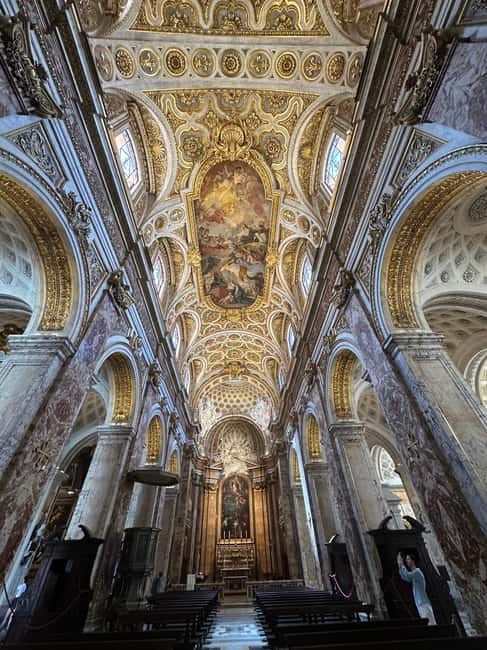
Caravaggio can be loud on a canvas. In a church, he gets louder—in the best way. Standing in the actual setting where paintings were intended for worship changes how you read the gestures, expressions, and drama. It’s not art history homework. It’s more like watching someone argue with tradition using paint.
This tour is built around real viewing time and a guide who ties the paintings to Caravaggio’s personality and troubled life. You start with the Saint Matthew works, then you shift to Paul and Peter in Santa Maria del Popolo’s Cerasi Chapel. That move matters: you feel how Caravaggio’s style stays intense whether the subject is conversion, martyrdom, or spiritual awakening.
And the practical side is solid. You’re not bouncing between random stops. You’re visiting the right churches, with access included, while keeping the day structured enough that you’re not stuck wandering with a dead phone battery and a prayer.
How the day feels: small group pacing and clear audio
The group stays small, with a maximum of 15 people. That sounds like a marketing line, but it matters here because churches have narrow sightlines and lots of people milling around. A small group helps you keep your place and move when the guide needs you to move.
The tour also includes headsets and radios if required. That’s a big deal in Italy’s busy interiors. More than once, people noted how the audio setup made the commentary easy to follow even from a distance. If you’ve ever tried to listen to a guide in a crowded basilica, you already know why this is a selling point.
Comfort matters too. The plan is walking on foot between churches, and you’re there long enough to feel it. Wear comfortable shoes and dress for church rules—covered shoulders and knees, and no sandals. If you show up underdressed, you’ll burn time dealing with it, and you’ll lose focus on the art.
Weighing this one up? Here is how a few Rome favourites compare:
- Vatican Museums, Sistine Chapel & St. Peter’s Basilica Tour
★ 4.3 · 73,970 reviews - Vatican Museums, Sistine Chapel & St Peter’s Basilica Guided Tour
★ 4.5 · 39,149 reviews - Rome: Colosseum, Palatine Hill and Roman Forum Guided Tour
★ 4.8 · 32,814 reviews - Rome: Guided Tour of Colosseum, Roman Forum & Palatine Hill
★ 4.7 · 27,897 reviews
Church of St. Louis of the French: the Saint Matthew cycle in three acts
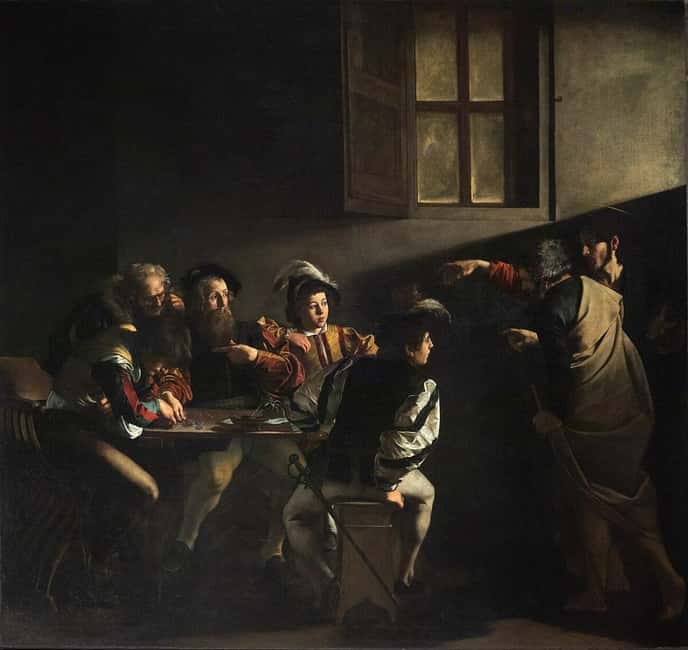
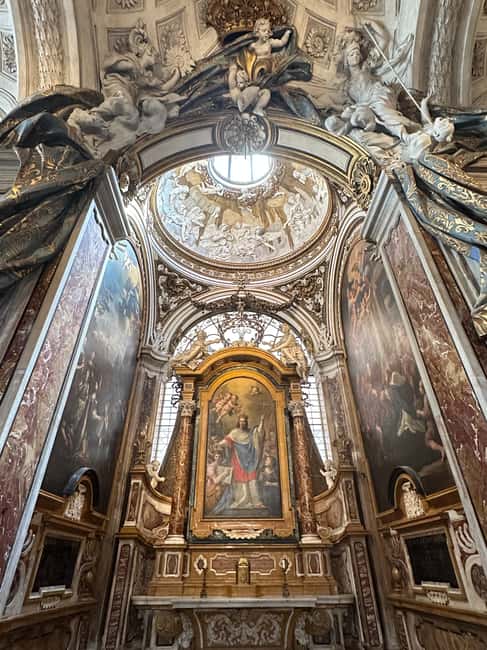
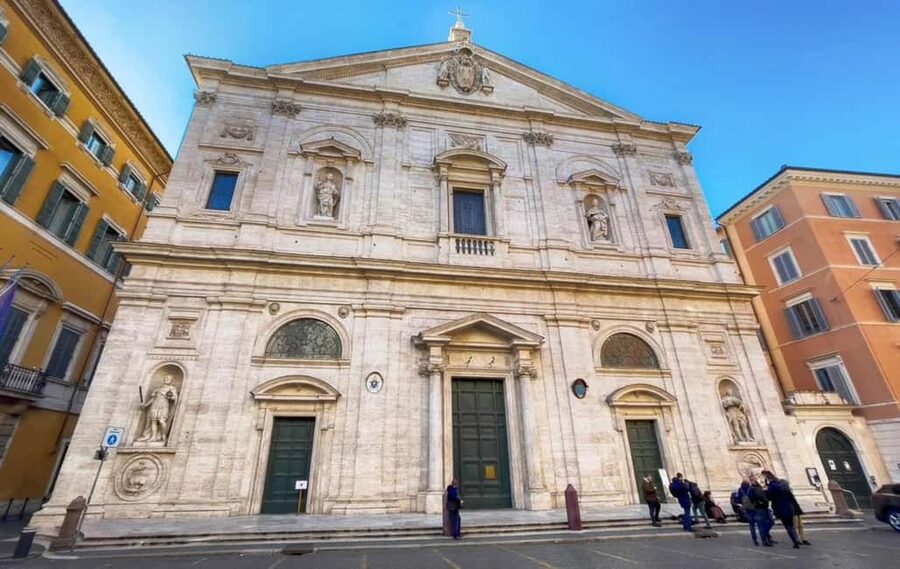
Your first major stop is the Baroque Church of St. Louis of the French, San Luigi dei Francesi. This is where Caravaggio’s Saint Matthew story takes center stage through a trio of paintings dedicated to the life of that apostle: The Calling of Saint Matthew, The Inspiration of Saint Matthew, and The Martyrdom of Saint Matthew.
What makes this set special is the way it reads like a sequence, not separate masterpieces. When you see Calling followed by Inspiration and then Martyrdom, you start noticing the emotional logic across the series: awareness arrives first, then the interior moment that fuels action, and finally the violent cost.
The guide’s job here is to help you see what Caravaggio broke from. The tour highlights his move away from artistic tradition by using sharp contrast—light cutting across dark—and by presenting people with unflinching realism. In practice, that means you should look at faces and hands more than you might expect. The drama isn’t only in grand backgrounds. It’s in the body language: where eyes go, how fingers point, who looks ready and who looks shocked.
Practical tip for this stop
Take a moment before you start looking for details. In these chapels, you’ll often find that the best viewing spot is not the loudest one. Stay where your guide indicates, and let the light and shadow “settle” in your eyes before you chase small details.
Basilica di Sant’Agostino: a quieter pause with a lesser-known Caravaggio
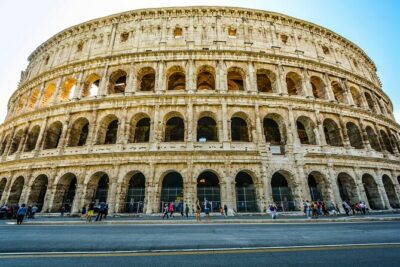
After the Saint Matthew focus, you move on foot to Basilica di Sant’Agostino. This church is presented as quieter and off the main tourist track, which is exactly what you want after a blockbuster start. Less noise in the room often means more attention on expressions, gestures, and the emotional punch of the painting.
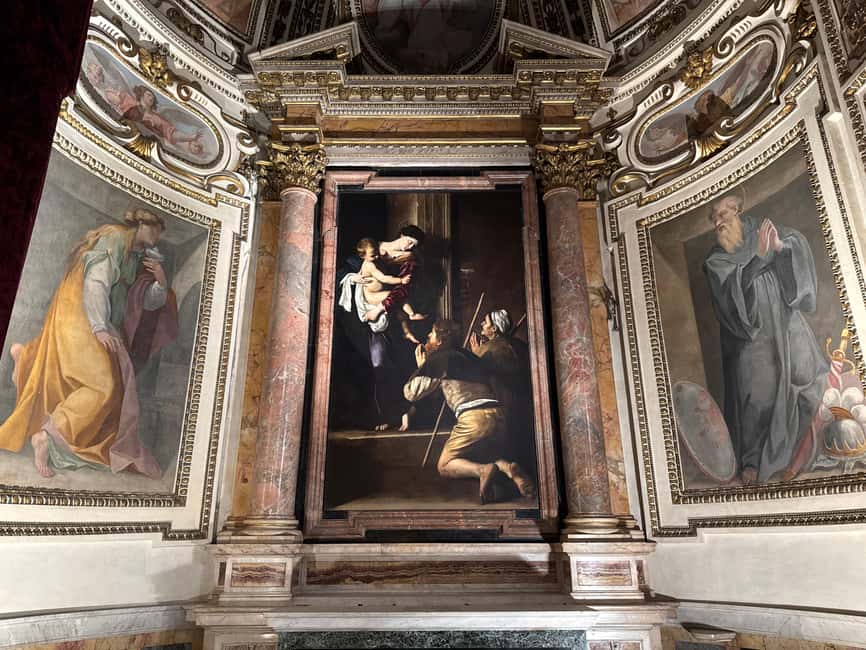
Inside, you’ll see one of Caravaggio’s lesser-known works (the specific title isn’t provided in the tour description you shared). That framing is important: the goal isn’t to tick off the most famous painting in Rome. It’s to feel how Caravaggio’s approach stays intense even when it’s not wrapped in the biggest crowds and headlines.
Because it’s a calmer church setting, the tour emphasizes personal connection. This is where the guide’s stories about Caravaggio’s psychology can land better. When your ears aren’t fighting with a wall of voices, you can actually track how the guide connects life events—like run-ins with the law and his turbulent end—to choices you can see in paint: raw emotion, sharp moral tension, and that signature realism.
A small expectation to set
You might think lesser-known means less powerful. Often it’s the opposite. Here, the tour sets it up as intimate and emotionally direct, which can make it feel more personal than a high-traffic highlight.
Church of Santa Maria del Popolo and the Cerasi Chapel showdown
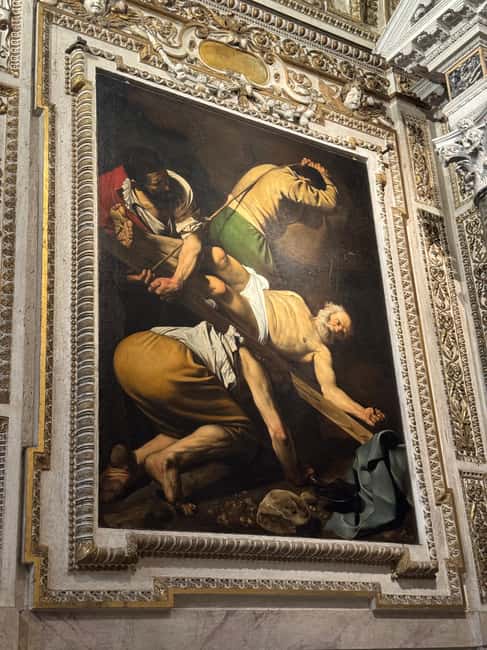
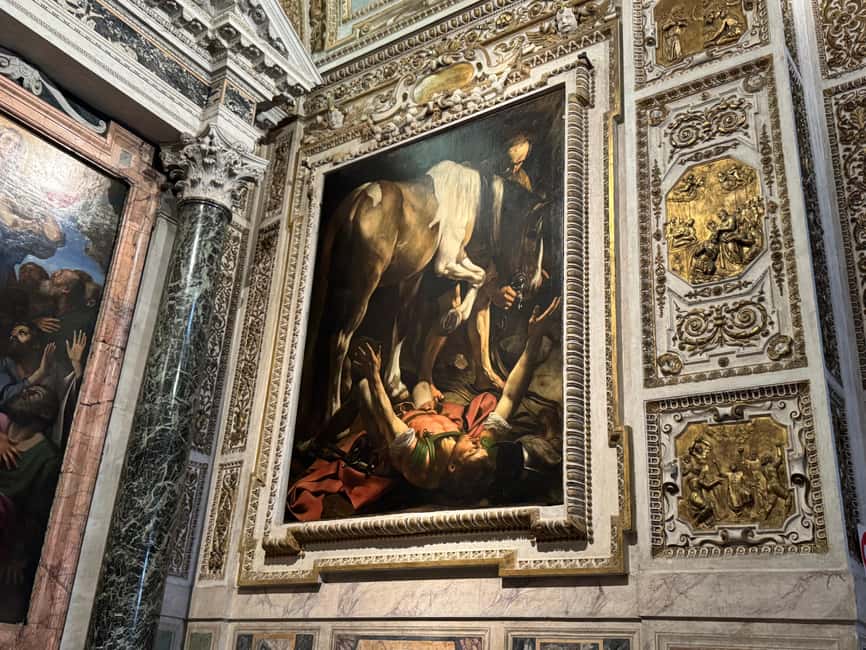
The final church stop is Santa Maria del Popolo, with the action centered in the Cerasi Chapel. This is where Caravaggio’s genius really shows its muscles through the most dramatic spiritual drama on the route.
You’ll see The Conversion of Saint Paul and The Crucifixion of Saint Peter. Even without getting lost in art jargon, these two works teach you something: Caravaggio uses motion like a message. You’re meant to feel the shift from struggle to revelation in Paul, and the heavy finality in Peter.
The guide will also give you context on why these were painted where they were—framing Caravaggio as not just a stylist, but a painter responding to the religious and artistic world around him. And Santa Maria del Popolo doesn’t stop at Caravaggio. The church is also home to masterpieces by Raphael, Bernini, and Carracci, giving you a broader comparison point. That’s valuable if you’ve been wondering whether Caravaggio stood alone or forced the whole Baroque era to change its tone.
What to look for in the Cerasi Chapel
Focus on:
- Faces and eyes: who understands, who resists, who breaks.
- Hands and posture: the body becomes the storytelling tool.
- Light as a spotlight: darkness doesn’t just decorate; it directs attention.
If you only half-look, Caravaggio can feel like a dark painting with dramatic lighting. If you look at gestures and expressions, he reads like a scene with real people, not symbols.
Caravaggio’s turbulent life: why the stories matter here
One reason this tour works is that the artwork isn’t separated from the man. The guide shares Caravaggio’s turbulent life—run-ins with the law and his sudden death—so the paintings don’t float in a vacuum. You start to see Caravaggio as someone who couldn’t stop pushing against expectations.
This matters because Caravaggio’s subjects are dramatic by nature, but his style gives them a sharp edge. The tour points you to his use of bold contrasts of light and shadow and unflinching realism. When you connect that to a life described as turbulent, it helps you understand why the figures feel so emotionally “on.” They don’t pose like statues. They look like people caught mid-thought.
I also like how the guide’s energy shows up in the delivery. Multiple guides—Rosanna, Rossana, Federica, Alessandra, Giulia, and Sabrina among those praised—are described as warm, engaging, and able to keep people moving at a calm pace. That balance is key. Caravaggio is intense; your day shouldn’t be frantic.
What you’ll actually learn by looking longer at each painting
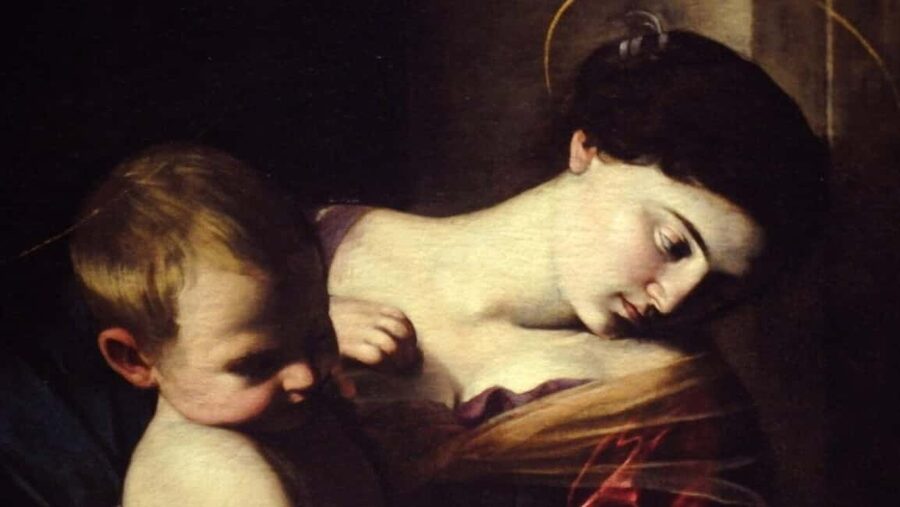
A lot of art tours rush. This one is structured so you can spend real moments with the scenes. And that changes what you take away.
Here’s the practical “payoff” you should expect:
- You’ll understand not only what the paintings show, but why Caravaggio chose those gestures and expressions.
- You’ll get a clearer sense of how a specific church commission shaped the works—since you’re seeing them in the environments they were made for.
- You’ll notice how Caravaggio’s style connects across different religious subjects: Saint Matthew’s calling and martyrdom connect emotionally to Paul’s conversion and Peter’s crucifixion.
If you like Baroque art, this tour is a strong way to sharpen your eye. If you don’t, it still works because the guide translates the visuals into readable human drama.
Price and value: is $125 per person worth it?
The price you shared is $125 per person, and the duration is listed as 150 minutes to 7 hours depending on starting time and pacing. That range is the first thing I’d check before you book, because it affects how you plan the rest of your day.
So is it worth it? Here’s how I’d judge the value based on what’s included:
- You get an expert guide and access to all the churches on the route.
- You get headsets/radios if needed, which saves time and improves comprehension.
- You’re not hunting for tickets or getting stuck behind a rope in the wrong spot; the experience is built around being in the right places for the art.
The price can feel steep, and you should go in knowing this is a specialist experience. But when the alternative is trying to piece together the same churches on your own and figuring out what you’re looking at, the cost starts to make more sense—especially if you care about interpretation.
Who this tour suits best (and who should choose differently)
This is a good fit if:
- You want a focused Caravaggio day instead of a broad, random church walk.
- You like when a guide explains technique and story in the same breath.
- You don’t want to fight crowds alone, especially in active churches.
It may not be your best match if:
- You hate walking or you prefer very short, low-footprint outings.
- You’re looking for a museum-style experience with modern galleries and labels. This is older, quieter, and more “stand and look” than “read and move.”
Still, even if you’re new to Baroque, the tour’s structure makes it easier. You get named reference points—Saint Matthew, Saint Paul, Saint Peter—so your brain has anchors.
Should you book Caravaggio: Art on Footsteps?
Yes, if you want Caravaggio in the places that shaped his art and you enjoy guided interpretation more than solo exploring. I’d book it if you’re the type of person who notices hands, faces, and how light changes emotion.
I’d think twice if your day can’t flex for church schedules or dress requirements. Plan for covered knees and shoulders, bring comfortable shoes, and accept that you’re entering working churches, not a sealed museum exhibit.
If you’re ready for a serious (but human) look at Caravaggio’s dramatic side—starting with the Saint Matthew cycle and ending at the Cerasi Chapel—this tour is the kind of structured experience that makes Rome feel less like a checklist and more like a story you can follow.
FAQ
How long is the Caravaggio: Art on Footsteps tour?
The duration is listed as 150 minutes to 7 hours, depending on the starting time and what the visit requires in the churches.
How much does it cost?
The price is $125 per person.
Where does the tour start and does the meeting point change?
The meeting point may vary depending on the option booked, with listed starting location options including Piazza di San Luigi de’ Francesi and Santa Maria della Concezione dei Cappuccini.
What churches are included?
You’ll visit the Church of St. Louis of the French, Basilica di Sant’Agostino, and the Church of Santa Maria del Popolo (Cerasi Chapel).
Are tickets or access to the churches included?
Yes. The tour includes access to all churches.
What language is the tour guide available in?
The live tour guide is available in French, Italian, and English.
What should I bring and wear?
Bring comfortable shoes. Because these are active churches, shoulders and knees must be covered, and sandals are not allowed.
What’s included in the tour price?
Included items are an expert tour guide, headsets and radios (if required), and access to all churches.
What is not included?
Hotel pickup and drop off, plus food and drink, are not included.
Are there rules about food, drink, or other items?
Food and drinks are not allowed, and weapons or sharp objects are not allowed. Alcohol and drugs are also not allowed.
More Tour Reviews in Rome
- Vatican Museums, Sistine Chapel & St. Peter’s Basilica Tour
★ 4.3 · 73,970 reviews - Vatican Museums, Sistine Chapel & St Peter’s Basilica Guided Tour
★ 4.5 · 39,149 reviews - Rome: Colosseum, Palatine Hill and Roman Forum Guided Tour
★ 4.8 · 32,814 reviews - Rome: Guided Tour of Colosseum, Roman Forum & Palatine Hill
★ 4.7 · 27,897 reviews - Rome: Colosseum & Forum with Audio Guide App -Optional Arena
★ 4.2 · 24,770 reviews - Rome: Colosseum, Roman Forum and Palatine Hill Guided Tour
★ 4.5 · 23,903 reviews