
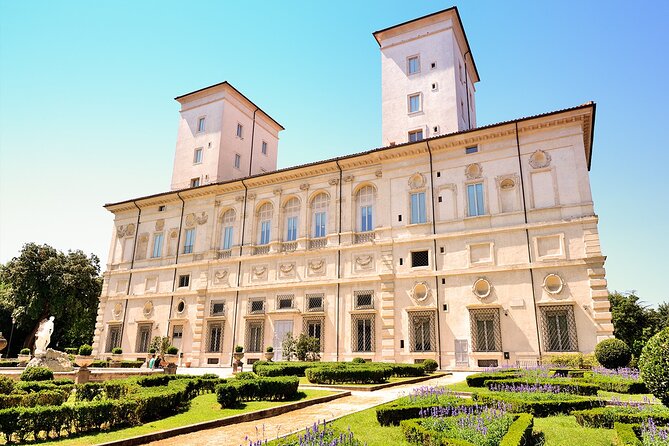
Reviewed · BORGHESE GALLERY TOURS
Borghese Gallery Guided Tour with Skip-the-Line Entry
Rome’s art hits hardest when you walk in prepared. This skip-the-line Borghese Gallery tour uses a small-group format plus headsets, so you get real context fast and spend your limited time looking at sculpture instead of waiting outside.
What I like most is the way the guide builds the story behind the works, room by room. I also like the semi-private max of 15 people, which keeps the pace focused and the Q&A possible. One possible drawback: the experience is tightly timed, so you will not have hours to wander on your own between major stops.
If you’re trying to see the Borghese without losing your afternoon to lines and logistics, this is a strong way to do it. Just know that some rooms can be closed for refurbishment, and Jubilee-era work can affect routes, so be ready to follow any updates you receive.
In This Review
- Key takeaways before you go
- Skip-the-line entry: why your 2 hours are the whole game
- Meeting point reality at Piazzale Scipione Borghese, 5
- Apollo e Daphne: Bernini’s marble caught mid-myth
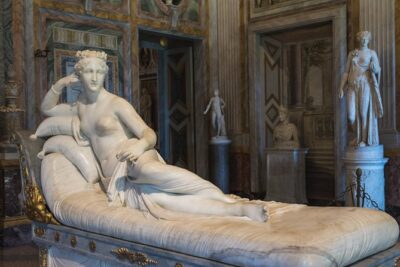
- Pauline Bonaparte as Venus Victrix: Canova’s power move
- Two busts of Cardinal Scipione Borghese: portraits with politics
- Truth Unveiled by Time: the allegory that almost works against itself
- David: the Bernini finishing move you came for
- How the guide (and headsets) change what you actually see
- Price and value: is $91.95 worth it?
- What could disappoint you (and how to handle it)
- Should you book this Borghese Gallery skip-the-line tour?
- FAQ
- How long is the Borghese Gallery guided tour?
- Is the tour offered in English?
- What group size is this tour?
- Where does the tour start?
- What’s included in the ticket price?
- What if some areas of the gallery are closed or routes change?
Key takeaways before you go
- Skip-the-line entry helps you protect your time inside a museum with controlled access.
- Max 15 people means less crowding and more meaningful commentary than a big-group shuffle.
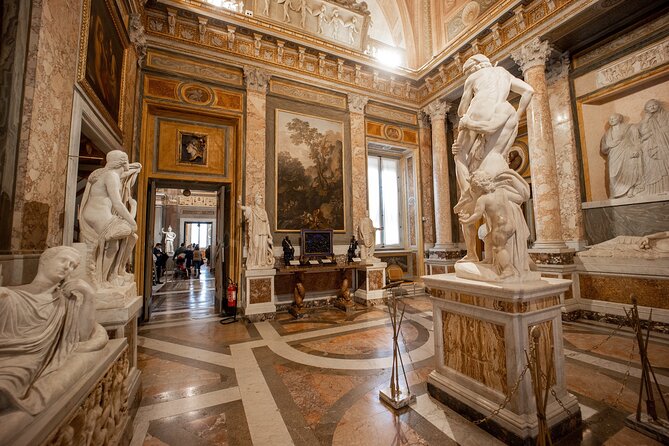
- Headsets are included, which really matters in a palace-turned-museum where sound can bounce.
- Bernini-first itinerary takes you through several of the gallery’s most dramatic, most talked-about sculptures.
- Works are not just described; they are placed in their stories, from mythology to portrait politics.
Skip-the-line entry: why your 2 hours are the whole game
The Borghese Gallery is one of those Rome sights where your biggest enemy is time. Entry is regulated, so the waiting game can eat your day. This tour’s main promise is simple: you get access faster and start seeing the art sooner.
You’re also not stuck “touring” your way through. You get a guided run through key stops across the gallery’s rooms, plus headsets if you need them. In practice, that means you can hear details without constantly leaning in or guessing what your guide is pointing at.
And because the tour is about 2 hours (approx.), it’s built for people who want the essentials without turning the visit into an all-day ordeal. If your Rome trip has a packed schedule, that matters.
More Bernini and Caravaggio at the Borghese
- Rome: Borghese Gallery Skip-the-Line Ticket & Audioguide
★ 4.3 · 4,318 reviews - Rome: Borghese Gallery Ticket + Audioguide or Guided Tour
★ 4.6 · 3,219 reviews - Rome: Borghese Gallery Guided Tour with Skip-the-Line Entry
★ 4.8 · 2,649 reviews - Rome: Borghese Gallery Skip-the-Line Tickets with Audioguide
★ 4.6 · 2,562 reviews
Meeting point reality at Piazzale Scipione Borghese, 5
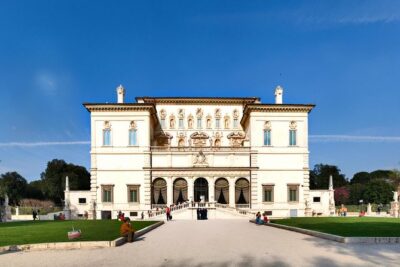
The tour meets at Piazzale Scipione Borghese, 5 (00197 Roma RM). It also ends back at that same meeting point, so you’re not left figuring out the last few minutes of your day.
Plan to arrive early. The late-arrival rule is strict: you need to be there at least 15 minutes before departure, or you may not be accommodated and refunds aren’t offered for late arrivals. This is not a “grab a coffee and catch up” kind of tour.
Also keep an eye out for updates. The area can be affected by the Jubilee with restorations and route changes, and some gallery rooms might close due to refurbishment. That can shift what’s available on your specific day, even if the core masterpieces remain the focus.
Finally, you’ll use a mobile ticket, which is practical in Rome. Less fumbling at check-in.
Apollo e Daphne: Bernini’s marble caught mid-myth
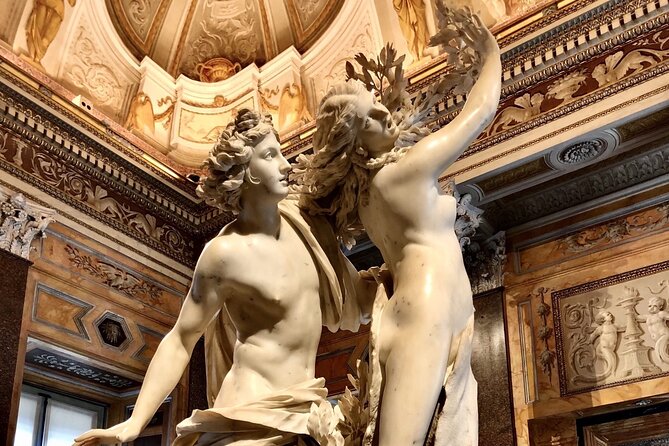
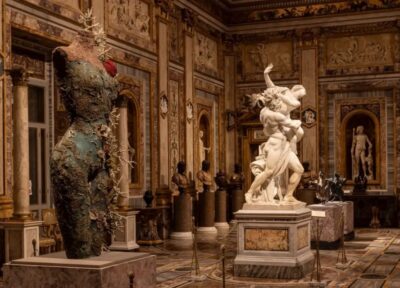
Your first stop is Apollo e Daphne, a natural-size marble sculpture by Gian Lorenzo Bernini, dated 1622–1625. It’s set up in a Baroque style that feels almost physical. You’re not looking at a calm statue. You’re looking at a moment freezing in motion.
This piece is tied to Ovid’s Metamorphoses, and the key point your guide should help you grasp is the sculpture’s culmination of the Apollo and Daphne story. In other words, it isn’t just myth as decoration. Bernini is using the human body to show transformation, tension, and breath.
What I like about starting here is that Bernini’s language is clear right away. Once you see the drama at Apollo and Daphne, you’re primed to notice similar storytelling techniques in later rooms.
A possible downside: the time at each stop is limited, so you’ll get the big idea and key details rather than a long, slow stare. If you love studying tool marks or surface textures for minutes on end, bring that “slow looking” habit to your free time after the tour.
Pauline Bonaparte as Venus Victrix: Canova’s power move
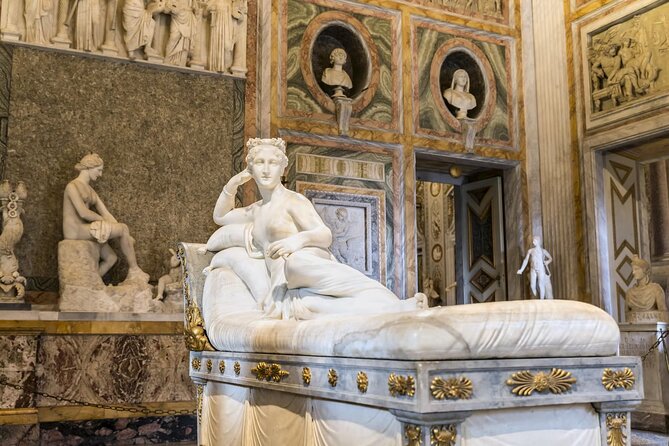
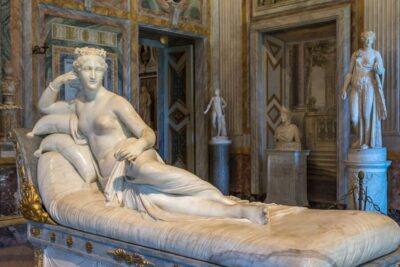
Next comes Pauline Bonaparte as Venus Victrix by Antonio Canova. This is a semi-nude, life-size neo-Classical sculpture commissioned by Camillo Borghese and executed in Rome from 1805 to 1808 after Pauline married into the Borghese family.
Here’s why this stop is more than a pretty statue. The artwork is a portrait, but it’s also propaganda for identity. It blends classical goddess imagery with modern political status. Your guide’s job is to translate that hybrid into something you can read visually.
The timeline behind it is fascinating and easy to miss if you’re only glancing. The sculpture moved after it was created: to Pauline’s related spaces in Turin and Genoa, then eventually arriving at the Borghese Gallery around 1838. That kind of ownership journey can change how you think about the work’s meaning once it’s in its final setting.
This is also one of the stops that helps you see the Borghese Gallery as a collection shaped by power, not just taste. The gallery holds multiple eras and styles, and Canova’s neo-Classicism works like a spotlight after the raw Baroque intensity of Bernini.
Worth a look next to this Rome booking:

Two busts of Cardinal Scipione Borghese: portraits with politics
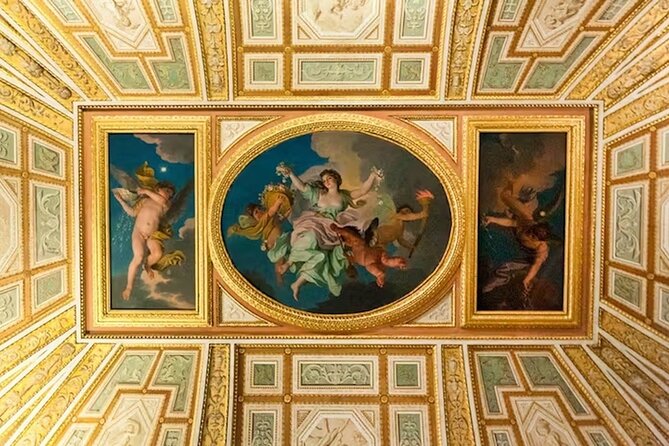
Then you hit Two Busts of Cardinal Scipione Borghese, both marble portrait sculptures created by Gian Lorenzo Bernini in 1632.
Portrait sculpture is easy to treat as “face with details.” But in the Borghese context, it’s really about how influence wants to look. Scipione wasn’t just anyone; he was a central figure for the Borghese legacy. Bernini’s busts help you understand how charisma gets sculpted: posture, expression, and the way the face feels lit and alive in marble.
This stop is also a great breather. After myth and allegory, you get something more direct and human. You can stand back a touch, look for the details the guide points out, then come closer again.
One practical consideration: busts don’t always reward the crowd that gathers instantly. The tour format helps, since you’re there with a group and commentary, rather than arriving at the exact second a wave of visitors appears.
Truth Unveiled by Time: the allegory that almost works against itself
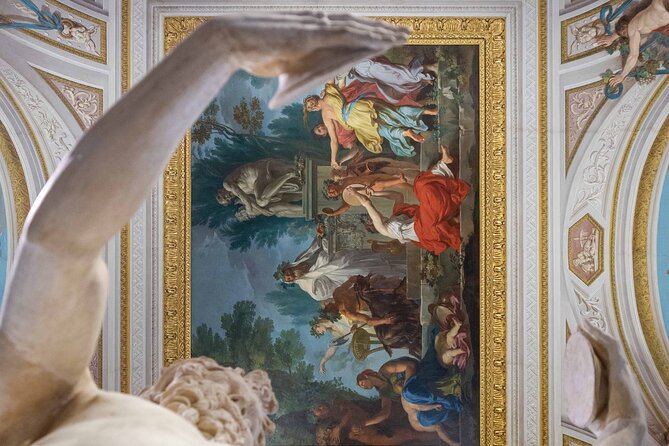
Next is Truth Unveiled by Time (Bernini again), executed between 1646 and 1652. The concept is built around allegory: a naked young lady represents Truth, and a Time figure appears above her.
Here’s a key detail that makes this piece extra interesting. The figure of Time was not originally executed. Bernini later managed to express his idea by adding the Time figure in 1665. That means the final sculpture you see is tied to a creative solution, not just a finished blueprint.
For me, this stop is where a guide really earns their pay. If you know what changed and why, the sculpture reads differently. Instead of assuming it’s a simple allegorical scene, you start noticing the work’s emotional logic and how Bernini communicated meaning even when plans shifted.
Time limits apply here again. You’ll get the main interpretive points, but you won’t be settling in like you would for a long gallery session. If you want to keep staring, you can return to your favorite stops after the tour, as time allows.
David: the Bernini finishing move you came for
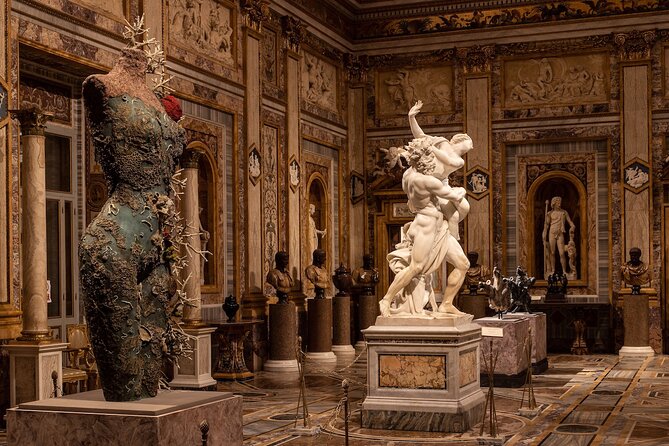
Your final sculptural highlight is David, a life-size marble sculpture by Gian Lorenzo Bernini. Cardinal Scipione Borghese commissioned it for the gallery, and it was completed in seven months, from 1623 to 1624.
The subject is biblical David about to throw the stone that brings down Goliath. This is not a statue of a completed victory pose. It’s the instant right before impact, when tension and focus take over.
One thing I love about this stop is that it teaches you how to look at action in marble. Bernini makes the body feel charged, as if the next second is inevitable. If you’ve seen prints or photos, it still lands differently in person because scale and posture do real work on your attention.
Also, this sculpture helps connect the gallery’s themes: mythology, allegory, portraiture, and heroism all share the same goal of making ideas feel like events.
How the guide (and headsets) change what you actually see
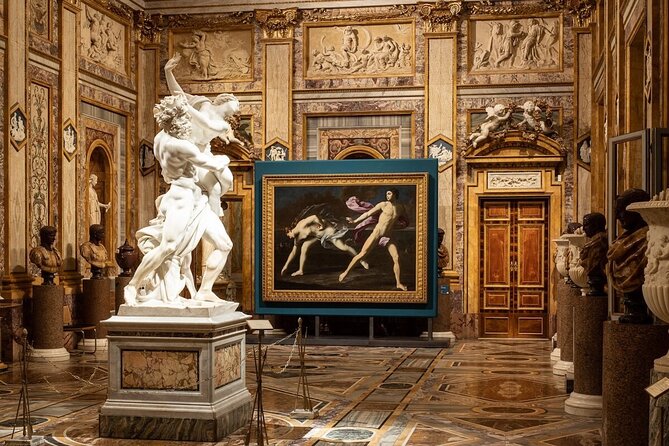
In a museum like the Borghese, you can either skim or you can read. The value here is the reading part.
The tour is guided by an English-speaking professional, and the commentary is paced so you don’t feel crushed by information. In real life, that pacing is everything. You’re moving room to room, but you’re also given enough structure to catch the “why” behind what you’re looking at.
I’ve seen guides mentioned by name such as Martina, Francesca, Lorenzo, Serena, Stephanie, and others. Whoever you get, the pattern that stands out in the experience is this: the guide makes the art feel less like distant museum content and more like a conversation with symbols, patronage, and storytelling.
The included headsets are worth it if you’re sensitive to sound. Palace interiors can make spoken commentary hard to track, especially when people form clusters around popular works.
Small groups help too. With a max of 15, you’re less likely to get stuck behind someone’s coat or phone screen. It feels more like a guided lecture you can visually follow, not a moving line through rooms.
Price and value: is $91.95 worth it?
At $91.95 per person for about 2 hours, the price is not cheap. But it’s also not just you paying for words.
You’re paying for:
- Skip-the-line entry
- Entrance fees included
- A guided small-group visit (max 15)
- Headsets if needed
In other words, you’re buying time savings plus interpretation plus access. If you tried to do this on your own, you would still need timed entry and you’d still be solving the puzzle of what to prioritize. Here, you get a clean path through the most important stops, with context that helps you understand what you’re seeing.
For short Rome trips, this kind of “high-impact” art time usually makes sense. If you have an entire day to wander and you enjoy choosing your own route with no structure, you might prefer a self-guided visit. But if your goal is to understand the masterpieces quickly, guided access is where this becomes good value.
What could disappoint you (and how to handle it)
The biggest potential mismatch is your expectation for free-looking time. This is a structured visit. Even though it covers major highlights across rooms, you’ll still be spending most of the visit listening and moving, not drifting and repeating slow “re-look” moments.
Timing is another factor. One person noted their itinerary ran longer than expected. That can be either a bonus (more time) or a drawback (standing and focusing too long). If you’re sensitive to standing for long stretches, wear comfy shoes and plan to take small breaks when your guide pauses.
Lastly, remember the “some rooms might be closed” reality. Refurbishment can affect what you see on the day. The tour is built around key masterpieces, but your exact lineup of rooms could shift.
Should you book this Borghese Gallery skip-the-line tour?
Yes, I think you should book it if any of these are true:
- You want the big-name Borghese sculptures with story context, not just photos.
- Your Rome itinerary is tight and you’d rather protect your time than gamble on lines.
- You like art history that explains symbolism in plain language.
- You want a small group experience with headsets and a clear route.
I would hesitate if:
- You’re the type who wants hours to wander and you don’t mind sorting priorities yourself.
- You’re very schedule-dependent and standing time feels stressful for you.
- You’re visiting on a day when route changes or room closures might matter a lot to your expectations.
FAQ
How long is the Borghese Gallery guided tour?
It runs for about 2 hours (approx.).
Is the tour offered in English?
Yes, English is available.
What group size is this tour?
It’s limited to a maximum of 15 travelers.
Where does the tour start?
The meeting point is Piazzale Scipione Borghese, 5, 00197 Roma RM, Italy.
What’s included in the ticket price?
The price includes the Borghese Gallery guided tour with skip-the-line entry, entrance fees, and headsets if needed.
What if some areas of the gallery are closed or routes change?
Some rooms may be closed due to refurbishment, and Jubilee-related restoration can change access routes. You should check any updates sent to you before you go.
More Tours in Rome
- Vatican Museums, Sistine Chapel & St. Peter’s Basilica Tour
★ 4.3 · 73,970 reviews - Vatican Museums, Sistine Chapel & St Peter’s Basilica Guided Tour
★ 4.5 · 39,149 reviews - Rome: Colosseum, Palatine Hill and Roman Forum Guided Tour
★ 4.8 · 32,814 reviews - Rome: Guided Tour of Colosseum, Roman Forum & Palatine Hill
★ 4.7 · 27,897 reviews - Rome: Colosseum, Roman Forum and Palatine Hill Guided Tour
★ 4.5 · 23,903 reviews - Rome: Colosseum Arena Floor, Palatine & Forum Guided Tour
★ 4.5 · 20,180 reviews
More Tour Reviews in Rome
- Vatican Museums, Sistine Chapel & St. Peter’s Basilica Tour
★ 4.3 · 73,970 reviews - Vatican Museums, Sistine Chapel & St Peter’s Basilica Guided Tour
★ 4.5 · 39,149 reviews - Rome: Colosseum, Palatine Hill and Roman Forum Guided Tour
★ 4.8 · 32,814 reviews - Rome: Guided Tour of Colosseum, Roman Forum & Palatine Hill
★ 4.7 · 27,897 reviews - Rome: Colosseum & Forum with Audio Guide App -Optional Arena
★ 4.2 · 24,770 reviews - Rome: Colosseum, Roman Forum and Palatine Hill Guided Tour
★ 4.5 · 23,903 reviews
More Rooms at the Borghese
- Rome: Borghese Gallery Skip-the-Line Ticket & Audioguide
★ 4.3 · 4,318 reviews - Rome: Borghese Gallery Ticket + Audioguide or Guided Tour
★ 4.6 · 3,219 reviews - Rome: Borghese Gallery Guided Tour with Skip-the-Line Entry
★ 4.8 · 2,649 reviews - Rome: Borghese Gallery Skip-the-Line Tickets with Audioguide
★ 4.6 · 2,562 reviews - Rome: Borghese Gallery & Gardens Small Group Guided Tour
★ 4.5 · 2,190 reviews - Rome: Borghese Gallery Guided Tour with Tickets
★ 4.9 · 1,880 reviews
Just added to our Rome reviews



Borghese Gallery Tours, compared.
 ★ 4.3Borghese Gallery Skip-the-Line Ticket & AudioguideFrom $504,318 reviews
 ★ 4.6Borghese Gallery Ticket + Audioguide or Guided TourFrom $533,219 reviews
 ★ 4.8Borghese Gallery Guided Tour with Skip-the-Line EntryFrom $842,649 reviews
 ★ 4.6Borghese Gallery Skip-the-Line Tickets with AudioguideFrom $532,562 reviews
 ★ 4.5Borghese Gallery & Gardens Small Group Guided TourFrom $472,190 reviews
 ★ 4.9Borghese Gallery Guided Tour with TicketsFrom $571,880 reviews
 ★ 4.3Borghese Gallery Skip the line ticket and AudioguideFrom $531,535 reviews
 ★ 4.5Borghese Gallery, Canova’s Masterpieces Skip-the-Line Guided TourFrom $591,162 reviews
Browse the lists this tour appears in