
Reviewed · WALKING TOURS
Best of Rome Walking Tour and Master of Pizza Class
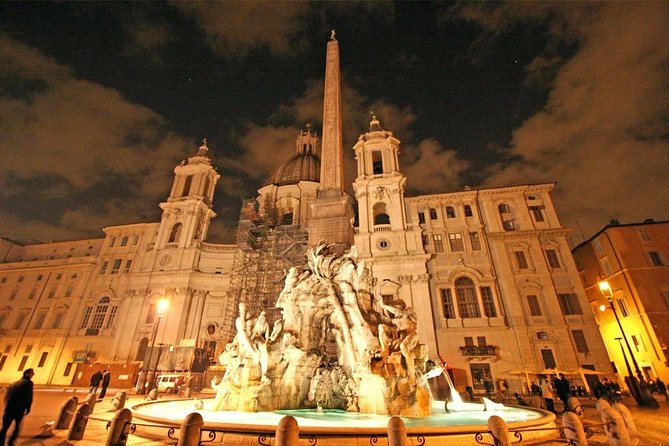
Thin-crust pizza starts with a coin-fountain stroll. This tour strings together top sights first-time visitors often miss—like a guided pass by the Pantheon and the Trevi Fountain legend—then hands you an apron for a Roman pizza class. I love how the guided walk gives you context fast, and I also love that the lesson is practical: you make soft dough from scratch, stretch it thin, add sauce and toppings, and bake it in a traditional oven. One thing to consider: the pizza portion isn’t guaranteed to be identical every time. If there’s an emergency or a chef illness, the class may shift to pasta or move to a different pizzeria.
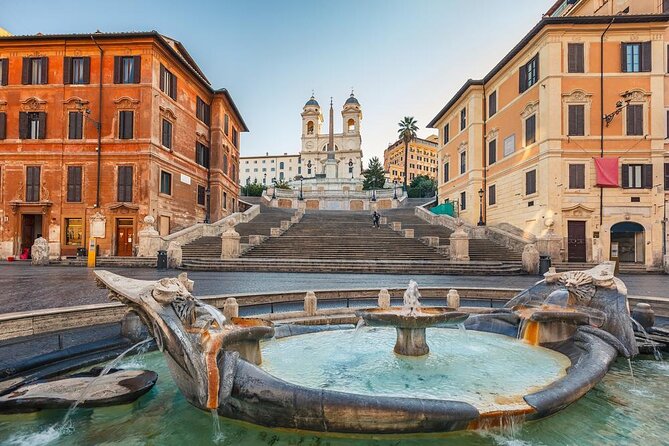
You’ll start at Piazza di Spagna, 18 and return there at the end. The full experience runs about 4 hours, it’s in English, and the group stays capped at 20 people—so it’s active, not a mega-bus situation. You should have moderate walking ability, and you’ll also want to plan around the fact that portions of the cooking stop can change in location or format.
In This Review
- Key highlights at a glance
- Getting Oriented Around Piazza di Spagna and Rome’s Icons
- The Guided Walk: Fast Stops, Real Context, and Easy Pacing
- From Dough to Thin Crust: How the Pizza Class Works in Real Life
- Choosing Toppings Like a Roman: A Hands-On Meal You Control
- When the Pizza Part Changes: Pasta Swaps and Moved Locations
- Price and Logistics: Is $104.38 Good Value?
- Practical Tips for a Smoother Day
- Who This Tour Fits Best (and Who Should Skip)
- Should You Book This Best of Rome Walk + Pizza Class?
- FAQ
- Where is the tour meeting point?
- How long does the experience last?
- Is the tour offered in English?
- How large is the group?
- Can I request dietary accommodations?
- What happens if I cancel?
Key highlights at a glance
- Pantheon + Trevi Fountain legend on a fast, first-timers-friendly walk
- Start point is Piazza di Spagna (18) and you end back near where you meet
- Make Roman dough from scratch and stretch it thin before topping
- Professional pizzaiolo instruction with you building the pizza step by step
- Small groups (max 20) that feel personal, even with kids
Getting Oriented Around Piazza di Spagna and Rome’s Icons
This is a great “first day in Rome” style experience because it gives you orientation without wasting time. You begin at Piazza di Spagna, a spot that’s easy to find and close to lots of action, and then your guide takes you through central Rome landmarks people recognize instantly.
The walk focuses on high-impact sights—especially the ancient Pantheon area and the Trevi Fountain area—so you get the big picture of what you’re actually looking at. The Trevi stop is tied to the classic coin-throwing legend, which is more useful than it sounds. It gives your brain an anchor story for the fountain and its symbolism, so you remember it later when you’re walking around on your own.
A practical note: this is not a “stay here for an hour and meditate” tour. The stop-and-explain rhythm is quick enough to keep momentum, but long enough to take photos and understand what you’re seeing.
Worth a look next to this Rome booking:
- Rome: Guided Food Walking Tour with Wine in Trastevere
★ 4.9 · 3,105 reviews - Rome: Trastevere & Campo de Fiori Street Food Walking Tour
★ 4.9 · 2,768 reviews - Rome: Paranormal Night Walking Tour & Secret Backstreets
★ 4.9 · 1,921 reviews - Rome: Trastevere Street Food Walking Tour with Local Expert
★ 4.8 · 1,784 reviews
The Guided Walk: Fast Stops, Real Context, and Easy Pacing
I like this format because it treats the walk like a guided map you can walk with. Guides such as Nina, Sara, Simone, Chris, and Richie come up in feedback again and again, and the common thread is clear: they keep the story moving and don’t drown you in lectures.
Several people describe the guidance as engaging but not heavy-handed—especially helpful if you’ve got kids in the group. One family-friendly advantage you can feel right away: the pacing works well when attention spans are short. You get enough time at each stop to soak in what matters, then you move on.
There’s also a real benefit for repeat visitors. Even if you’ve seen the Pantheon or Trevi before, a good guide can point out details you’d miss by speed-walking with a guidebook. The best examples from feedback include “insider” tips about how to move through the city and what to notice around the monuments, not just the monuments themselves.
One caution based on actual experience stories: Rome closures happen. On days with a church service or site downtime, a flexible guide may swap options so your afternoon doesn’t turn into wandering. That’s not a guarantee, but it’s a reasonable expectation to keep in mind when you’re planning.
From Dough to Thin Crust: How the Pizza Class Works in Real Life
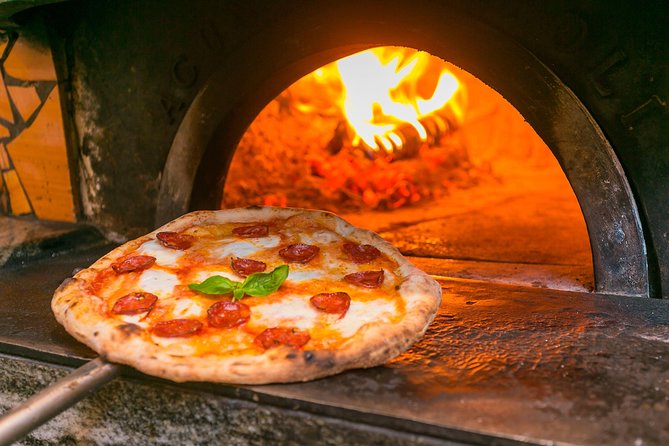
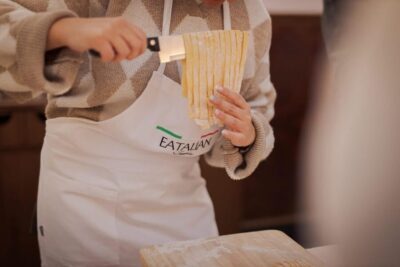
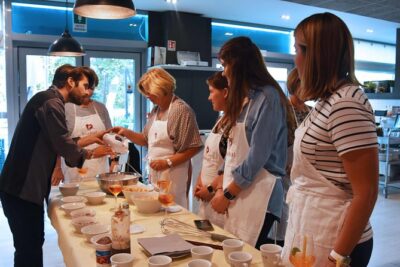
The pizza portion is where this tour turns from “sightseeing” into a skill—and that’s why people keep calling it the highlight. You head to a restaurant/workshop with a professional pizzaiolo (pizza maker), and the lesson is hands-on from the start.
Here’s what the class typically includes:
- Make the dough from scratch (not just roll pre-made dough)
- Stretch the dough thin so it’s soft and flexible
- Prepare Roman-style toppings, including a sauce step and your own topping choices
- Bake in a traditional pizza oven
What I like about the structure is that it matches how pizza actually happens: dough first, then sauce and toppings, then the bake. It’s not just eating a meal at an Italian place with a side of pizza lore.
In feedback, people often note that chefs don’t always speak English—one common example is Chef Mario, with the guide translating as needed. That can sound like a concern, but it usually works because the guide is there to make sure you understand what to do and when.
Also, pay attention to technique. One person wished the dough-making steps were shown more clearly (not just rolling/stretching practice). So if you care about recreating this at home, watch the demonstration closely and ask a question if something feels unclear.
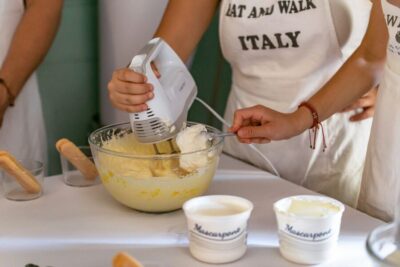
And yes, dessert shows up for many groups. One person called out the tiramisu as the best they’d had in Rome, and there’s also mention of sweet pizza as part of the experience. Since dessert isn’t stated in the base details, treat it as a happy bonus you might enjoy rather than something to count on every single time.
Choosing Toppings Like a Roman: A Hands-On Meal You Control
This class is more than a show. You build your pizza. Multiple feedback accounts mention that you can use ingredients and toppings you choose, which is a big deal if you don’t eat the same way as the “standard” tourist pizza.
That customization is also what makes it feel fun for kids and teens. Kids don’t want a slideshow; they want to make something. And when everyone ends up with a pizza that looks different, the whole table becomes part of the experience instead of just watching.
If you’re the type who likes to try a bit of everything, this is your moment. Bring your appetite and your decision-making instincts, because once the toppings start, it’s hard to stop yourself.
Worth a look next to this Rome booking:

When the Pizza Part Changes: Pasta Swaps and Moved Locations
Here’s the part I want to be honest about. The overall promise is a walking tour plus a pizza class—but real-world issues can change the exact final format.
There are reports of:
- Pizza class cancellation with pasta offered instead
- A shift in the cooking schedule or where the class happens
- The cooking class moving to a different pizzeria due to a chef being ill
- Some end-of-walk timing confusion when the cooking class still happened later
So what should you do with this information? Simple: plan your day so you’re not trapped by a tight dinner reservation right after the tour ends. If you’re celebrating something, build in a buffer.
The best move is also straightforward: be ready to follow your guide’s directions for the cooking stop. Since details can vary, the guide will be your source of truth for where you go next.
Price and Logistics: Is $104.38 Good Value?
At $104.38 per person for about 4 hours, you’re paying for three things at once: guided monument time, a structured cooking lesson, and a meal built around what you make.
For first-time visitors, the value works because the walk helps you see central Rome in a way that’s harder to replicate quickly on your own. You also get a guide actively interpreting the city, which saves time when you’re trying to understand why the Pantheon or Trevi Fountain matters.
For food lovers, the value works because you’re not just ordering pizza—you’re learning the process: dough, stretching, sauce, toppings, oven bake. That’s a different category of experience than a typical “pizza lunch with a view.”
And because the group is capped at 20, you avoid the “everyone is standing around” feeling that can happen on larger tours.
The one pricing-related watch-out: if you’re someone who’s specifically paying for pizza dough-making, then the possibility of a pasta swap matters. It doesn’t mean it’ll happen, but it’s enough of a risk that I’d go into the experience knowing you may need to be flexible.
Practical Tips for a Smoother Day
A few small things can make a big difference here.
- Go hungry enough to enjoy the pizza you make. Several people recommend not eating beforehand so the meal tastes great and you don’t feel stuffed during the class.
- Wear comfortable walking shoes. The walk is active, and you’ll be moving between central sights and then heading to the restaurant.
- Be ready for a lively pace. This tour works best if you like seeing more, not if you need long photo “stops.”
- If you have dietary needs, tell the organizers when booking. They ask you to advise dietary requirements in advance, and that’s the right time to handle it.
- Use your mobile ticket. You’ll have a mobile ticket, so have your phone charged and ready.
Finally: keep an eye on communication on the day of your tour. Some negative experiences in feedback come down to missed contact or meeting-point trouble. If your phone signal is weak, consider turning on roaming/connection access early—or ask your hotel front desk to help you confirm logistics if needed.
Who This Tour Fits Best (and Who Should Skip)
This tour is a strong match if you:
- Want a fast, guided introduction to central Rome monuments like the Pantheon and Trevi Fountain
- Like the idea of hands-on cooking instead of a seated lecture
- Travel with kids or teens who do better with interactive activities
- Prefer small groups and a lively day plan
It may not be the best fit if you:
- Need ultra-flexible timing or guaranteed pizza delivery with no changes
- Want a slow, lingering sightseeing day where you can sit and stare for long stretches
- Are very sensitive to delays caused by cooking-stop re-routing
Should You Book This Best of Rome Walk + Pizza Class?
I’d book this if you want one day that covers both city orientation and a genuinely fun food activity. The best versions of this tour are led by guides like Nina, Sara, Simone, Chris, or Richie, and the cooking side is exactly what makes the experience memorable: dough from scratch, thin stretching, and oven-baked results.
But I’d also book with the right mindset. The cooking portion can shift if something goes wrong behind the scenes, and the end-of-walk coordination isn’t always perfectly clean in every situation. If you’re flexible, you’ll likely have a great time. If your plans are extremely rigid, look for a different option.
If you do book, double-check your expectations about language (English), group size (max 20), and dietary needs at booking. And because the experience is listed as non-refundable and not changeable, don’t book unless your dates are firm.
FAQ
Where is the tour meeting point?
The tour meets at Piazza di Spagna, 18, 00187 Roma RM, Italy.
How long does the experience last?
It lasts about 4 hours.
Is the tour offered in English?
Yes, it’s offered in English.
How large is the group?
The group size is limited to a maximum of 20 travelers.
Can I request dietary accommodations?
Yes. You should advise any specific dietary requirements at the time of booking.
What happens if I cancel?
This experience is non-refundable and cannot be changed. If it’s canceled because the minimum number of travelers isn’t met, you’ll be offered a different date/experience or a full refund.
More Walking Tours in Rome
- Rome: Guided Food Walking Tour with Wine in Trastevere
★ 4.9 · 3,105 reviews - Rome: Trastevere & Campo de Fiori Street Food Walking Tour
★ 4.9 · 2,768 reviews - Rome: Paranormal Night Walking Tour & Secret Backstreets
★ 4.9 · 1,921 reviews - Rome: Trastevere Street Food Walking Tour with Local Expert
★ 4.8 · 1,784 reviews - Rome: Small-Group Guided Day or Night Walking Tour
★ 4.8 · 1,009 reviews - Rome by Night Walking Tour – Legends & Criminal Stories
★ 4.5 · 1,003 reviews
More Tours in Rome
- Vatican Museums, Sistine Chapel & St. Peter’s Basilica Tour
★ 4.3 · 73,970 reviews - Vatican Museums, Sistine Chapel & St Peter’s Basilica Guided Tour
★ 4.5 · 39,149 reviews - Rome: Colosseum, Palatine Hill and Roman Forum Guided Tour
★ 4.8 · 32,814 reviews - Rome: Guided Tour of Colosseum, Roman Forum & Palatine Hill
★ 4.7 · 27,897 reviews - Rome: Colosseum, Roman Forum and Palatine Hill Guided Tour
★ 4.5 · 23,903 reviews - Rome: Colosseum Arena Floor, Palatine & Forum Guided Tour
★ 4.5 · 20,180 reviews
More Tour Reviews in Rome
- Vatican Museums, Sistine Chapel & St. Peter’s Basilica Tour
★ 4.3 · 73,970 reviews - Vatican Museums, Sistine Chapel & St Peter’s Basilica Guided Tour
★ 4.5 · 39,149 reviews - Rome: Colosseum, Palatine Hill and Roman Forum Guided Tour
★ 4.8 · 32,814 reviews - Rome: Guided Tour of Colosseum, Roman Forum & Palatine Hill
★ 4.7 · 27,897 reviews - Rome: Colosseum & Forum with Audio Guide App -Optional Arena
★ 4.2 · 24,770 reviews - Rome: Colosseum, Roman Forum and Palatine Hill Guided Tour
★ 4.5 · 23,903 reviews
Just added to our Rome reviews





Walking Tours, compared.
 ★ 4.9Guided Food Walking Tour with Wine in TrastevereFrom $1003,105 reviews
 ★ 4.9Trastevere & Campo de Fiori Street Food Walking TourFrom $512,768 reviews
 ★ 4.9Paranormal Night Walking Tour & Secret BackstreetsFrom $341,921 reviews
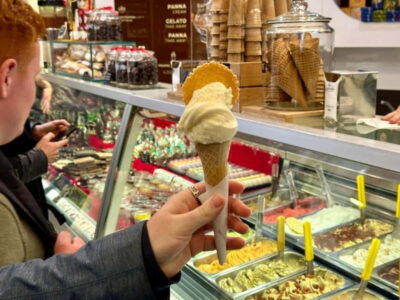 ★ 4.8Trastevere Street Food Walking Tour with Local ExpertFrom $571,784 reviews
 ★ 4.8Small-Group Guided Day or Night Walking TourFrom $231,009 reviews
 ★ 4.5Rome by Night Walking Tour – Legends & Criminal StoriesFrom $141,003 reviews
 ★ 4.4Guided City Center Evening Sightseeing Walking TourFrom $46953 reviews
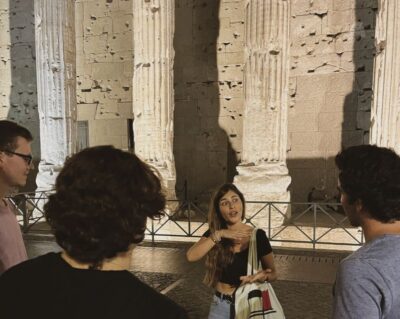 ★ 4.9Small-Group City Highlights Moonlight Walking TourFrom $29949 reviews
Browse the lists this tour appears in