
Reviewed · TUSCANY DAY TRIPS
Assisi & Orvieto Day Trip from Rome
Two Umbrian towns in one Rome day. This trip pairs the show-stopping Orvieto Cathedral with the sacred sweep of St. Francis Basilica in Assisi. I like that it isn’t just a bus ride to famous names, either, because you also get time built around local food and the hill-town feel of central Italy.
The best parts for me are the focused guiding in Orvieto and Assisi, plus the included lunch that gives you a real taste of Umbria rather than just a quick stop. One consideration: it’s a full 12-hour day (often running long), and the day includes a strict church dress code plus drinks that are not included.
In This Review
- Key things to know before you go
- Price and logistics: paying for a guided, long haul
- From Rome through the Tiber Valley to Orvieto’s hilltop views
- The Orvieto Duomo stop: what you’ll actually get
- The Tuscan hills drive: why the countryside is part of the point
- Lunch on an agriturismo farm: included food, included comfort breaks
- Lake Trasimeno scenic drive: pretty views, minimal time pressure
- Assisi at the foot of Mount Subasio: a town built for walking
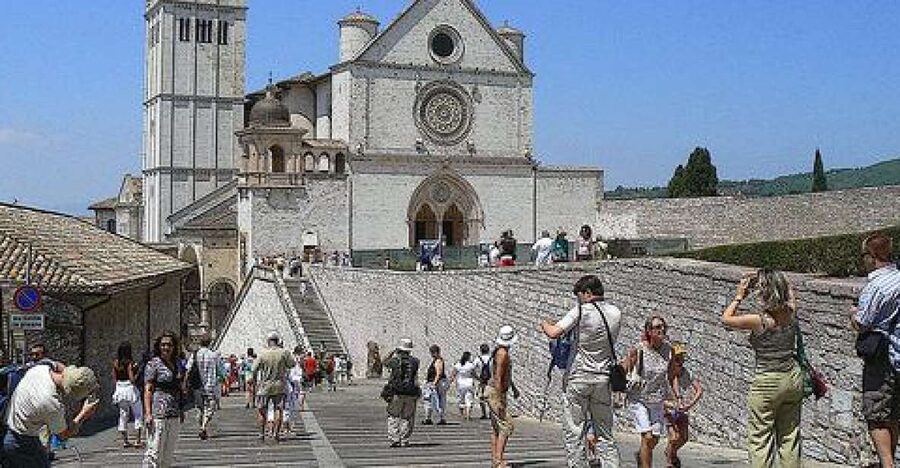
- St. Francis Basilica: the highlight with one real rule
- Timing reality check: it’s efficient, not leisurely
- Who this tour is best for (and who should skip it)
- The guide factor: where the day gets real
- Should you book this Assisi & Orvieto day trip?
- FAQ
- Where do we meet for the Assisi & Orvieto day trip from Rome?
- How long is the tour, and when will it end?
- Is hotel pickup and drop-off included?
- What’s included in the price?
- What should I wear for visits to churches?
- Is the tour suitable for people with mobility impairments, or are pets allowed?
Key things to know before you go
- Orvieto’s Gothic cathedral is the anchor stop, with guided viewing of a major landmark
- Assisi’s highlights are clustered well, including St. Francis Basilica and the St. Clare area
- A guided lunch break helps break up the driving with traditional local dishes
- Expect a packed schedule: it’s efficient, but not slow travel
- Dress code matters: knees and shoulders covered, or you can get refused entry
Price and logistics: paying for a guided, long haul
At $174.46 per person, this day trip is priced like a true “get you out of Rome” experience, not a cheap hop-on ride. What you’re paying for is the combination of transportation plus live guidance plus an included lunch. That’s the real value here. Driving to Assisi and Orvieto on your own is doable, but it takes planning, time, and energy you may want to save for the sightseeing.
The tour runs about 12 hours and returns to the meeting point near 32 Via Giovanni Amendola around 7:30–8:00pm. That long day is the trade-off. You’ll see a lot, but you won’t have the kind of wandering time you’d get if you stayed overnight in either town.
Also note the small-but-important rule set: no sleeveless tops and no shorts. Knees and shoulders must be covered for places of worship and selected museums, and it’s enforced. I’d treat it as non-negotiable when you pack, not as a polite suggestion.
North for the day: more of Tuscany
- Rome: Tuscany & Montepulciano Day Trip with Lunch & Wine Tasting
★ 4.5 · 5,232 reviews - Rome: Tuscany & Montepulciano Day Trip with Lunch & Wines
★ 4.7 · 3,004 reviews - From Rome: Bagnoregio & Orvieto Day Trip with Wines & Lunch
★ 4.6 · 1,075 reviews - Assisi and Orvieto Guided Day Tour from Rome with Lunch
★ 4.0 · 1,031 reviews
From Rome through the Tiber Valley to Orvieto’s hilltop views
You start from the GLT terminal at 32 Via Giovanni Amendola, usually 10 minutes before departure. Then the day kicks off with a northbound drive out of Rome, along the Tiber Valley. This matters more than it sounds, because Orvieto isn’t a quick city stop. It’s perched on a dramatic hill, and the approach gives you that instant “okay, we’re not in Rome anymore” feeling.
Orvieto begins as an Etruscan-origin town, and your first major takeaway is the way the architecture announces itself from above. This is why the Orvieto stop is more than a checklist item. The 14th-century Gothic cathedral dominates the landscape. Even if you don’t go deep into architectural terminology, you’ll feel the contrast: a medieval masterpiece sitting in an unmistakably Umbrian setting.
The Orvieto Duomo stop: what you’ll actually get
You’ll stop to admire the cathedral up close, and the guiding focuses on what makes it a standout. Two practical notes if you’re planning your day around photos and timing:
- Orvieto Cathedral entry may cost extra. One clear example from actual on-the-ground experience: an entry ticket for the cathedral was about €5 per person when purchased on site. So don’t assume everything is included just because you’re seeing it on the tour.
- If you’re hoping for lots of free time in Orvieto, you might find the schedule a bit tight. The cathedral and town viewing are the priority, not a long self-guided roam.
Some departures include a cable car ride up toward the cathedral area. That’s not guaranteed in your planning notes from the basic info, but you should be prepared for transit that gets you from the town center to the higher viewpoints.
The Tuscan hills drive: why the countryside is part of the point
After Orvieto, you head through the Tuscan hills—olive groves and vineyards come into view. This portion of the day is where the trip earns its “not just churches” promise. The landscape is the stage for the wine story, and you’ll hear the references to major Italian wine identities tied to this region.
You’re in the orbit of wines linked to D.O.C. quality categories, including Orvieto, Chianti, and Brunello di Montalcino. Even if you don’t consider yourself a wine person, it’s a useful way to understand what you’re seeing. The hills aren’t just scenery here. They’re working land, and that’s why the drive feels purposeful.
It’s also a nice reset after the cathedral concentration. Instead of rushing from one interior to another, you get open-air views while the day moves forward.
Worth a look next to this Rome booking:
Lunch on an agriturismo farm: included food, included comfort breaks
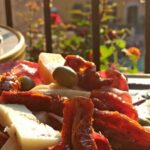
Then comes lunch—traditional local dishes included. In practice, it’s often served in an agriturismo setting on the farm side of the landscape, which makes it feel like a real pause rather than a roadside sandwich.
This is a strong point in the day’s pacing. Reviews and general experience line up on one thing: lunch breaks up the driving, and you get a sense of local flavors without needing to research a restaurant ahead of time.
A key budgeting note: drinks aren’t included. One diner specifically noted water wasn’t included, which is a common surprise if you assume lunch means lunch and unlimited drinks. Plan for the basics to be extra, and if you want bottled water or wine, treat that as a separate cost.
Lake Trasimeno scenic drive: pretty views, minimal time pressure
In the early afternoon, you continue toward Assisi by driving along the shores of Lake Trasimeno. This is one of those “take a breath” segments. You don’t usually get a long lakeside hangout, but you do get changing views through the windows as you move.
For me, scenic drives like this are what keep a packed itinerary from feeling like pure commuting. The day’s tempo doesn’t slow down, but the visuals do.
Assisi at the foot of Mount Subasio: a town built for walking
When you reach Assisi, the setting does the heavy lifting. Assisi sits at the foot of Mount Subasio, and the medieval layout feels built for pedestrian exploring. This is also why the trip is guided: the streets and landmarks can be confusing if you arrive without a map and without someone helping you connect the names to the places.
You’ll see several key stops clustered around the historic center, including the area around the Townhall Square and points tied to major religious figures in the town’s story.
Here are the kinds of stops you can expect:
- St. Clare’s Church area
- St. Francis’ birthplace and his childhood home
- The Townhall Square
- The People’s Palace and the Roman Temple dedicated to Minerva
- Walk segments that help you connect the modern town to the medieval walls nearby
Even if your faith background is small, the guiding usually keeps the context clear: this isn’t just a pretty old town. It’s a place where architecture, devotion, and community identity are tightly linked.
St. Francis Basilica: the highlight with one real rule
The standout moment for most people is the visit to St. Francis’ Basilica, near the ancient city walls. You’re there for the magnificent frescoes painted between the 12th and 14th centuries—that’s the kind of artwork that makes you forget what time it is.
One practical drawback to plan around: photos may not be allowed inside the basilica. If you’re the type who likes to document interiors, remember that sacred spaces often have stricter rules than outdoor streets.
Also, because it’s a major site, you’ll be moving through with time boundaries. This is where the trip’s style shows: you get the essentials with guidance, but you won’t have hours to linger room-by-room.
Timing reality check: it’s efficient, not leisurely
This is the big thing to know before you commit. This day trip is designed to cover Orvieto + Assisi in one shot, meaning you’ll trade downtime for highlights.
If you want the slow version of Italy—long unplanned wandering, extra coffee breaks, and deeper museum time—this itinerary might feel too brisk. There are also practical timing moments that can feel stretched for some departures, with late returns mentioned in at least one case. So I’d plan your evening back in Rome with no tight reservations.
On the positive side, the group rhythm and the comfort of the bus are usually part of the experience. One review specifically praised a comfortable, air-conditioned bus, and having that break between town cores helps you stay fresh for the walking stops.
Who this tour is best for (and who should skip it)
This is a great fit if you want:
- A first-time day trip from Rome that hits major Umbrian landmarks
- A balance of guided structure + some sightseeing time
- Cathedral and medieval-street vibes without the hassle of planning routes, tickets, and timing yourself
You might want a different option if:
- You need mobility-friendly pacing. The tour info states it’s not suitable for people with mobility impairments.
- You’re sensitive to strict dress rules. If you show up in shorts or a sleeveless top, you risk being refused entry.
- You’re trying to do two towns and also keep the day flexible. This trip runs on a schedule and won’t slow down for indecision.
The guide factor: where the day gets real
The quality of guidance can make or break a “highlights only” day, and this route tends to benefit from strong on-the-ground storytelling. Names that come up in past departures include guides like Christina, praised for being thoughtful and full of insight, and Elli as another example of a guide delivering clear narration across English and Spanish.
Drivers also show up in the feedback, including Nicola and another driver noted as Lucca, which hints that comfort and smooth logistics matter on this route. When you’re spending a full day on winding roads, a calm driver can change your whole experience.
I’d also pay attention to how the guides structure the day: you get both big-picture context and the practical “here’s what to look for” cues that help you enjoy Orvieto and Assisi more than if you just wandered.
Should you book this Assisi & Orvieto day trip?
I’d book it if you want a structured, high-value day that gets you to Orvieto’s cathedral and Assisi’s St. Francis Basilica without the stress of planning transport, timing, and the history thread yourself. The included lunch plus live guiding makes it feel like a true experience day, not a sightseeing bus drop-off.
I’d hesitate if you’re expecting leisurely exploration. This is a full-day sprint with stops that are meaningful. If you’re okay with that trade-off—and you’ll pack for the church dress code—this trip is an efficient way to see two of Umbria’s most important places while staying based in Rome.
If you’re going to do it, do yourself a favor: wear comfortable shoes you can walk in for hours, bring a layer if you feel chilly in churches, and budget a little extra for things that aren’t included (like drinks, and possibly cathedral entry).
FAQ
Where do we meet for the Assisi & Orvieto day trip from Rome?
You meet at 32 Via Giovanni Amendola (GLT terminal), arriving 10 minutes before your scheduled departure.
How long is the tour, and when will it end?
The tour duration is listed as about 12 hours, and it returns back to the meeting point around 7:30–8:00pm.
Is hotel pickup and drop-off included?
No. Hotel pickup and drop-off are not included, and the tour ends back at the meeting point.
What’s included in the price?
The price includes transportation, local guides, and lunch (traditional dishes). Drinks are not included.
What should I wear for visits to churches?
A dress code is enforced. You’ll need knees and shoulders covered (no shorts or sleeveless tops). Bring comfortable shoes and long pants.
Is the tour suitable for people with mobility impairments, or are pets allowed?
The tour is not suitable for people with mobility impairments. Pets are not allowed (assistance dogs are allowed).
More 1-Day Tours in Rome
- From Rome: Pompeii, Amalfi Coast, and Sorrento Day Trip
★ 4.6 · 7,031 reviews - From Rome: Pompeii, Amalfi Coast and Positano Day Trip
★ 4.6 · 6,620 reviews - Pompeii, Amalfi Coast and Positano Day Trip from Rome
★ 4.5 · 6,250 reviews - Pompeii and Mount Vesuvius Day Trip from Rome with Pizza Lunch
★ 4.5 · 6,151 reviews - Rome: Tuscany & Montepulciano Day Trip with Lunch & Wine Tasting
★ 4.5 · 5,232 reviews - From Rome: Pompeii Day Trip with Optional Vesuvius and Lunch
★ 4.6 · 5,067 reviews
More Tour Reviews in Rome
- Vatican Museums, Sistine Chapel & St. Peter’s Basilica Tour
★ 4.3 · 73,970 reviews - Vatican Museums, Sistine Chapel & St Peter’s Basilica Guided Tour
★ 4.5 · 39,149 reviews - Rome: Colosseum, Palatine Hill and Roman Forum Guided Tour
★ 4.8 · 32,814 reviews - Rome: Guided Tour of Colosseum, Roman Forum & Palatine Hill
★ 4.7 · 27,897 reviews - Rome: Colosseum & Forum with Audio Guide App -Optional Arena
★ 4.2 · 24,770 reviews - Rome: Colosseum, Roman Forum and Palatine Hill Guided Tour
★ 4.5 · 23,903 reviews
A Day in Tuscany, More Options
- Rome: Tuscany & Montepulciano Day Trip with Lunch & Wine Tasting
★ 4.5 · 5,232 reviews - Rome: Tuscany & Montepulciano Day Trip with Lunch & Wines
★ 4.7 · 3,004 reviews - From Rome: Bagnoregio & Orvieto Day Trip with Wines & Lunch
★ 4.6 · 1,075 reviews - Assisi and Orvieto Guided Day Tour from Rome with Lunch
★ 4.0 · 1,031 reviews - From Rome to Tuscany: Discover Florence and Pisa in One Day
★ 4.5 · 804 reviews - Tuscany Comfort Day Tour from Rome with Wine & Lunch
★ 5.0 · 313 reviews
Just added to our Rome reviews

Tuscany Day Trips, compared.
 ★ 4.5Tuscany & Montepulciano Day Trip with Lunch & Wine TastingFrom $835,232 reviews
 ★ 4.7Tuscany & Montepulciano Day Trip with Lunch & WinesFrom $813,004 reviews
 ★ 4.6From Rome: Bagnoregio & Orvieto Day Trip with Wines & LunchFrom $931,075 reviews
 ★ 4.0Assisi and Orvieto Guided Day Tour from Rome with LunchFrom $1981,031 reviews
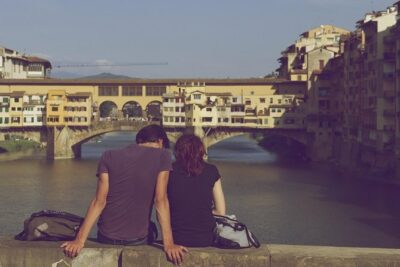 ★ 4.5From Rome to Tuscany: Discover Florence and Pisa in One DayFrom $180804 reviews
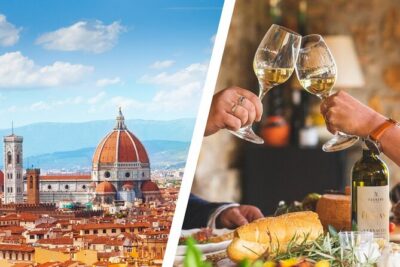 ★ 5.0Tuscany Comfort Day Tour from Rome with Wine & LunchFrom $349313 reviews
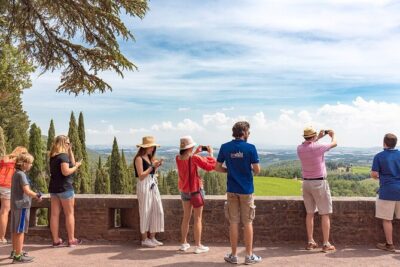 ★ 4.5Bagnoregio & Orvieto Day Trip from Rome with Wine Tasting & LunchFrom $95132 reviews
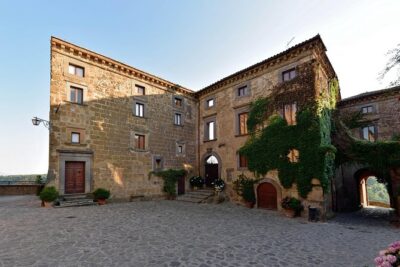 ★ 5.0Orvieto and Civita di Bagnoregio Tour from RomeFrom $438130 reviews
Browse the lists this tour appears in